|
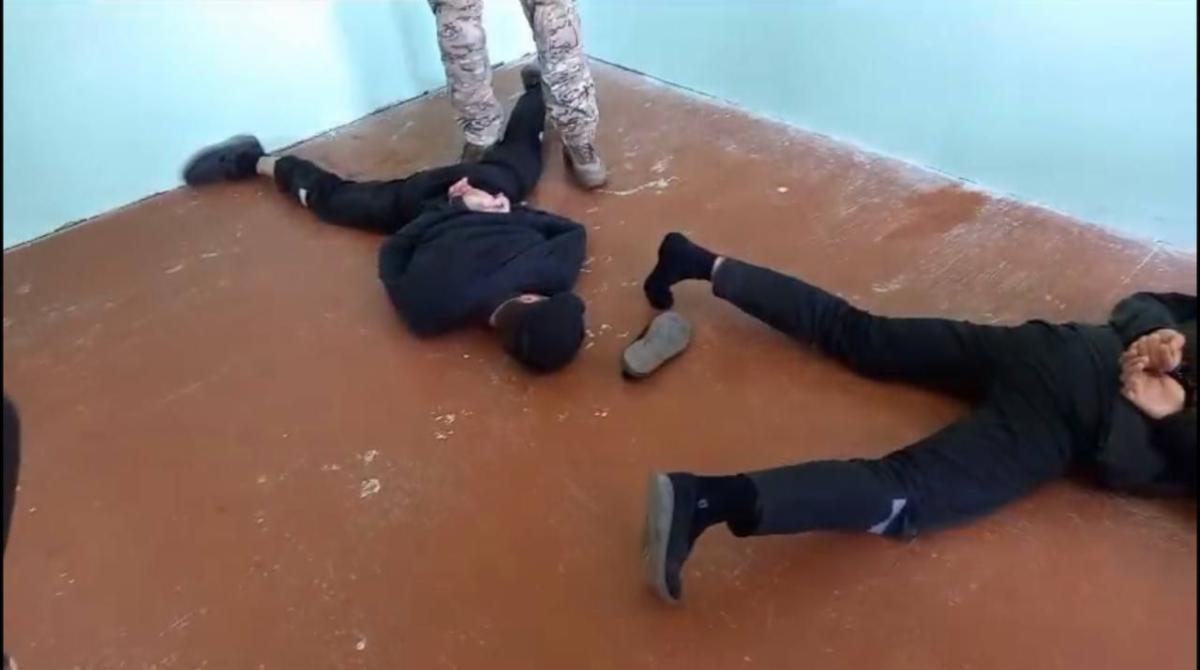
On 24 September 2024, FSB officers successfully thwarted a planned hostage-taking at penal colony No. 6 in Myrnyi, a town within the Varnavinsky district. The plot involved three suspected militants belonging to the Islamic State Kavkaz (ISK/ISQ), who had conspired to attack prison staff and execute an escape. Authorities arrested the suspects before the attack could be carried out, discovering knives and sharpened weapons in their possession, indicating that the plot was at an advanced stage of preparation.
The three inmates were part of a radical cell formed within the prison. For more than a month, they had engaged in coordinated efforts, with plans to assault the prison guards and escape the facility. Their influence within the prison became so concerning that one inmate reported their radical activities to the authorities. In a search of their quarters, FSB investigators uncovered a significant amount of extremist religious literature, further confirming their involvement in extremist activities.
This incident sheds light on deeper problems at penal colony No. 6, a facility with a history of corruption. In 2022, Deputy Warden Veselkin was dismissed and convicted of fraud after being found guilty of accepting bribes to improve an inmate’s living conditions. Such corruption has weakened the security and administrative integrity of the prison, leaving it vulnerable to internal threats such as radicalization.
Broader ISK/ISQ Operations in 2024
In 2024, Islamic State Kavkaz (ISK/ISQ) has ramped up its operations in the region, with increasing signs of aggression and coordination. The failed hostage-taking in Myrnyi marks the third prison break attempt linked to ISK/ISQ within the last four months. These attempts are part of a broader pattern that includes high-profile incidents and escalations, such as the Crocus City Hall attack, which resulted in the deaths of over 145 people.
ISK/ISQ has moved towards more sophisticated tactics, intensifying its recruitment efforts and using prison raids as a means to free key operatives and destabilize governmental control. The failed prison raids have demonstrated the group’s persistence and strategic focus on undermining local and regional security, despite increased surveillance and pressure from Russian authorities.
Beyond the foiled Myrnyi attempt, ISK/ISQ continues to recruit and train militants, stockpiling resources to conduct larger, more sophisticated operations. The prison raids, alongside their broader attacks, reflect ISK/ISQ's strategic priority of regaining and expanding influence in the region.
Islamic State's Focus on Prison Breaks: A Coordinated Effort
The Islamic State's renewed focus on prison breaks can be traced to a 28 March 2024 audio message from an Islamic State spokesman, which called on militants and supporters to free key operatives held in prisons worldwide. This message appears to have reinvigorated efforts to organize jailbreaks across regions where Islamic State affiliates are active.
In recent months, there have been multiple high-profile prison breaks or attempts in areas controlled by or near IS affiliates. These attempts aim not only to strengthen IS ranks by freeing experienced operatives but also to erode the credibility of local security forces. Each failed or foiled operation serves as a reminder of the Islamic State's resilience and long-term commitment to destabilizing regions where it has historically operated.
The failed prison raid in Myrnyi, though ultimately unsuccessful, illustrates the broader Islamic State strategy of using prison breaks to further its agenda. These actions are part of a larger effort to challenge state authority and instil fear in regions already destabilized by jihadist violence.
TRAC's Assessment
Islamic State Kavkaz remains a potent threat in 2024, with prison break attempts serving as a key strategy in their broader operations. While Russian security forces have successfully thwarted several attempts, the frequency and scale of these operations indicate a well-coordinated campaign aimed at weakening state control and freeing key personnel to bolster the group’s capabilities.
| | |
TRAC Incident Report: New Group Jibhat al-Ribat (DR) Announced Itself & Claims Assassination of Tehreek-e-Taliban Pakistan (TTP) Commander Javed Swati & his Bodyguards in Paktika Province, Afghanistan | |
|
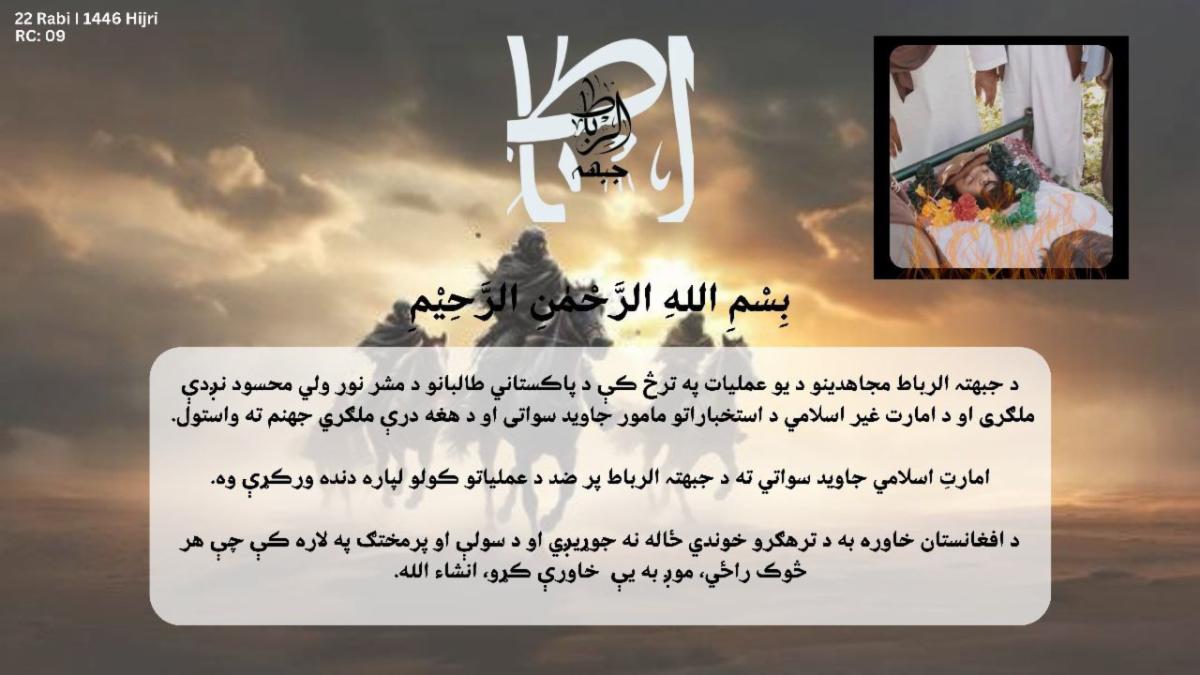
On 26 September 2024, the newly formed group Jibhat al-Ribat (DR) announced its presence by claiming responsibility for the assassination of Tehreek-e-Taliban Pakistan (TTP) commander Javed Swati and his bodyguards in Paktika province, Afghanistan. This was Swati’s first reported encounter with this emergent group, and the incident occurred amidst ongoing tensions in Afghanistan. The militants involved in Swati’s killing remain unidentified, but Jibhat al-Ribat's claim has raised significant questions regarding its origins and potential affiliations.
The group's claim that the Afghan Taliban had tasked Swati to combat Jibhat al-Ribat suggests an unusual departure from the traditional stance of the TTP, which has typically avoided involvement in Afghanistan's internal disputes, including the ongoing conflict between the Taliban and Islamic State Khorasan Province (ISKP/ISK). This raises the question of whether the TTP, under pressure from both Afghanistan and Pakistan, has become more embroiled in regional factionalism, or whether this incident marks the first public acknowledgement of internal strife between the Taliban and smaller, local insurgent groups like Jibhat al-Ribat.
Given the TTP’s longstanding operational ties to Afghanistan and Pakistan’s desire to neutralize them, Jibhat al-Ribat’s sudden emergence and swift claim of responsibility have raised suspicions of possible links to Pakistani intelligence. Pakistan has been accused since the early 80s of using jihadists to do their bidding. Swati’s assassination, along with several other high-profile killings of TTP figures in Afghanistan since 2022, underscores this pattern.
While Pakistan maintains formal relations with the Taliban (IEA), Islamabad continues to perceive the TTP’s activities as a direct threat to its security. The TTP’s operations across the Afghan-Pakistani border have been a source of continuous friction between Pakistan and Afghanistan. As the TTP increasingly uses Afghan territory as a haven, Islamabad’s response has included cross-border strikes, intelligence operations, and possibly the cultivation of new proxy groups like Jibhat al-Ribat.
The timing of Swati’s assassination also coincides with escalating border tensions and ongoing diplomatic negotiations between Pakistan and Afghanistan over the presence of TTP militants in Afghan territory. These developments suggest that Jibhat al-Ribat’s emergence could be interpreted as part of a broader effort by Pakistani authorities to curb TTP influence, utilizing indirect means. This approach allows Pakistan to target key TTP figures while avoiding direct confrontations that could strain its relationship with the Taliban government.
TRAC has tracked several incidents where proxy forces have been utilized to eliminate TTP operatives, reflecting a shift in Pakistan’s strategy toward covert action rather than overt military operations. In light of this, the assassination of Swati and the appearance of groups like Jibhat al-Ribat likely represent Pakistan’s attempt to balance its internal security concerns with the necessity of maintaining regional diplomatic ties.
| |
TRAC Incident Report: Al-Shabaab Twin Improvised Explosive Device (IED) Blasts Following Somalia Leader UN Address, in Jowhar City & Hamar Weyne District, Mogadishu, Somalia | |
|
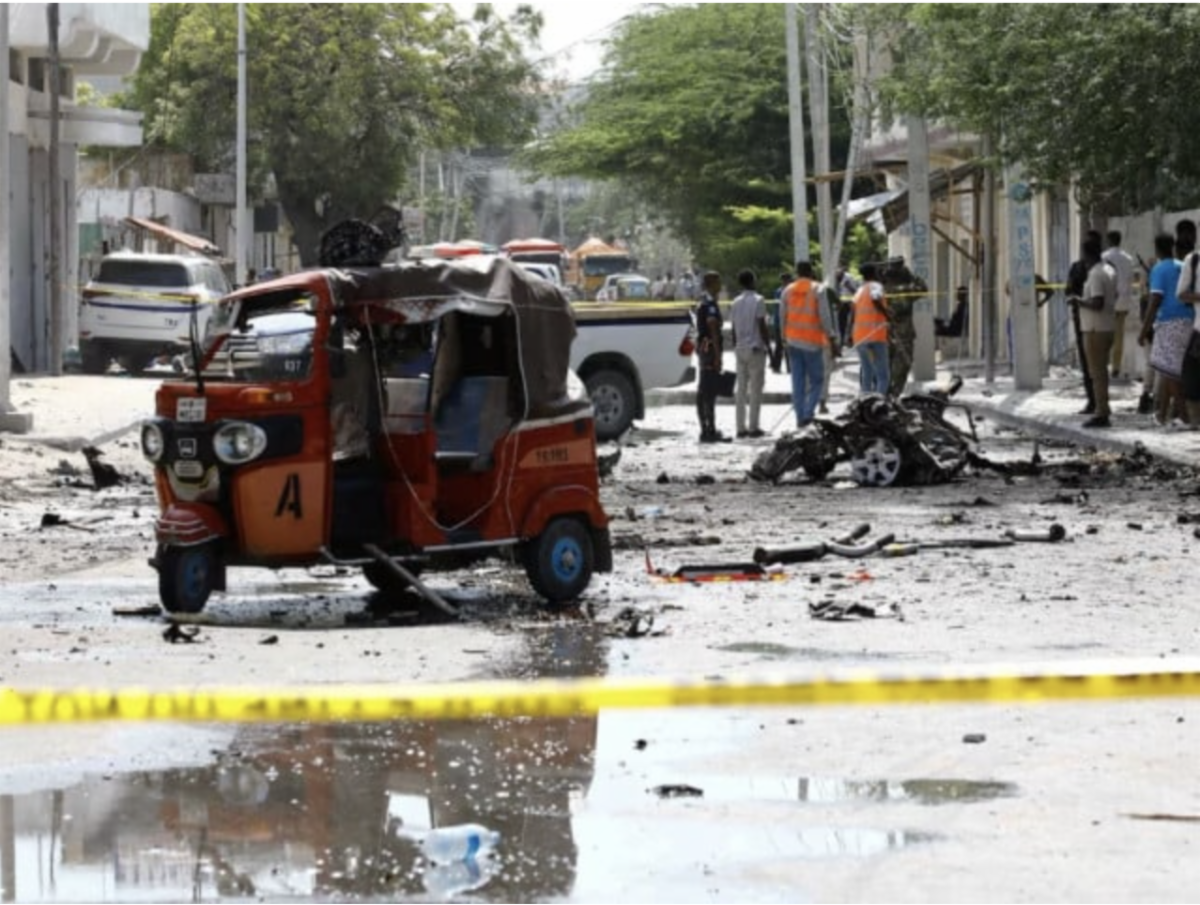
On 28 September 2024, Al-Shabaab carried out twin IED attacks in Jowhar City, Middle Shabelle, and the Hamar Weyne District, Mogadishu, in Somalia. These attacks occurred shortly after Somalia's Prime Minister Hamza Abdi Barre addressed the UN General Assembly in New York, accusing Ethiopia of infringing on Somalia's territorial integrity, referencing a maritime deal between Ethiopia and Somaliland. The twin attacks underscore Al-Shabaab's resilience and growing ability to capitalize on regional instability.
The first explosion occurred near Gel Doh restaurant, close to Somalia’s National Theater, just 1 km from the Somali President’s office. This attack, involving a vehicle-borne IED (VBIED), targeted a bustling area frequented by government staff and diaspora visitors, resulting in the deaths of 6 people and injuries to 10. The second attack involved an IED planted at a livestock market in Jowhar, which killed at least 1 person and injured 3 others.
The attacks occurred against the backdrop of increasing tensions between Somalia and Ethiopia, exacerbated by Ethiopia's recent maritime deal with Somaliland. Somaliland isn't recognized either internationally, nor by Somalia. The deal, which allows Ethiopia to lease 20 km of Somaliland's coastline, is seen as a direct challenge to Somalia's sovereignty. Additionally, Ethiopia's plans to build a naval base and commercial port in Somaliland have further inflamed tensions, with Somalia accusing Ethiopia of fostering separatism and undermining national stability.
The timing of these Al-Shabaab attacks is significant, as it directly follows Prime Minister Barre’s public confrontation with Ethiopia at the UN General Assembly, Al-Shabaab is exploiting the geopolitical dispute. The group's ability to conduct two nearly simultaneous attacks in cities just 90 kilometres apart shows its enduring capability to strike despite Somalia’s counter-terrorism efforts.
Furthermore, the attacks in both Mogadishu and Jowhar indicate Al-Shabaab’s widening operational reach beyond its strongholds, targeting both urban centres and rural areas. The presence of a VBIED in Mogadishu near government buildings and a market in Jowhar reveals the group's strategy of destabilizing the country by targeting civilians, security forces, and key urban infrastructure. This creates a climate of fear and undermines Somalia’s governmental stability, especially when faced with external challenges from Ethiopia.
The ongoing territorial disputes between Ethiopia and Somalia, particularly over Somaliland, provide Al-Shabaab with fertile ground to exploit political and security distractions. The increase in strategic and damaging attacks by the group demonstrates its resilience and adaptability in exploiting regional vulnerabilities.
| |
(Right-Wing Extremism/ Instructional Video) Neo-Nazi NSWP Crew Artificial Intelligence (AI) Generated Video Promoting Attacks on Local Police in Russia | |
|
On 18 September 2024, the NSWP Crew, a neo-Nazi group, released an alarming video on Telegram, providing explicit instructions on how to attack and kill police officers. This video functions as both a how-to guide and a source of motivation for neo-Nazi sympathizers, inciting violence against law enforcement personnel. The video appears part of a broader strategy to inspire and mobilize its approximately 1,200 followers toward violent action.
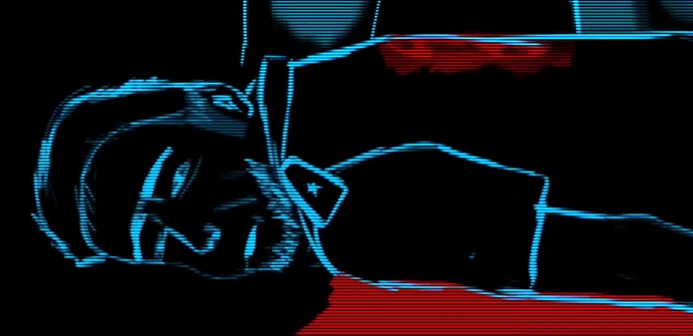
The video, produced using AI tools, employs cartoon animations to visually depict violent attacks. The visual content shows an attacker, wearing a hoodie and wielding a blood-stained knife, standing over a presumably dead or gravely injured police officer, with blood dripping onto the floor. This graphic imagery is designed to glorify violence and motivate viewers to carry out similar attacks. The target of these attacks appears to be the "uchastkovyi"—local Russian police officers who are closely integrated within their communities. By singling out these officers, the group aims to hit a vital part of Russia’s community-based law enforcement infrastructure.
The video, created for a Russian-speaking audience, showcases how neo-Nazi groups are adapting AI technology to broaden their influence. Additionally, the group’s Telegram administrator posted a request for volunteers to help create more AI-generated content, signaling a desire to expand their propaganda efforts.
The release of this video comes amid a broader rise in neo-Nazi activity in Russia, compounded by recent events such as the 10 September 2024 arrest of eight members of the neo-Nazi group "Sparta 88" by FSB operatives in the Krasnoyarsk region. These individuals, aged between 16 and 19, were reportedly planning attacks on non-Russian citizens. This incident highlights the growing threat posed by these radicalized youth and the increasing operational capabilities of neo-Nazi groups in Russia. Sparta 88 also glorifies violence against high-profile political figures like Vladimir Putin and Donald Trump, further raising concerns that these groups are evolving from small cells into networks with greater ambitions. The connection between these arrests and the release of violent instructional content by groups like NSWP Crew points to a coordinated ideological effort to destabilize Russian society.
The release of this video, combined with recent arrests, underscores a significant escalation in neo-Nazi propaganda and violence within Russia. The group's use of AI to create animated content represents a worrying development in extremist tactics, as it enables them to easily disseminate their ideology through visually appealing and engaging formats that can reach and radicalize younger audiences. The escalating violence in neo-Nazi circles in Russia is concerning, especially in light of the series of terrorist attacks that have occurred across the country. The potential for these groups to coordinate more lethal attacks against state institutions and ethnic minorities remains high, as evidenced by the combination of violent propaganda, operational planning, and real-world attacks.
| |
(Chatter) FAMA/Wagner (Africa Corps) Convoy Heads North as “Operation Revenge” Commences, 2 Months After Wagner Targeted in Tinzaouaten, Kidal Region, Mali | |
|
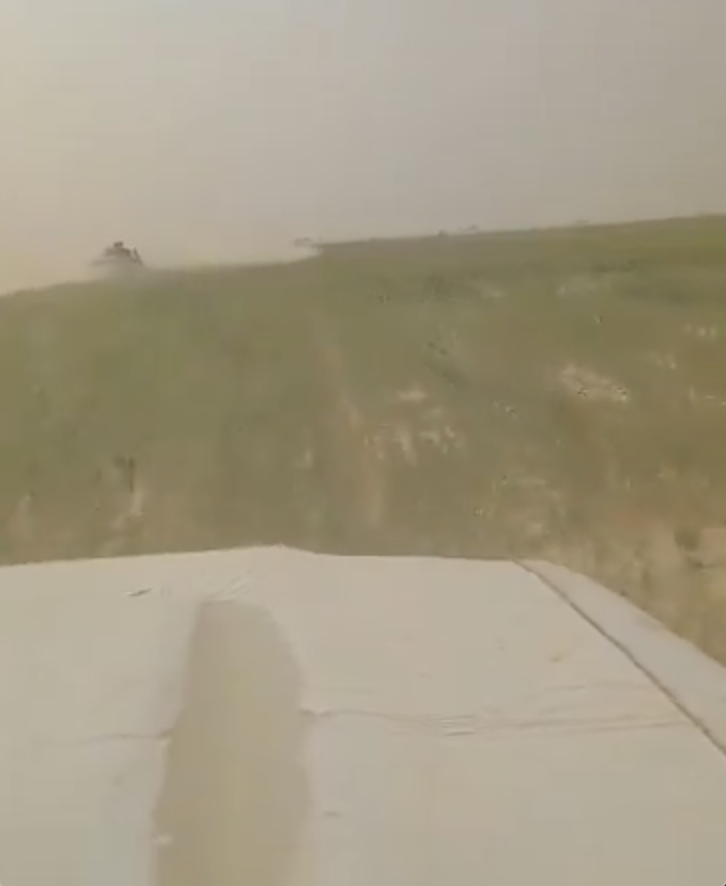
Two months after Wagner Group forces were ambushed in Tinzaouaten, located in the Kidal region of Mali, a convoy consisting of 45 armored vehicles, supported by two UAVs and two helicopters, has departed from Ti-N-Essako to head north as part of "Operation Revenge." This operation follows a deadly confrontation where a coalition of Azawadi and Jama'at Nasr al-Islam wal Muslimin (JNIM) forces successfully targeted and routed Wagner personnel in the Malian-Algerian border town of Tinzaouaten. The convoy is expected to travel a highly perilous 225-mile (362 km) journey through militant-controlled territory, with the clear intent of retaliating for the loss inflicted by insurgent forces.
The decision to launch Operation Revenge highlights Wagner's desire to respond to the humiliating defeat suffered in the Tinzaouaten ambush. However, the strategic value of such an operation is questionable. Tinzaouaten, a remote border town, holds little infrastructure on the Malian side and poses no immediate tactical advantage. Its location offers limited value to Wagner, particularly since any victory achieved here would not substantially impact the ongoing insurgency along the border. Moreover, this venture could risk straining relations with Algeria, which holds sovereignty over the Algerian side of Tinzaouaten and boasts significantly stronger military capabilities. By conducting operations near the border, Wagner risks creating a geopolitical issue with one of the region’s dominant military powers.
This convoy is entering territory heavily influenced by Azawadi militants and JNIM, both of which are known for employing advanced hit-and-run tactics. These groups will likely utilize pressure plate IEDs and ambushes along the convoy's route, aiming to erode Wagner's forces before they reach their destination. The presence of aerial support—UAVs and helicopters—might mitigate some of the threat posed by militant attacks, but it will not fully neutralize the risk. Both JNIM and Azawadi forces have a history of adaptability and resilience, particularly in the face of superior military technology.
While Operation Revenge may offer little tangible strategic gain, its symbolic importance to Wagner cannot be overlooked. The private military company (PMC) has cultivated a cult-like following, and this operation could serve as a propaganda victory should it succeed. Just as the Battle of Kidal was framed as a major success for Wagner, Operation Revenge could be spun similarly to boost the group’s reputation and morale among its supporters. Wagner thrives on showcasing strength and dominance, and the operation seems to be driven more by a need to heal the group's bruised ego than by any significant military necessity. Given Wagner's history of leveraging its operations for propaganda purposes, success here—even if minor—could be used to reinforce the group’s narrative of vengeance and military superiority in Africa.
In the longer term, even if Wagner achieves tactical success in this operation, it is unlikely to bring lasting stability to the region. The Azawadi militants and JNIM have been embedded in northern Mali for years, and their insurgency is not dependent on a single location or skirmish. Their knowledge of the terrain, combined with a history of resistance against foreign and domestic military forces, suggests they will remain a persistent threat even if Wagner wins this particular battle.
Given these factors, Wagner’s Operation Revenge seems more focused on demonstrating power than achieving any significant military objective. The group is risking high casualties and potential geopolitical consequences with Algeria for what may ultimately amount to little more than a temporary victory.
| |
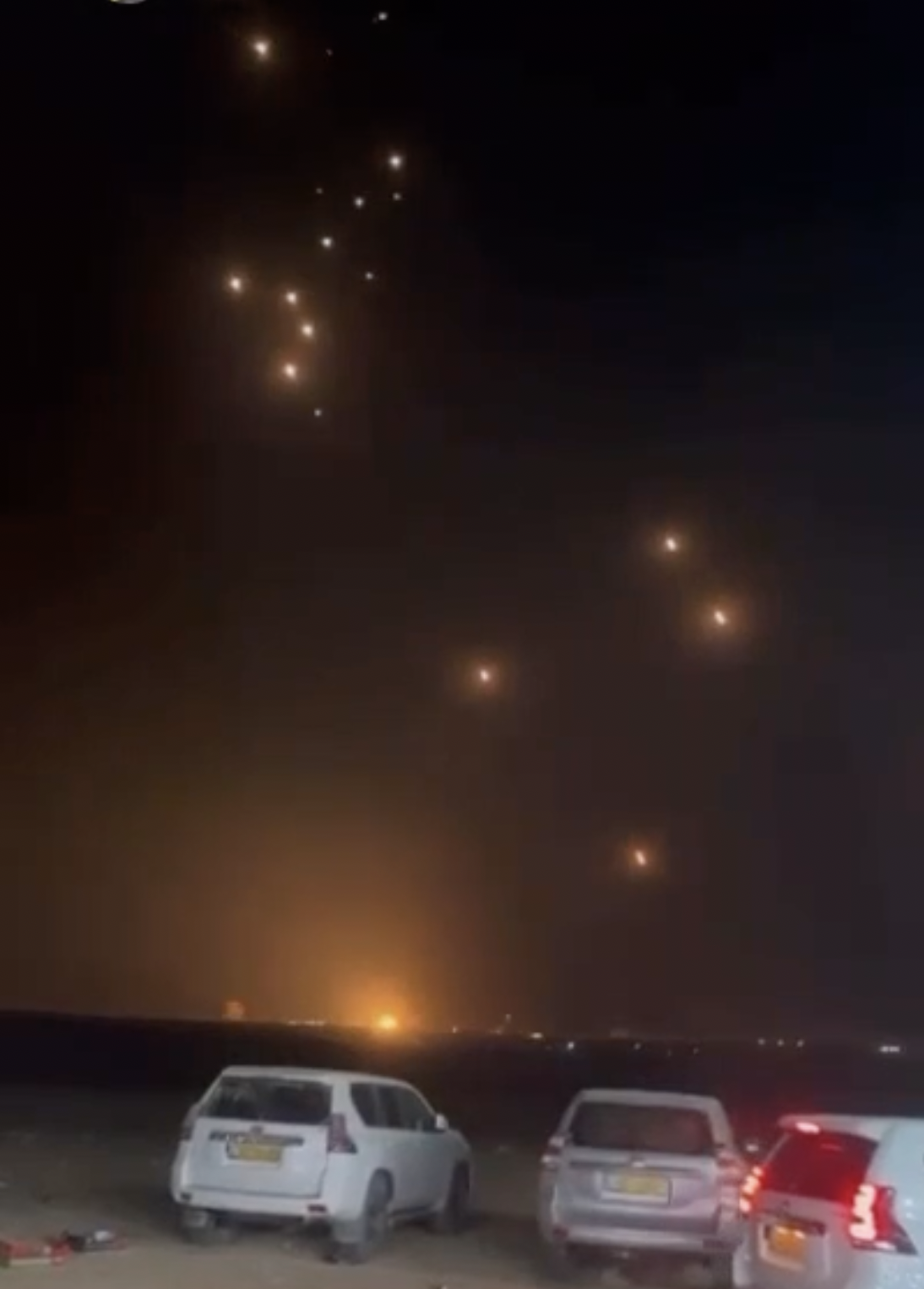
TRAC Incident Report: Iran Launches Over 400 Rockets Towards Israel in Third Wave Attack, Declaring State of War Against Israel, in Tel Aviv, Israel | |
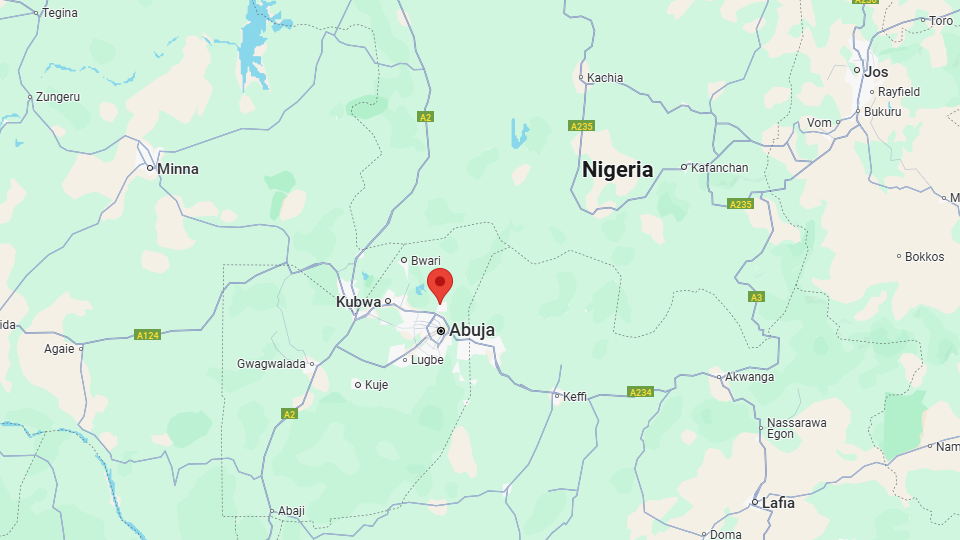
TRAC Incident Report: Bandits Assassinate Town Imam Ahmad Maidara & Kidnap Transporter Alhaji Salisu Danfulani, Tipper Garage in Mpape Town, Abduja, Federal Capital Territory, Nigeria | |
(Claim / Anonymous Anarchist) Anarchists Sabotaged a Sabotage High-Voltage Line Linked to an EPR Reactor in Protest of Nuclear Power, in Flamanville, France | | | | |