|
With a new $5 million investment from the Knight Foundation, URL Media now will scale to 100 publisher partners and 250 vetted creators, expanding its reach from 25 million to 50 million people by 2028.
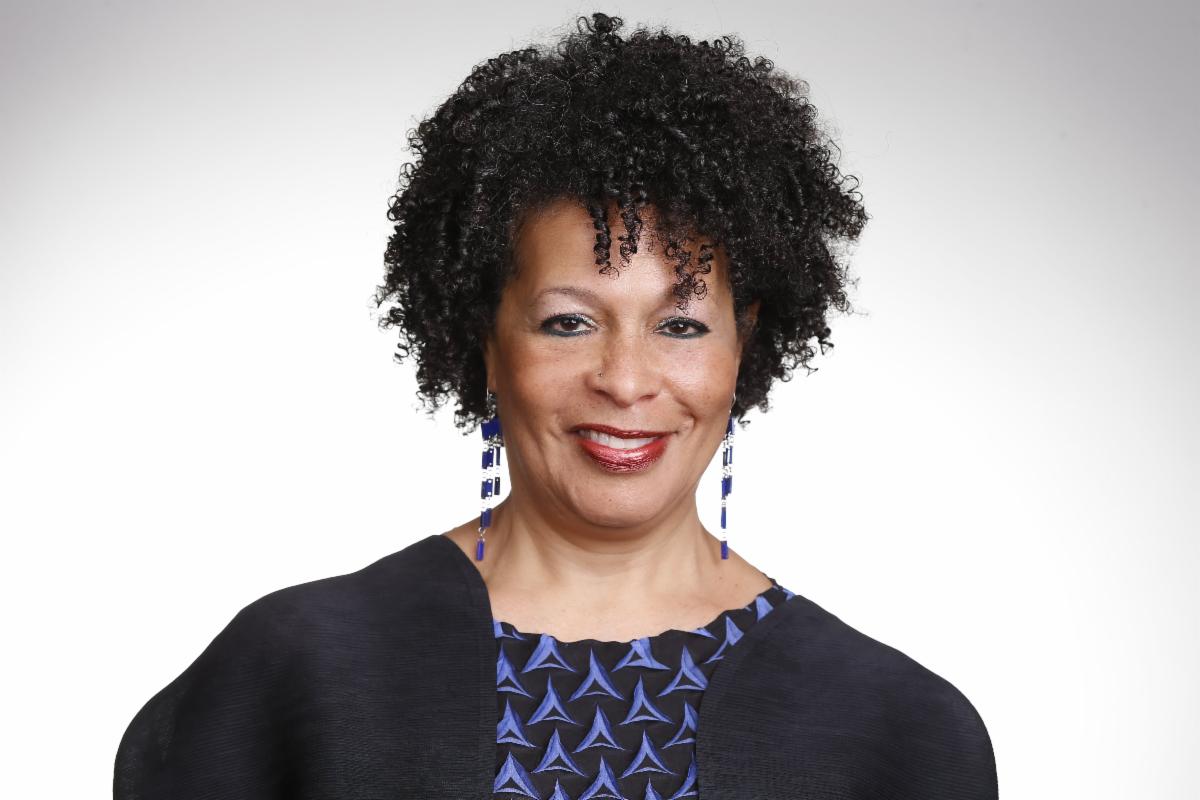
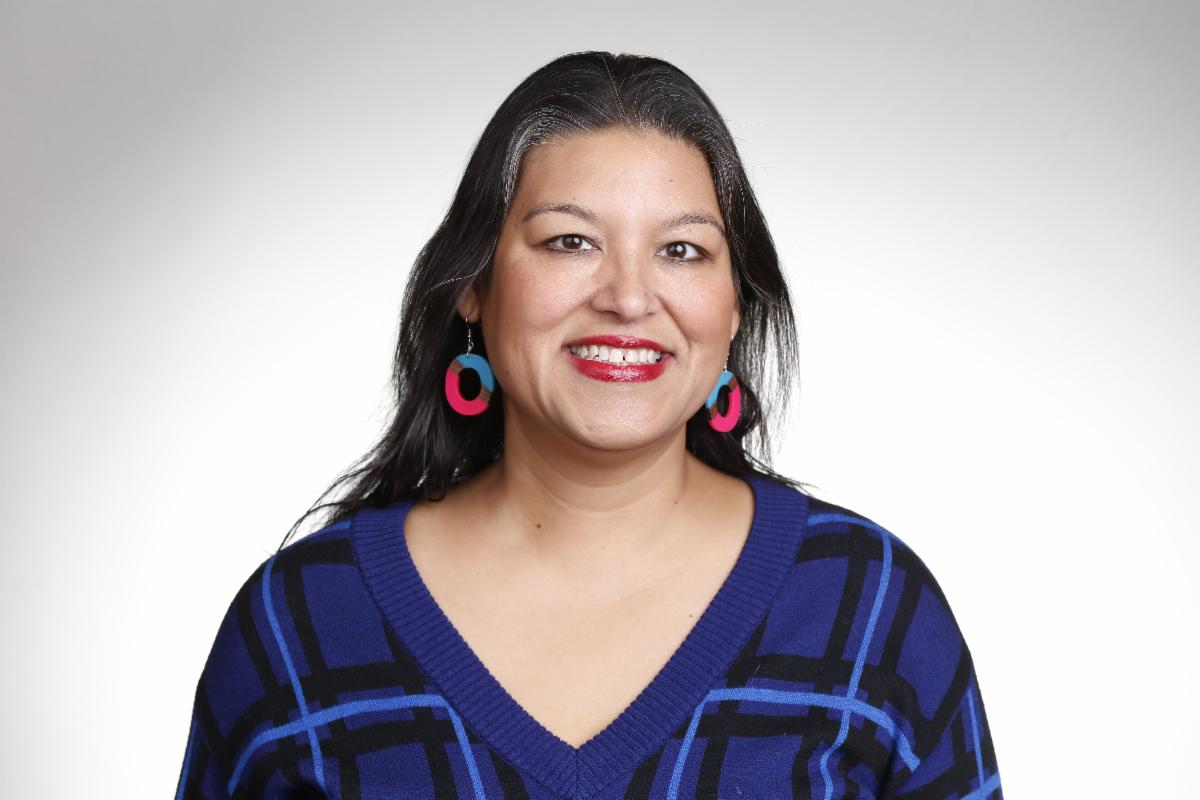
The Institute spoke with Lomax and Kalita to learn more about how URL Media is investing in people and infrastructure to sustain this growth, experimenting with new revenue pathways, and why community media is central to preserving democracy.
This interview has been lightly edited for length and clarity. Click here to read the full Q&A.
With the new grant from the Knight Foundation, URL Media is developing new technology infrastructures that will modernize operations across your network. Can you share some examples of what these tools are and how they might impact a local publisher’s day-to-day work?
Lomax: A huge part of what we are trying to solve is providing additional revenues to media organizations that are even more economically challenged in this moment than in previous times.
One of the things that URL is experimenting with in Pennsylvania is a pilot around this thing called a digital extension. The URL sales team comes in and works side-by-side with a local partner to help them grow their ad revenue through this digital extension product, which allows you to sell beyond your core audience and really reach customized geographies and demographics for a client. A lot of our individual outlets might not have the expertise to execute a project or a sale like that, but URL has the expertise to come alongside the partner and actually provide that service and essentially be a part of that sales team going out to pitch this new product.
We're getting some traction in Pennsylvania around that because we have this network of diverse, multicultural media outlets; but we also have the capability of reaching communities at scale, whether it's related to age or socioeconomics or psychographics. And as we refine this, we’re looking to roll it out to other partners in other states.
Kalita: Some of this is still being developed. We're still assessing the partners’ needs. Our network is multi-platform, which is incredible. It's also very challenging in terms of finding a common denominator from an advertising perspective. The reason clients turn to us is because we're a one-stop shop, so we want to make sure that there's some ease in delivery.
Over the last five years, one kind of unit that has been a common denominator is email newsletters and the ability to find a common ad unit. Going forward, we're assessing different capabilities. Is there a platform that we can all get on for the sake of selling?
A major challenge for media organizations is shrinking revenue. What are some emerging business models or revenue pathways you are seeing succeed right now?
Kalita: We're innovative on a few fronts, so some of the ones that I'll mention quickly that we do are sponsored content events, content creator partnerships, finding community ambassadors, and executing ad campaigns.
I'd also say that one innovative revenue stream for URL Media is our recruitment and talent development business. As we were trying to partner with some mainstream newsrooms, it turned out finding the right talent was a key pain point for a lot of people. That emerged as not just a revenue stream for us, but it’s also a constant in this business and every business. We have done searches for non-journalism organizations, leveraging expertise in communications, marketing. We've done searches for large foundations and nonprofits. We've done CEO searches.
So that is a great example of a revenue stream that is serving the marketplace but also enhances our own business because we're so close to what the marketplace needs right now from a talent perspective, and then we're able to use those insights to both turn around our own business and meet the needs of fellow journalism companies.
Lomax: Again, the digital extension is a huge potential revenue driver that builds on traditional advertising and allows you to go much broader and more targeted for corporate clients. Really look at the assets that the local community, diverse media organizations have that they can build on and monetize.
For instance, it might be directories. My radio station has produced a physician's directory. So, what are the things that your audiences need and how can you create products that build on that? Or, what are some of the milestones ahead?
A big thing in 2026 is — obviously in addition to the midterm elections — the semiquincentennial, the 250th birthday of the nation. What are local media organizations doing that's unique? How are they telling these stories in a way that can be converted to either a sponsorship or a new product that can help with audience growth, listener support, or reader revenue?
We all have to be so much more creative right now. We have to re-broaden our scope — it’s not just advertising and reader revenue. It really has to be a lot more dynamic.
And we can't forget philanthropic funding. The philanthropic universe is really the only area that has remained consistently supportive of journalism and media in this moment. With a lot of other funding streams, there's been a chilling effect. Philanthropic funds are an important part, but it has to be looked at as temporary revenue and not your core revenue. You have to have recurring revenue models that will be self-sustaining.
URL Media plans to scale to 100 publishers and reach 50 million by 2028. What are some of the risks that come with this kind of growth and how are you navigating them?
Kalita: There's an intimacy in how we work with our partners. There's a trust. As you grow, you want to preserve that, but you have to figure out: How do you increase capacity?
For us, it's a capacity issue, which is why Garry Pierre-Pierre is coming on board as a new director of partnerships. We feel like it's not just another hire. It's somebody who has lived this experience and can serve in the same manner. There's a marriage of increasing capacity and values that's really important as we're hiring. For a mission-driven company like ours, you can't lose that sense of values in the projection of your people. So that's one way we stay strong.
Lomax: We have been very fortunate to build an incredibly talented team. Having a mission-aligned team that also is very skilled and experienced is very critical in this work.
But there are no shortages of potential pitfalls, obstacles, and challenges. The political climate that we are in right now is daunting. I'm in a place where I feel like words don't really capture the essence of this moment and how we are trying to meet it.
We’re in a time of action, and I personally am energized and excited about our ability to meet this moment with additional resources in a way that is absolutely essential for the future of our individual media organizations within this network. There's an all-out assault on Black and Brown people right now, full stop. It's real. And I feel like we are in a fight for our lives, literally.
People are pessimistic about the news landscape going into 2026. Can you share some words of encouragement with journalists and other organizations with a similar mission?
Kalita: Sara always says we can't wait. We are the people we've been waiting for. If not us, then who?
URL Media just pioneered this letter in New York City, saying, hey, 50% of city spending is supposed to be on ethnic and community advertising. Where is it? There’s a bit of self consciousness in journalism to advocate for ourselves because of the traditional notion of journalism as objective or distant from the public. I don't think that we have the luxury of that anymore, and so I think we need to get loud about the financial support that journalism needs. We need to get loud about our relevance to our communities and what that represents in this moment.
I see a lot of hope and the ability to create solidarity. We had three days and we had 51 news outlets sign on to this letter. Fifty-one outlets feels a lot stronger than me trying to go it alone. URL represents this idea of the collective and exudes solidarity, which is the way to preserve our democracy.
Lomax: When I say, ‘If not us, then who?’ I don't mean URL as in us. I mean the media ecosystem. We have got to recognize that we really are the frontline workers. We are the ones who are standing in the gap to preserve this democracy. And it sounds really lofty, and it sounds kind of dramatic, but I really do believe that.
There are all these sectors that have to stand strong. In particular, smaller media organizations who have been underestimated and have been punching above their weight for a long time. To the best of our ability, we have to persevere and continue to fight the good fight. Our efforts are needed more now than ever.
And in the absence of that, we have a much weaker country and democracy. So we just have to weather the storm and keep doing the work. Hopefully we're ushering in the solution that's on the other side of this kind of chaos.
Read on for more insights behind URL Media's growth strategy.
|