AZGOP Challenges Unlawful Party Name Change Desgined to Create Confusion
AZGOP Files Lawsuit Over “Independent Party” Name Change, Citing Voter Confusion
The Arizona Republican Party (AZGOP) has filed a legal challenge against Adrian Fontes, alleging his office acted unlawfully by allowing the No Labels Party to rename itself the “Arizona Independent Party.” According to the lawsuit, the move is improper, misleading, and risks widespread voter confusion and potential disenfranchisement.
At the heart of the dispute is how the party originally gained recognition. Voters who signed petitions in 2023 did so to recognize the No Labels Party—an organization explicitly promoted as rejecting traditional party labels. Those voters were not informed, AZGOP argues, that their signatures could later be used to create a party called the “Independent Party,” a name that carries a very different meaning in Arizona’s election system.
Arizona operates under an open primary system, where voters registered as “Independent” or with no party preference typically expect to receive either a Republican or Democratic primary ballot. AZGOP warns that creating a party literally named the “Independent Party” blurs this long-standing distinction, increasing the likelihood that voters could be misclassified and denied the ballot they intended to receive.
Importantly, objections to the name change are not limited to Republicans. Both the Arizona Democratic Party and the Arizona Clean Elections Commission have raised similar concerns, underscoring the bipartisan nature of the issue and the seriousness of the potential impact on voters.
The lawsuit asks the court to block the name change, declare the Secretary of State’s action unlawful and void, and reaffirm that any political party seeking ballot access must follow the same statutory process required under Arizona law.
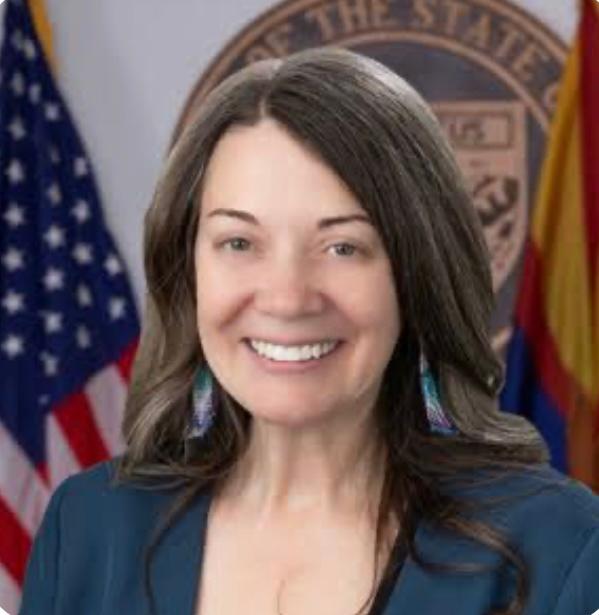
“What Secretary Fontes has approved is not the creation of a legitimate new party under Arizona law, but a unilateral rebranding effort by a small group of party insiders without voter consent and without legal authority,” said Gina Swoboda, chair of the Arizona Republican Party. “His decision fails to provide clarity, transparency, and a voter registration process that the public can understand.”
As the case moves forward, the outcome could have significant implications for voter registration, ballot access, and how political parties are defined and regulated in Arizona.
Standing With Rachel Mitchell: Upholding the Rule of Law in Maricopa County
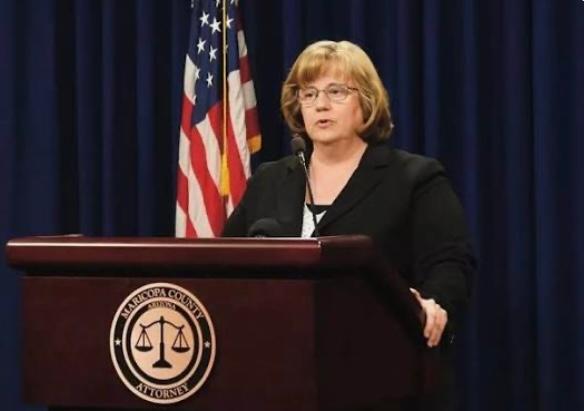
I stand with Rachel Mitchell in her effort to uphold the law and protect the integrity of Maricopa County government.
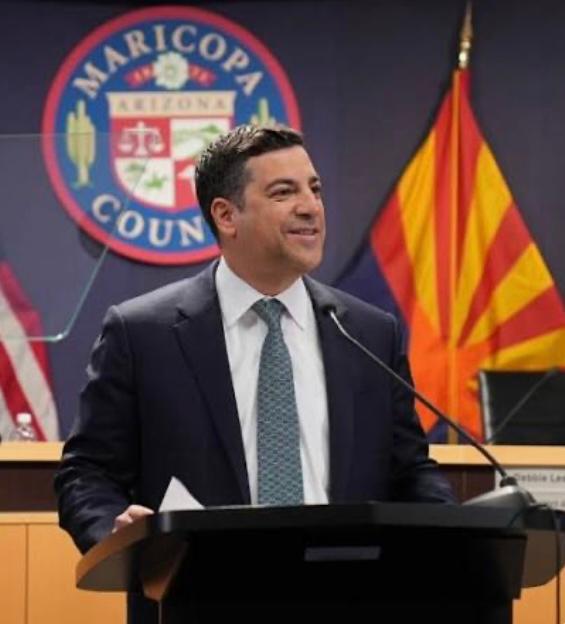
At issue is an ongoing lawsuit filed by County Recorder Justin Heap against the Maricopa County Board of Supervisors, a move that escalated a months-long dispute over control of county elections. While disagreements between elected officials are not new, how those disputes are handled — and who has the legal authority to represent county offices — matters deeply.
Before the lawsuit was filed, County Attorney Mitchell appointed outside counsel to represent both the recorder and the board during negotiations. Initially, former Arizona Supreme Court Justice Andrew Gould was appointed to represent Recorder Heap. However, the lawsuit was ultimately filed by America First Legal, a Trump-aligned legal organization co-founded by Stephen Miller.
That action prompted Mitchell to send a cease-and-desist letter to America First Legal, asserting that the firm did not have authority to represent the recorder. On December 2, Mitchell’s attorney, Brett Johnson, made that argument before Scott Blaney, stating that Arizona law clearly vests the county attorney with sole authority to represent county officials or appoint outside counsel when necessary.
Johnson acknowledged a key point: Mitchell cannot represent both sides in active litigation. But that does not strip her of her statutory authority to appoint appropriate counsel. As Johnson explained, the county attorney still “wears an administrative hat” and must meet her legal duties under state law.
Arizona statute designates the county attorney as “the public prosecutor of the county,” a role that historically carries broad authority. When written during Arizona’s territorial days, the term “prosecutor” encompassed not only defending the county, but proactively engaging in litigation on behalf of the county and its officials. That authority, Johnson argued, includes appointing outside counsel — precisely what Mitchell did.
Recorder Heap’s attorney disagreed, arguing that the statute does not explicitly grant Mitchell exclusive authority to choose outside counsel and claiming Mitchell had acted adversely to Heap. Judge Blaney himself acknowledged the complexity of the issue, noting that the question before the court is a “close call.”
There is also an important and often overlooked concern: the increasing politicization of government offices. Mitchell’s legal team argued that it is inappropriate for a politically aligned legal organization to represent a county official in the performance of official duties. They further contended that the arrangement may violate Arizona laws designed to keep private and political money out of election-related government functions — laws signed in 2021 by former Governor Doug Ducey in response to outside funding controversies surrounding elections.
America First Legal has denied it is political, pointing to its 501(c)(3) nonprofit status. While federal law allows such organizations to engage in advocacy, their public focus on issues closely aligned with President Trump’s agenda — including election integrity and immigration — raises legitimate questions about whether government litigation is being used as a political tool rather than a neutral legal process.
At its core, this case is not about personalities or politics. It is about statutory authority, proper governance, and maintaining clear lines between public office and political advocacy. Rachel Mitchell is doing exactly what voters expect of a county attorney: enforcing the law as written and defending the institutional integrity of county government.
That is why I stand with Rachel Mitchell.
Why the Arizona Attorney General’s Race Matters More Than You Think
The race for Arizona Attorney General is one of the most critical elections facing our state in 2026, yet it remains one of the least understood offices by the general public. Most voters don’t realize just how much power—and responsibility—the Attorney General holds.
First and foremost, the Attorney General answers only to the voters - not the governor, not the legislature. The AG only answers to the people. That independence is intentional. The Attorney General is the chief law enforcement officer of the state and has the authority—and obligation—to hold the governor accountable when executive power is abused.
We saw a clear example of this during COVID. When businesses were forcibly shut down, the Attorney General had immediate legal standing to challenge those orders and defend the livelihoods of Arizona families. That power exists to protect citizens, not political agendas.
Unfortunately, Arizona’s current Attorney General, Kris Mayes, has chosen a very different path. Since taking office, Mayes has sued President Trump more than 30 times. That has become her primary focus. Yet President Trump won Arizona, meaning Mayes is actively working against the will of the voters she is supposed to represent.
These lawsuits are not about protecting Arizonans. They are about national political posturing—high-profile cases designed to attract large campaign donations from powerful Democrat donors in other states. The goal appears less about justice and more about remaining in power.
In 2026, two Republicans are running to challenge Mayes.
Warren Petersen, the current Senate President. Petersen has only been an attorney for the past two years (click the link below to view the AZ State bar website), and there is no publicly available record of him having tried a case in court. Leadership in the legislature does not substitute for real courtroom experience—especially for a role that requires immediate, decisive legal action.
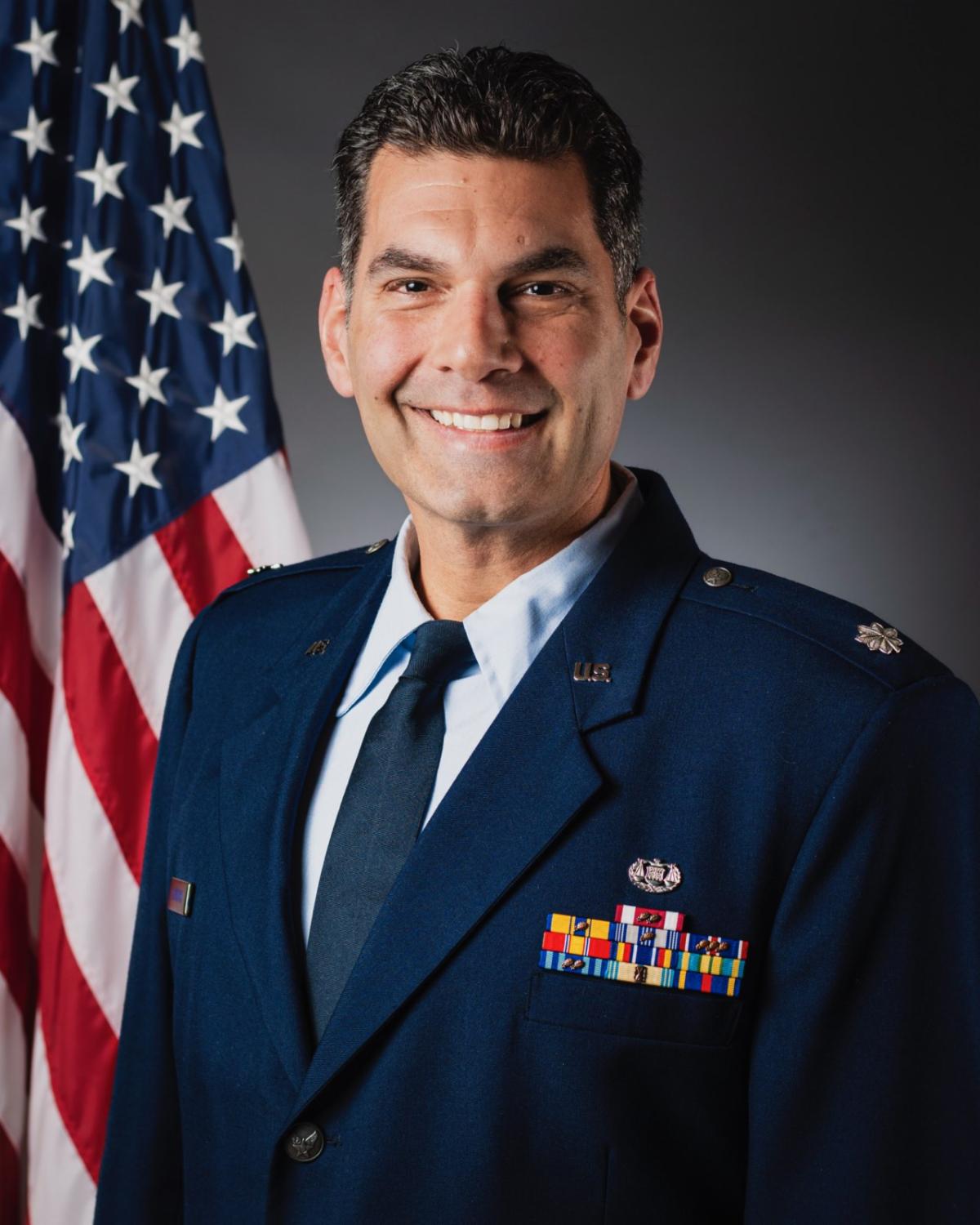
The clear front-runner in this race is Rodney Glassman.
Glassman brings real-world legal experience that the office demands. A law school graduate since 2007, he has practiced law for years and successfully tried cases in court. He is not learning on the job—he has been doing the job.
Beyond his civilian legal career, Glassman serves as a Lieutenant Colonel in the United States Air Force JAG Corps Reserve, a role that reflects leadership, discipline, and a deep respect for the rule of law. His background also includes service as a City Council Member and Acting Town Manager, giving him firsthand experience with how government functions at multiple levels.
Glassman has maintained a private law practice for over a decade. That matters. It means he is ready on day one to represent the citizens of Arizona—not political interests, not national donors, and not partisan theatrics.
Some of the people endorsing Rodney Glassman:
Sheriff Jerry Sheridan
Former State Senate President Karen Fann
Superintendent Tom Horne
Arizona needs an Attorney General who will stop the madness of endless political lawsuits and start doing the job voters expect: enforcing the law, defending the Constitution, and working for the people of this state.
The Attorney General’s office is too important to be used as a stepping stone or a political weapon. Arizona deserves better—and in 2026, voters will have a clear choice.
Ending a 15-Year Chapter: It’s Time to Lift Federal Oversight of MCSO
This week, the Maricopa County Board of Supervisors took a long-overdue and historic step—one that matters to every taxpayer and every resident who cares about accountable, effective local government. The Board filed a Rule 60 motion in federal court seeking to end federal oversight of the Maricopa County Sheriff’s Office (MCSO), oversight that has been in place for nearly 15 years and has cost Maricopa County taxpayers hundreds of millions of dollars.
Let’s be very clear about what this is—and what it is not.
This is not about excusing past mistakes. It is about recognizing reality.
The original purpose of the Melendres case has been met. There is no evidence of ongoing civil rights violations, no new allegations of improper immigration enforcement, and MCSO has achieved 100% compliance with the required policy changes imposed by the court. In other words, the problem the court set out to fix has been fixed.
As Board Chairman Thomas Galvin rightly stated, today’s Sheriff’s Office is a completely different agency than it was more than a decade ago. The voters did their job. They held leadership accountable and elected new leadership. Since then, MCSO disbanded immigration-related units, implemented anti-bias training, and adopted modern, constitutional policing practices. This is now a professional law enforcement agency that serves the entire community—and one we can be proud of.
Yet despite all of that progress, federal oversight continues.
And it comes at a staggering cost.
Maricopa County has spent over $350 million complying with multiple court orders related to the case, including more than $30 million paid to a court-appointed monitor alone. That is money not spent on deputies, response times, victim services, or public safety priorities. At some point, continued oversight stops being about justice and starts becoming a drain on local resources and local control.
The Rule 60 motion argues—correctly—that continued federal supervision is no longer equitable or justified. Rule 60(b)(5) exists for this exact situation: when a judgment has been satisfied and applying it going forward no longer makes sense. Oversight that once served a purpose now undermines democratic accountability by holding today’s elected officials responsible for the actions of a former sheriff who has been out of office for fourteen years.
We should also acknowledge something important that often gets lost in political talking points: there is now a durable system in place to protect the civil rights of Latino drivers and all residents. Constitutional policing is embedded in policy, training, and oversight at the local level. The safeguards exist—and they are working.
Ending federal oversight does not mean abandoning civil rights. It means trusting the reforms, the systems, and the voters of Maricopa County.
This is what accountability looks like in a constitutional republic. Problems are addressed, reforms are made, leadership changes, and eventually—government returns to the people closest to it.
It’s time to close this chapter, restore local control, and redirect resources where they belong: keeping our communities safe.
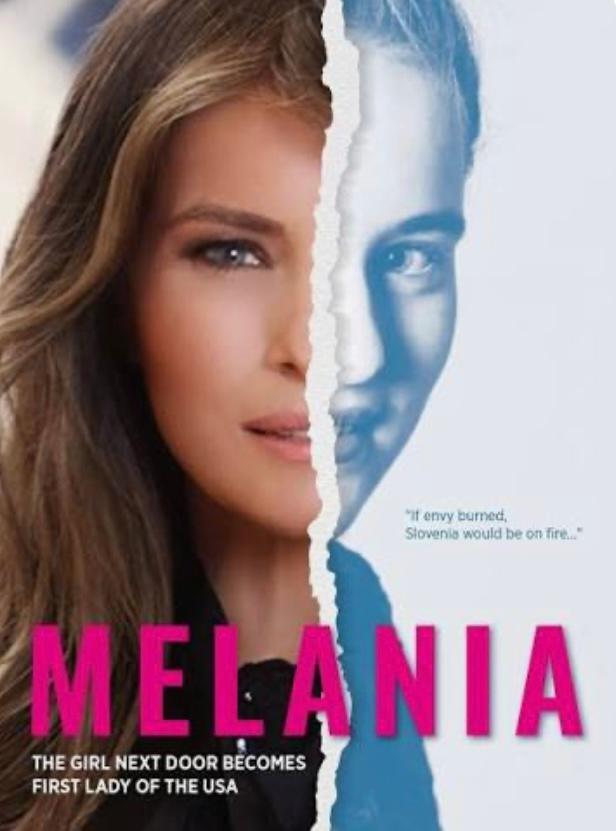
Melania offers a rare and intimate look at one of the most private First Ladies in modern American history. Rather than focusing on political drama, the film presents Melania Trump through her own lens—highlighting her resilience, independence, and deliberate approach to public life.
The documentary traces her journey from a small town in Slovenia to the White House, emphasizing her role as a mother, her commitment to dignity and tradition, and the personal strength required to navigate relentless media scrutiny. Viewers see a thoughtful, measured woman who chose grace and restraint in an era defined by constant outrage and oversharing.
Melania stands out for what it doesn’t do as much as what it does. It avoids sensationalism and instead delivers a calm, reflective portrait of a woman who understood her role, protected her family, and remained steadfast under pressure. Whether viewers admire her style, her discretion, or her quiet resolve, the film adds meaningful context to a figure often misunderstood—and reminds audiences that strength doesn’t always need to shout.
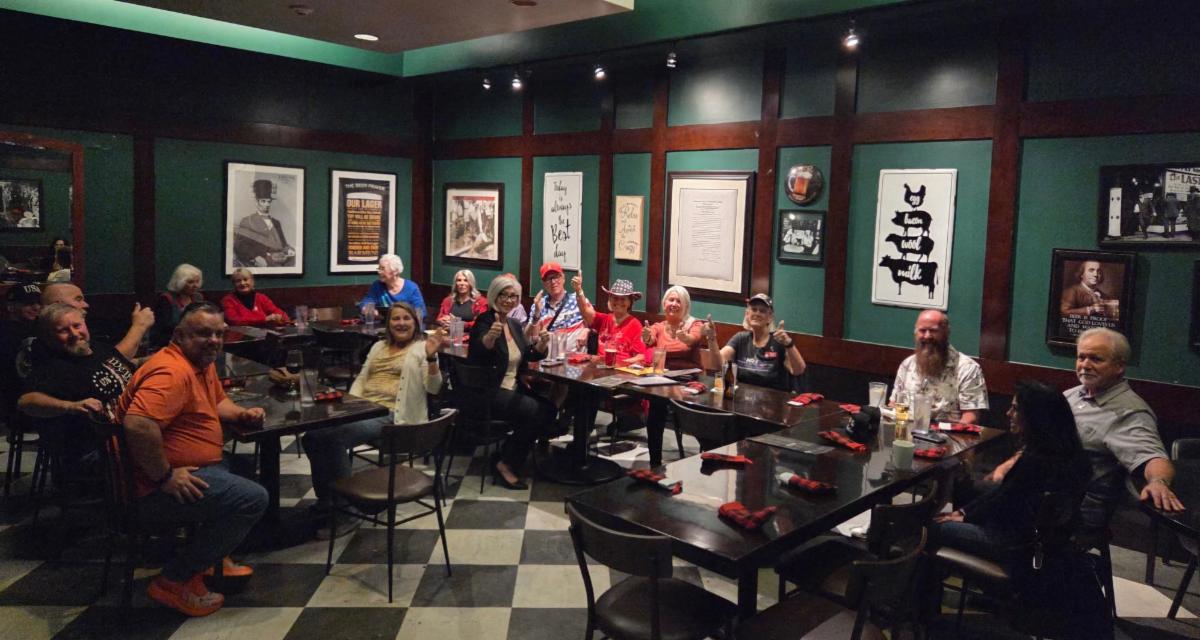
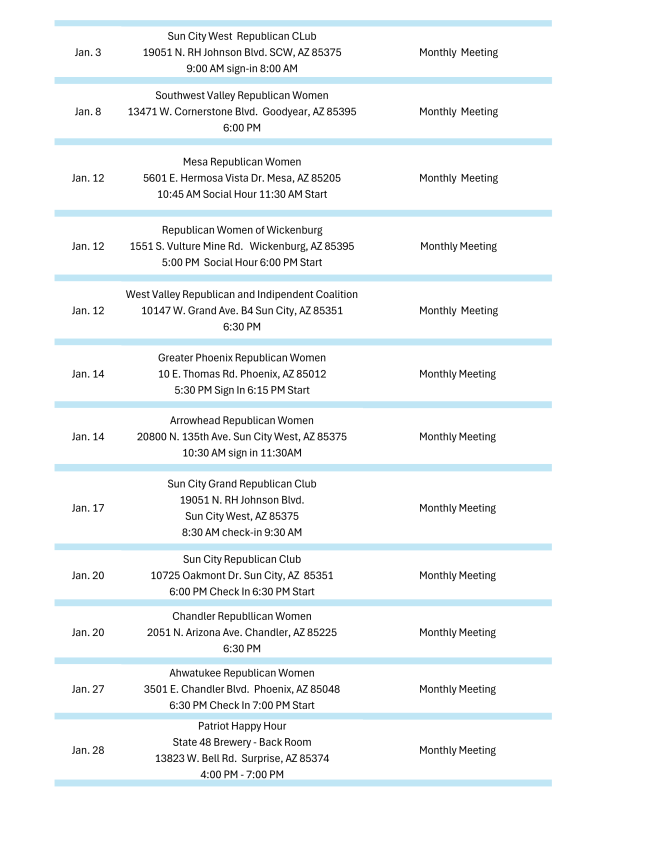
We had a great Patriot Happy Hour last week, and the turnout was fantastic. Using the back room worked perfectly, creating a relaxed space for conversation, connection, and community. It was wonderful to see some new faces alongside the friends we’ve come to know—exactly the kind of mix that makes these gatherings so special.
If you missed it, don’t worry—there’s another one coming up soon. Our next Patriot Happy Hour will be Wednesday, January 28th, from 4:00–7:00 PM at State 48.
These happy hours are all about good conversation, meeting like-minded neighbors, and enjoying time together in a fun, informal setting. We hope to see you there next time—bring a friend and join us!
Katie Hobbs Accused of Forcing Disabled and Black Children Off Elevator at Territorial Cup
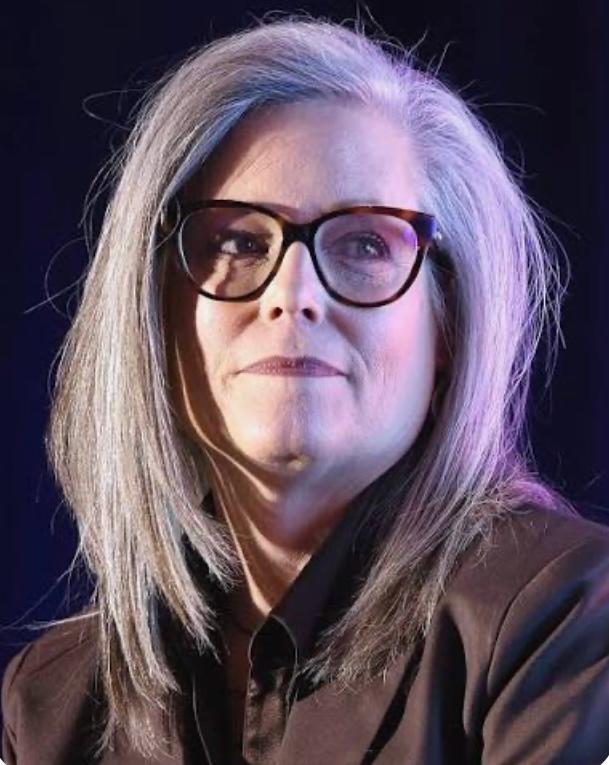
Arizona Governor Katie Hobbs is facing public criticism following allegations of an incident at the Territorial Cup, the annual post-Thanksgiving football rivalry between Arizona State University and the University of Arizona.
The accusation comes from Jarrett Barton Maupin, Jr., a local reverend and former political candidate, who says Hobbs and her security detail forced a group of Black and disabled adults and children off an elevator so she would not have to wait in line to access the executive suites at the game.
What Allegedly Happened
According to Maupin, his group had waited patiently in line for one of the elevators connecting to the executive suites. The delegation included handicap adults and disabled children, many from inner-city communities who, Maupin explained, had never attended an ASU football game before.
In a post on X and later during an interview on “The Afternoon Addiction with Garrett Lewis,” Maupin described the moment his group entered the elevator—only to be abruptly ordered to exit.
“It’s our turn to get in… about 15 people, and we all just happened to be African American, including the elevator operator,” Maupin said. “Suddenly they say, ‘You gotta get off the elevator! Clear the elevator!’ … They told us there was somebody with executive privilege.”
Maupin says his group complied and stepped off. Moments later, Governor Hobbs and her security detail boarded the elevator instead.
“Executive Privilege” — or Executive Arrogance?
Maupin emphasized that numerous high-ranking officials and candidates were present and waiting in line without incident, including members of Congress, tribal leadership, and statewide candidates. Despite their status, no one else allegedly forced civilians—especially disabled children—off an elevator.
When critics attempted to justify the incident as a security necessity, Maupin pushed back, noting that many attendees in the executive suites had security details, himself included.
“Funny thing is, a U.S. Senator and staff/security rode down after us,” Maupin said, referring to Ruben Gallego. “What she did was rude and unnecessary.”
Why This Matters
If accurate, this incident raises serious questions—not just about manners or optics, but about how power is exercised and who gets pushed aside when convenience becomes the priority.
Disabled children, handicap adults, and first-time attendees from underserved communities should never be treated as expendable obstacles—especially at a public university event meant to bring Arizonans together.
At a time when political leaders frequently speak about equity, inclusion, and respect, actions matter more than slogans. Ordering a group of disabled and Black attendees off an elevator so a governor doesn’t have to wait sends a message—whether intended or not—about who matters and who doesn’t.
The Silence Speaks
As of now, Governor Hobbs has not publicly addressed or disputed the account. The absence of clarification or accountability only fuels public concern and frustration.
Arizona voters deserve leaders who understand that public service is not about privilege—it’s about humility. And no title, office, or security detail should ever justify treating children or the disabled as second-class citizens.
If this account is accurate, it’s not just a bad look—it’s a reminder that character is revealed in the small moments, especially when no one thinks the cameras are rolling.