| | The Newsletter of Fig Tree Books | | March '26: Issue #76 --- Fredric D. Price, Founder & Publisher | |
JEWS OF DIFFERENT HUES:
10 Things You Didn’t Know About Mizrahi Jews
| | |
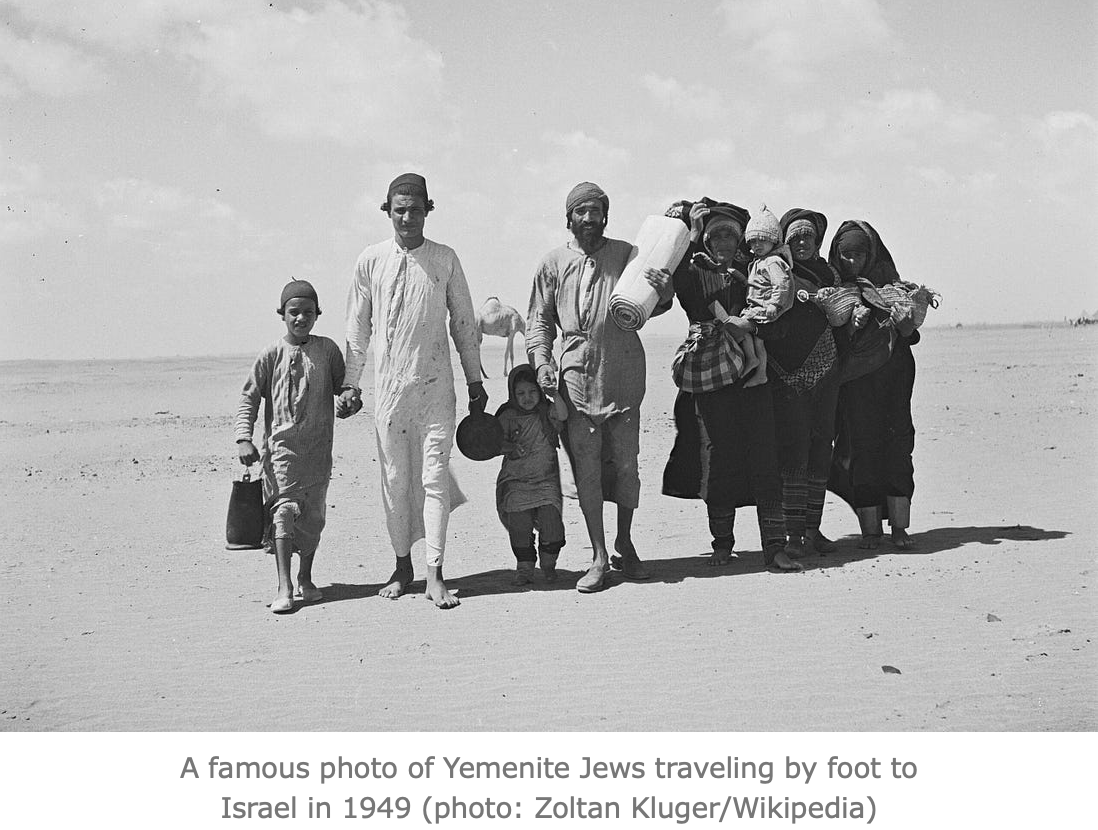
Mizrahi Heritage Month is celebrated in November to honor the history, culture, and contributions of Mizrahi Jews, who are from the Middle East and North Africa.
The month also commemorates the displacement of approximately 850,000 Jewish refugees from Arab countries and Iran after 1948, with November 30th designated as an official day of commemoration.
While Ashkenazi and Sephardic narratives often dominate Jewish history, the Mizrahi story is an equally vital thread in the Jewish tapestry — rich in culture, resilience, and faith.
In celebrating Mizrahi Heritage Month, we honor not just the survival of these communities, but their enduring vitality. Their story is not a footnote to Jewish history; it is one of its main chapters, written in the languages, melodies, and memories of the East.
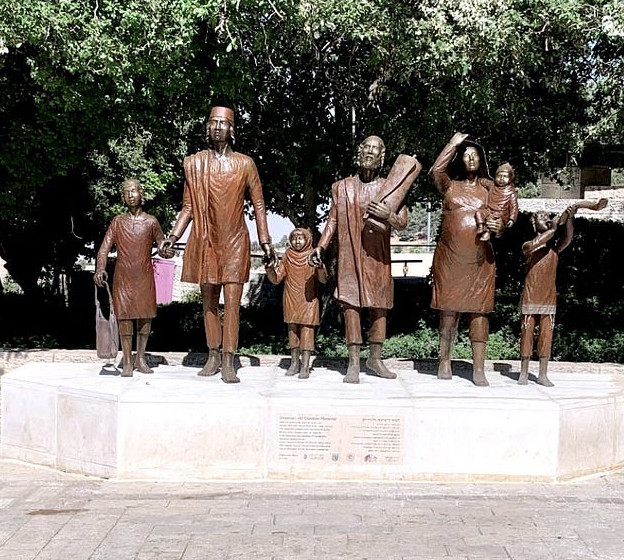
Photo: The first physical memorial for the Day to Mark the Departure and Expulsion of Jews from the Arab Countries and Iran, in Jerusalem (photo: Wikipedia)
| |
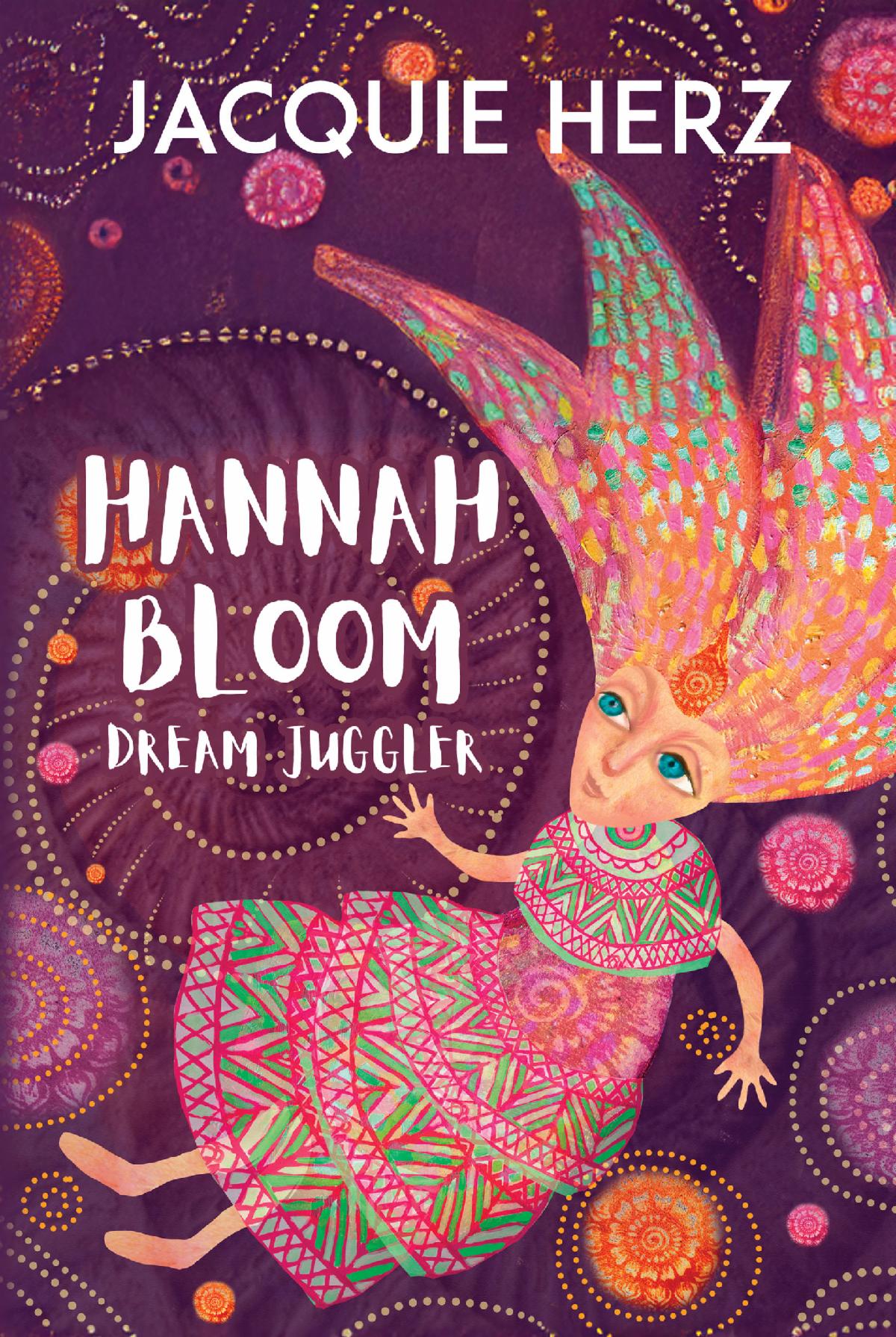
NOVEL: Hannah Bloom, by Jacquie Herz
| | |
The clock radio alarm clicks on. “. . . at first, you know, I just heard a wailing . . .” A man’s deep, lilting voice booms into the stillness of Hannah and Jake’s bedroom. “. . . and when I passed through the platform gate,” the voice continues, “I noticed a white Seagram’s liquor box sitting in a corner and there, inside it, was a baby, all swaddled up in nothing but yesterday’s Newsday. God knows for how many hours the poor creature had been there, its face beet-red from hollering its tiny head off.”
| | |
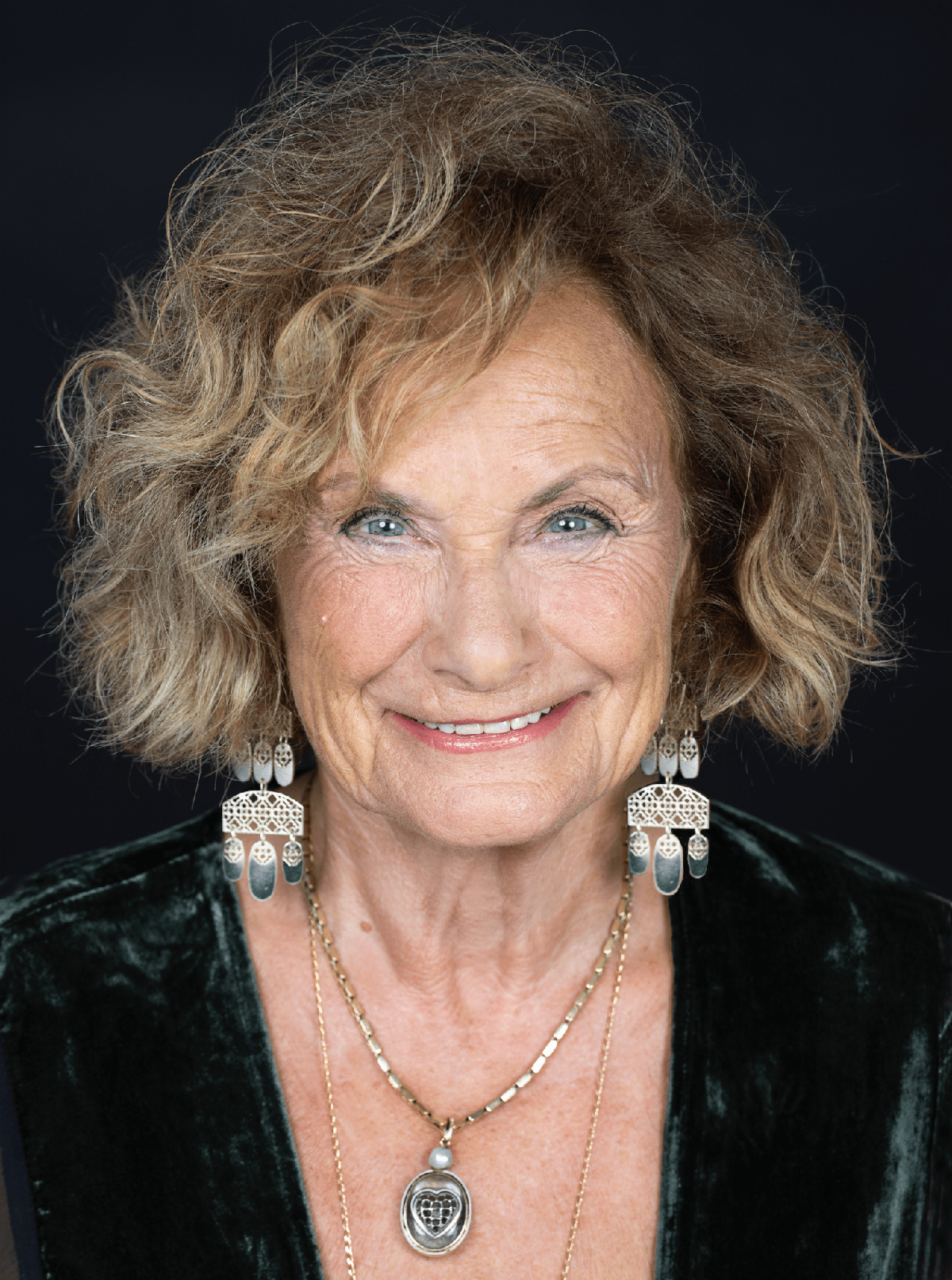
Jacquie Herz’ novel, Circumference of Silence, was published in July 2021 by Black Rose Writing and is loosely based on her family’s memories as Jews in Europe under Hitler and then their refugee experiences, first during the second world war in London, which is where she was born, and later in New York. At the age of sixteen she was finally able to come to New York to live with my mother. Because they had not lived together for eight years and letters were the only way to communicate at that time, writing became an integral and necessary part of her life. Since retiring from my duties as co-founder and president of a manufacturing company in Stamford, Connecticut, her second novel, Hannah Bloom: Dream Juggler, was published by Black Rose Writing and was released on 12/4/2025. Now, along with my husband, she callsLauderdale-by-the-Sea in Florida, home.
| |
MONTHLY BLOG: MONTHLY BLOG: The Jewish Slant is Flatlining in the Book World, by Michael Gold
| | Selling an agent on work with a Jewish slant is tough, but “not impossible,” my Jewish thesis advisor at City College told me recently, as I polished the work for her final read-through. Not exactly encouraging words. | |
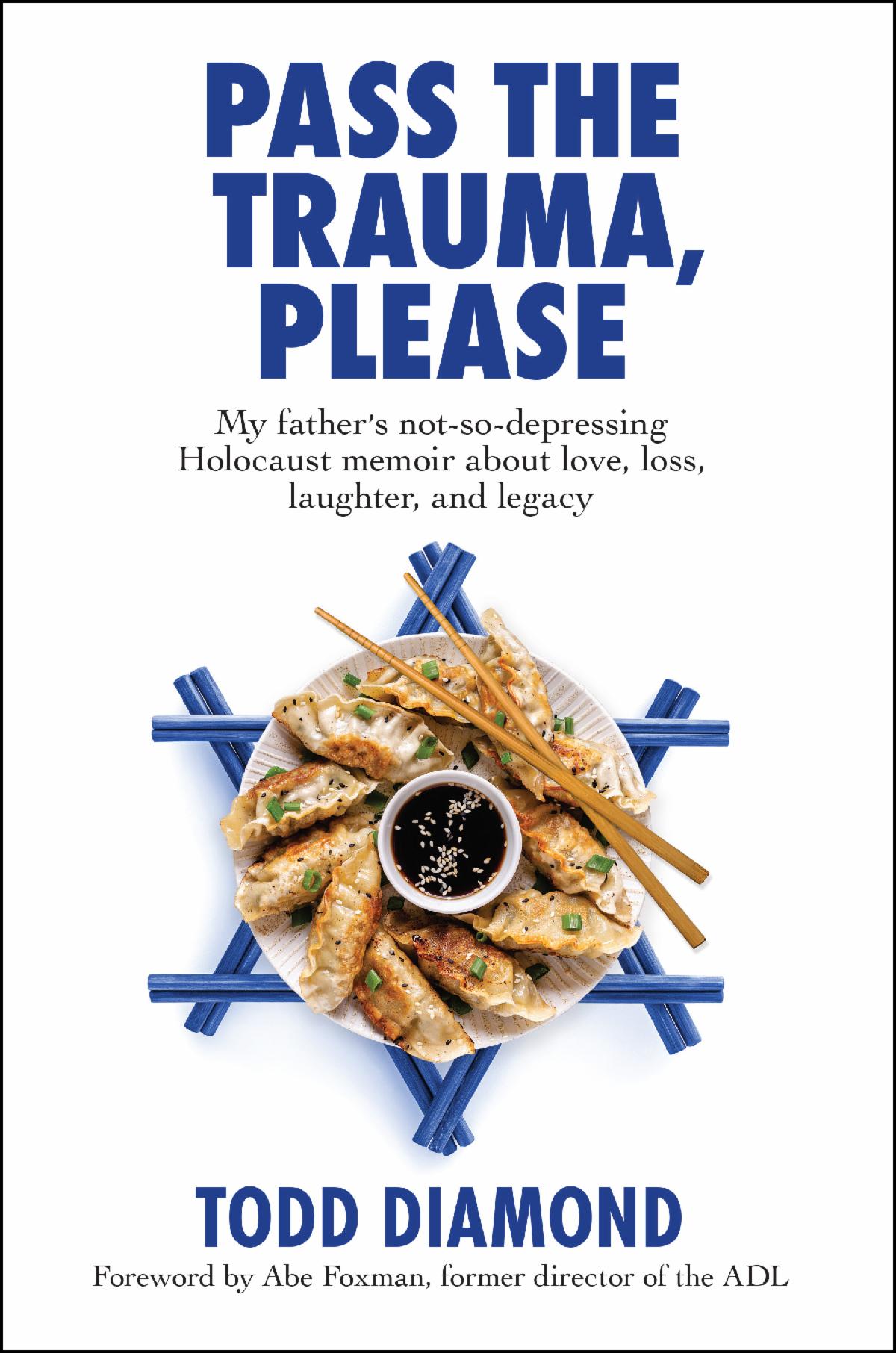
NON-FICTION BOOK: Pass the Trauma, Please,
by Todd Diamond
| | Born in Queens, New York, Todd Diamond delivers narratives that are unapologetically raw and darkly humorous––a reflection of the borough that raised him. Whether it’s sordid tales from his advertising career or stories about his family’s Holocaust experiences, he resonates with those who prefer their prose served with a healthy dose of cynicism and unsweetened insight. | |
ESSAY: The Future of American Jewry After October 7,
by Dan Senor
| | My interest in writing my new book, The Golden Age of Italian Jews: From 1848 to 1938, was spurred by the chance to delve into my own family history and relate it to the arc of Italian Jews during this period. My research began by examining where Jews stood in the mid-1800s, a time when my father’s paternal grandfather, Angelo Segrè, owned a small store in Bozzolo, a little town near Mantua. He and his wife, Egle, had four children who lived beyond infancy. Their middle son, Giuseppe, my grandfather, went into commerce and became the head of a paper mill near Rome. Their other two sons, Claudio and Gino, attended university and had notable careers, one as a geologist and the other as a law professor. Both became members of the Accademia dei Lincei, Italy’s equivalent of the British Royal Society. Their sister, Bice, married a chemistry professor at a university. | |
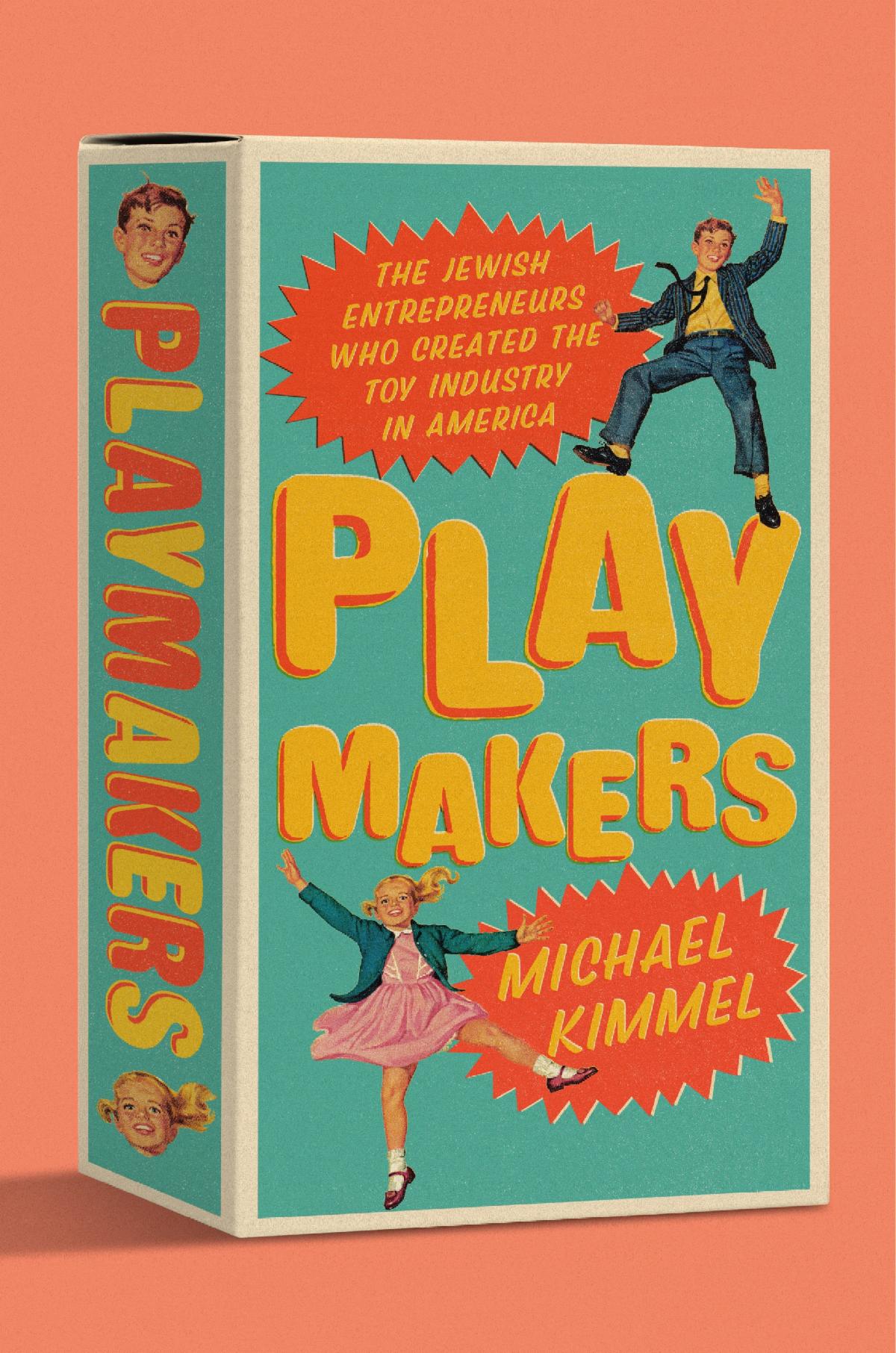
NON-FICTION BOOK: Playmakers, by Michael Kimmel
| | |
Michael Kimmel, distinguished professor emeritus of sociology, acclaimed author and great grandnephew of Ideal Toy Corporation’s founder, reveals the illuminating story behind the creation of the American toy industry in his new book, PLAYMAKERS: The Jewish Entrepreneurs Who Created The Toy Industry In America
This fascinating and entertaining new book uncovers how a group of first-generation Jewish American immigrants and their families – including the creators of Hasbro, Mattel, Lionel Trains, Superman, Batman, Eloise, the editors of Parents’ Magazine and developmental psychologists – helped transform the concept of American childhood in the 20th century. Based on extensive research, Kimmel's newest work explores how these inventors created a vision of American childhood that they never experienced themselves. From the Teddy Bear and Mr. Potato Head to the rise of Barbie and G.I. Joe, PLAYMAKERS uncovers the fascinating cultural and historical forces that shaped the toys, games, and entertainment that defined a generation.
|
| |
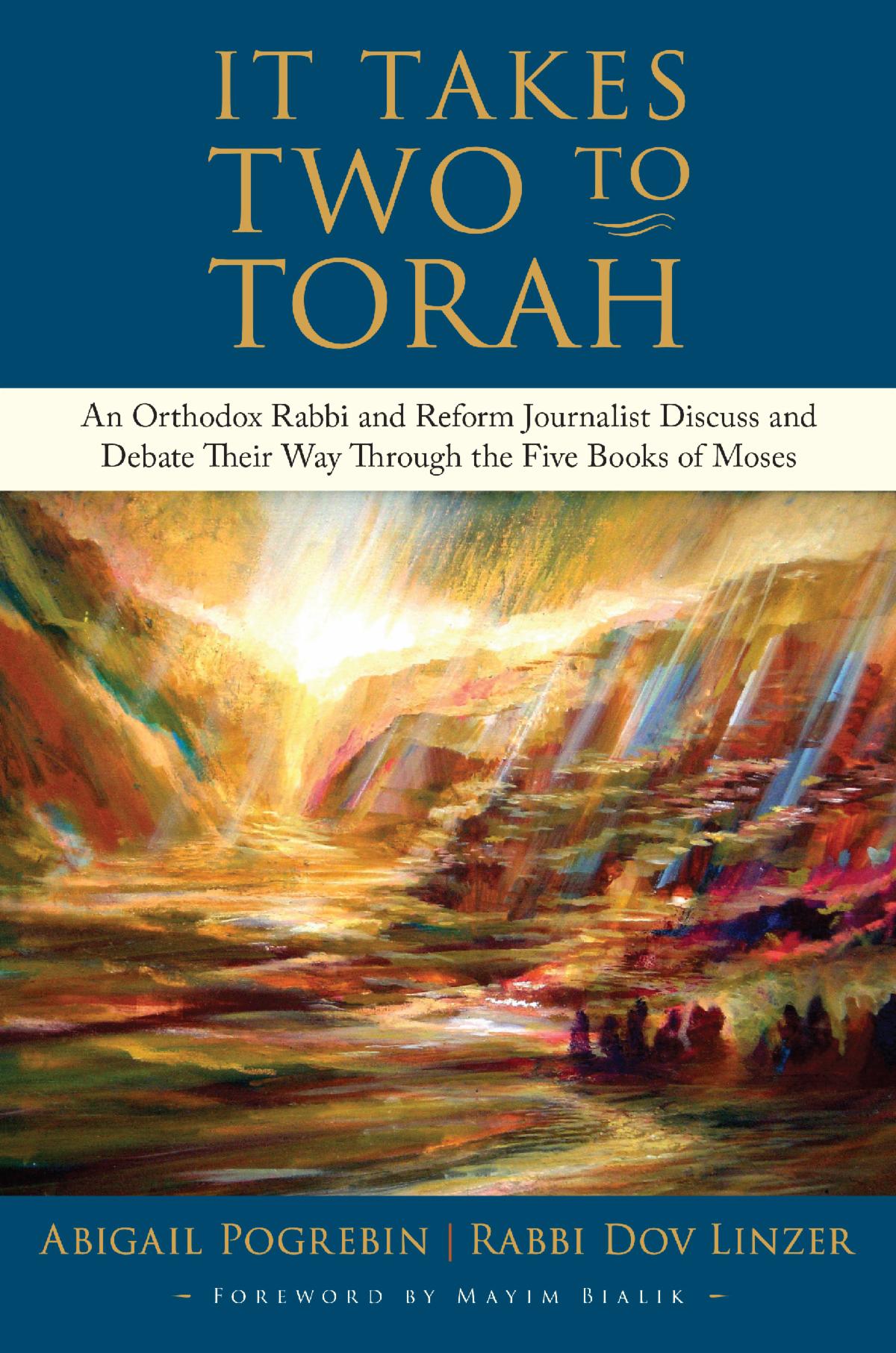
NON-FICTION BOOK: It Takes Two to Torah,
by Abigail Pogrebin and Rabbi Dov Linzer
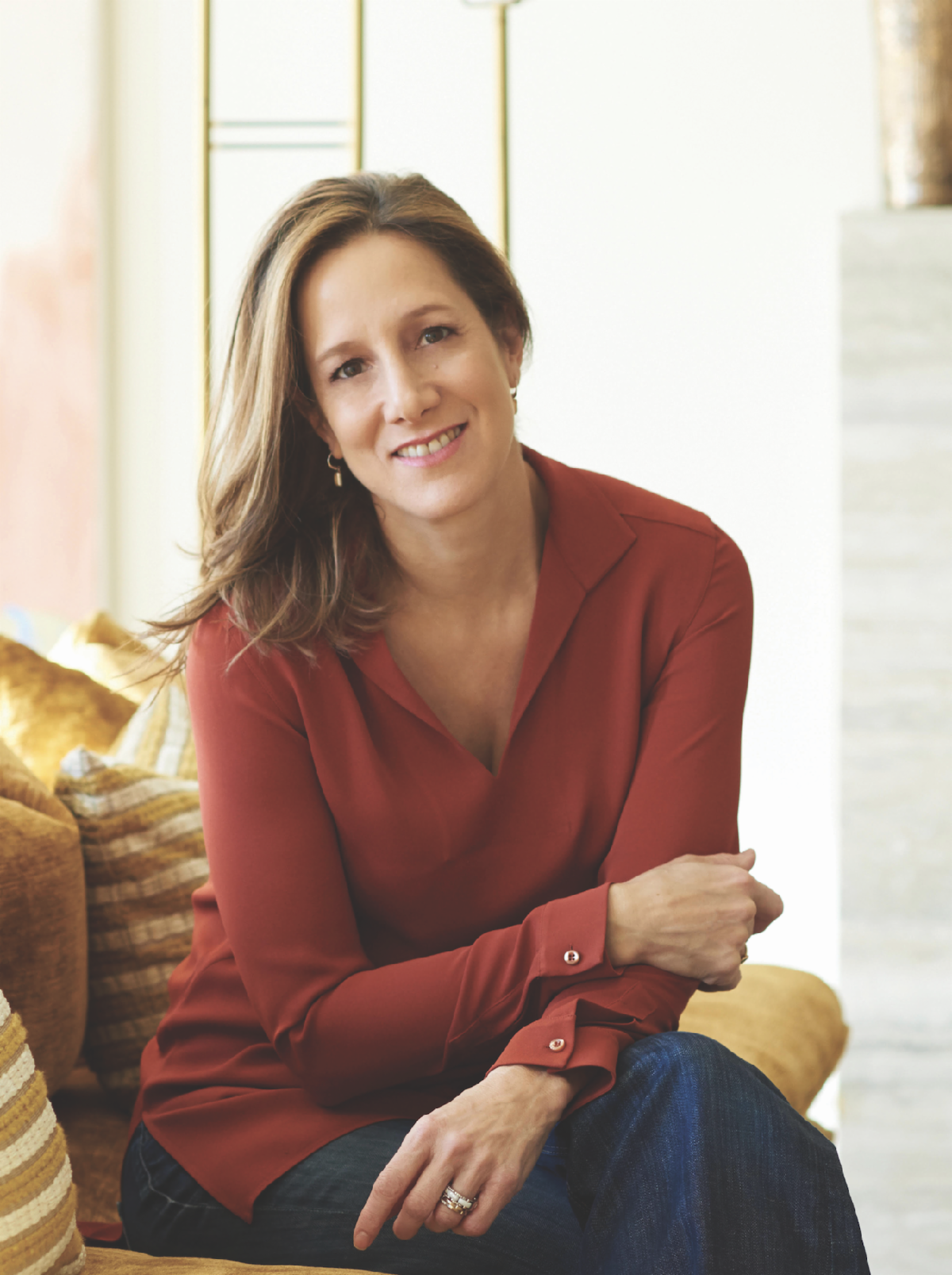
| | | This book is the product of two people literally meeting in the middle to bring us their most honest intellectual and relevant understanding of the Torah. Pogrebin and Linzer engaged in short dialogues on a podcast forTablet Magazine, and they have now been collected and edited so that the full, fascinating exploration can be found in one place. | |  | | |
SHORT STORY: The Lady Rancher and the Grad Student,
by Dorit Rabinyan
| | Editor’s note: In 1943, the Israeli writer—and eventual Nobel laureate—S.Y. Agnon published one of his best-known short stories, “The Lady and the Peddler,” a tale of a petty Jewish merchant who finds himself ensnared with a beautiful, wealthy, and menacing non-Jewish woman. The story has since become a modern classic, appealing to generations of readers and writers. It appealed to Dorit Rabinyan as well: One of Israel’s most celebrated contemporary writers, she was inspired by Agnon to imagine what a similar relationship might look like in modern-day America, a place where sex and gender and power and religion are as rife for re-examination as ever. Agnon’s Lady and the Peddler come to life in Dorit Rabinyan’s modern tale, however she offers a new ending, wholly her own—an ending offering a luminous shift in perspective that urges the reader to rethink the topics unveiled in Agnon’s classic. | | |
BLOG: With commentary and Guest Blogs on culture & current events, plus mini-reviews of books not published by Fig Tree Books
CLICK on the BLOG image to READ, REPLY to what we've written, COMPOSE something on your own about the state of literature (Jewish or otherwise), book publishing in general, culture & current events, or a specific book that you want to let others know about. And to SIGN UP, so you don't have to wait to read our blogs once a month when Fig Tree Lit is published.
| | | | |