|
|  |
A newsletter featuring the latest Silberman School of Social Work research, programs, projects, and initiatives within our community. | |
|
Keith Chan
Associate Professor
| |
Keith Chan
Associate Professor Keith Chan serves as a Co-Investigator on an award from National Institute for Minority Health and Health Disparities (NIMHD), given to the Rutgers-NYU Center for Asian Health Promotion and Equity (FY 2024: Total Center Award $2,279,825; Community Engagement Core: $369,813). Additionally, he is a Co-Investigator for the Resource Center for Alzheimer’s and Dementia Research in Asian and Pacific Americans (RCASIA), which received a total award of $706,674 from
| |
the National Institutes of Aging in FY 2024, including $200,750 allocated for the Community Liaison and Recruitment Core. Furthermore, he serves as the Principal Investigator for the NIH Loan Repayment Program/National Institute of Aging Health Disparities Research Award, with a renewal period from July 1, 2024, to June 30, 2026. | |
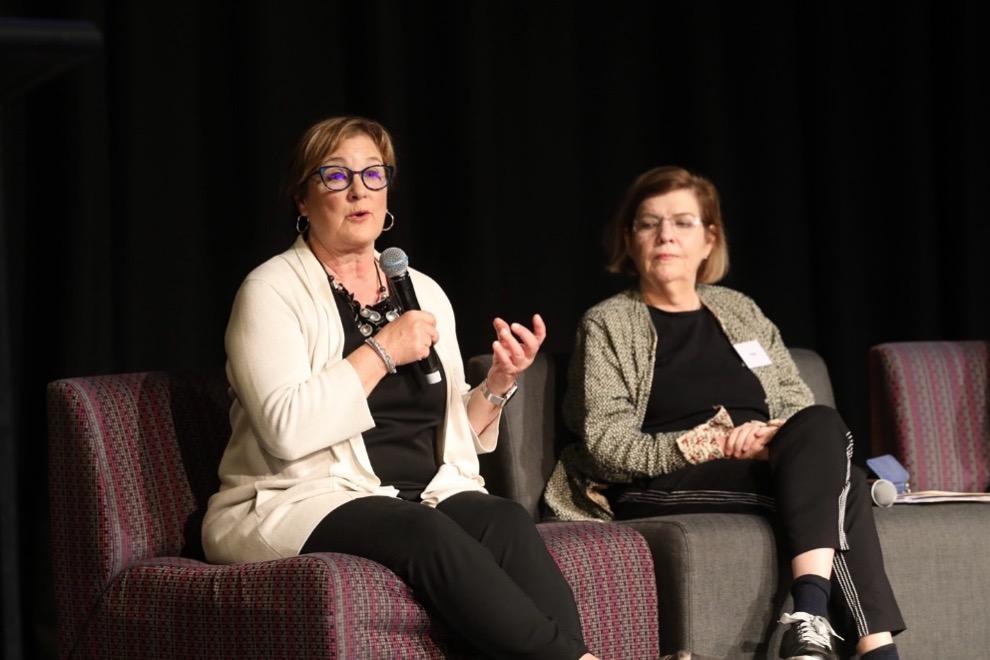
Professor Diane DePanfilis (left) with Professor and Head of School Karen Healy, University of Queensland, School of Nursing, Midwifery, and Social Work (right) | |
Diane Depanfilis
Family Connections, a program developed by Professor Diane DePanfiis, will be replicated in Australia with the not-for-profit advocacy and support program Micah Projects leading its implementation. The Pilot will adapt the US-based approach to Australian conditions, testing it with 120 families across two sites. The University of Queensland (UQ) will evaluate the Pilot to
| |
build an evidence base for future implementation. It will assess how well the Pilot meets its objectives to build family capacities, reduce the risk of child removal, and increase support systems. The Australian Government is providing $2.2 million in funding to support the Micah Projects implementation work. | |
Partnership between the Administration for Children’s Services (ACS) Office of Training and Workforce Development (OTWD) and the Silberman School of Social Work Renewed for FY25 (Professor Diane DePanfilis, Principal Investigator) | |
|
Diane DePanfilis
Principal Investigator & Senior Associate Dean for Research & Professor
| |
|
Two major initiatives focused on transfer of learning and leadership development have been renewed for another year.
The first, Supporting Knowledge into Practice (SKIP), was awarded $4,987,503 for fiscal year 2025. The initiative involves coaches working within the Division of Child Protection (DCP) borough offices and the Division of Youth and Family Justice (DYFJ) to support supervisors using coaching in their supervision of direct service staff. Along with providing individual and group coaching, the initiative delivers three interventions to new child protection specialists in each of the five boroughs: Safety Focused Coaching Labs, Motivational Interviewing Labs, and Practice Instructor support, and supports supervisors, managers, and child protection specialists to transfer learning from these key OTWD learning programs.
| |
In addition, a third component of the initiative involves Hunter practice instructors working with newly hired Child Protective Specialists to transition to their borough offices, support their transfer of learning, and serve as a bridge from the classroom to the real world. Evaluation of the initiative focuses on collecting, analyzing, and reporting changes in pre-post knowledge and the confidence, commitment, and transfer of knowledge to practice by ACS participants. Evaluation team members have presented results at the Society for Social Work and Research national conferences and the Human Services Workforce Development Evaluation Symposium. | |
|
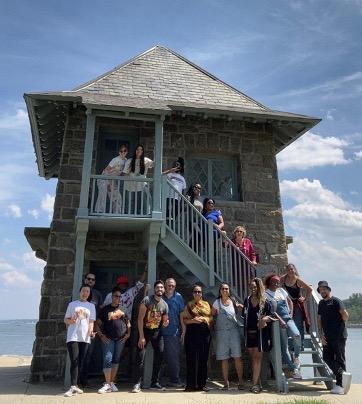
Members of the Silberman Team at a Strategic Planning Retreat.
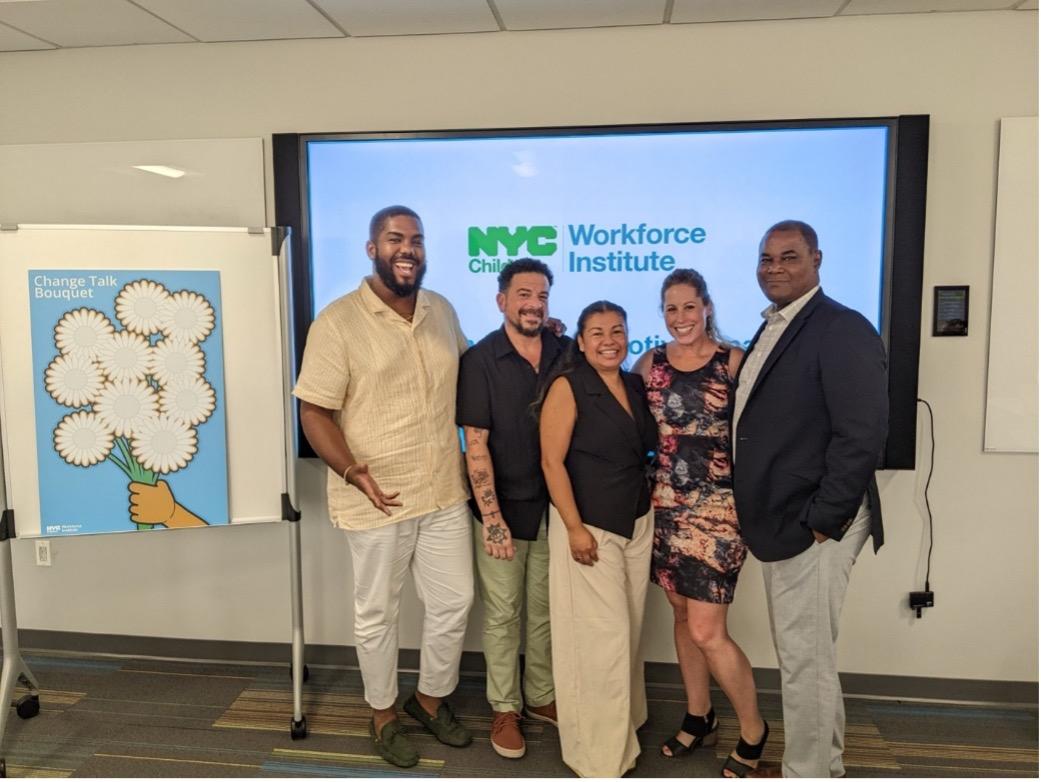
SKIP Coaches After Implementing a Motivational Interviewing Practice Lab
| | |
|
The second funded initiative supports a partnership to implement and evaluate programs provided by the Institute for Leadership Development (ILD). A total of $2,198,726 was approved for fiscal year 2025. Two ILD programs continue from last fiscal year: (1) executive coaching; and (2) the Leading and Exploring through Accountability and Development (LEAD) 11-month development program. | |
LEAD is a transformative program that recognizes the power of collective intelligence in driving change. By tapping into the experience of child welfare and youth justice leaders, this evidence-informed training builds on existing leadership knowledge and skills through a structured framework of competencies. Coaching is integrated in the implementation of LEAD and participants develop and implement system change projects in collaboration with community partners. Evaluation involves assessing change over time in core leadership competencies and commitment and transfer of leadership skills in their everyday work. | |
|
Mayra Lopez-Humphreys
Associate Professor
| |
Associate Professor Mayra Lopez-Humphreys
Professor Mayra Lopez-Humphreys is the Principal Investigator of The Homeless Services Training Resource System (HSTRS), funded by the New York State Office of Temporary and Disability Assistance (OTDA). As a result of the HSTRS team’s success in training NYC employees in 2023, the funding was expanded from $500,000 to $1,000,000 in January 2024, making the HSTRS responsible for training all NY state employees working in homeless shelters.
| |
In 2024, Professor Mayra Lopez-Humphreys also served as the principal investigator in an academic-community partnership with Exodus Community Transitional Center, an East Harlem non-profit, on a research project funded by the Department of Justice that examines peer-mentoring interventions with justice-involved youth and adults. | |
|
Invited Member, National Advisory Panel, Oregon Center of Excellence in Behavioral Health and Aging
Invited Member as Health Equity Clinician, National Committee for Quality Assurance (NCQA), Person-Centered Outcome Measures Panel
| |
|
Invited Advisory Board Member, National Initiative for Trauma Education and Workforce Development (NITEWD), National Child Traumatic Stress Network
Invited 2024 Conference Chair, Society for Implementation Research Collaboration (SIRC)
| |
|
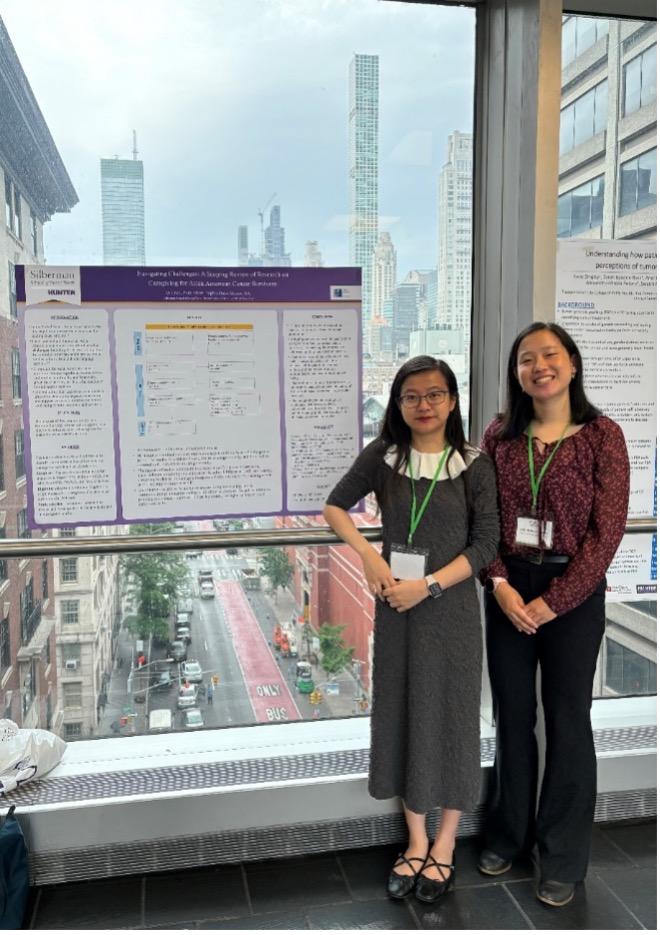
Assistant Professor Qi Chen, with our first-year MSW student Sophia Duke-Mosier, presented “Navigating Challenges: A Scoping Review of Research on Caregiving for Asian American Cancer Survivors” in May 2024 at 6th Annual SPEECH Regional Cancer Health Disparity Conference.
The presentation highlighted their research on the psychosocial outcomes and experiences of Asian American cancer caregivers, highlighting the unique challenges they face, including unclear caregiving tasks and roles, cultural differences, and managing interpersonal relationships.
| |
|
Qi Chen, Assistant Professor (left)
Sophia Duke-Mosier, MSW Student (right)
| |
Adam Brown, Assistant Professor | |
|
Assistant Professor Adam Brown delivered two presentations:
Brown, A. (July 15, 2024). Utility of Sexual Crime Typologies of Youth Who Sexually Harm. Presentation at the annual Violence Prevention Research Conference, Portsmouth, NH.
Brown, A. (June 25, 2024). Typologies and Forensic Social Work among Youth with Problem Sexual Behavior. Presentation at the annual conference for the National Organization of Forensic Social Work, New Orleans, LA.
| |
International Conferences / Convenings | |
Three Silberman faculty present at ISPCAN – International Society for the Prevention of Child Abuse and Neglect in Uppsala, Sweden – August 19-August 21, 2024 | |
|
Diane DePanfilis Senior Associate
Dean for Research & Professor
| |
|
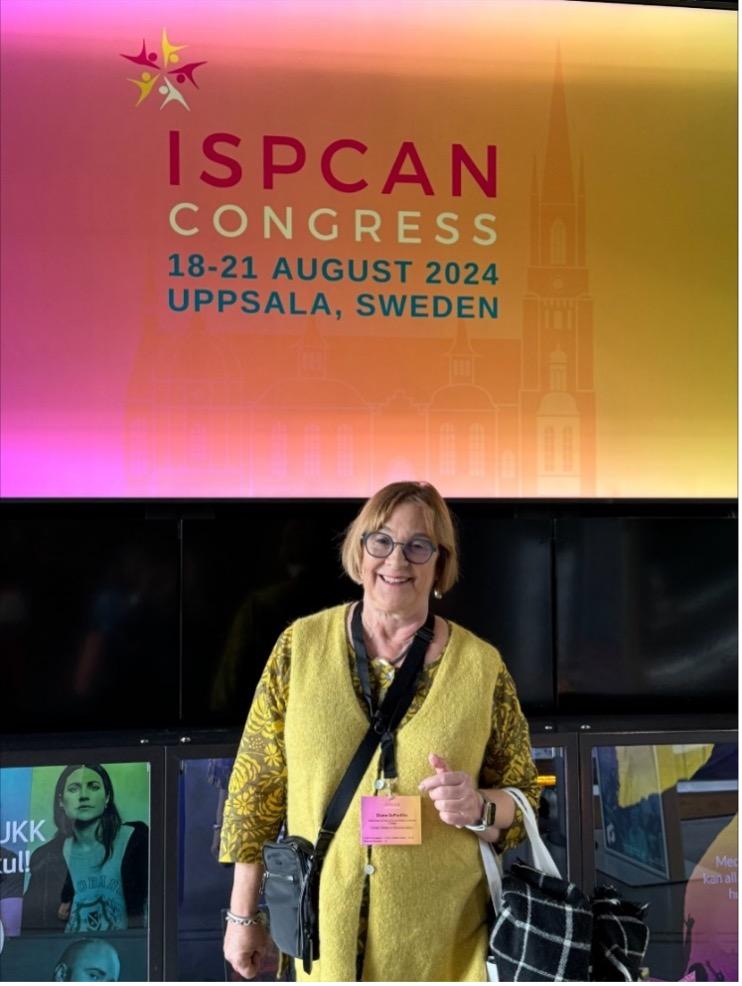
Professor Diane DePanfilis’ presentation discussed the Implementation of a Family Support Framework to Prevent Child Maltreatment.
The presentation highlighted the complexities of applying evidence-informed child maltreatment prevention strategies in real-world settings, given that controlled research environments may not fully capture the challenges faced in practice, and the 10-year implementation by a major metropolitan public-private child welfare system in the U.S. of a preventive intervention that tailors evidence-based practices to the unique needs of communities.
| |
The program's core activities include standardized assessments, SMART goal-driven service plans, and regular evaluations, all designed to address families' specific risk and protective factors. Success hinges on collaborative teams, capacity-building, and fidelity assessment, though challenges like staff turnover and resistance to change persist. Evaluation results show that programs implemented with higher fidelity achieve better outcomes in child safety and behavior. | |
|
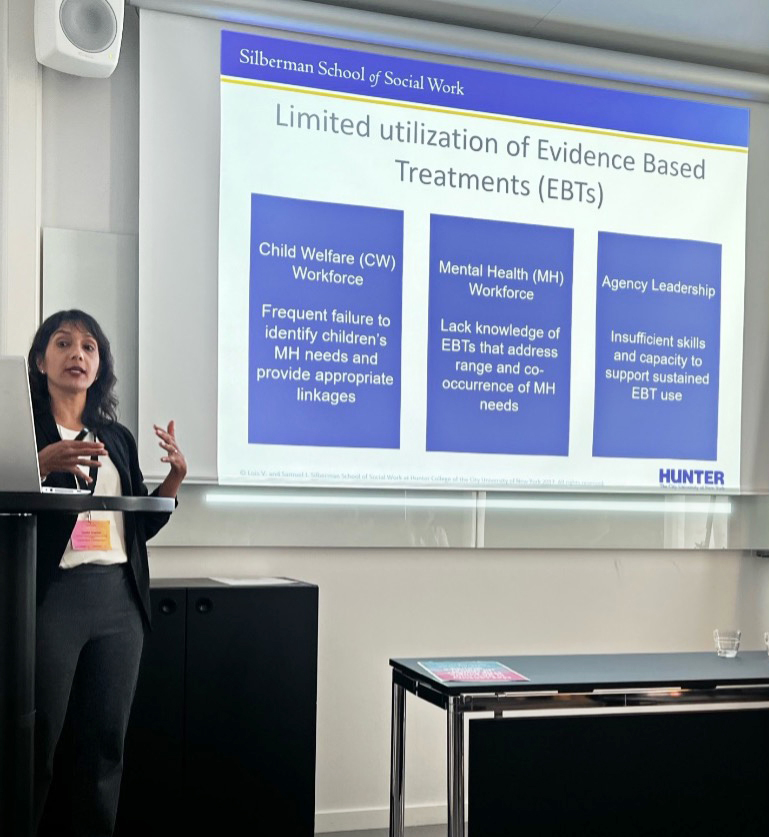
Associate Professor Geetha Gopalan, in collaboration with S. Kerns, M. J., Horen and J. Lowe, presented on Provider perspectives of an Inter-Agency Initiative Between Child Welfare and Mental Health Systems Focused on Integrating Evidence-Based Mental Health Treatment into Practice-as-usual.
The presentation highlighted the Partnering for Success (PfS) inter-agency initiative that was implemented in the U.S. to ensure children involved in child welfare (CW) services received effective mental health (MH) treatments.
| |
Geetha Gopalan, Associate Professor | |
Strategies included use of standardized assessments to screen children for MH concerns, facilitate referrals to MH treatment, and track MH treatment progress. MH providers were trained to utilize CBT+, which combined common elements of evidence-based cognitive-behavioral treatments to target the common MH disorders (i.e., anxiety, behavioral difficulties, depression, traumatic stress). A web-based MH treatment and symptom monitoring systems, consultation with PfS staff, joint training with CW and MH staff, regular inter-agency team meetings, and post-training transfer activities further supported the PfS model. The qualitative study presented the perspectives of CW and MH frontline, supervisory, and administrative staff regarding the perceived benefits and challenges to implementing the PfS initiative. | |
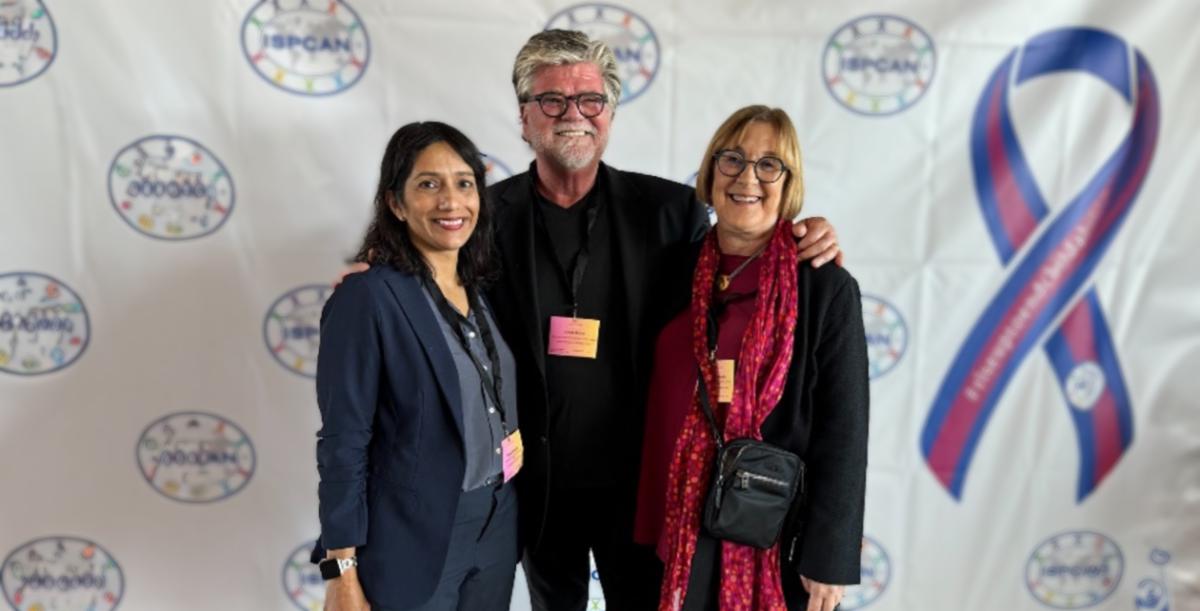
Gary Mallon, Julia Lathrop Professor of Child Welfare (left) | |
|
Professor Gary Mallon, together with international colleagues J. Schaub (UK), W.J. Stander (UK), M. López López (the Netherlands), and L.A. Parra (USA), participated in a symposium on Intersectional Experiences of Discrimination among LGBTQIA+ Youths in the Child Welfare System.
The symposium discussed the high incidences of prejudice, discrimination, and violence at the intersections of sexual orientation, gender identity and
| |
expression (SOGIE), and race and ethnicity experiences of lesbian, gay, bisexual, transgender, queer, intersex, asexual, and other sexualities (LGBTQIA+) youths (Goldbach & Gibbs, 2017). These intersectional experiences of prejudice, discrimination, and violence are known to result in severe, and often chronic, mental health challenges among LGBTQIA+ youth (Paul & Monahan, 2019). The goal of the symposium was to explore how prejudice, discrimination, and violence specific to sexual orientation, gender identify, race and ethnicity, and foster care status intersect and relate to mental health challenges. Professor Mallon opened the symposium with an introduction to the experiences of LGBTQIA+ youth in care with a focus on several studies conducted in the US and abroad. | |
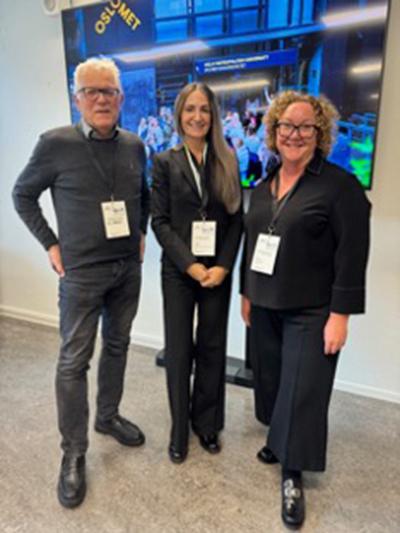
Professor Marina Lalayants presented two papers at the 3rd International Childlife Conference: Children and Young People in Everyday Life and Professional Practices at Oslo Metropolitan University in Norway. | |
From left to right: Professors Tor Slettebø (VID College University in Oslo, Norway), Marina Lalayants (SSSW), and Jeri Damman (University of Sussex, UK) | |
|
Professor Marina Lalayants presented two papers at the 3rd International Childlife Conference: Children and Young People in Everyday Life and Professional Practices at Oslo Metropolitan University in Norway.
Lalayants, M. (2024). Supporting and empowering families in the child welfare system through parent advocacy.
This presentation discussed the findings of a large-scale mixed-method study that examined the effects of a parent advocacy initiative on family outcomes in NYC child protective services. The initiative demonstrated positive outcomes of parent advocacy such as fewer child removals, reduced foster care placements, and increased placements with relatives, while maintaining stable rates of repeat maltreatment. These findings indicate that parent advocacy represents a significant advancement toward a more equitable child welfare practice.
| |
|
Damman, J., & Lalayants, M. (2024). Multidimensional supports in parent advocacy programs: A scoping review to reconceptualize child welfare peer support.
In collaboration with a colleague from Sussex University in the UK, Professor Lalayants shared their scoping review findings examining parent peer advocacy programs, in which parents with lived experience in child protection services support those currently involved in the system. Through the systematic review of 25 years of empirical literature, the study identified 20 studies across 13 programs, revealing a diverse range of supports. A multidimensional framework categorizing fourteen support domains was presented, emphasizing the unique contributions of lived experience. The findings highlighted how these innovative approaches could enhance the well-being of children and families in the child welfare system.
| |
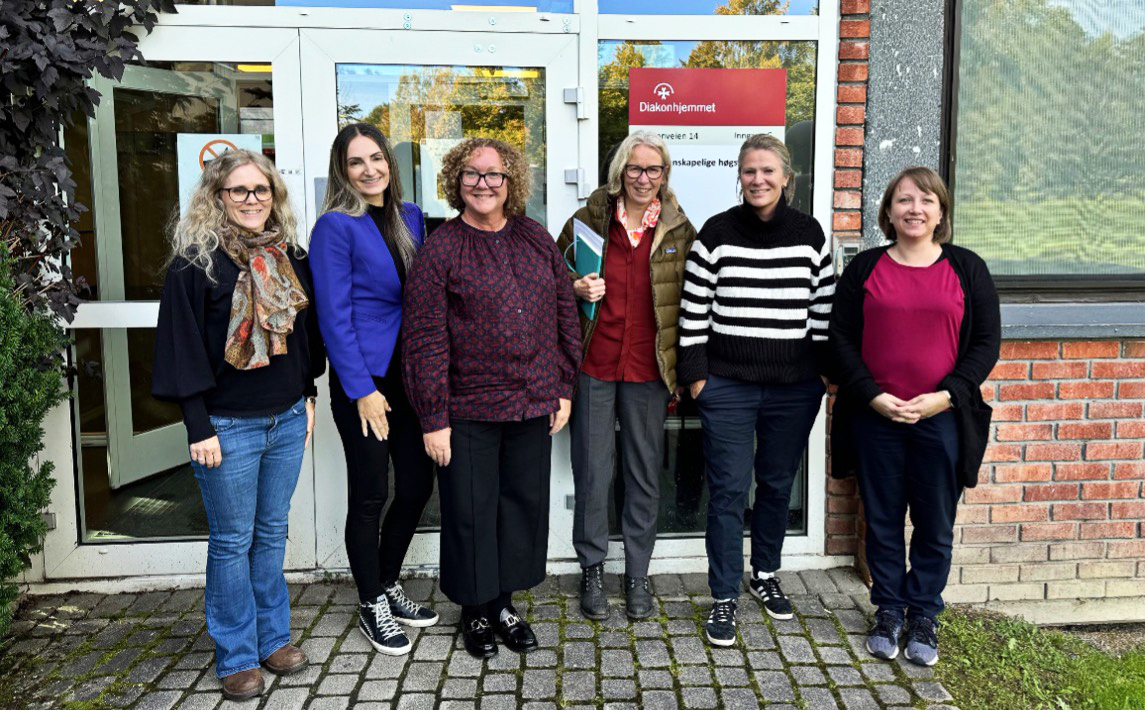
Professor Marina Lalayants participated in a workshop on Current Issues in Child Protection at VID University College in Oslo, Norway | |
Professor Marina Lalayants, along with colleagues from the UK, Norway, and Denmark participated in a dynamic workshop at the School of Social Work, VID University College in Oslo, Norway. The focus of the workshop was bringing researchers and faculty together to discuss current issues in child welfare in their respective countries, such as family and child participation, co-parenting, reunification practices, parent advocacy, and efforts to meaningfully engage and support families affected by the child welfare system. This collaborative session facilitated a rich exchange of ideas and practices, enabling participants to identify shared challenges and unique strategies in each of their approaches. Additionally, the group explored and developed potential pathways for future cross-country collaborations. | |
Assistant Professor Liat Shklarski Visited Israel | |
Liat Shklarski, Assistant Professor | |
Assistant Professor Liat Shklarski visited Israel in July 2024 with the purpose of strengthening and expanding collaborative research efforts, particularly with the Faculty of Social Welfare and Health Sciences at the University of Haifa. She held multiple meetings with key faculty members, discussing ongoing research projects, potentially working on new proposals, and exploring ways to improve nursing practices and social work. Dr. Shklarski also provided guidance to a doctoral student and engaged in discussions about women's health with a faculty member. | |
Though a scheduled lecture was canceled, the visit was deemed a success, furthering research on compassion fatigue among Israeli mental health providers and laying the groundwork for future collaborations between Hunter College and Israeli universities. | |
Recent Notable Publications | |
 | This study highlighted the unique elements of the role played by parent advocates (PAs) with lived child welfare experience in supporting families affected by the child welfare system. These elements set PAs apart from other professionals and included non-professionalized peer support, experiential expertise, a strong sense of identification, authenticity, legitimized empathy and understanding, and critical consciousness. The implications of this study emphasize the importance of PAs in engaging stigmatized and marginalized parents. PA experiential expertise, coupled with training in child welfare policies, positioned them as trusted sources of information and system navigators for parents. Shared experiences and cultural backgrounds helped create a strong bond and a sense of relatability. Through their authentic and legitimized empathy and understanding, PAs provided reassurance and fostered a sense of validation and acceptance. Finally, PAs exhibited critical consciousness, challenging power dynamics and inequalities within the child welfare system. Through empowerment and advocacy, PAs helped amplify parents’ voices, countering stigma, discrimination, and bias. These unique elements of PA role can be invaluable and transformative to child welfare agencies. Integrating the voices of parent advocates could lead to a better understanding of the challenges families face and improve the child welfare system and services. As a growing workforce in the field of child welfare, efforts to build, nurture, and advance the PA role are needed. Balancing between professionalization and maintaining the unique characteristics and authenticity of PA role is a critical consideration for the future of parent peer support in child welfare. | |
 | This viewpoint paper highlights the overlooked burdens faced by caregivers of rectal cancer survivors. After successful cancer treatment, the responsibility of managing complex post-treatment care often falls on caregivers, who are typically untrained in healthcare. This includes handling bowel function difficulties, ostomy care, and providing emotional, tangible, and financial support. The rise in young-onset rectal cancer has further increased caregiver responsibilities, with additional challenges such as family planning and helping survivors return to work. This pilot study revealed that both survivors and caregivers experience poor communication with healthcare providers and a lack of psychosocial support. To address these issues, the paper calls for improved patient/caregiver-centered communication, involvement of caregivers in survivorship care plans, provision of psychosocial support, and collaboration with multidisciplinary teams. The ultimate goal is to recognize and support the essential role caregivers play, ensuring their needs are met to improve overall outcomes for both patients and caregivers. | |
 | |
This study examined the relationship between social support sources and heavy drinking among sexual and gender minority young adults experiencing homelessness (SGM-YAEH). Heavy drinking, defined as consuming five or more drinks in one sitting, is a significant issue among SGM-YAEH, who face disproportionate risks of homelessness and substance abuse. The study, based on the risk amplification and abatement model (RAAM), aimed to explore how different support sources, such as peers, influence drinking behaviors. A purposive sample of 425 SGM-YAEH from seven major U.S. cities participated in a survey on their drinking behaviors and social networks, with logistic regression models identifying the social support sources associated with heavy drinking.
The findings revealed that over 40% of the participants had engaged in heavy drinking in the past 30 days. Notably, support from both street-based and home-based peers was positively associated with an increased risk of heavy drinking. These results suggest that social support, rather than acting as a protective factor, may exacerbate drinking behaviors in this population. The study highlights the importance of developing alcohol use interventions that emphasize affirming and trauma-informed approaches to foster healthier, protective social ties among SGM-YAEH, potentially helping reduce alcohol use disparities.
| |
Gender-Affirming Care Providers (GACPs) for children and adolescents function within an intricate socio-political landscape that necessitates navigating legislative restrictions, institutional betrayals, and overarching societal prejudices. This manuscript presents a conceptual model that captures the multifaceted factors inducing moral distress among these professionals, including social workers, counselors, nurses, and physicians. Employing a system dynamics lens, our model delineates the complex interplay of legislative, societal, and institutional pressures with individual experiences, coping mechanisms, and resilience-building endeavors. While underscoring the pronounced challenges confronting pediatric GACPs—ranging from societal oversight to the long-term implications of decisions made during adolescence—we also highlight the pivotal role of identity concordance in enhancing patient-provider interactions. Shared identities between transgender and gender-diverse patients and providers can act as catalysts for fostering trust, bridging communication gaps, and serving as affirming representations of societal acceptance and success. Based on these insights, we offer robust recommendations including comprehensive institutional training, technological safeguards against online harassment, community alliances for multifaceted support, and intensified nationwide advocacy campaigns emphasizing the evidence-based nature of gender-affirming care. Through this comprehensive exploration, our aim extends beyond merely outlining challenges; we spotlight potent avenues for intervention, positive change, and reinforced support structures for GACPs. In sum, this paper contributes a profound understanding of the dynamics influencing GACPs, offering a clarion call for proactive measures to support these professionals and their patients in today's challenging socio-political environment. | |
 | Using data from the California Youth Transitions to Adulthood Study (n=727), the paper aims to identify and understand the characteristics of Transition Age Youth (TAY) who are at risk of suicidal ideation and attempts. The study tracks rates of suicidal thoughts and behaviors across four interview waves at ages 17, 19, 21, and 23, while analyzing factors such as sociodemographic differences, past maltreatment, and behavioral health disorders. Findings show that at age 17, 42% of participants had considered suicide and 24% had attempted it, with sexual minority youth and those with specific mental health and substance use disorders being at higher risk. The research highlights that youth with maltreatment experiences, psychiatric conditions like depression, anxiety, or PTSD, and substance use issues are particularly vulnerable to suicidal behavior. Comorbid psychiatric and substance use disorders were consistently associated with elevated risk. The study underscores the need for routine screening for suicidal behavior among TAY in child welfare systems and advocates for consistent mental health assessments and targeted interventions to support these high-risk groups. Further research is called for to explore the underlying mechanisms driving the link between certain characteristics and suicidal behavior in TAY. | |
This study examined the benefits of an intergenerational home-based service learning program to reduce psychological distress for homebound older adults. Multivariate regression analyses were conducted with a sample of 182 to examine the association of length of service from the program and presence of caregivers with psychological distress. Findings indicated length of service (β = -0.15, p < .05) and having a child as a caregiver (β = -0.14, p < .05) were associated with a reduction in psychological distress. Policies and practice can support a pipeline of geriatric health professionals through innovative service-learning models to benefit older adults, caregivers, and students. | |
This book: (1) Examines frameworks and perspectives in addressing anti-Asian racism through efforts from social workers, filling a critical gap in scholarship for the profession. (2) Includes contributors who comprise of seminal social work scholars, activists, and educators with expertise in the impact of anti-Asian racism on intersections of marginalized identities, and covers a range of evidence-based approaches across social work micro, mezzo, and macro-based practices. (3) Provides an examination of the causes and impacts of anti-Asian racism throughout history to the present, and offers innovative, multilevel action-oriented solutions for social work practitioners, educators and advocates to combat anti-Asian racism. | |
This study examined Korean Americans' views on pan-Asian solidarity and alliances with Black communities as strategies to fight anti-Asian hate during the COVID-19 pandemic. Using thematic analysis, the authors analyzed interview data from 60 Korean Americans in the New York metropolitan area. Participants expressed diverse views on pan-Asian and Black alliances, which were categorized into four approaches: (1) Individualistic, (2) Korean-only solidarity, (3) Pan-Asian solidarity excluding Black allies, and (4) Pan-Asian solidarity including Black allies. Opinions also varied on the causes of anti-Asian hate, racial discrimination, and connections with Chinese and Black communities. Understanding the internal dynamics and specific contexts influencing Korean Americans' acceptance of solidarity is vital to addressing barriers and fostering collaboration in combating anti-Asian hate. | |
 | The recruitment and retention of capable foster parents for teenagers in care are significant challenges in child welfare agencies, with high turnover rates exacerbated by the complexities of caring for adolescents with demanding needs. These teens often display behaviors that foster parents misinterpret as resistance, leading to a disruption in placement during a crucial developmental stage. Furthermore, traditional foster care models usually prioritize the teens' needs with external services, neglecting adequate support for foster parents. To better support teens in foster care, The Children’s Village, supported by the Conrad N. Hilton Foundation, launched the FaST (Families Supporting Teens) program. This initiative aims to enhance foster teen success rates and provide a nationally scalable model. Building on a previous three-year study, the National Center for Child Welfare Excellence at Silberman School of Social Work, Hunter College-City University of New York conducted a year-long mixed-method evaluation investigating the experiences of 54 foster parents caring for 57 youths. Findings highlight the importance of dedicated support for foster parents, including responsive communication and efficient care coordination, which contributed to more stable home environments for the family and fewer work absences for the parents. In addition, comprehensive training provided by FaST helped foster parents recognize the unique needs of teens in foster care, including the impact of past maltreatment. The evaluation underscores the necessity for child welfare agencies to invest in training programs that enhance relationships between foster parents, caseworkers, and agencies, increasing foster parent confidence and leading to more effective foster care. | |
Perinatal depression (PND) is often underdiagnosed in clinical settings, and this study examines how obstetricians and other primary care providers (pediatricians, nurse practitioners, and physician assistants) detect and support women with PND. Data from healthcare providers revealed significant differences in their approaches. Obstetricians were more likely to ask about the mother’s social support and address visible signs of distress, while other providers were more likely to refer patients to mental health services, provide PND information, and use screening tools like the Edinburgh Postnatal Depression Scale. Obstetricians had higher rates of identifying key PND symptoms, such as excessive crying and feelings of failure. Despite some effective practices, gaps in screening exist, highlighting the need for further training and a combination of interviews and standardized tools to improve PND detection and care. | |
Professor Samuel Aymer co-edited this special section of the Clinical Social Work Journal with the goal to spark a productive dialogue among clinical practitioners, academics, higher education administrators, clinical researchers, executive directors of human service organizations, and professional membership organizations about the role, purpose, and function of clinical social work in examining the impact of race, racism, discrimination, and social injustices on the psychodynamic and psychosocial functioning of Black and Hispanic populations and other diverse client groups. | |
This technical report summarizes findings from an evaluation study of Unconditional cash transfers (UCTs) introduced by Forestdale, Inc., a family service agency in Queens, New York. Key findings from a qualitative study showed that the funds notably improved family wellbeing by allowing parents more time for effective parenting and reducing stress. Families reported better nutrition, increased family bonding, and a heightened sense of control and community. | |
 | While existing literature documents the low compensation of nonprofit human services workers, it is not well understood how managers of these organizations perceive and respond to the problem. Adopting resource dependency and competing institutional logics perspectives, this study choses the New York nonprofit child welfare sector—a heavily government‐funded field—as a collective case to study these issues. Based on interviews with 17 leaders of the primary NY nonprofit child welfare agencies, the study found that these agencies' employee compensation was primarily constrained by government contracts, and they were torn by conflicting institutional logics from the state, the labor market, private funders, and unions. With the “great resignation” atmosphere and increased cost of living intensified by the COVID‐19 pandemic, agencies were under tremendous pressure to raise worker pay. However, programs chronically underfunded by the government were incapable of providing competitive wages and were experiencing high staff turnover and vacancies. Agency leaders agreed on the need to push the government to pay programs adequately but disagreed about advocacy goals and messaging. Most leaders had reservations about aggressive collective bargaining measures such as “going on strike.” These common but attenuated labor dynamics, related managerial responses, and implications for the future of the sector are discussed, particularly in response to competing institutional pressures. | |
 | This study explores the potential of unions as a solution for addressing chronic low compensation in government-funded nonprofit human services organizations. We used the primary child welfare agencies in New York as a collective case to study nonprofit management’s views on the role labor unions can play in addressing these issues. Our in-depth interviews with 15 nonprofit leaders reveal several findings: 1) Existing unions were relatively weak and had achieved limited gains for workers, which in turn demotivated workers to unionize; and 2) Most leaders doubted that unions can help in this matter because government, as opposed to nonprofits, controls prices. Some leaders, however, expressed a belief that a larger-scale worker unionization could provide nonprofit management with more leverage to ensure the government pays adequate contracts. We also discuss the theoretical and practical implications of the role unions can play in helping improve worker compensation in nonprofit-union-government funder triangular relationships. | |
The Transitional Hotel Project (THP) was launched during the COVID-19 pandemic to provide noncongregate emergency housing and comprehensive support for adults transitioning from incarceration. This study examines the recovery needs of returning citizens in the THP, focusing on housing stability, mental health, employment, and social relationships, using a mixed-methods approach that included case management data and participant interviews. Thematic analysis identified three key themes: safety (both physical and psychological), mutual empathy, and person-centered decision-making. Findings indicate that the safety and support from peer mentors significantly contributed to positive outcomes for participants, enhancing their external recovery needs like housing and employment, as well as internal processes such as self-identity and hope. | |
Within social work education, the literature on affective learning processes is, for the most part, poorly conceptualized and minimally researched. Affective processes that engage students’ values, beliefs, and emotions are valuable resources supporting students’ development of self-reflection skills, stamina for discomfort, and curiosity for people who hold identities that differ from their own. Using a nationwide sample of syllabi in the United States, this study measures the extent to which the Krathwohl and colleagues' affective domains are incorporated into MSW diversity-related social justice syllabi. Content analysis of 48 syllabi was used to analyze affective domains at the levels of (A1) Receiving, (A2) Responding, (A3) Valuing, (A4) Organization, and (A5) Characterization. Findings provide a model for differentiating the levels of affective learning and how they can be operationalized throughout the syllabus within diversity-related social justice. | | | | |