|
September 3
14th Sunday after Pentecost - Communion
September 10
15th Sunday after Pentecost - Walking-in-Mindfulness @Oak Hill
September 17
16th Sunday after Pentecost
September 24
17 Sunday after Pentecost
| |
| | |
|
I grew up with the reality that our world extended all the way to the Berlin Wall and no further. The rest of the world we were not supposed to reach and were taught that what lay on the other side of the wall was all that destroyed order, community cohesion, and good life.
Many years later, I lived at the foothills of yet another wall that cut life out of a small Muslim community in the north-western edge of the West Bank. In the shadows of this wall, life feels like being in an open-air prison, with land and water that made this community prosperous now cut off from them.
| |
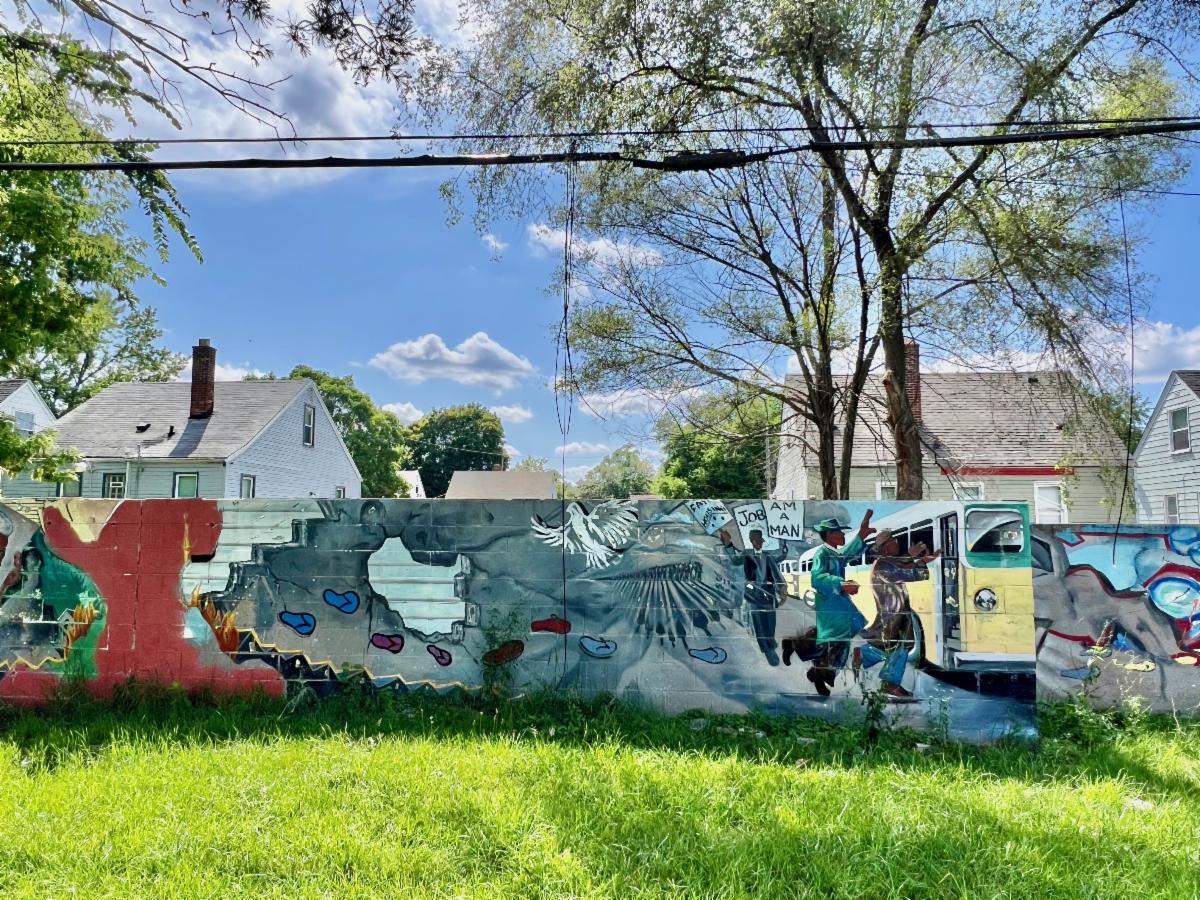
This July during my continuing education seminar African American Religious Autobiographies, I learned about another wall that predates both previous ones I knew. This one is in our wider “neighborhood,” in Detroit. Today only a half a mile long 6-foot-tall concrete structure weaving across a currently predominantly Black neighborhood of the Eight Mile-Wyoming community is visible.
The wall was built in 1941 and it was twice as long as what stands today. It meant to create a “risk free zone” where an exclusively white neighborhood could be developed. According to a representative of the owner of this subdivision declared at the time that the wall was being put up “simply to improve the subdivision by giving it a fixed border and trim.” However, in 1948, the Supreme Court outlawed the enforcement of deed restrictions regarding race and other forms of discrimination. By the 1960s, both sides of the wall were majority black neighborhoods. Two black neighborhoods—one built by black activism, the other by white flight—became a single community.
The portion of the wall that today boarders Alfonso Wells Park has been reclaimed. Its function has transformed from being a racial barrier to a backyard fence and mural for the current residents of this community. Instead of eliminating the wall to erase the history of residential segregation and discrimination, the community chose to responsibly acknowledge these histories and aimed to educate future generations about the harms of such practices. For as Rochelle Riley, with Detroit Arts, Culture, and Entrepreneurship remarked, “history lost is history that can be repeated.”
Reflecting on these walls, I recognize that while walls can offer protection and a sense of safety, too often we use them to divide, to signify control “over” – a territory, a people, a way of life assumed to be superior to that of others. We “wall” ourselves away from others because their difference may threaten our way of life, our sense of identity.
| |
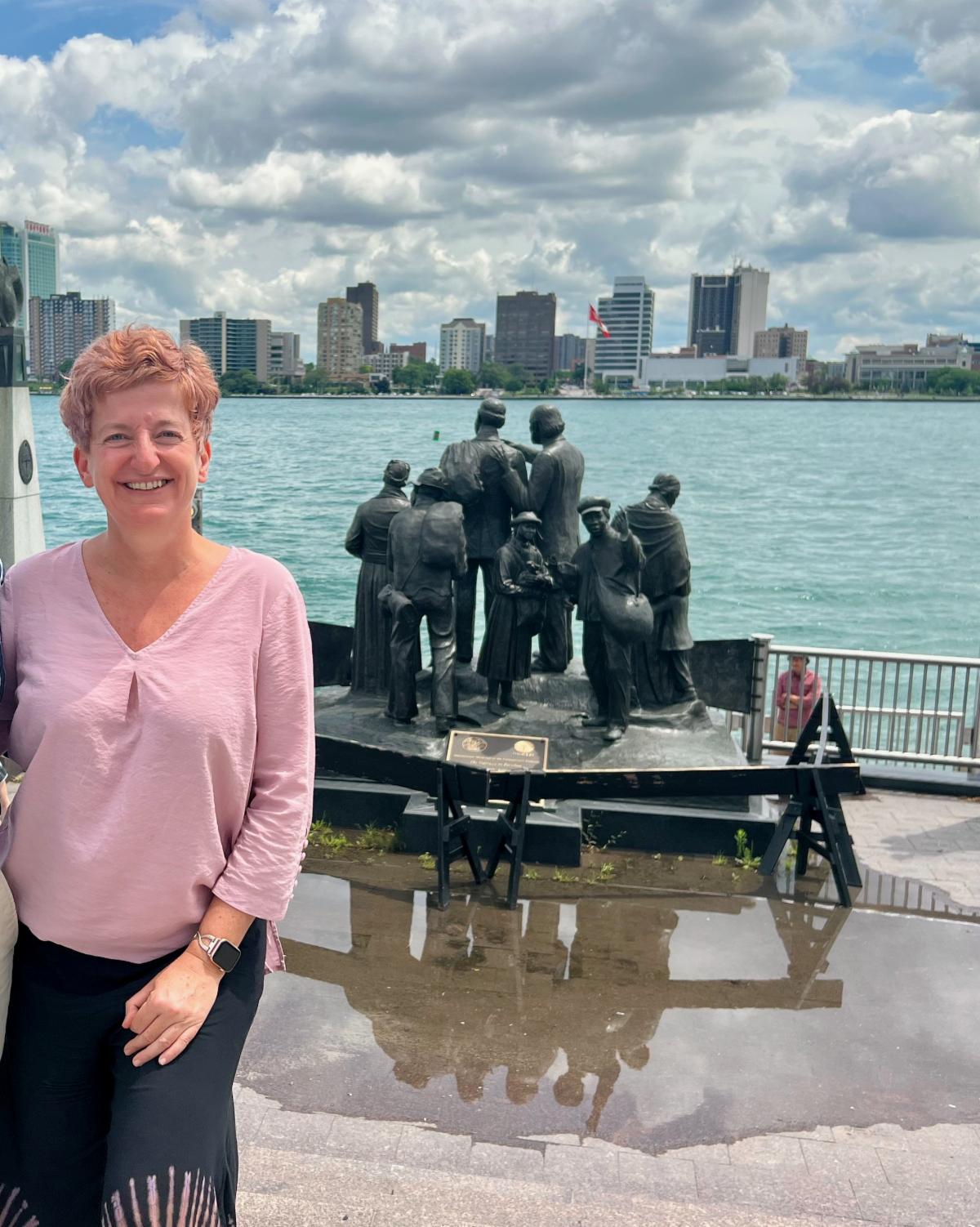
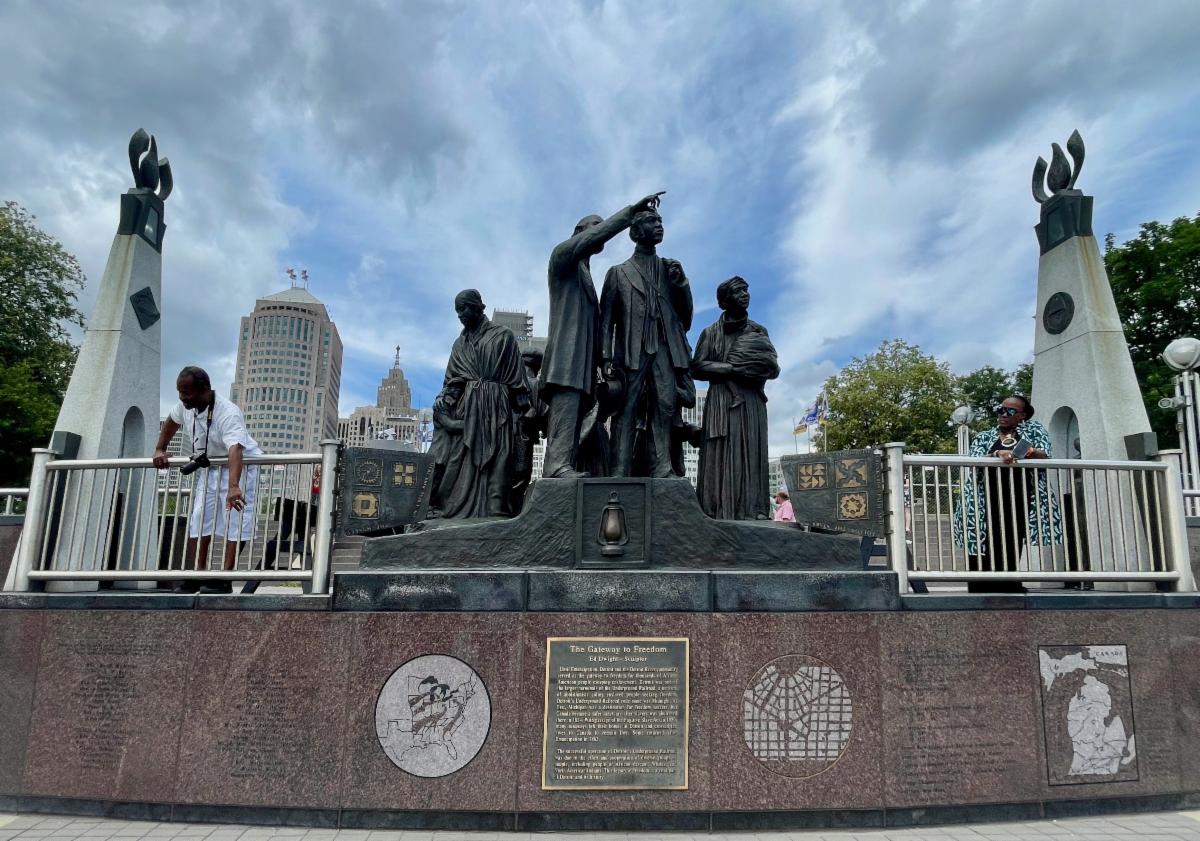
On this tour through the city of Detroit, we visited another landmark – The Gate to Freedom (also depicted behind me in the top photo). The statue comprising a group of 8 people standing between the gateway pillars, gazing toward Canada is a tribute to the Underground Railroad. One can read the following inscription on the base of the memorial:
“Until Emancipation, Detroit and the Detroit River community served as the gateway to freedom for thousands of African American people escaping enslavement. Detroit was one of the largest terminals of the Underground Railroad, a network of abolitionists aiding enslaved people seeking freedom. Detroit's Underground Railroad code name was Midnight. At first, Michigan was a destination for freedom seekers, but Canada became a safer sanctuary after slavery was abolished there in 1834. With passage of the Fugitive Slave Act in 1850, many runaways left their homes in Detroit and crossed the river to Canada to remain free. Some returned after Emancipation in 1863.
The successful operation of Detroit's Underground Railroad was due to the effort and cooperation of diverse groups of people, including people of African descent, Whites, and North American Indians. This legacy of freedom is a vital part of Detroit and its history.”
The two symbols – the wall of separation and the memorial The Gateway to Freedom stand in powerful contrast. In the Gospel of John, Jesus describes himself as the gate that leads to life (Cf. John 10:9). Those who walk with Jesus will find their way to pasture… to a place that offers home, nourishment, peace… a place of wholeness.
At The Gateway to Freedom memorial, the river is only a mile wide. That mile to freedom seems so short, and yet it may have felt an impassable obstacle to many without a boat, or a helping hand. It reminds us that even small, seemingly insignificant acts of love, compassion and resistance can provide that gate or vessel towards freedom. Like spending time weekly with immigrant children at the Open Arms summer camp has done by offering them a sense of home and friendship, by affirming their presence as a gift to the community. We offer a gate to a place of wholeness to people in our community as we deliver little care packages—tokens our love and care, fostering a deeper sense of connection. We act like vessels to freedom as we partner with other organization, like the League of Women Voters or the PCUSA Immigration Justice Advocacy team and work to remove “walls” that prevent asylum seekers, refugees, and immigrants from having a full life in this country.
As we continue our journey of faith in this new season of life, I invite you to commit ourselves to exploring God’s call to us as individuals and as the Body of Christ planted in this neighborhood, this city, and this country to be vessels toward freedom. I am eager to study and practice with you how to dismantle “walls” that prevent us and other to live into the freedom, the wholeness that God desires for all creation in our worship, in fellowship, and in our mission. May our lives become true gates to freedom this fall.
Grace and Peace,
Pastor Enikö
|  | Immigration Justice Conversation @ Westminster |  | |
Westminster Book Group
The Westminster Book Group welcomes all!
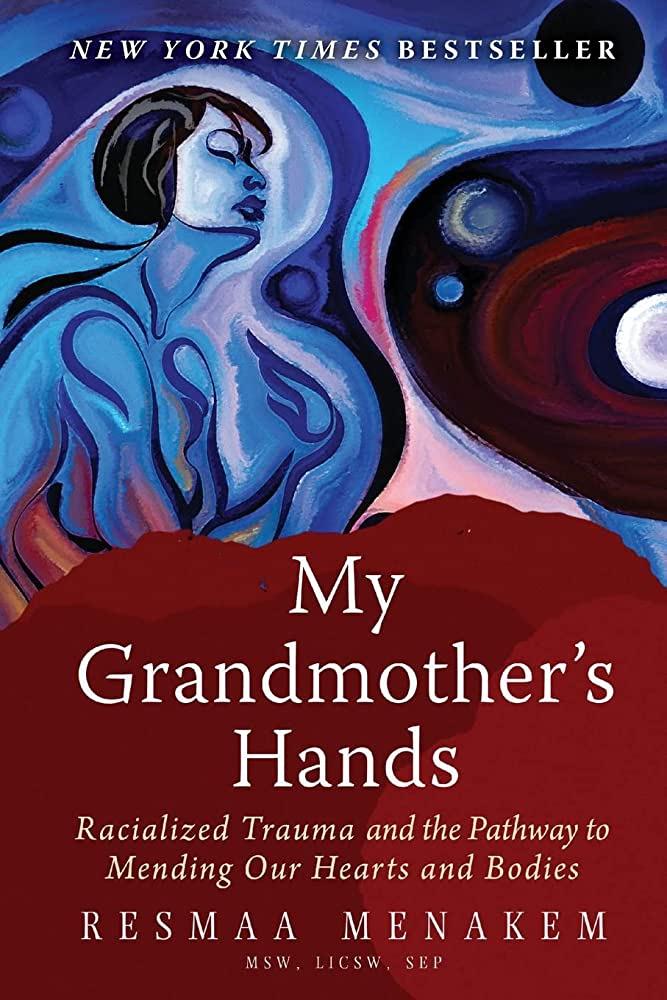
We are reading My Grandmother's Hands: Racialized Trauma and the Pathway to Mending Our Hearts and Bodies by Resmaa Menakem.
Our next meeting will be on
Thursday, September 14 at 7:00pm.
At this meeting we will cover Chapters 13 through 14.
"The body is where our instincts reside and where we fight, flee, or freeze. My Grandmother's Hands is a call to action for us to recognize that racism is not only about the head, but also about the body. Menakem introduces an alternative view of what we can do to grow beyond our entrenched radicalizes divide and takes readers through a step-by-step healing process based on the latest neuroscience and somatic healing methods."
At our meetings there are no wrong questions. We honor each other by creating space for openness and vulnerability.
We are meeting online to make it accessible for everyone. Here is the Zoom link for the gathering:
https://us02web.zoom.us/j/9154265912?pwd=eDQ3TUdUMmxBTGR5aVFNMnJJOWh4UT09
Meeting ID: 915 426 5912
Passcode: 353Pine
Feel free to invite friends. Hope you join us to share about life and faith...
our passions and struggles!
| |
|
Saving Nature and the Planet Starts Here
Juli Douglass-Gillespie
Summer is definitely waning, and Mother Nature is changing the landscape all the time. Perhaps you are aware of the many awful climate events which have happened over the summer (extreme heat waves, flooding, wildfires, intolerable levels of smoke, tornadoes). There is no end to all the changes in our environment in store for us. You may have noticed changes in insect and bird populations.
Most of the time climate disasters are beyond human control. At the same time the solutions to slow down global warming and lessen the extent of human suffering are all within reach of human control if only the will to carry them out is present. So why don’t we take ahold of the responsibility God has given us to care for the earth and all living creatures (including ourselves)?
According to Resmaa Menakem in the book My Grandmother’s Hands which our book discussion group is reading, people react to unsafe, scary and overwhelming scenarios in three ways: they fight, flee, or freeze. Menakem’s context is in situations of racialized trauma. Many people experience the overwhelming problems of climate change as a kind of confrontational trauma also. I see lots of people fleeing from the threat of climate change by denying its existence, or simply ignoring it and going about our lives hoping and assuming someone else will take care of it. Succumbing to feelings of helplessness and discouragement is, in my opinion, a form of freezing before the enormity of the problem. Fleeing and freezing are both natural reactions, but which block our ability to act.
In my opinion God is watching us to see if we will take the path to fight for the survival of all life in his / her creation, following the example of Jesus to speak out against lies and greed while embracing the path of love and forgiveness. (That sounds like an impossible task, doesn’t it?) First, we have to believe that the solutions to climate change are within the power of love that God has given us. Action to slow down global warming will require an enormous commitment to innumerable changes in our lives. So this month I offer you two very different sources of inspiration for making changes: one a beautiful song, the other, United States military policy.
Here is a very inspiring song from the Argentinian singer Mercedes Sosa, titled Todo Cambia. This is a link to the lyrics translated so that you can listen to her sing powerfully in her own language.
Here is the very interesting talk about "Climate as National Security" by four-star generals on a video recording taken during the June National Citizens’ Climate Lobby Conference 2023.
Please let Juli know what you think of these! Any thoughts would be appreciated.
| |
|
Way to go Westminster!
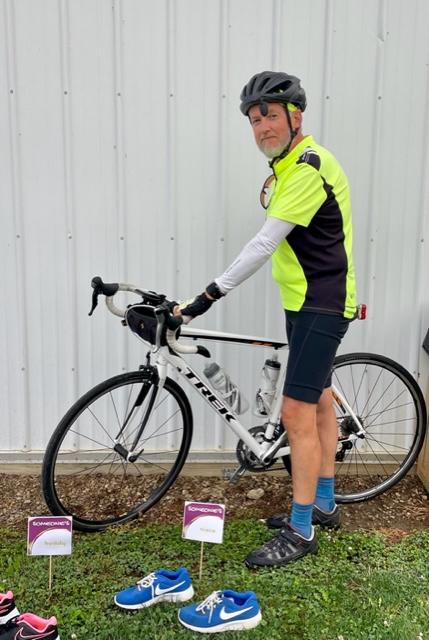
Our Break the Cycle team of bikers and walkers, in support of OneEighty, totaled 21 church members and friends—8 walkers and 1 biker in Wooster and 4 walkers and 8 bikers in Millersburg at the Holmes County Trail. Bobbi Douglas, OneEighty Director, recognized Westminster for our $500 Gold Sponsor donation in support of treatment and prevention services for the homeless. Our donation was funded by last year’s Soup Sale.
| | |
|
|
and the Millersburg walkers & riders | |
Thanks to the Open Arms Summer Camp Volunteers | |
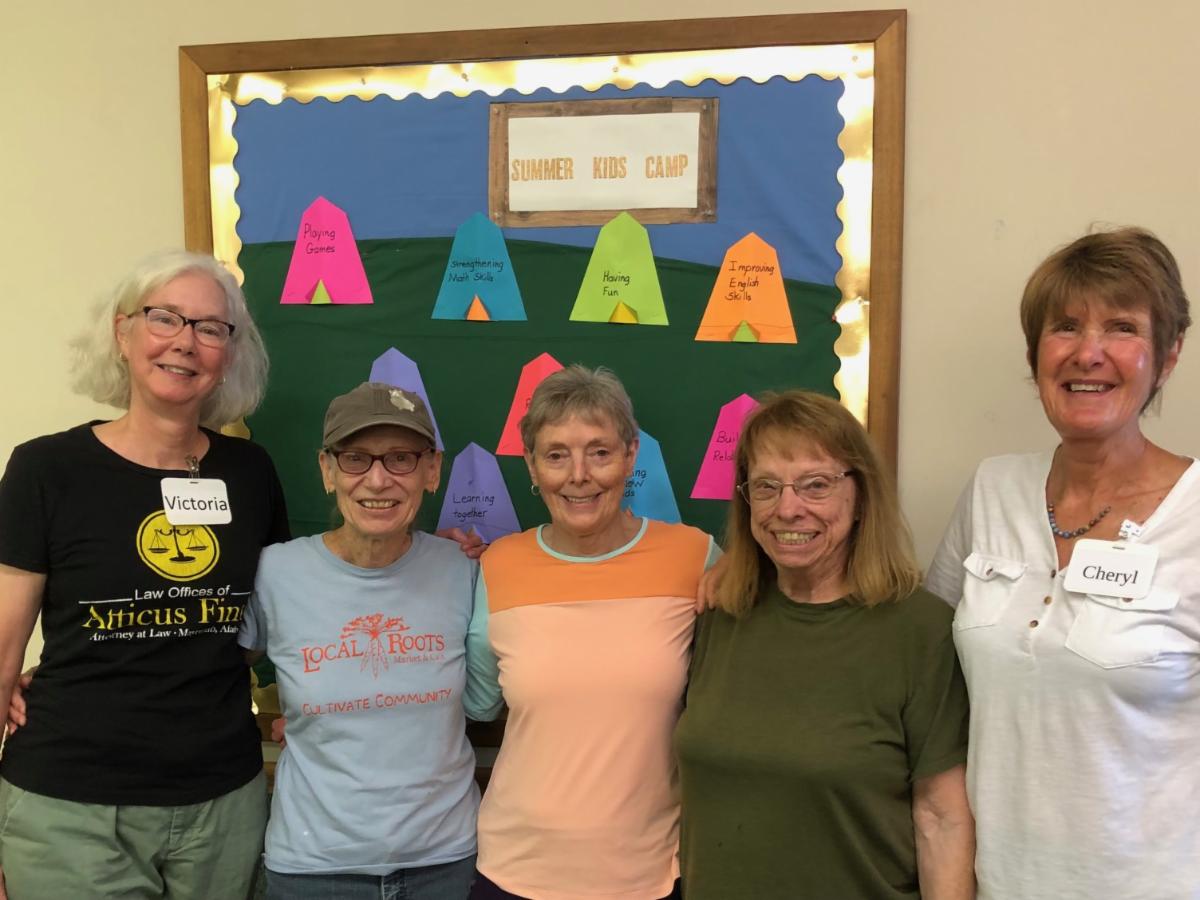
A heartfelt "thank you" to our five WPC volunteers at the 2023 Open Arms Hispanic Ministries' Summer Kids' Camp for area Latinx children held in Orrville, Ohio. Muchas Gracias to Victoria Birk, Juli Gillespie, Susan English, Barbara Tartir, and Cheryl Weiss. | |
|
It's time to think about SOUP!
The Benevolence Committee will once again make Hearty Italian Soup for our annual Winter Soup Sale which begins in November.
Here are some things we could use that you may have at home or in your garden.
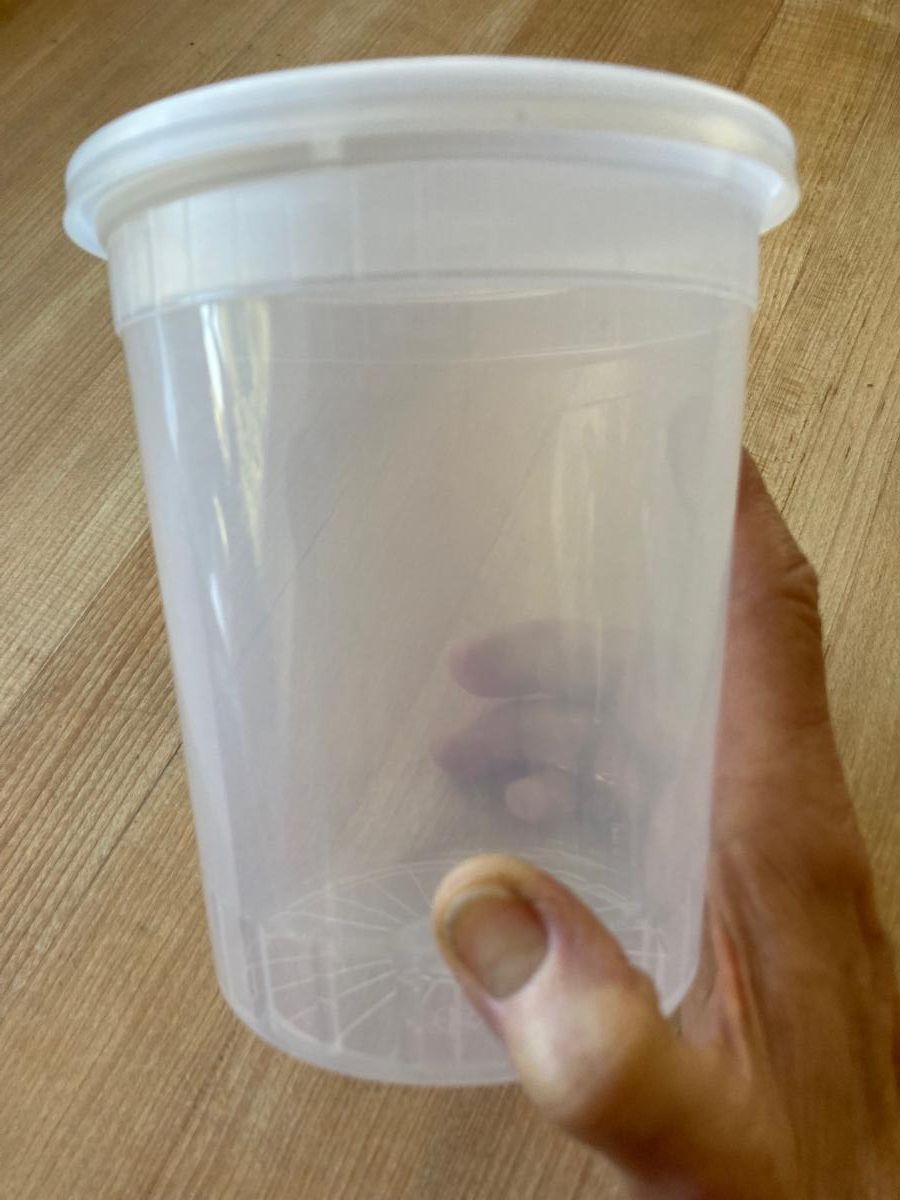
1 quart clear plastic soup containers
Peppers (green & red) diced—3 cups/plastic bag, labeled
Zucchini, cut in 1/2 inch cubes 6 cups/plastic bag, labeled
If you have extra to share, please put soup containers on the counter in the church kitchen and put plastic bags of cut up vegetable in the church freezer.
Thanks for your cost-saving help!
The Benevolence Committee
Shelley Peterson, Heather Hettick, Candy Relle, Linda Barbu, Lemoine Peart
| |
|
September
Collection Items
Food
Spaghetti Sauce
Tomato Sauce
Canned Meat (Chicken & Tuna)
Regular size jars of peanut butter
(16 oz)
Canned Fruit
Pork n Beans
Pasta & Rice sides
Hygiene Products
Shavers
Deodorant for Men & Women's
Shampoo
| |
|
|
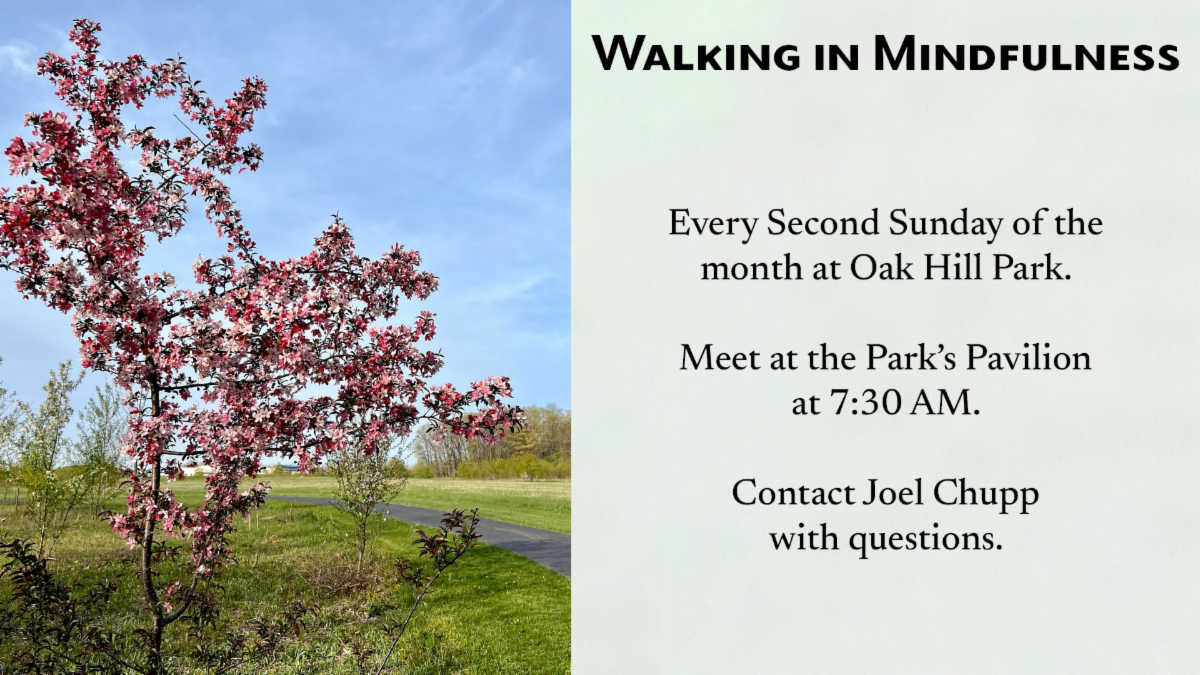
Friends, we invite you to join us on our monthly prayer-walk at Oak Hill Park. Every second Sunday of the month, we meet at the park's pavilion at 7:30 am for a short meditation, followed by a contemplative walk along the trail. It is a wonderful way to experience God's presence and deepen our connection with creation.
| |
Volunteer Opportunities for the Viola Startzman Clinic | |
The Benevolence Committee is now offering support to The Viola Startzman Clinic.
They are seeking volunteers to send cards and notes of cheer to their clientele. You can write your own notes at home and drop them off directly to the clinic. If you do so, please mention that you are participating through Westminster Presbyterian Church.
You can also volunteer to do this at the clinic and they will provide the cards, pens and addresses. The Benevolence Committee is considering doing this as a group. If you are interested, please reach out to any member of the Benevolence Committee or contact Shelley Peterson for further information.
| |
|
September - October
Hospitality & Liturgist
Westminster's worship and fellowship time is an important way to build relationships among all attending.
We invite you to participate as a liturgist, assistant or provide flowers to decorate our alter.
If you are able to fill one of these areas,
please click here to sign up.
Thank you for your contribution to our worship service.
| |
|
Public Health Safety Update
WPC Current Status is: Mask Optional.
As masks may be required in specific, private areas,
please make note of any exception signage.
Westminster Church will continue to encourage safe health practices
and will adjust our guidelines as needed.
Thank you for your understanding and support to keep all of us safe.
| |
|
|
|
As we have been meeting in person for
Sunday services in Mackey Hall,
please let the Church Office (330-263-2398)
know if you would like transportation
to and from the 10:00 am service.
We would be happy to make arrangements for you.
We look forward to worshipping with you!
| | | |
Ongoing Volunteer Opportunities |
Click the links below to learn more about Westminster's ongoing volunteering projects.
| |  |
Ongoing Fellowship Opportunities |
Click the links below for more information on Westminster's ongoing fellowship opportunities. Please note some of them have paused or moved online due to the COVID-19 Pandemic.
| | | | | |