|
Palm Beach County State Legislative Update
Week of February 10
| |
UPDATES FROM THE EXECUTIVE BRANCH | |
|
State Strikes Deal with Feds to Expand Troopers' Immigration Enforcement Powers
Florida Governor Ron DeSantis announced a new agreement with the U.S. Department of Homeland Security granting Florida Highway Patrol troopers expanded immigration enforcement powers. Under ICE supervision, 2,000 state troopers will be trained to arrest, detain, and interrogate undocumented immigrants, as well as execute immigration-related warrants. The deal also enables ICE to work with state and local law enforcement to deport incarcerated undocumented individuals.
DeSantis framed the move as part of a broader push to strengthen interior immigration enforcement, aligning with President Trump’s deportation agenda. Florida is among the first states to secure such an agreement, with other GOP-led states expected to follow.
| |
UPDATES FROM THE LEGISLATURE | |
|
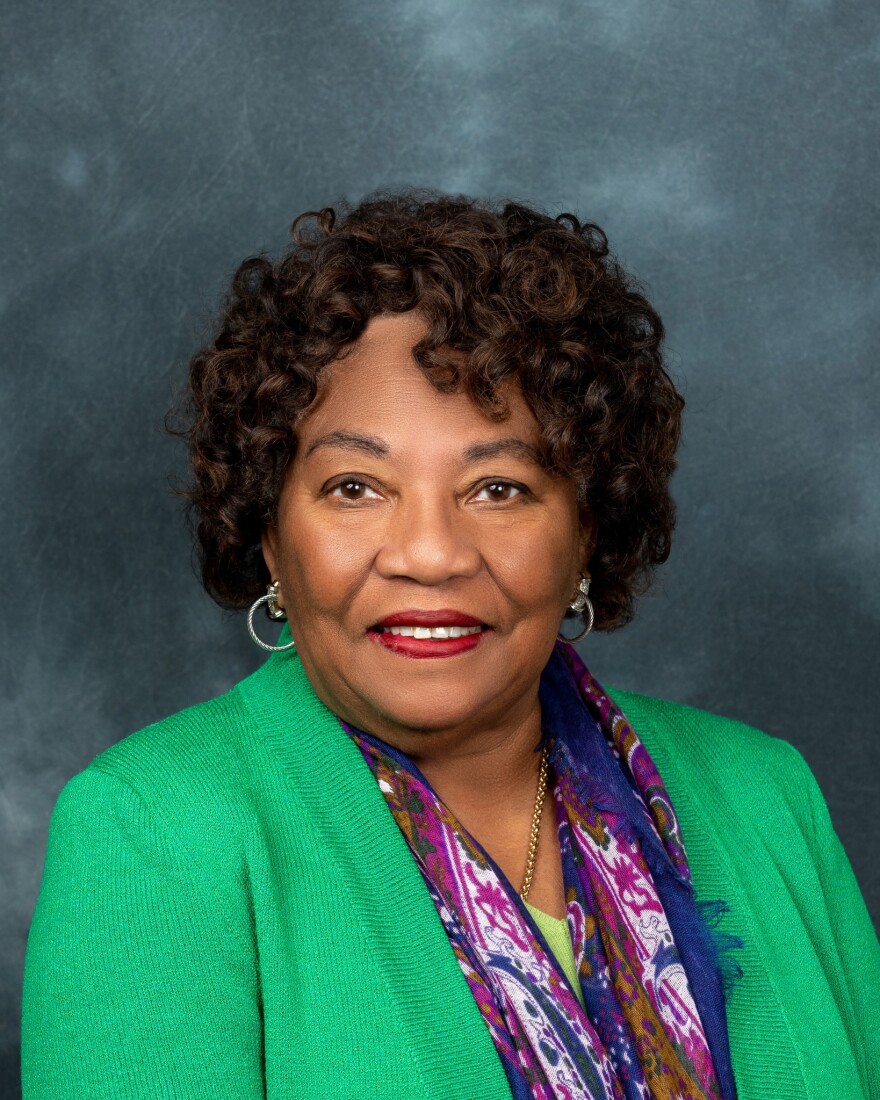
Passing of Senator Geraldine Thompson
Florida State Senator Geraldine Thompson passed away this week at the age of 76, due to complications from knee replacement surgery.
A dedicated public servant, Thompson's legislative career began in 2006, encompassing multiple terms in both the Florida House of Representatives and the Florida Senate. She was known for her unwavering commitment to education, healthcare, and civil rights. Notably, she founded the Wells'Built Museum of African American History and Culture in Orlando, preserving significant aspects of African American heritage. Senator Thompson has inspired many through her years of public service and will be deeply missed.
| |
|
Special Session C
The Florida Legislature convened in Special Session C this week, focusing on immigration policy. After weeks of negotiations between the Legislature and the Governor, lawmakers passed a series of strict new immigration laws, which Governor Ron DeSantis promptly signed, positioning Florida at the forefront of state-led immigration enforcement.
One of the most significant changes is the creation of the State Board of Immigration Enforcement, which will oversee Florida’s immigration policies and coordinate enforcement efforts with the federal government. The board will include the Governor, Attorney General, Chief Financial Officer, and Agriculture Commissioner, with all decisions requiring unanimous approval. This structure gives the state’s executive leadership direct control over immigration matters.
The new laws also expand state-level immigration enforcement by allocating $250 million in grants to local law enforcement agencies to help enforce federal immigration laws. Additional funding has been designated for the Florida Department of Agriculture to hire officers for border interdiction efforts, and a new immigration enforcement station will be constructed along the I-10 corridor in North Florida. The legislation also introduces state-level criminal penalties for individuals who illegally enter or re-enter Florida while undocumented, with mandatory pretrial detention for those accused of felonies.
One of the more controversial provisions mandates the death penalty for undocumented immigrants convicted of murder or child rape. Supporters argue this strengthens public safety, while critics say it violates equal protection laws by imposing harsher penalties based on immigration status. Another fiercely debated measure repeals in-state tuition for undocumented students at Florida’s public universities.
The session also revised Florida’s migrant transport program, which previously sent migrants to other states at the discretion of state officials. Under the new law, relocations can only occur under federal government request and full reimbursement, reducing the state’s role in migrant relocation efforts.
Republican leaders, including Governor DeSantis, framed these measures as the toughest immigration laws in the nation, reinforcing their commitment to President Donald Trump’s federal immigration crackdown. With these new laws, Florida is dramatically expanding its role in immigration enforcement. However, legal challenges are expected, particularly regarding the death penalty provision and the repeal of in-state tuition for undocumented students.
| |
|
Combined Workgroups on Veto Overrides Meet in House
This week, the Florida House of Representatives convened several combined workgroup meetings to address budget issues arising from recent vetoes by Governor Ron DeSantis. On February 11, 2025, the House initiated its review process, focusing on potential overrides of the governor's line-item vetoes. The fiscal year 2024-2025 budget, originating as House Bill 5001, necessitates that any veto override efforts commence in the House. House Speaker Daniel Perez launched these workgroups to scrutinize the impact of the vetoes and consider restoring funding to key programs.
However, the Florida Senate appears less inclined to pursue veto overrides. Senate President Ben Albritton, speaking at a Florida Chamber of Commerce event in Tallahassee, stated that while circumstances could change, there are no current plans to challenge the governor’s decisions. Whether any funding is restored or if DeSantis’ vetoes remain in place remains to be seen.
| |
|
Committee Meetings
The House and Senate convened in several committee hearings this week. Highlights from these meetings are included below. Only one committee week remains before the beginning of legislative session on March 4 and many bills have still not received their first committee hearing.
| |
|
Senate Committee Environment & Natural Resources Committee
SB 50, Nature-based Methods for Improving Coastal Resilience – This bill directs the Florida Flood Hub for Applied Research and Innovation to develop design guidelines and standards for green and gray infrastructure, model the effects of green and hybrid green-gray infrastructure, and examine how these systems can be integrated to enhance coastal resilience. Additionally, the bill requires the Florida Department of Environmental Protection (DEP) to establish rules for using nature-based methods to address coastal erosion, protect mangrove stands and other natural features, and mitigate the impacts of new developments. The DEP is also tasked with promoting public awareness, developing workforce training programs, and fostering local government partnerships to support green infrastructure projects. Furthermore, the bill aims to streamline permitting processes for green projects and post-disaster infrastructure replacement.
SB 200, Comprehensive Waste Reduction and Recycling Plan – This legislation mandates the Department of Environmental Protection to develop a comprehensive waste reduction and recycling plan by July 1, 2026. It also convenes a technical assistance group to aid in the plan's development and stipulates that the plan must establish recycling goals based on sustainable materials management.
SB 80, State Land Management – Sponsored by Palm Beach County Senator Gayle Harrell, this bill aims to protect Florida's state parks and conservation lands from certain development proposals. The bill, which was approved unanimously, would prohibit the addition of amenities such as golf courses and large hotels in state parks. This legislation comes in response to public backlash over a proposed plan by Department of Environmental Protection last summer, which included adding golf courses and pickleball courts to several state parks. The plan was met with criticism from the community, particularly due to its lack of transparency, as it was only revealed after a government employee leaked the proposal to the media.
SB 80 seeks to increase transparency by requiring that any proposed changes to state-owned conservation lands be made public at least 30 days before a hearing on the matter. Senator Harrell emphasized that the purpose of state parks is to preserve the enjoyment and conservation of Florida's natural resources, and that this bill ensures that the public has a chance to weigh in on potential changes.
| |
|
Senate Committee on Criminal Justice
SB 150, Abandoning Restrained Animals During Natural Disasters – Filed in response to the abandonment of a dog, later named by rescuers as “Trooper”, during evacuations as a result of Hurricane Milton, this legislation establishes the abandonment of an animal using a restraint during a natural disaster as a third-degree felony and imposes fines.
| |
|
Senate Committee on Government Oversight & Accountability
SB 100, Display of Flags by Governmental Entities – This bill prohibits a governmental agency, local government, or other unit of local government, including a public school, college, or university, from erecting or displaying a flag that represents a political viewpoint, including a politically partisan, racial, sexual orientation, gender, or political ideology viewpoint.
| |
|
House Criminal Justice Subcommittee
HB 91, Probation for Misdemeanor Offenses – HB 91 extends the maximum probation supervision from 6 months to up to 1 year for misdemeanors involving the use of alcohol, controlled substances, controlled substance analogs, or chemical substances where substance use is a significant factor.
| |
|
Palm Beach County Day 2025
Save the date for Palm Beach County Day 2025! Join us in Tallahassee on Tuesday, March 4 and Wednesday, March 5 to advocate for our community.
| | | | |