|
10 Questions . . .
with Paige Gibbons Backus
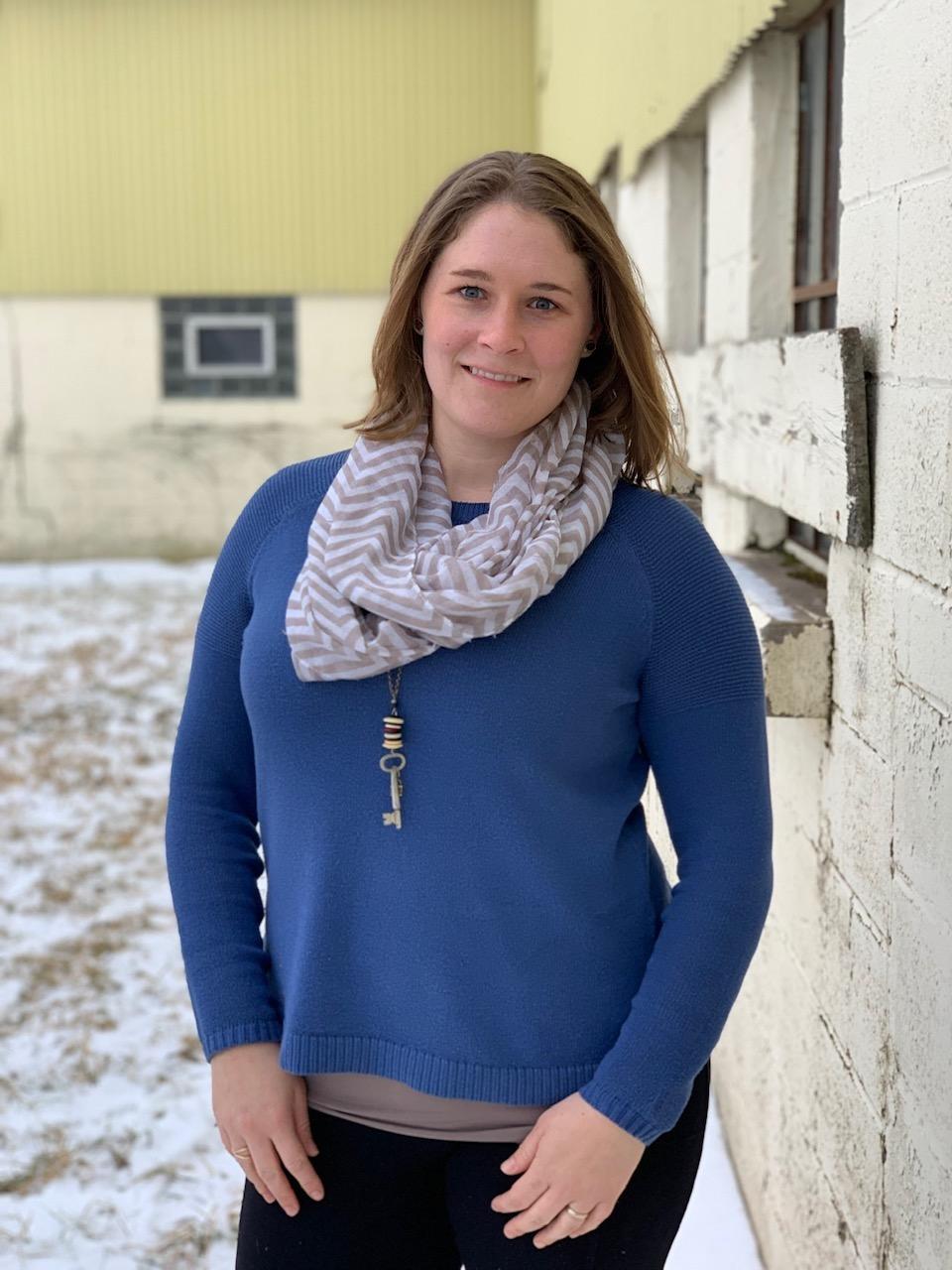
Paige Gibbons Backus is ECW’s social media manager. We first profiled her in September 2018. You can read her full ECW bio here.
When last we profiled you, you were running a site for Prince William County, Virginia, that focused on Civil War medicine. You’ve shifted sites since then. Tell us about your current work.
I am still with the Office of Historic Preservation in Prince William County, and I currently serve as the site manager of Brentsville Courthouse Historic Centre and Lucasville School. These two sites cover 200+ years of history that allow me to broaden my knowledge and interpretation of social and military history.
Brentsville was founded in 1820 as the County Seat of Prince William County, where all government business took place; it also served as the social, recreational, and political center of the county for 70 years. Not only do I get to interpret the court cases and law in 19th century Virginia, I get to interpret how daily life in a rural community changed for everyone who lived in Prince William County over the years. I get to interpret the Civil War, Reconstruction, World War I, World War II, Great Depression and more!
Brentsville is a little-known, yet significant site in Civil War history. It was where Prince William County voted to secede, where several units were mustered into service, troops passed through the town all years of the war, and soldiers were hospitalized in its community. It was where Dangerfield Newby’s wife was enslaved, and where the Freedmen’s Bureau was based after the War—just to mention a few of the stories.
With all that history, you’re still doing programs on Civil War medicine here and there, as well. That seems to be a topic that really fascinates you. Why so?
While Civil War Medicine isn’t the main focus of my work, it’s still my passion, and I jump at the opportunity to talk about 18th and 19th century medicine when I get the chance. It’s fascinating to see how much technology and knowledge has changed over the years and how it affects our daily lives. While it might be gruesome and seem outdated to us, people can do amazing things with the knowledge and resources they have available to them.
I am also fascinated with it because, in 2018, I dislocated my ankle and tri-fractured the joint while on vacation out west. If I had sustained that injury 100 years ago, my leg would have likely had to be amputated, and my chances of survival would have likely been slim. People take modern medicine for granted, so when I get the opportunity to tell people how far we’ve come, it makes them more appreciative where we are today.
It’s a topic that really fascinates a lot of Civil War buffs, too. Why do you think that is?
It’s grim and gruesome, and I think a lot of people are interested in it for the same reasons that I am. When we learn about the Civil War, we learn about the people and the battles, but it is interesting to think that there was another war that was taking place at the same time in the medical field: a war against life and death where time, resources (or lack of), and knowledge created challenges that had to be overcome. It is those challenges that propelled us into the modern medical field faster than any other event in history.
What else are you working on these days?
I wear many hats these days in both of my personal works and my career. From the opening of the Brentsville Jail Museum, programming and summer camps, to planning the 200th anniversary of the establishment of Brentsville as a county seat, it’s been a busy year! In addition to my work, I’ve been doing some work for the ABT as well as speaking at a few Civil War Roundtables over the summer. My hope is to find some time soon time to sit down and write my own book!
Your husband, Bill, is also a Civil War scholar. Have the two of you had any particularly cool Civil War adventures lately?
Ha! Yes, he is, and we also seem to find something related to the Civil War wherever we go. We most recently drove to my home state of Wisconsin where we stopped at several sites along the way including Indianapolis, Indiana; Bloomington, Illinois; and Madison, Wisconsin. We love to travel, and have found Civil War history all over the place, including California, Colorado, Georgia, and South Carolina, just to name a few. But some of the coolest things we’ve found were on our trips outside of the U.S. For example, we found a statue of Abraham Lincoln in Edinburgh, Scotland.
Lightning Round (short answers with a one-sentence explanation)
Favorite primary source?
Medical & Surgical History of the War of the Rebellion. Hands down. You could even take it a step further and include the primary resources (specimens) found at the National Museum of Health and Medicine, formerly known as the Army Medical Museum established during the Civil War.
Favorite Civil War-related monument?
The Wisconsin monument at Vicksburg. It has my 4th Great-Grandfather’s name on it: Calvin Hyde, 20th WI Co. H.
Favorite unsung hero of the Civil War era?
I’m not going to name just one. The unsung heroes of the Civil War were those nurses, medical personnel, and volunteers who were forced into unimaginable situations to try and save as many lives as possible in field hospitals.
What’s a bucket-list Civil War site you’ve not yet visited?
I love searching out the smaller, little-known sites (like Brentsville!), and I’ve explored Savannah, but otherwise I’ve just driven through Georgia. I’d like to take the time to explore all around and find the small sites throughout the state.
Favorite ECWS book?
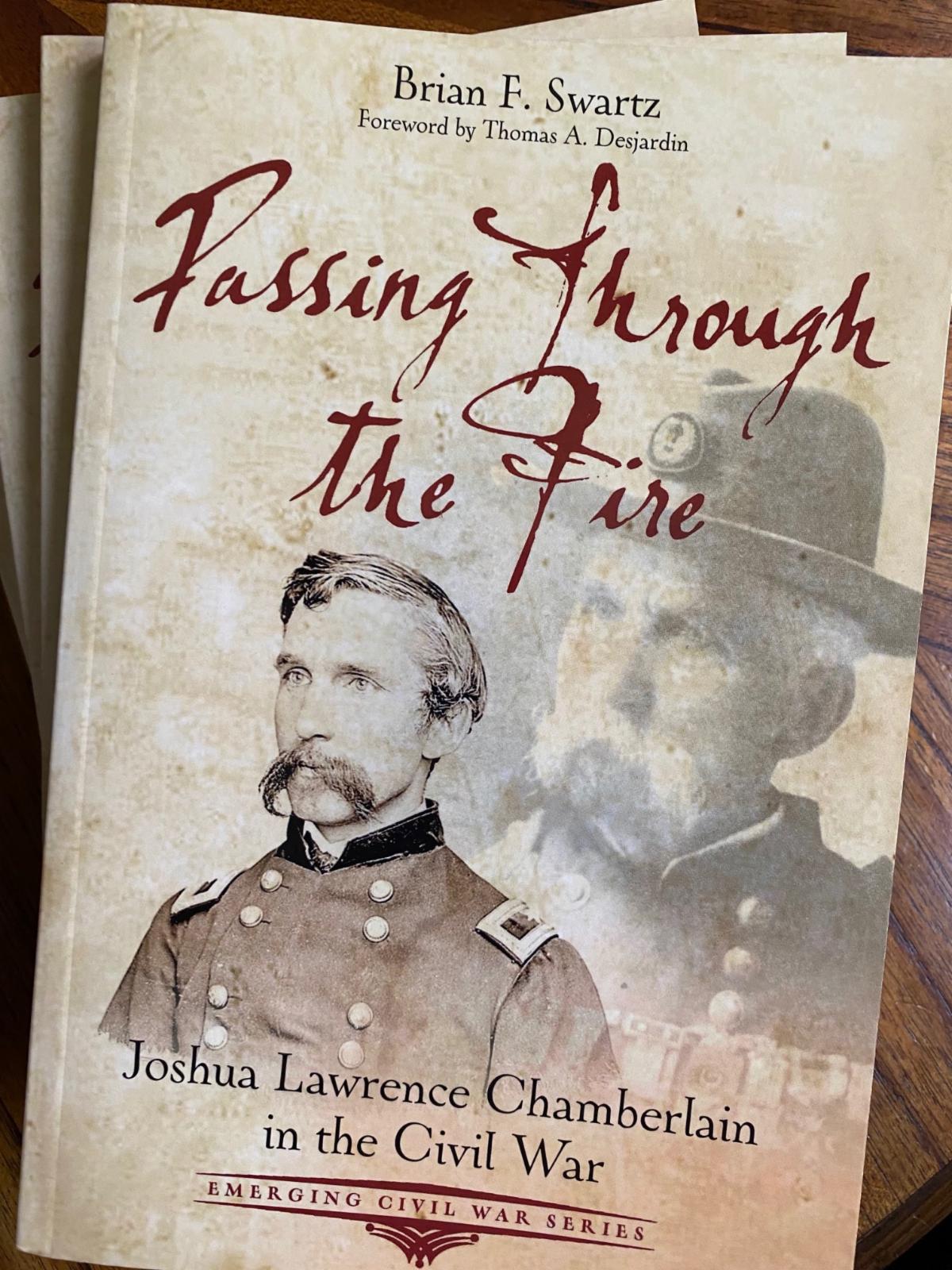
Meg Groeling’s The Aftermath of Battle: The Burial of the Civil War Dead is a fascinating read! While I don’t have an ECWS book of my own yet, I’m hoping I can take my medical research and add a book focusing on the medical field to the ECW series!
|