Greetings!

The pursuit of craft is often driven by a curiosity for the world of things. To those inclined to this curiosity, an object stands as a puzzle to solve. It offers questions to the viewer. How was it made? Who made it? Why was it made? What is its historical and cultural context? Chasing these questions, William Robertson distills his study of objects into perfect, miniature replicas that can tell something of the the history of craft itself in charming little bites. 

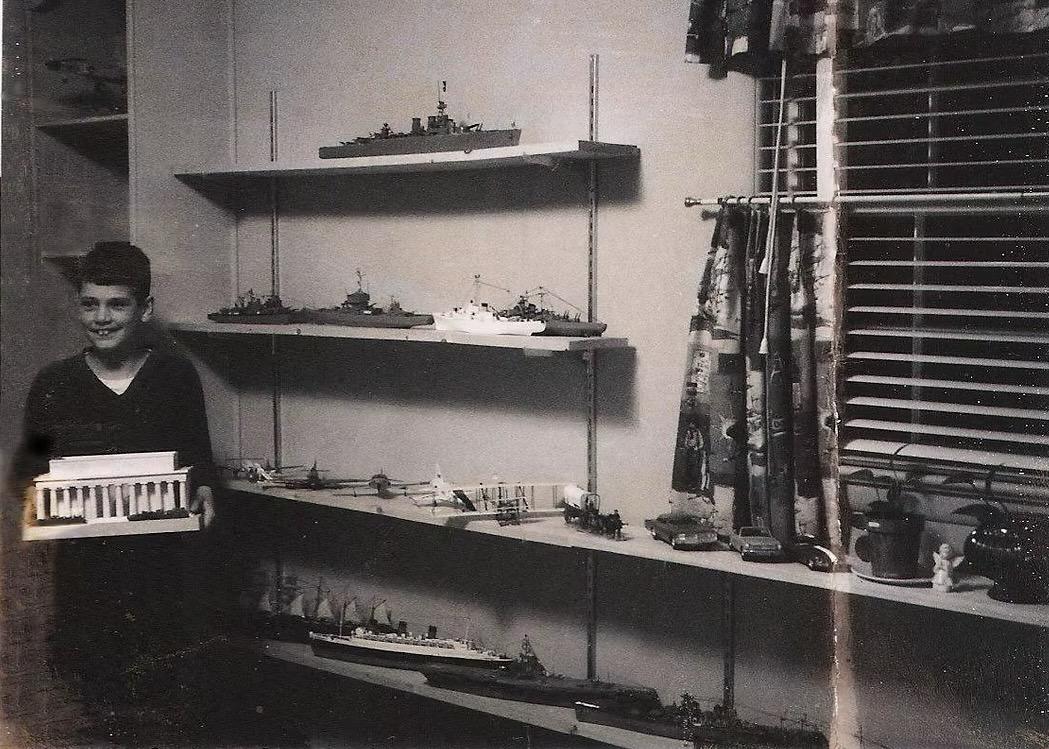
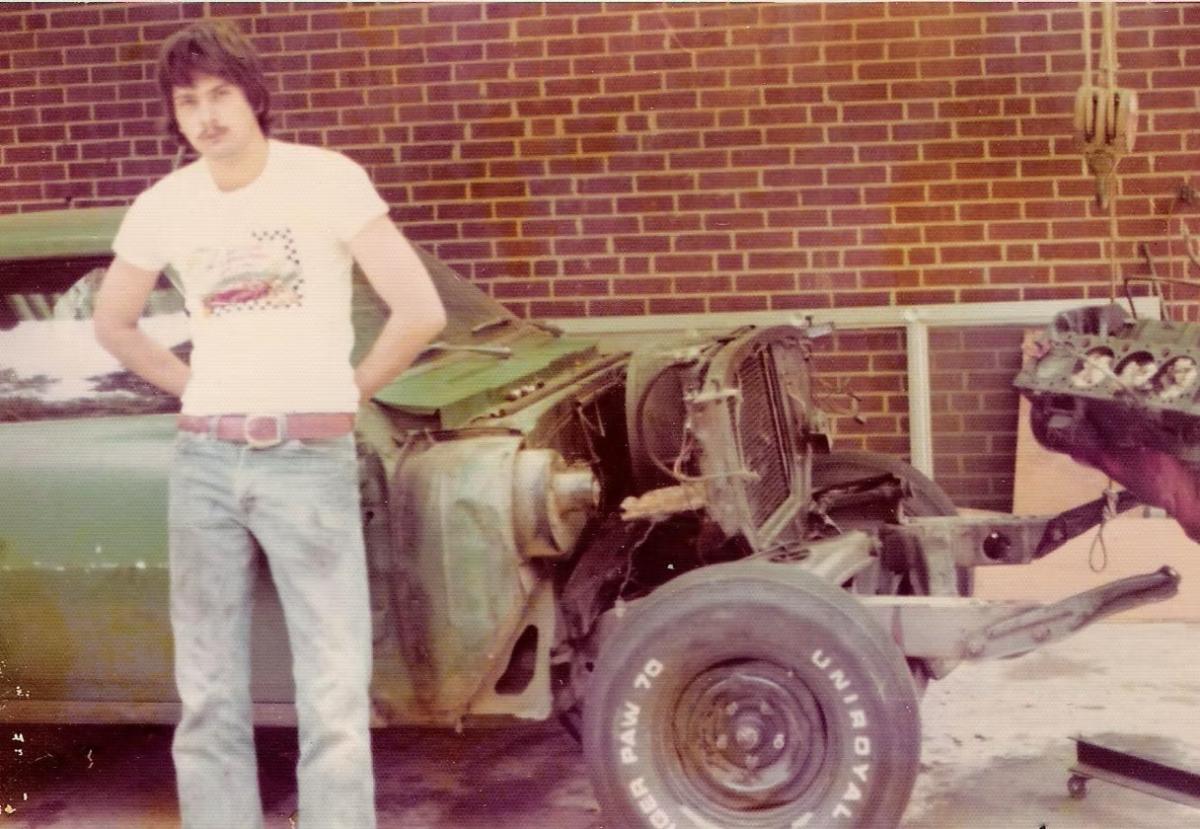
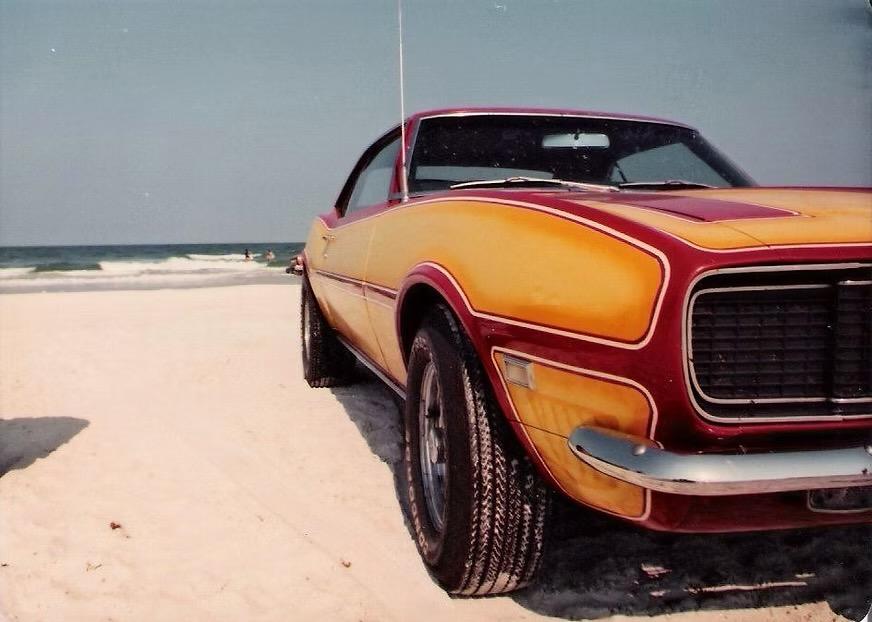
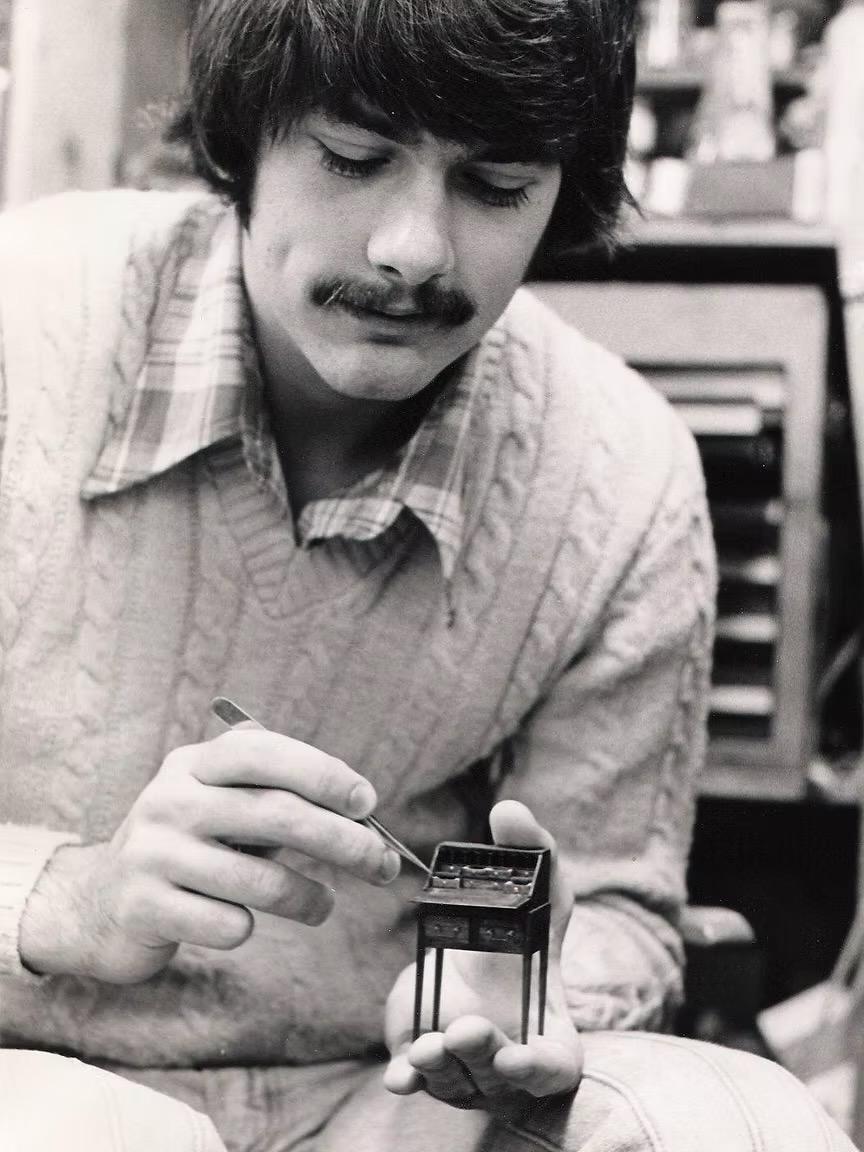
William has always had a Choose-Your-Own-Adventure approach to life. Like many kids of his generation, he made his own toys from kits or whatever he could find around the house. His family moved from Ohio to DC when he was 6 and the museums of the National Mall became his playground. As a teen, his collection of models grew into a collection of project cars spilling into the family yard in various degrees of rusty stasis. Bill was 21 and cruising around Florida in his 68’ Camaro hotrod when he stumbled into a Disney miniature show. He thought he might surprise his mom with some furniture for the doll house they had recently built together but was shocked to find pieces selling for many hundreds of dollars. He drove home wondering to himself he could make such art. Within days he was clearing a Chevy Powerglide transmission off his workbench to begin his first miniature, a replica of desk he had just found pictured on a mailer.

William with his first miniature in 1977

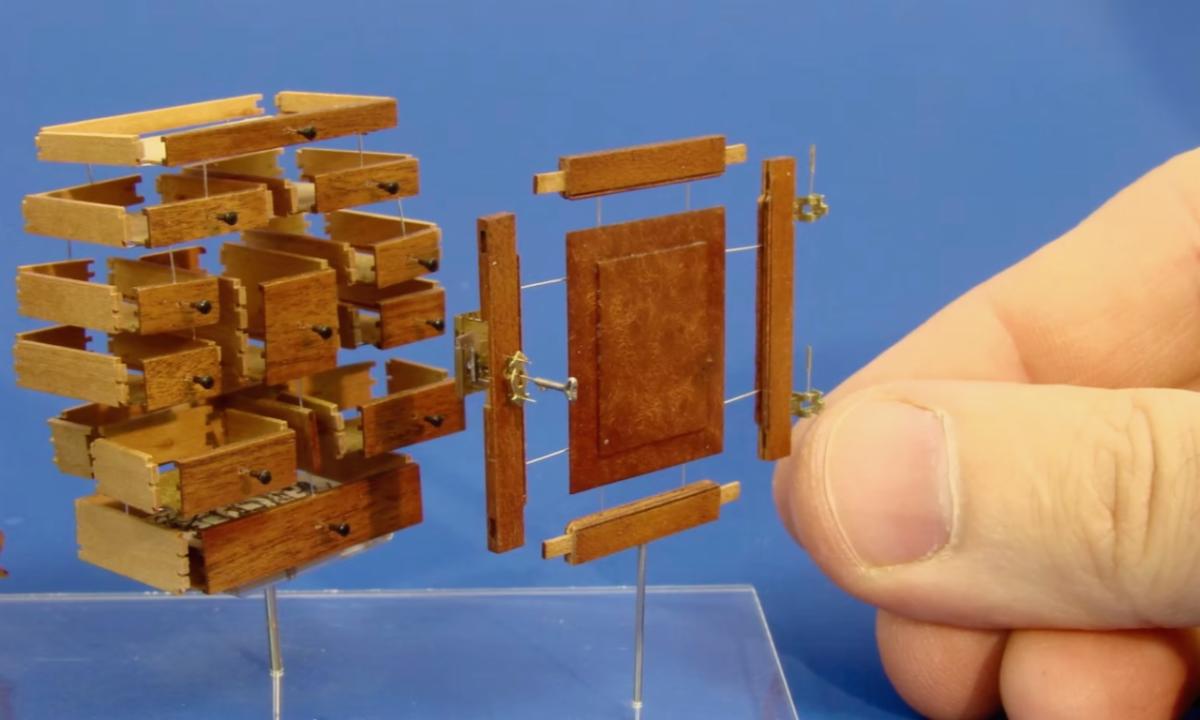
Exploded view of 18th C spice cabinet

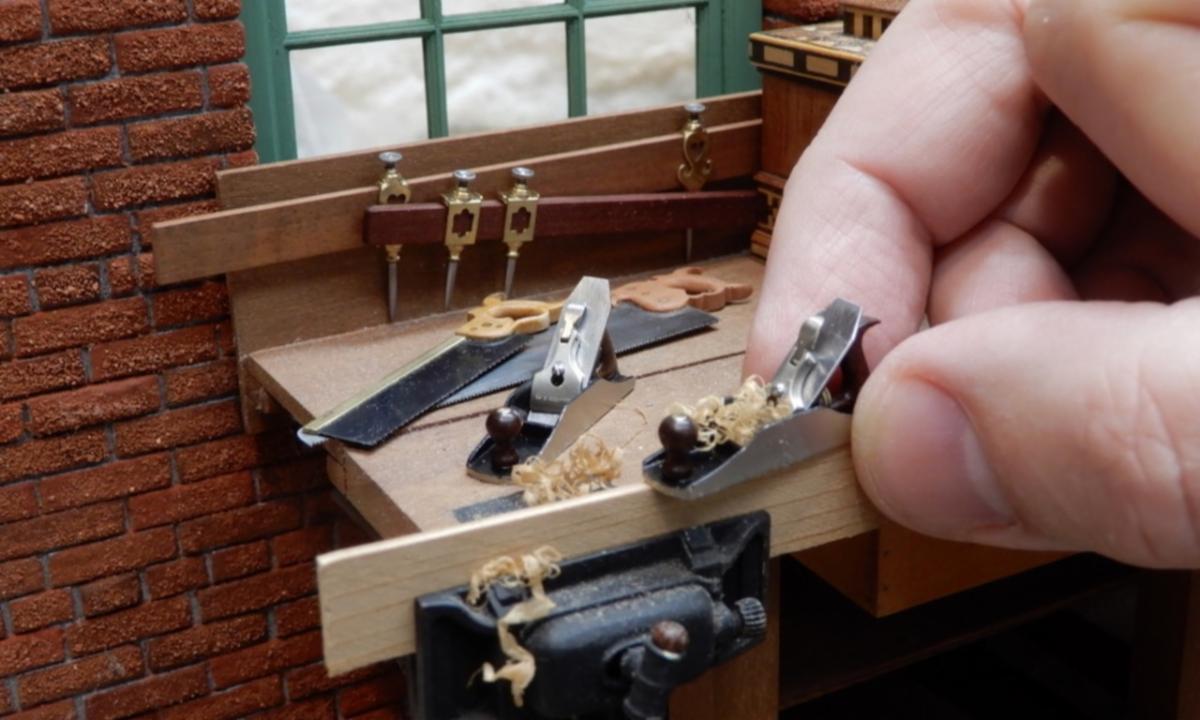
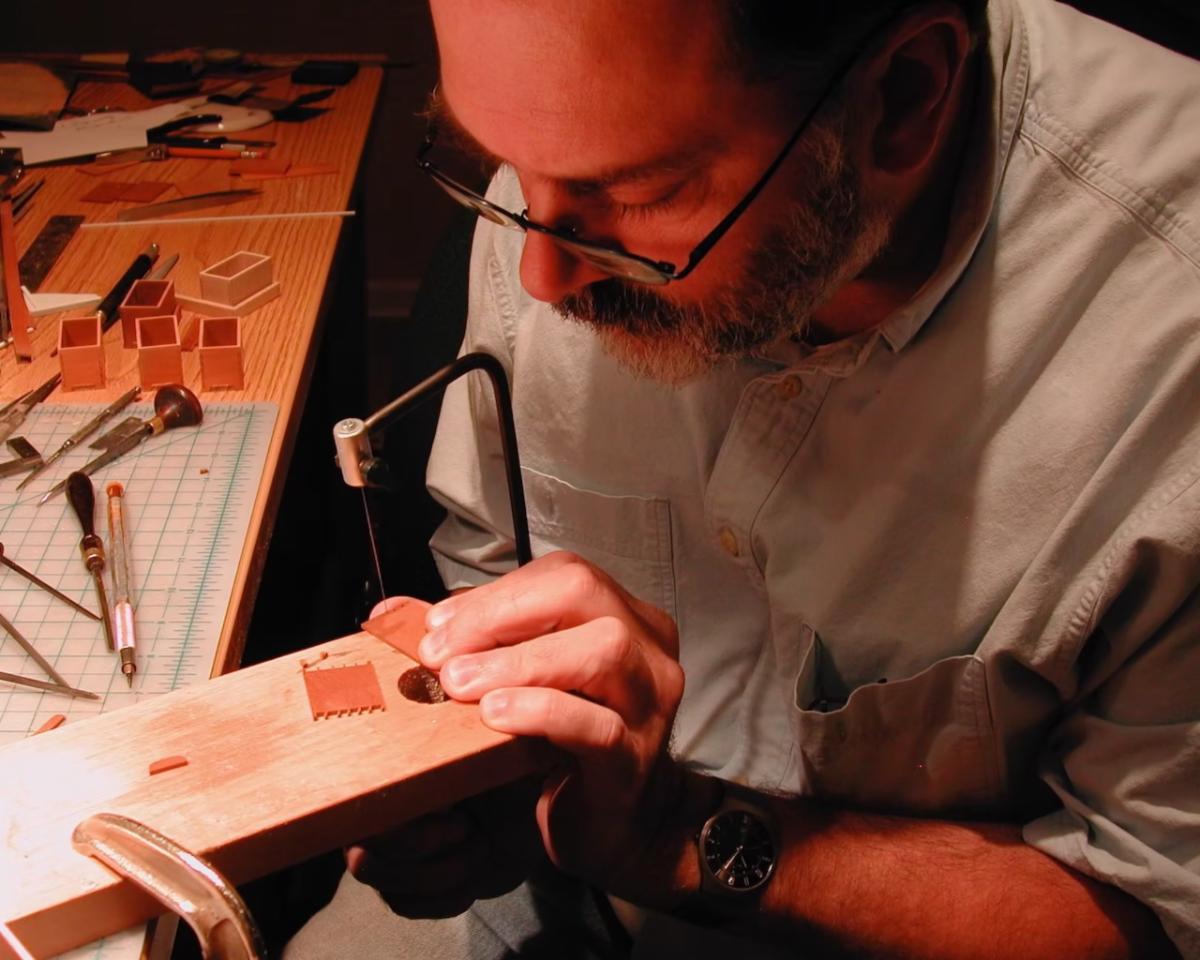
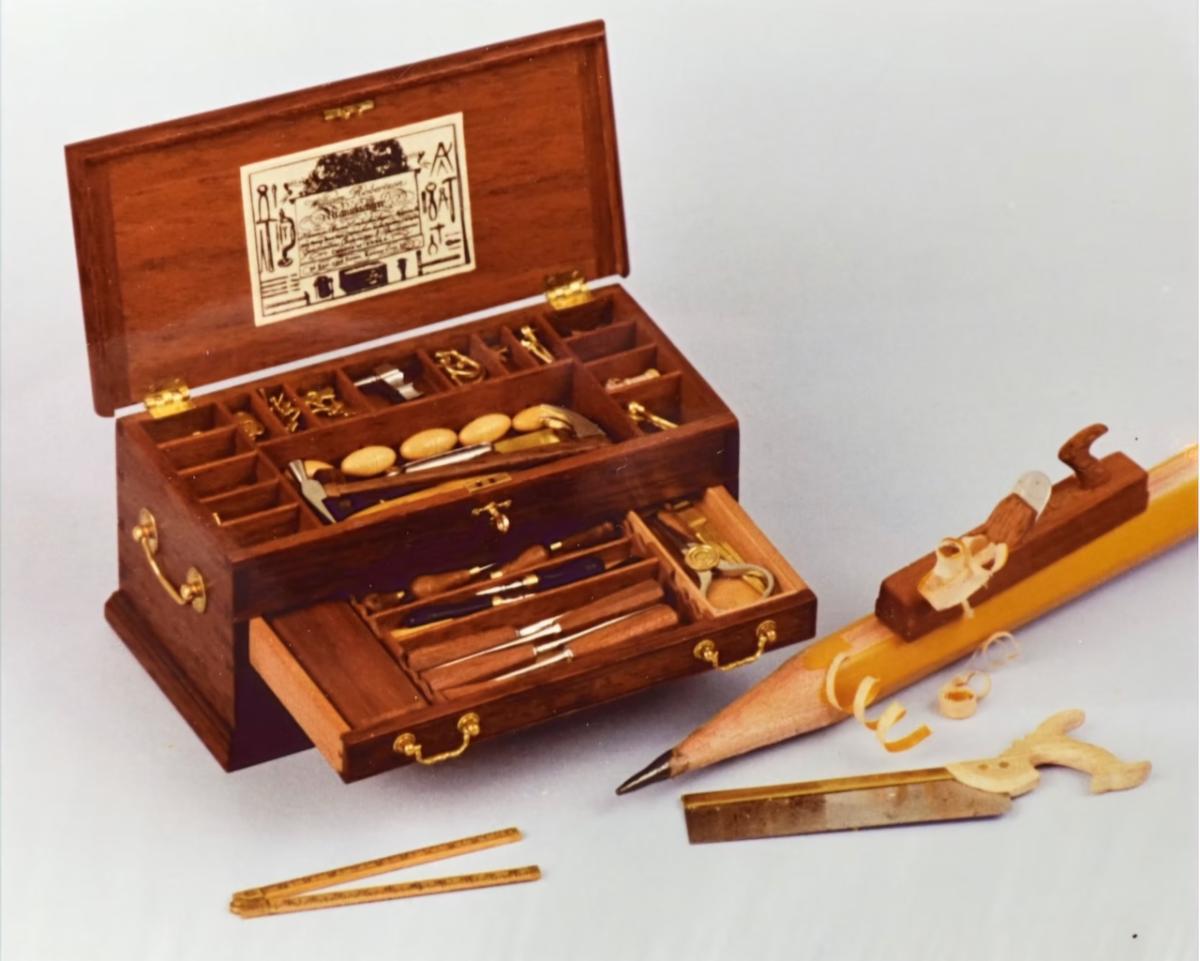
That first desk would be the start of a now nearly fifty-year career and the journey of hundreds of miniature objects that would take William around the world to discover and share these objects’ stories. With each new project comes a challenge to do it even better than the last. And, these are not models that just look right from five feet away. Each miniature is built like the original to exacting detail and in perfect scale. Furniture is made with the same period accurate joinery even when the extent of this effort can never be seen after assembly. Every piece of hardware down to every tiny screw is real, and every mechanism functions like the original. Woodgrain is scaled as closely as possible with the tightest, old-growth grain, and every surface texture, finish, and polish is matched perfectly. Tiny tool marks are left behind by tiny hand tools in the same places and with the same period-accurate methods. To most, this level of detail would be described as “painstaking.” To William, this work is calming. “That’s the only way I know how to make things,” he says of his process. It is about the story as much as it is about the beautiful finished piece. Many of these objects come together into dioramas that are precisely captured moments in time.

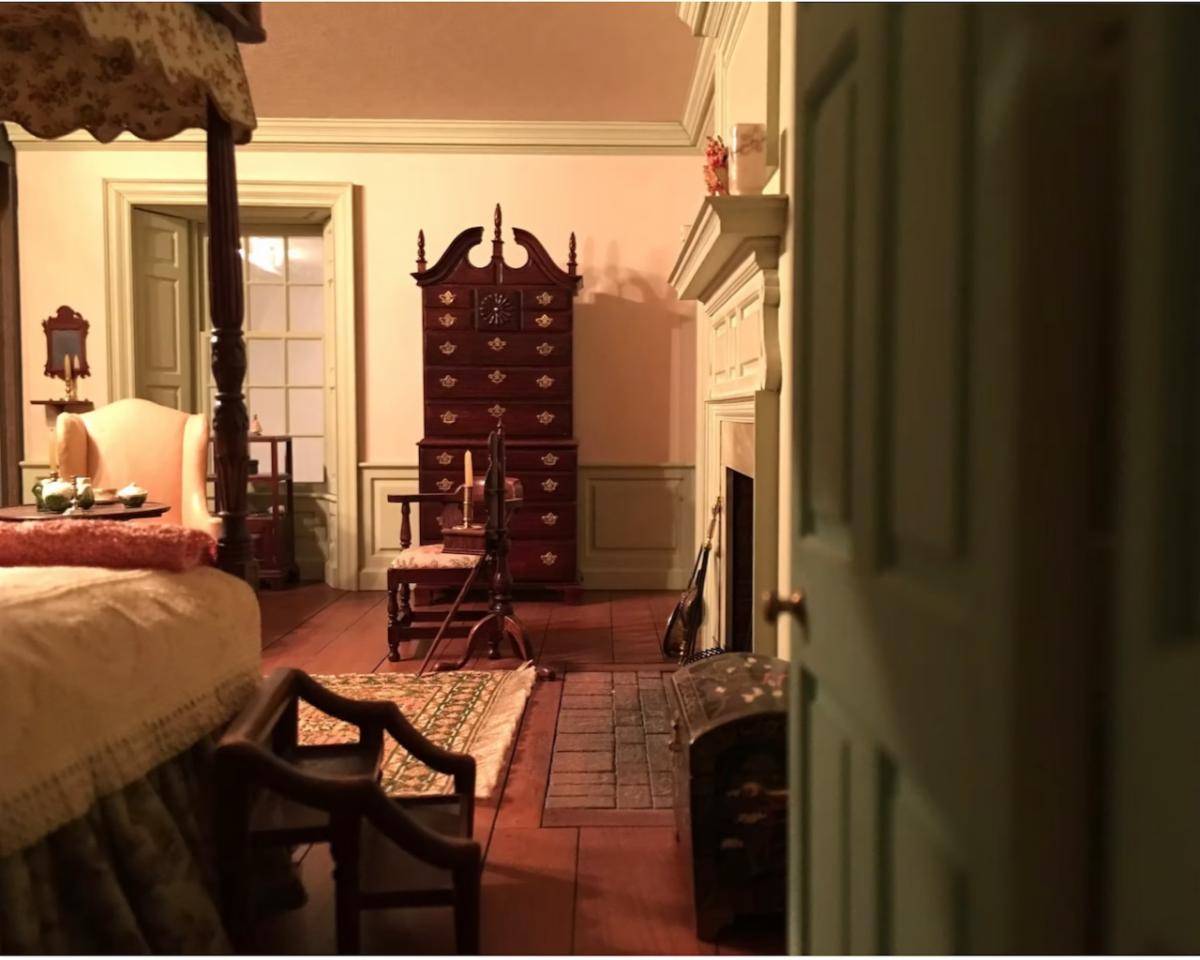
Peaking into a room in Twin Manors, a 1/12 scale, 18th C Georgian home

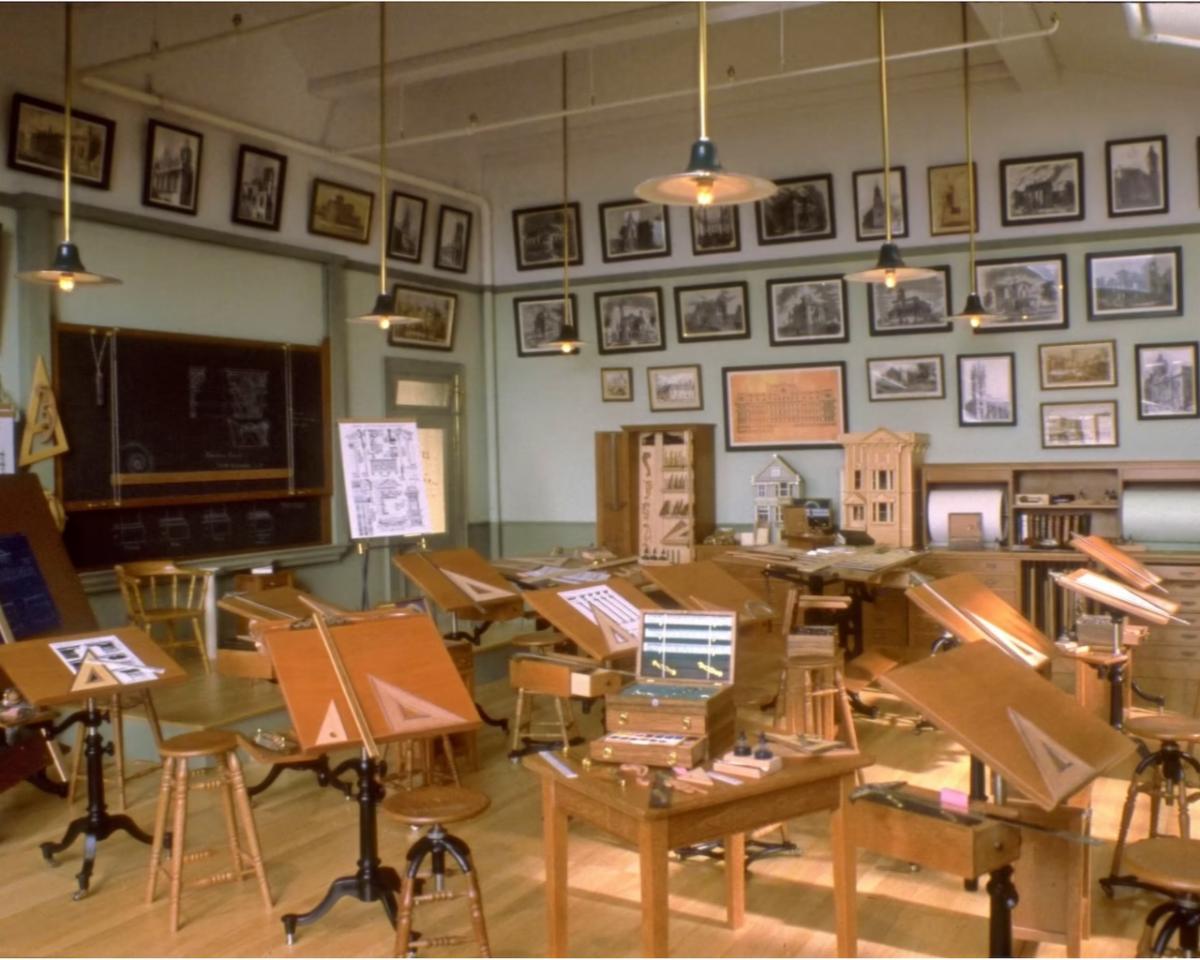
Architect's Classroom c. 1900 in 1/12 scale

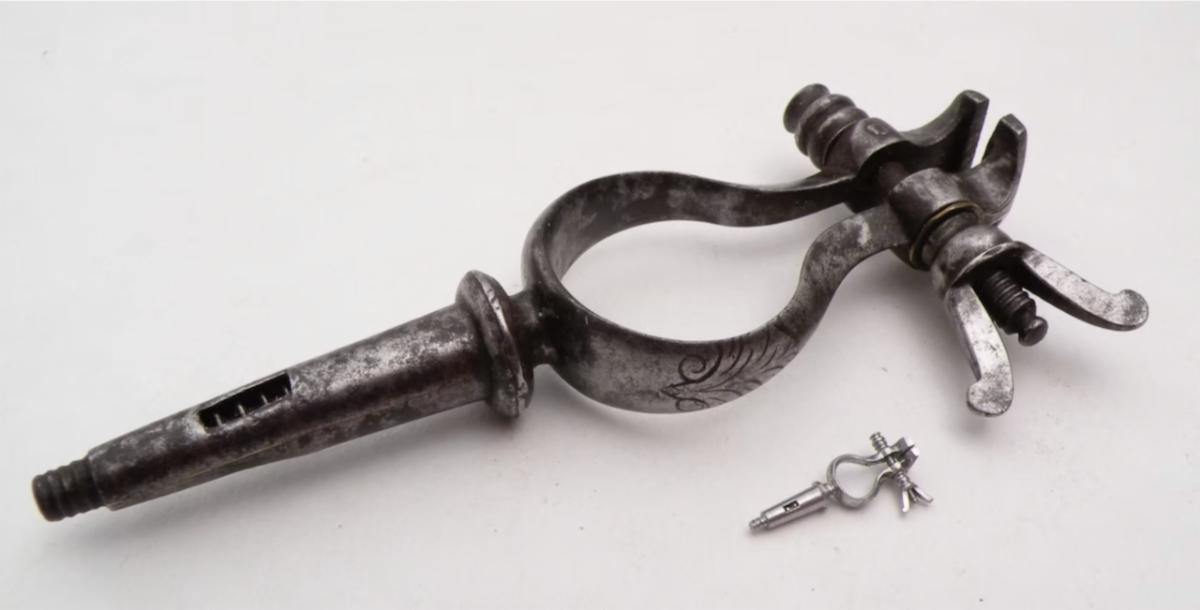
17th C. hand vise and its miniature replica

William has been a tool historian about as long as he’s been a miniaturist. It started with the purchase of an antique watchmaker’s tool catalog for $2, an investment that would cost him a small fortune as he set out to collect the entire catalog and go on to fill his shop and home with antique tools and machines. Through his research, his work replicating masterpieces, and his use of and inspiration from antique tools, William participates in a direct conversation with the craftspeople of centuries past. It is a process of discovery, and the stories these objects tell is worth more than their weight in gold. In his own work, William alchemises bits of wood, metal, bone, paper, and fabric into new, little objects of wonder that have the same draw of discovery—asking the same questions—that inspire more craftspeople to join the conversation.  

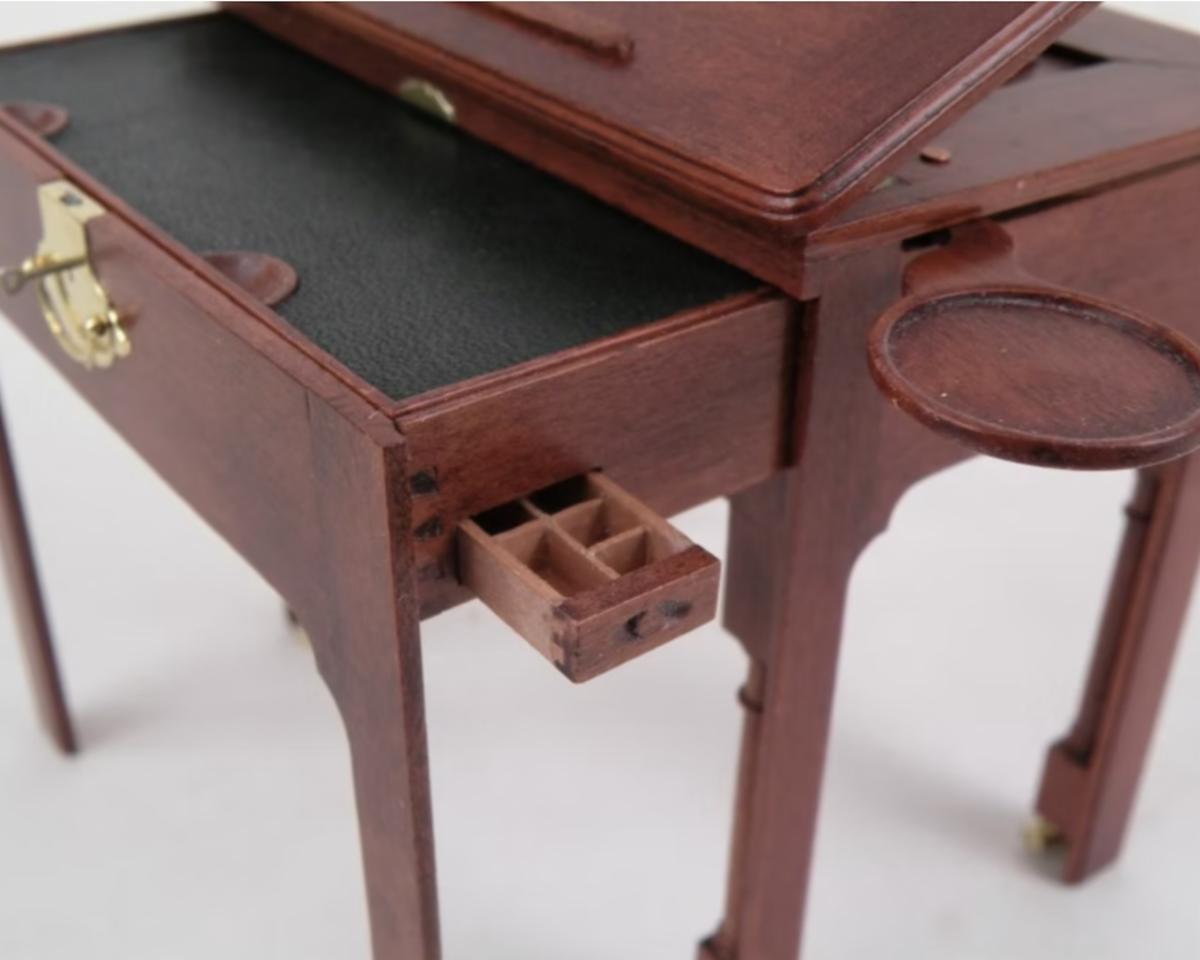
Architect's table c. 1770

17th C hand vise and its miniature replica

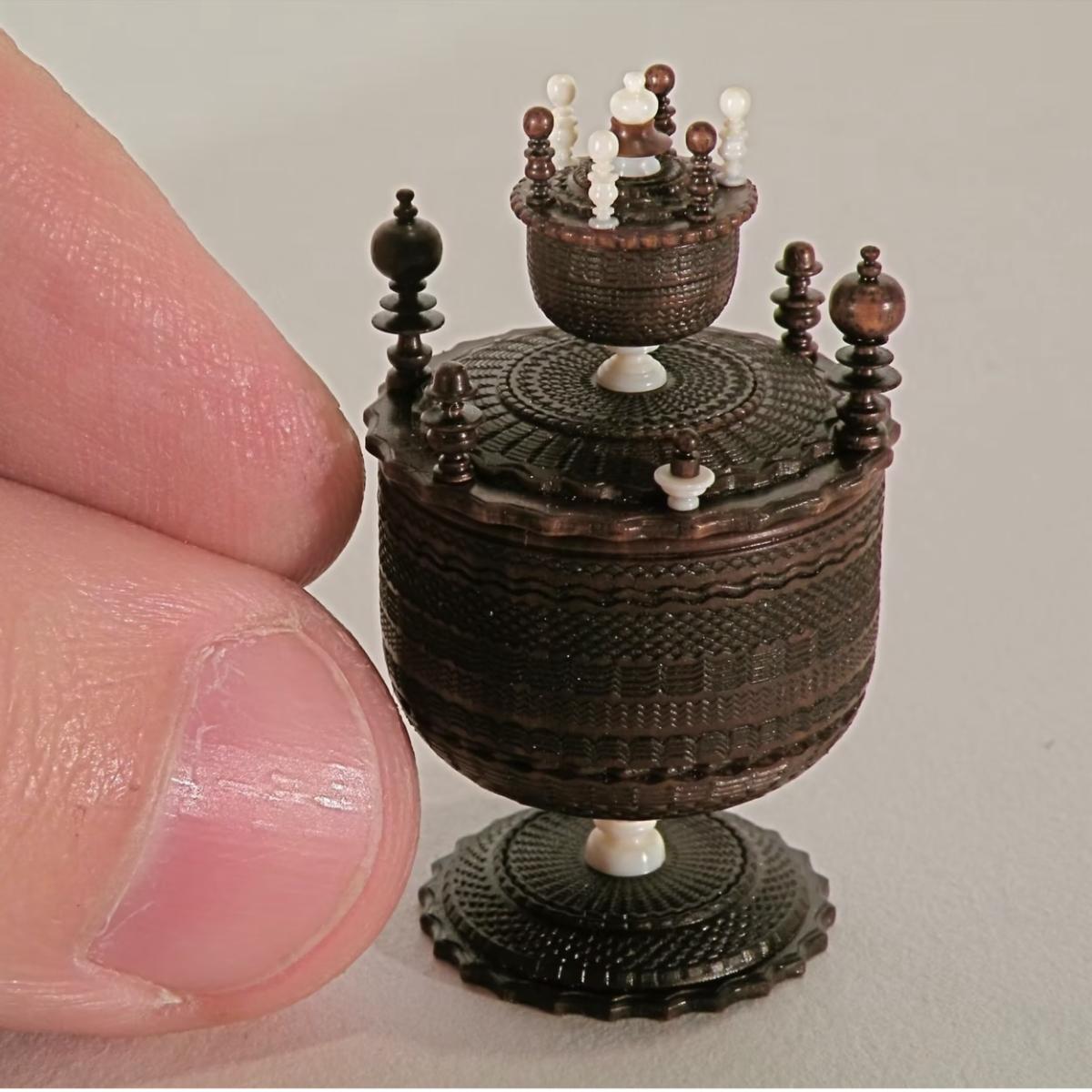
Wassail Bowl c. 1600 in Lignum Vitae turned on a antique trade rose engine from the Cartier workshop

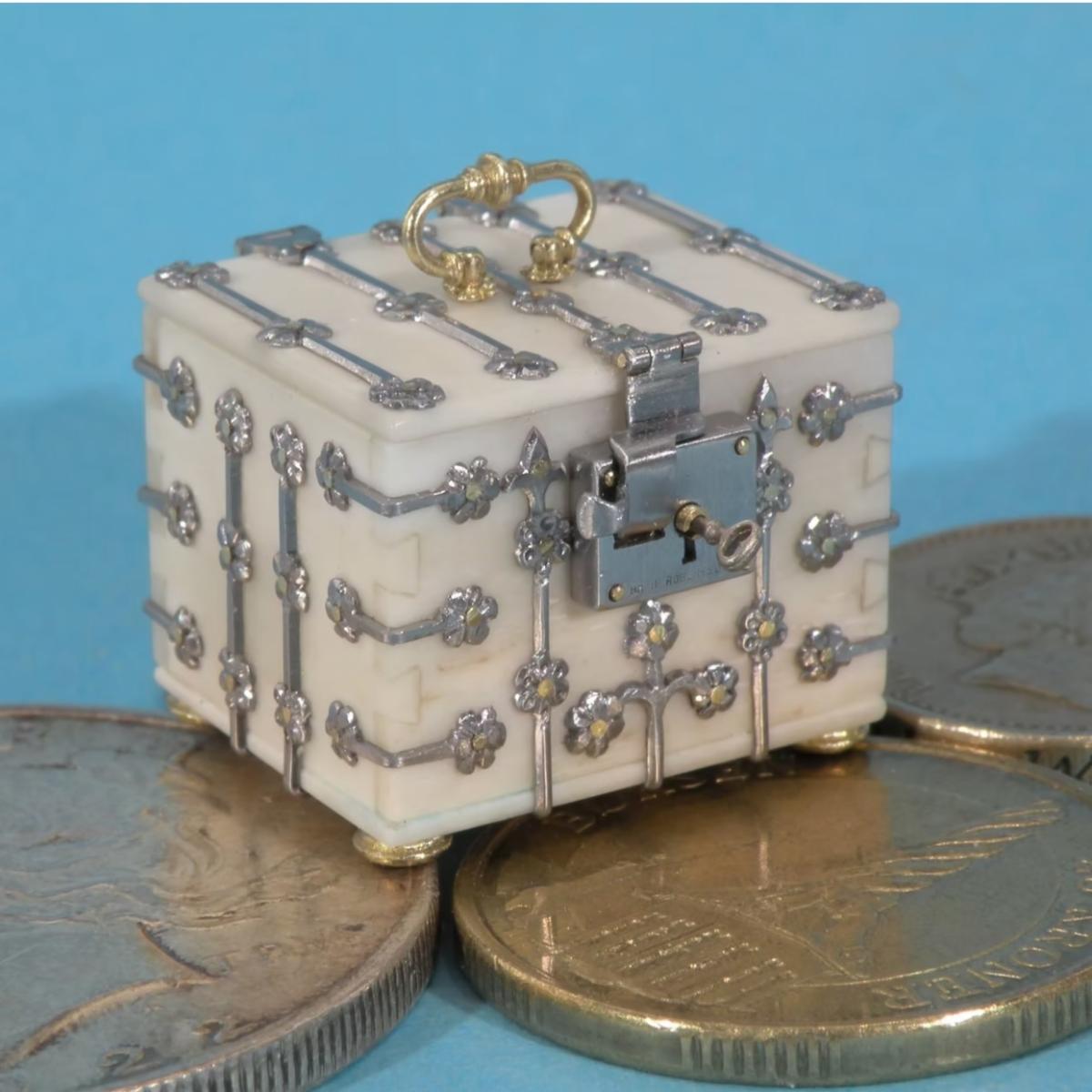
14-15th C bone chest

Don’t miss William Robertson’s presentation on his journey in craft and his process at our Fall Gathering! You can learn more about William on his website and keep up with his work by following him on Instagram. 


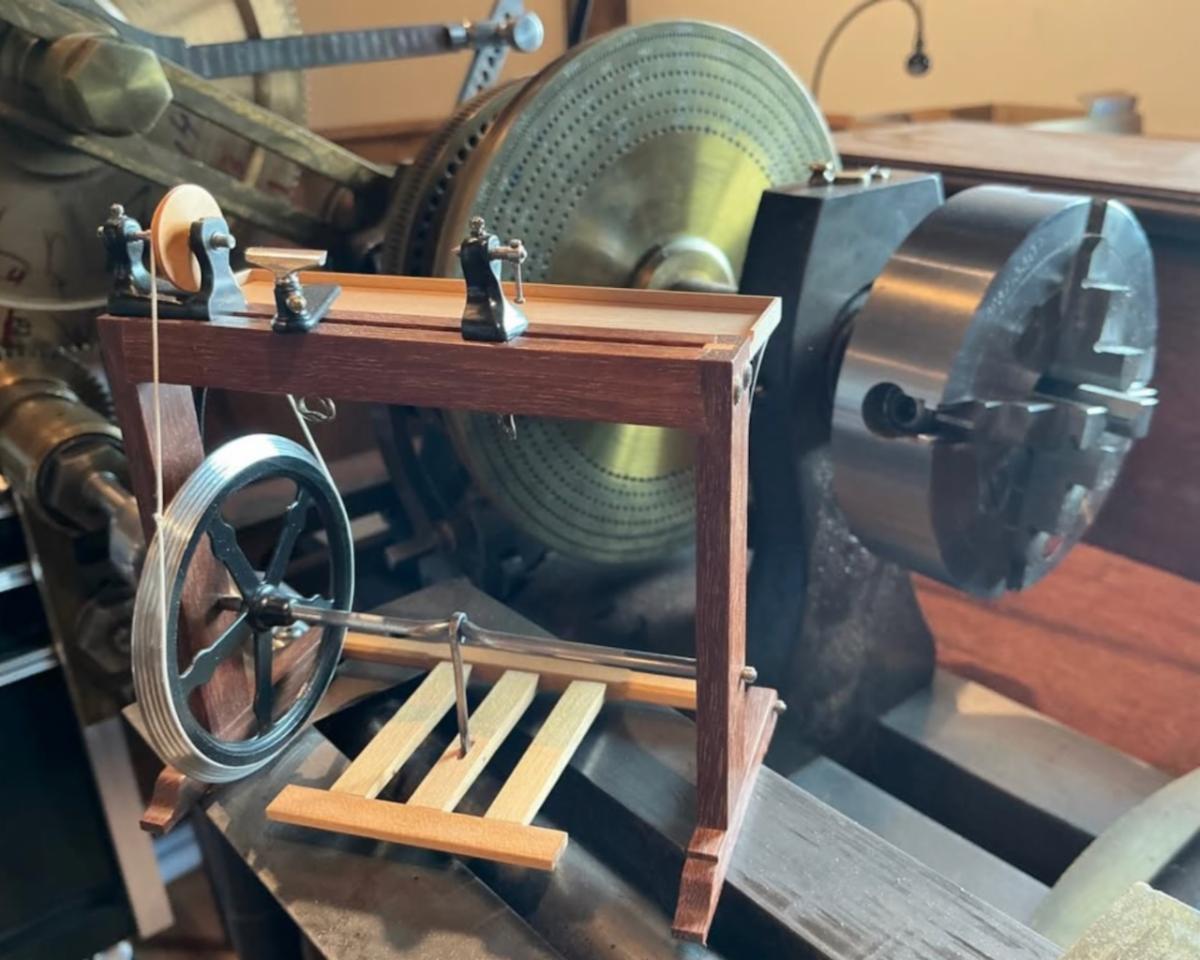
Holtzapffel & Deyerlein lathe c. 1810 on Plumier's Holtzapffel #2195


Plumier Fall Gathering - October 23-25, Saltsburg PA


Tickets for the weekend are $650 for members and $700 for nonmembers. Plus-one tickets are $150. This will include lunch and dinner on Friday and Saturday. To register, please email Jackie at jackie@plumier.org. Space is limited, reserve your spot in the Fall Gathering today! 


Take advantage of the discount by becoming a member before you sign up!

If you have any questions about the event, reach out to info@plumier.org.

Please consider contributing to our Scholarship Fund to help us bring young craftspeople to the event.


Sincerely,


David Lindow


Support craft, support Plumier.


The best way to support is by joining us as a member today. 


One-time contributions can also be made through our website or GoFundMe. Also, consider making a targeted contribution to our Scholarship Fund. 


A check sent to the address below is also a welcomed form of donation.


Facebook  Instagram  Youtube