|
Healthy Soils is a 2023 initiative of the Santa Fe Farmers’ Market Institute that will contribute to more profitable farm production while improving the environment. “This initiative is based on the understanding that building healthy soil can reduce the need for conventional farm inputs and interventions such as herbicides, pesticides and chemical fertilizers, while also reducing water consumption and, often, increasing productivity,” said David Sundberg, Institute Program Development Director.
The goal of the program is to provide funding to implement soil building practices with the partner aid of New Mexico Healthy Soil Working Group. A critical part of this process is to test the soil biology, structure and available nutrients, as well as the plants and produce growing in the soil, for their health and nutrient density. These tests would provide valuable information for the practices that have the greatest impact on soil health in the region and on the food produced.
N3B, the Los Alamos Legacy Cleanup Contractor, funded the initial phases of this program. The company’s focus on environmental remediation and waste management made them a perfect partner for this program.
The first phase of the program was to identify farmers and ranchers interested in regenerative farming practices. Four Española farmers were eager to participate: 2022 Farmer All Star Anna Maria Alcantar of Rocio Produce and her sister Estela Alcantar of Estela Alcantar Produce, Antonio Orozco of Tony’s Farm, and Reynal Orozco of Orozco Farm. Rancher Andrew Greer of Lazy BG based in Dilia, New Mexico, also participated.
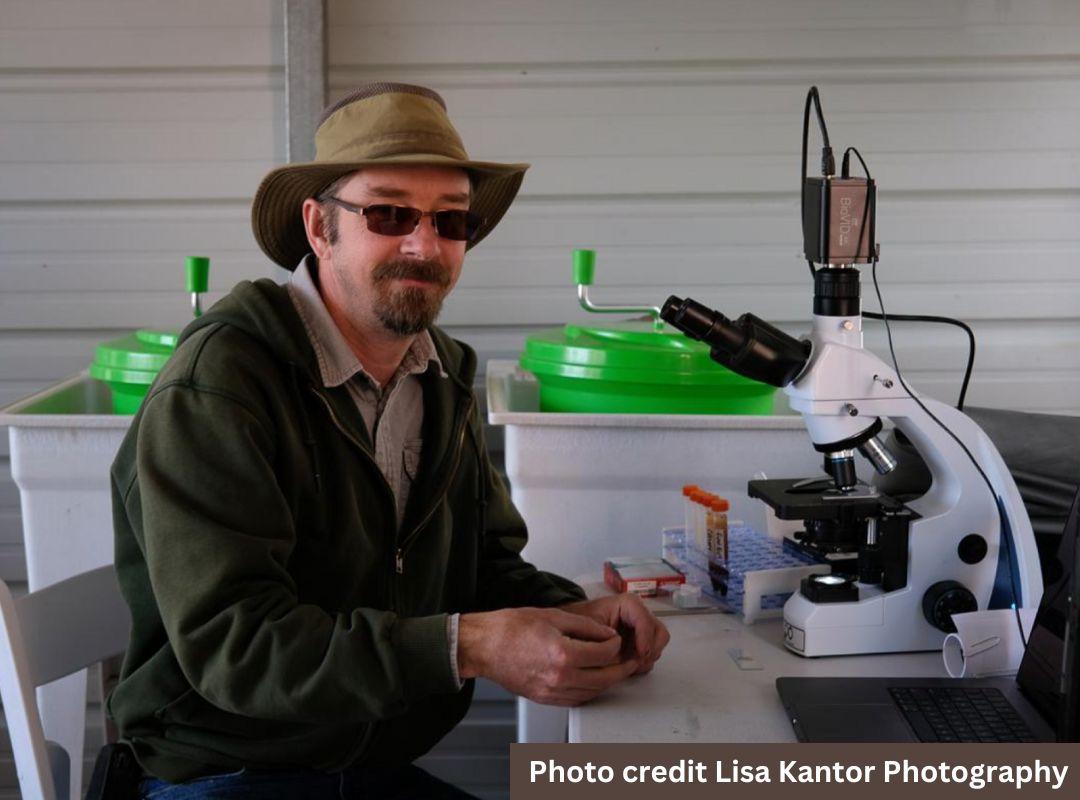
The second phase of the program was to test the soil on each property. Certified Soil Web Lab Technician Josh Weybright and Steve Kadas, a former USDA National Resource Conservation Service Officer, served a consultants on this next step. The results in hand, Kadas then helped each farmer and rancher develop a conservation plan to submit to the Soil and Water Conservation District in each farm area. “With many options to choose from, the team focused on cover cropping, adding carbon amendments, and applying beneficial biology,” Sundberg said.
Once the conservation plan was approved, Continue Reading...
|