News and information to help journalists serve the public and stay safe.
June 8, 2020
In these “hyper-partisan” times — and with a presidential election around the corner — journalists are under more scrutiny than ever. 

Most news organizations prohibit contributions to political candidates, parties and campaigns. But how does this vigilance apply to charitable donations? Should journalists avoid giving money to social causes or charities, too? 

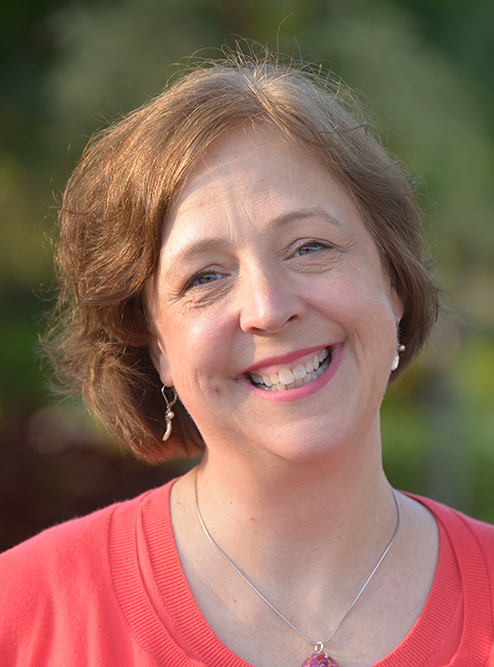
We spoke with Kathleen Bartzen Culver , the James E. Burgess Chair in Journalism Ethics, director of the Center for Journalism Ethics and an associate professor at the University of Wisconsin-Madison School of Journalism & Mass Communication, about policies and guidelines news organizations can adopt for journalists who may wish to donate to charities or social causes.

“I do not believe journalists surrender their personal lives when they take on this work,” Culver said in an email. “We are allowed to be people too and support causes that matter to us. ” 

Among her suggestions:

  • Do not donate to any political campaign or party.
  • Do not donate to any cause closely related to issues or people you cover. 
  • Donate only to non-partisan causes. 

“That last one gives me pause,” Culver says. “In these hyper-partisan times, causes and issues have been politicized in ways I wouldn’t have predicted. A few months ago, a journalist might have been moved to donate money or materials to produce masks in response to COVID-19. Now wearing a mask appears to be ‘taking a side.’ “

What are ethical considerations for journalists who wish to donate money to charities or social causes?

Culver : This is another of those cases in which journalists have to be concerned not just with the reality of a conflict of interest, but also the appearance of one. As a reporter, I may well be able to donate to causes that matter to me and remain able to use objective methods in reporting. Yet some people may be able to use that donation as a cudgel when accusing me of bias. 

The key question for journalists is: Does this donation adversely affect my ability to report fairly? If it doesn’t, how would I explain that to someone who feels otherwise? 

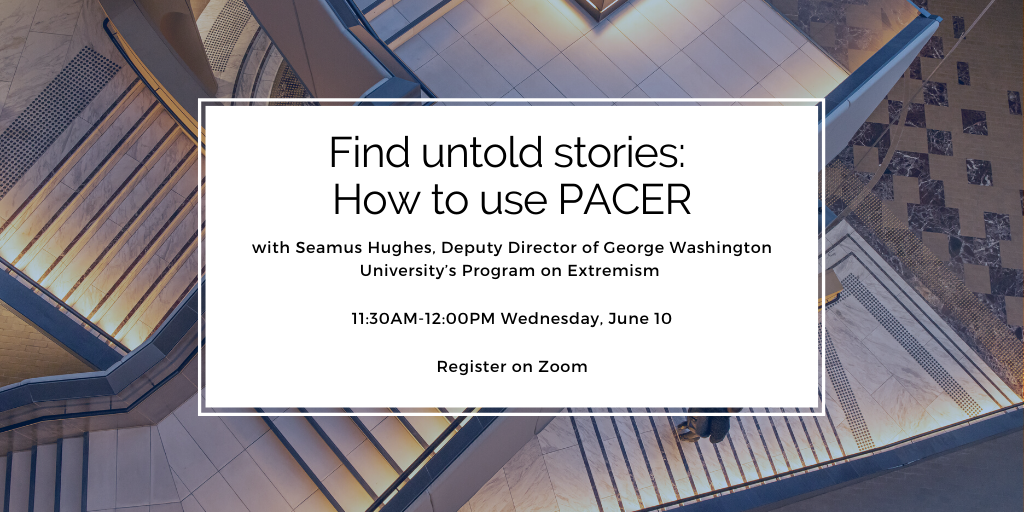
Court records are filled with untold stories, but PACER, the federal court records system, is antiquated and hard to navigate. Join  Seamus Hughes , deputy director of George Washington University’s Program on Extremism, for a workshop on using PACER to source articles related to the pandemic, protests and more. 

Registration is open . Seats will be limited and this session will not be recorded, so grab a spot while you can.
The National Press Club Journalism Institute is spotlighting the next generation of journalists , students graduating from college or Master’s programs this spring into a challenging job market , in hopes they’ll meet future bosses and colleagues here who will reach out and support them in building journalism’s future together. 

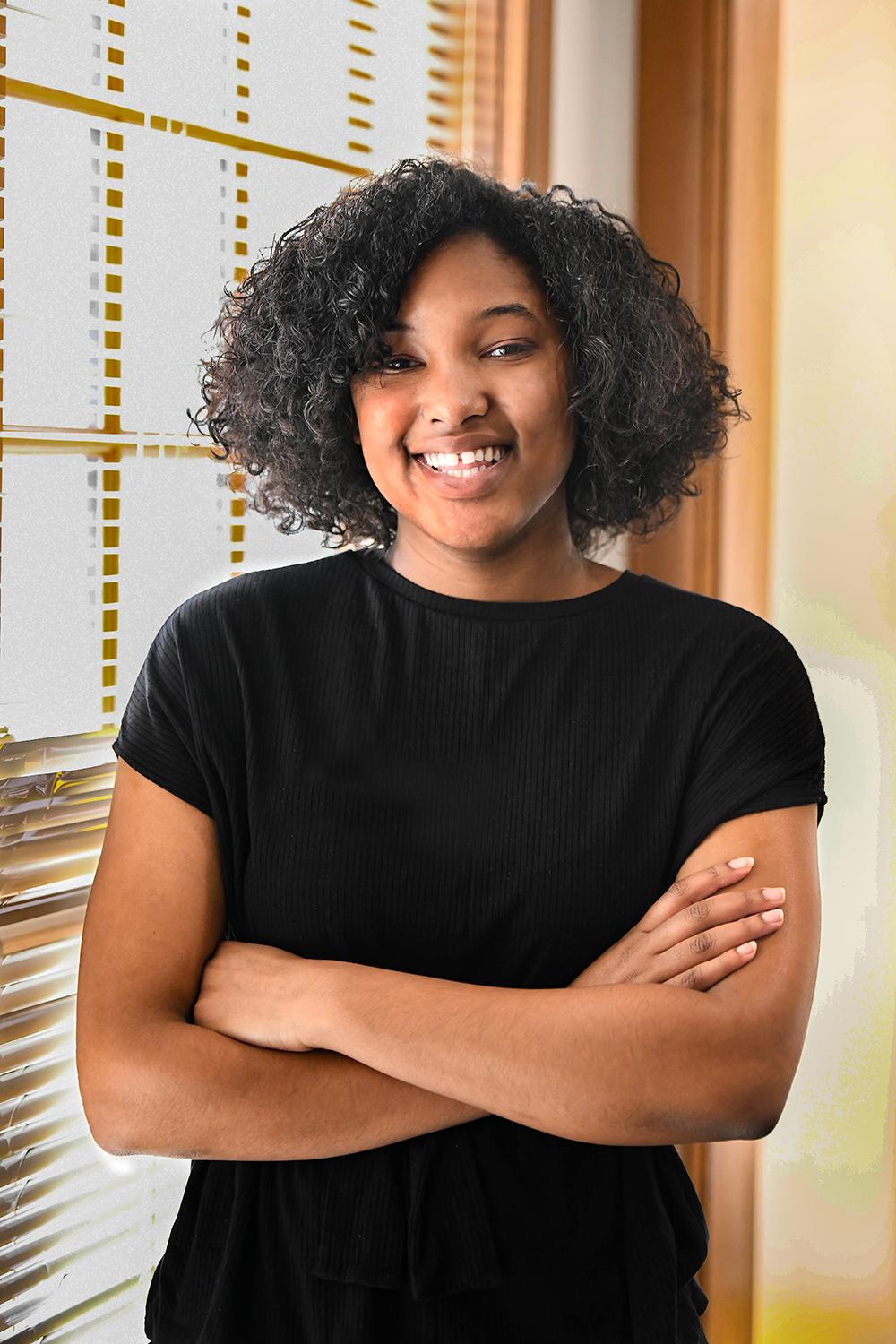
Name : Carol Wright
School : American University
Location : Washington, D.C.
Founder & EIC : Nyota Magazine
Internships : Music Week, Dinner Table Doc, 9:30 Club

What's been your best moment in journalism?

Wright :  My best moment in journalism was creating my online magazine Nyota and fully immersing myself in the world of interviewing and editing.

What's the wackiest story you've worked on? 

Wright : The article itself isn't wacky, but it's the first piece that I had published for my internship at Music Week , which is a music magazine based in London and I still think it's wacky that I got to write for a publication outside of the United States. 

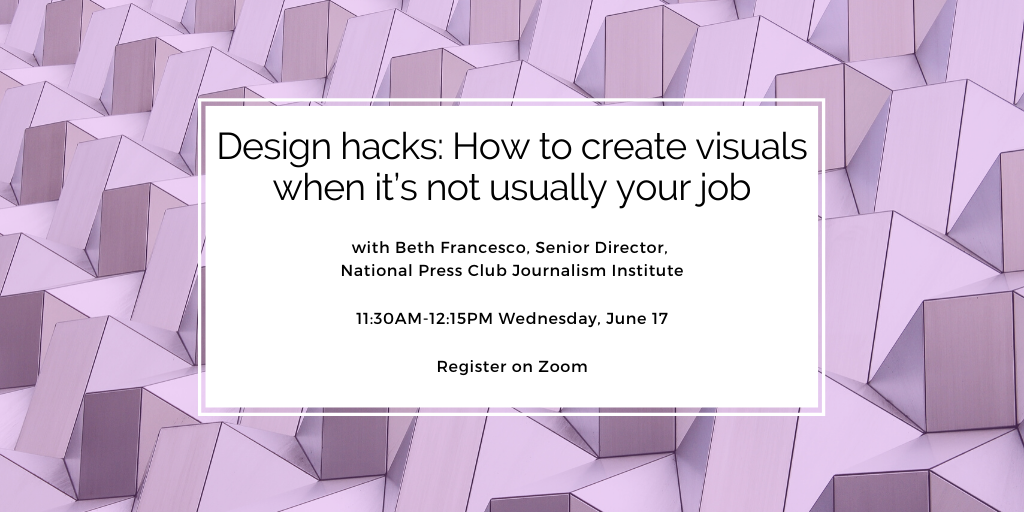
In our scroll and skim culture, dynamic visuals can make the difference in whether a reader engages with a story. But not every story can attract a graphic design professional’s time in the newsroom, especially in the continuing pandemic news cycle. If you’re a reporter, editor, social media manager now handling (or who wants to handle) quick-turn graphics, get a head start with our hacks for designing visuals when it’s not usually part of your job. 

Beth Francesco , the National Press Club Journalism Institute’s senior director, will share best practices, tools you have you have at your disposal from home, and exercises for creating visuals regardless of your hands-on design experience. Registration is open .  
Sharing self-care practices has become omnipresent in 2020. Today, we’re sharing how Black writers, journalists, and activists are practicing wellness now. 


Read on for more self-care tips, or share your own .
RESOURCES

You're making a lot of important calls about coverage in your newsrooms right now, and word choice is an important part of those decisions. RTDNA is hosting a discussion on Thursday at 2 p.m. ET about how journalists can be accurate, independent and accountable for the language they use, including about ongoing protests. Register here for the webinar .

This newsletter is written & edited by the National Press Club Journalism Institute staff: Beth Francesco, Holly Butcher Grant, Jim Kuhnhenn, and Julie Moos. Send us your questions and suggestions for topics to cover.

Get this from a friend? Subscribe , and view the archives .