The Ohio Water Resources Center Newsletter
Issue 11 | Volume 8 | November 2026
| | |
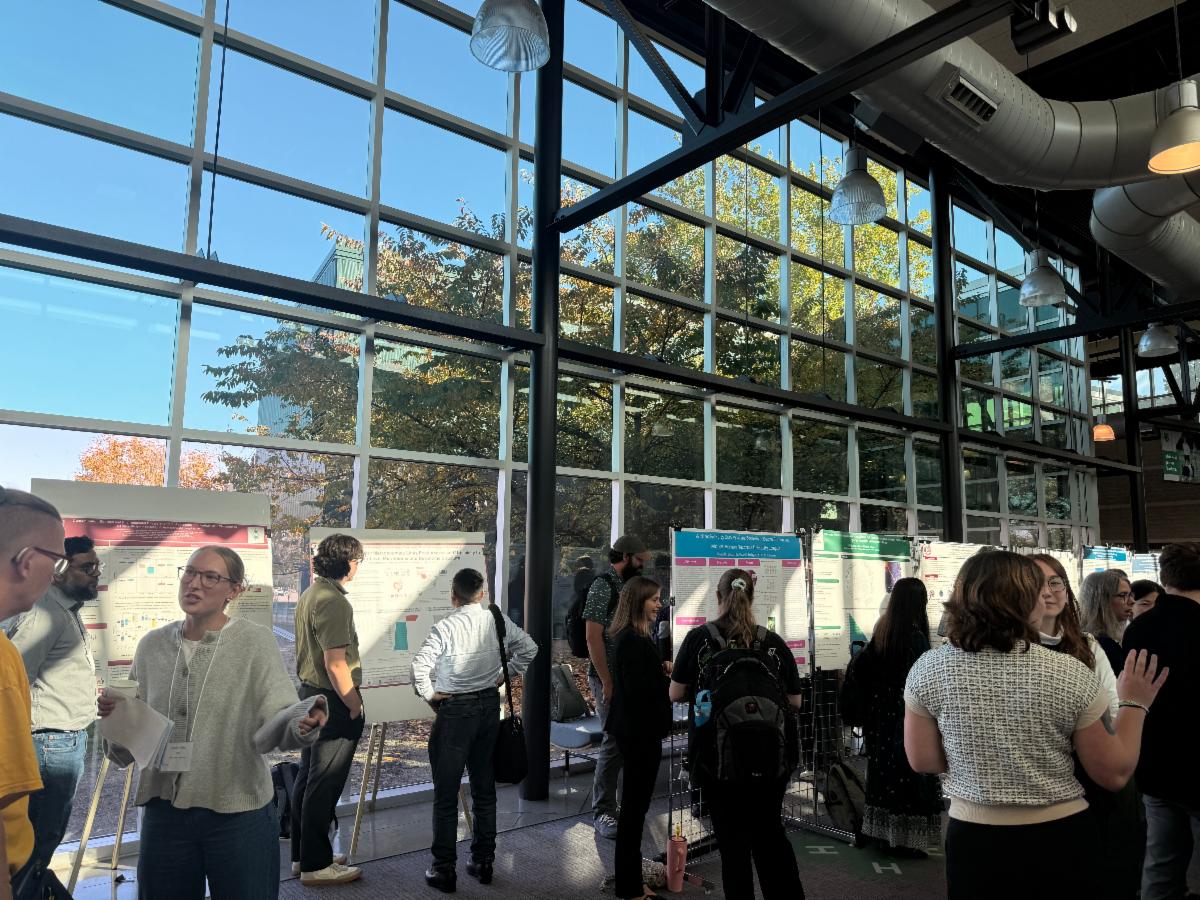
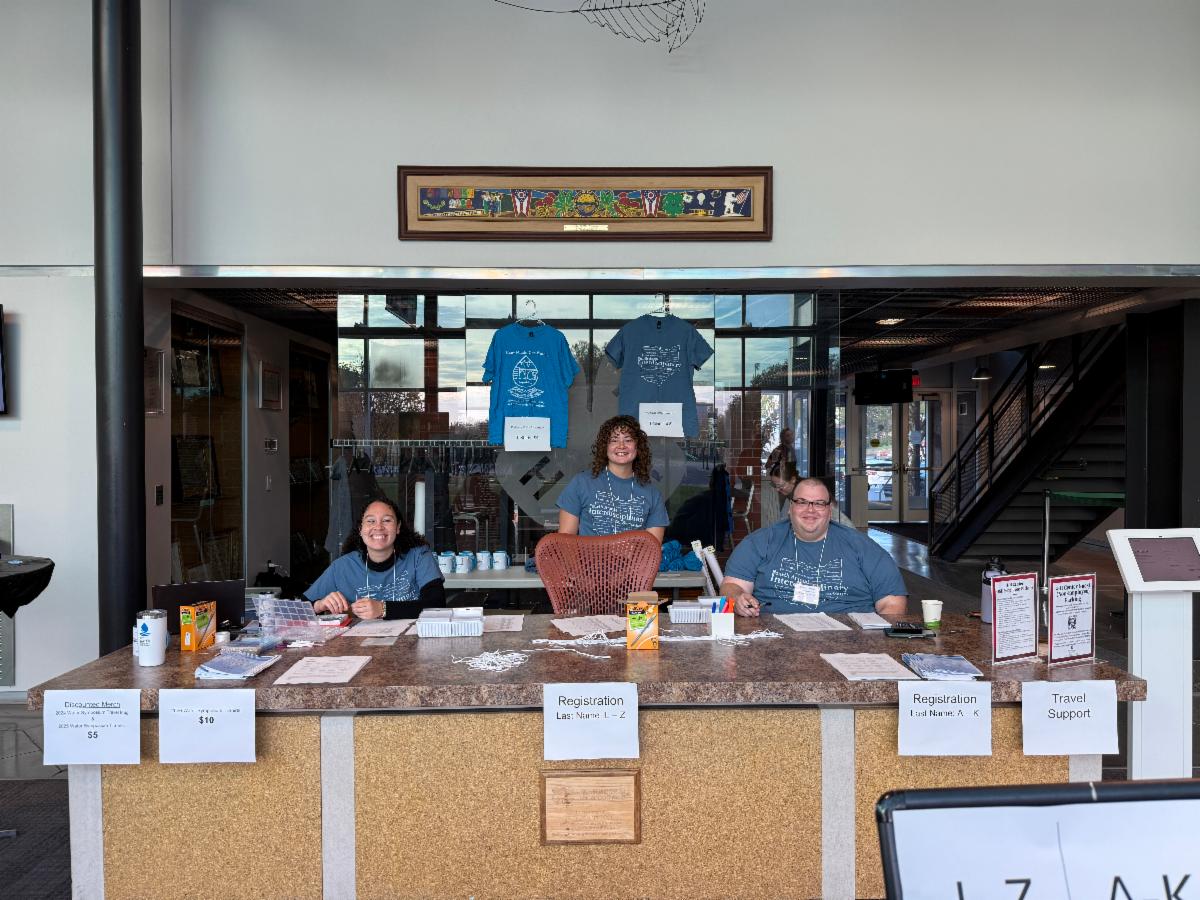
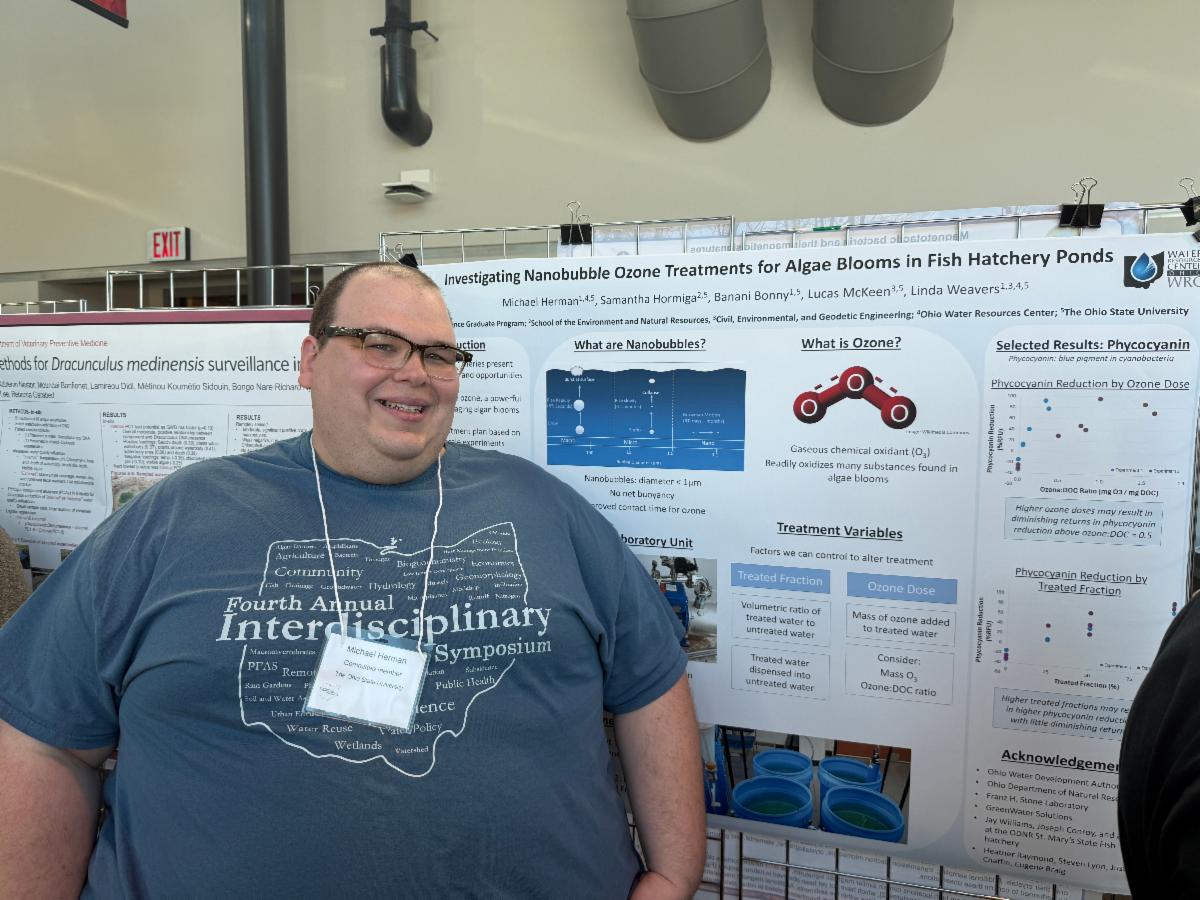
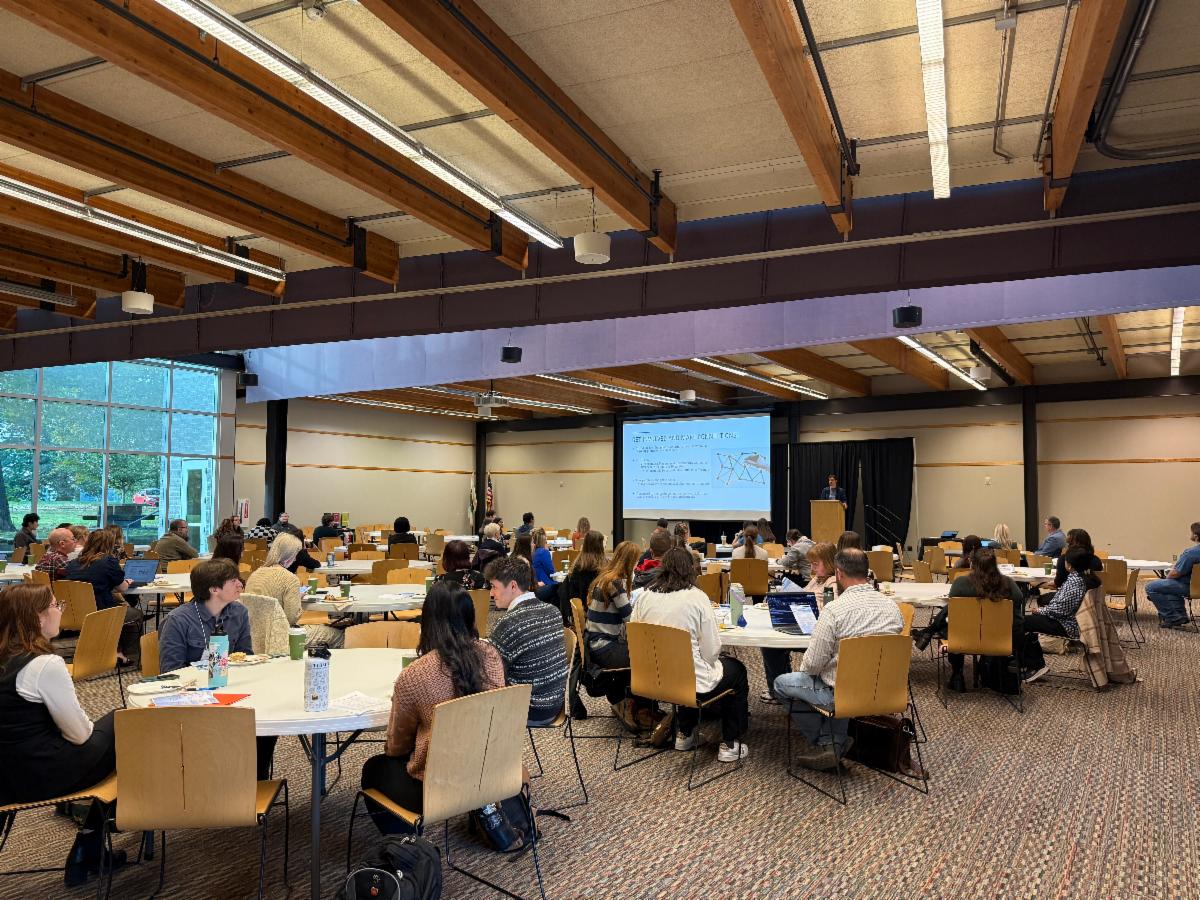
Thank you to all who visited, supported, and presented at this year’s Interdisciplinary Water Symposium! Throughout the day, over 150 students, faculty, researchers, and practitioners heard from experts such as keynote speaker John Logue — Director of the Ohio Environmental Protection Agency — and fellow water researchers.
A special shoutout to the graduate student organizing committee — including the center’s own Haleigh Fernandez and Michael Herman — for their tireless work in bringing everything and everyone together. We look forward to seeing everyone next year.
Feeling nostalgic already? Click here for photos from the event.
| |
|
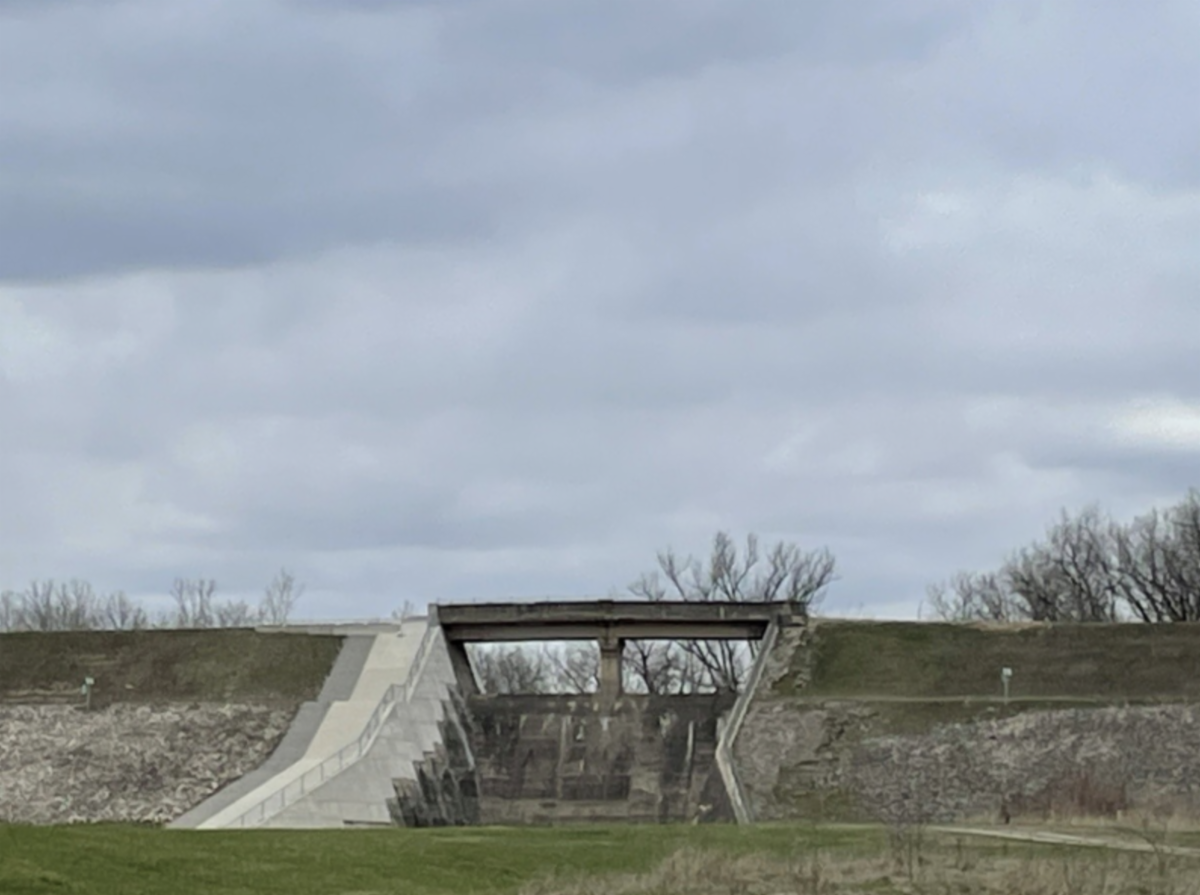
PI Chia-Yu Wu and Dr. Donald Chase of the University of Dayton recently completed a 104(b)-base-grant-supported research project on flood vulnerability in southwestern Ohio, with a particular focus on the Dayton metropolitan area. Flooding has historically damaged communities throughout the region, with the Great Dayton Flood of 1913 taking an estimated 360 lives. Despite improvements in flood protection infrastructure, concerns remain about how future flood events may affect local communities, particularly as flooding frequencies and intensities are predicted to increase. Historical redlining and demographic changes have also shaped the distribution of socially vulnerable populations in the area, with many underserved and minority communities located near the Great Miami River (GMR).
The research team successfully identified communities with the highest levels of flood vulnerability by integrating a Social Vulnerability Index with flood exposure data. They also applied hydrological, hydraulic, and geospatial modeling techniques to simulate rainfall-runoff processes and predict the extent of flooding across the GMR and its surrounding watersheds. The findings highlight particularly vulnerable communities in eastern and northeastern Dayton, as well as in the nearby cities of Fairborn and Xenia. These results can be used to better prepare for and mitigate extreme flooding events, as well as inform future infrastructure projects.
For more information, read a summary of the project here.
| | | |
|
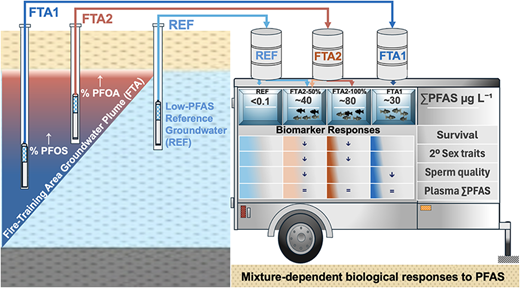
Per- and polyfluoroalkyl substances (PFAS) are long‑lasting contaminants found in groundwater and surface water across the United States. A recent USGS mobile‑laboratory study showed that fish exposed to PFAS‑contaminated groundwater take up PFAS in different patterns than what is found in the water itself. These internal PFAS profiles, which reflect the mix of individual PFAS compounds rather than just total PFAS levels, provided clearer insight into biological effects. Fish exposed to the contaminated groundwater showed molecular, cellular, and organismal responses that may affect overall health, including changes in sperm performance and other reproductive indicators.
The study demonstrates that PFAS can move into connected surface waters, and create exposure pathways for aquatic organisms, wildlife, and people who consume affected fish.
| | | |
Ohio EPA: Final file of WQS and NPDES rules
The Division of Surface Water has adopted final revisions to two Implementation of Water Quality Standards (WQS) rules and two NPDES rules. The updated rules will go into effect on November 12, 2026.
Ohio EPA: Early stakeholder outreach for water well standards
The Division of Drinking and Ground Waters is seeking input on proposed rules governing well siting and construction, pumping tests, and monitoring wells. Comments can be submitted via Smart Comment until November 23, 2026.
Ohio EPA: Interested party review for DSW rules
The Division of Surface Water (DSW) is accepting comments on select “No Change” rules in accordance with the five-year rule review requirements in the Ohio Revised Code. See the full list of affected rules — as well as the accompanying Common Sense Initiative Business Impact Analysis form — here. Comments can be submitted via Smart Comment until November 30, 2026.
Ohio EPA: Original file of rules governing Long Term 2 Enhanced Surface Water Treatment
The Division of Drinking and Ground Waters has proposed new rules governing Long Term 2 Enhanced Surface Water Treatment (LT2), a regulation under the Safe Drinking Water Act designed to improve drinking water quality and reduce illnesses from microbial pathogens. There will be a virtual and in-person public hearing on the rules at 10:30 a.m. on December 4, 2026, in the EPA Summer Conference Room at the Lazarus Government Center, 50 West Town Street, Suite 700, Columbus, Ohio 43215. Participants must register here. Written comments can be submitted via Smart Comment until December 4, 2026.
| | |
Call for abstracts: 2027 Emerging Contaminants in the Environment Conference
April 20-21, 2027 • Virtual
The 2027 Emerging Contaminants in the Environment Conference (ECEC) will feature presentations on the latest in emerging contaminant research, policy, and outreach in the soil, water, air, and built/human environments. Please note that this year’s conference will be virtual; in the future, ECEC will be entirely virtual in odd number years (e.g., 2027, 2029, 2031, etc.) and in person only in Champaign, IL, in the even years. Abstract submissions are open until December 1, 2026. Applications for undergraduate student scholarships are due by March 17, 2027. See more details here.
Funding opportunity: Lake Erie Community Grant
Funded through the Great Lakes Restoration Initiative (GLRI), the Lake Erie Community Grant supports projects that protect and improve environmental issues in the Lake Erie watershed. Awards will be between $150,000 - $350,000. Any organization within the watershed working to protect water, land or community health in the Lake Erie watershed is encouraged to apply. Applications are due by December 16, 2026, and more information on applying can be found here.
| |  | |
Call for abstracts extended: 2027 Ohio Stormwater Conference
May 5-7, 2027 • Sandusky, OH
The 2027 Ohio Stormwater Conference will be celebrating its 20th iteration this spring. Presented by Tinker’s Creek Watershed Partners and the Ohio Stormwater Association, this conference welcomes engineers, regulators, consultants, municipal officials, watershed professionals, and vendors showcasing stormwater industry technologies and services. Abstract submissions are open until November 9, 2026, and can be found here. Click here for more event details.
Call for abstracts: One Water Conference
August 23-26, 2027 • Columbus, OH
The One Water Conference brings together more than 2,000 utility leaders, operators, engineers, regulators, researchers, manufacturers, and service providers to explore the most important challenges and opportunities facing Ohio’s water sector. Organizers are seeking presentations that address real-world utility challenges, including infrastructure investment, regulatory compliance, workforce development, emerging contaminants, water reuse, digital technologies, operational excellence, and long-term utility planning. Abstract submissions are due by December 15, 2026, and more information can be found here.
| | | |
A2/River Network Climate Resilience and Adaptation Webinars
November 5, 12, 19, 2026 • Virtual
The Anthropocene Alliance (A2) and River Network are hosting a new webinar series on climate resilience and adaptation every Thursday until November 19, 2026. Topics include ecological remediation, buffer zones, and community land trusts. Click here for more information and to register.
Freshwater Science: Study of Ancient Sediments Yields New Insights on Lake Erie Water Quality
November 18, 2026 • Virtual
This webinar — hosted by Ohio Sea Grant — will feature research from Dr. Beverly Saylor of Case Western Reserve University. Her ongoing research uses sediment cores to study how nutrients, contaminants, and sediment accumulation influence harmful algal blooms, low-oxygen zones, and overall water quality in Lake Erie. Register for the webinar here.
AGU26 Hydrology Session H077
December 7-11, 2026 • San Francisco, CA
This session of the American Geophysical Union’s annual meeting will address heavily stressed aquifers under agricultural, human, and energy demands. It aims to bring together studies that investigate the processes, patterns, and impacts of groundwater depletion across aquifers globally. See more information here.
| | |
Get in Touch
Email: OhioWRC@osu.edu
Website: https://wrc.osu.edu
Address: 473 Hitchcock Hall
2070 Neil Avenue
Columbus, OH 43210
| | | | | | |