Growing with Purpose
As the days grow shorter and landscapes glow with autumn color, we’re excited to share more about the plants, people, and practices that set Hoffman Nursery apart. This issue shows how our team supports landscapes from the first cutting in the propagation house to finished design guidance.
Alongside our own stories, you’ll also find articles from trusted voices across the horticulture industry. These outside perspectives—ranging from design insights to cutting-edge research—complement our in-house features and give you a broader view of the trends shaping horticulture today.
| | |
A Quick Glimpse
- Behind the Scenes: Where Great Plants Begin
- Natives & Nurses: How to Succeed with Our New Seed Mixes
- From our Team: Designing with Shade: Grasses that Solve Tough Problems
- Design Spotlight: Using Grasses to Define Space, Movement, and Mood
- Seasonal Stars: Plants that Shine in Fall
- Insights & Inspiration: Voices from Across the Field
- On the Road & Online: Upcoming Events & Trade Shows
| | |
Behind the Scenes
Where Great Plants Begin: Inside Our Propagation & Stock Farms
The path to strong, healthy plants starts well before they leave our nursery. From the propagation house to our stock farms and tissue culture lab, every tray is closely tended by our team. Their care ensures vigorous plants that meet the wide range of needs our customers count on.
| | |
New Propagation House
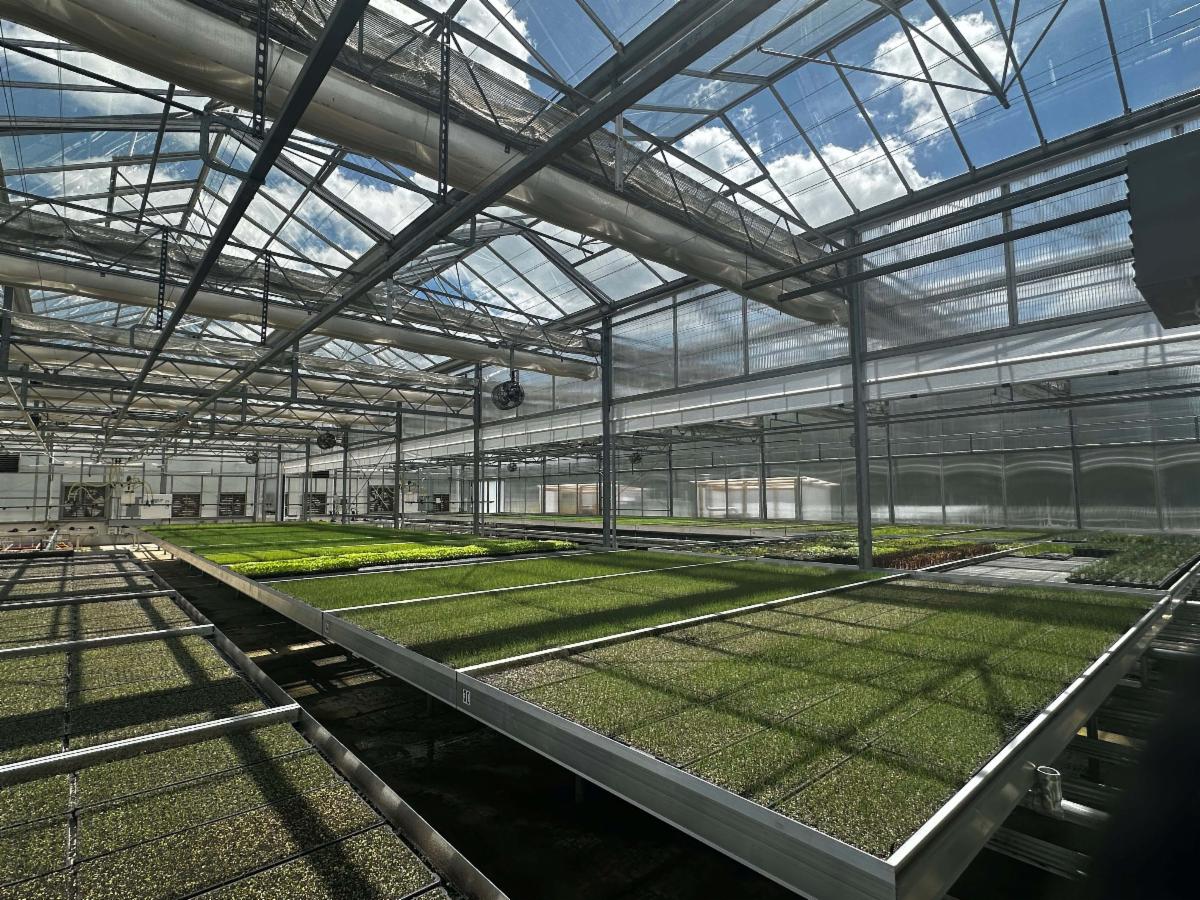
Our climate-controlled glasshouse provides a steady environment where our seed items grow strong and even. This consistent setting delivers uniform growth and reliable, ready-to-plant plugs.
| | |
Victor Chandler & Snow Hill Farms
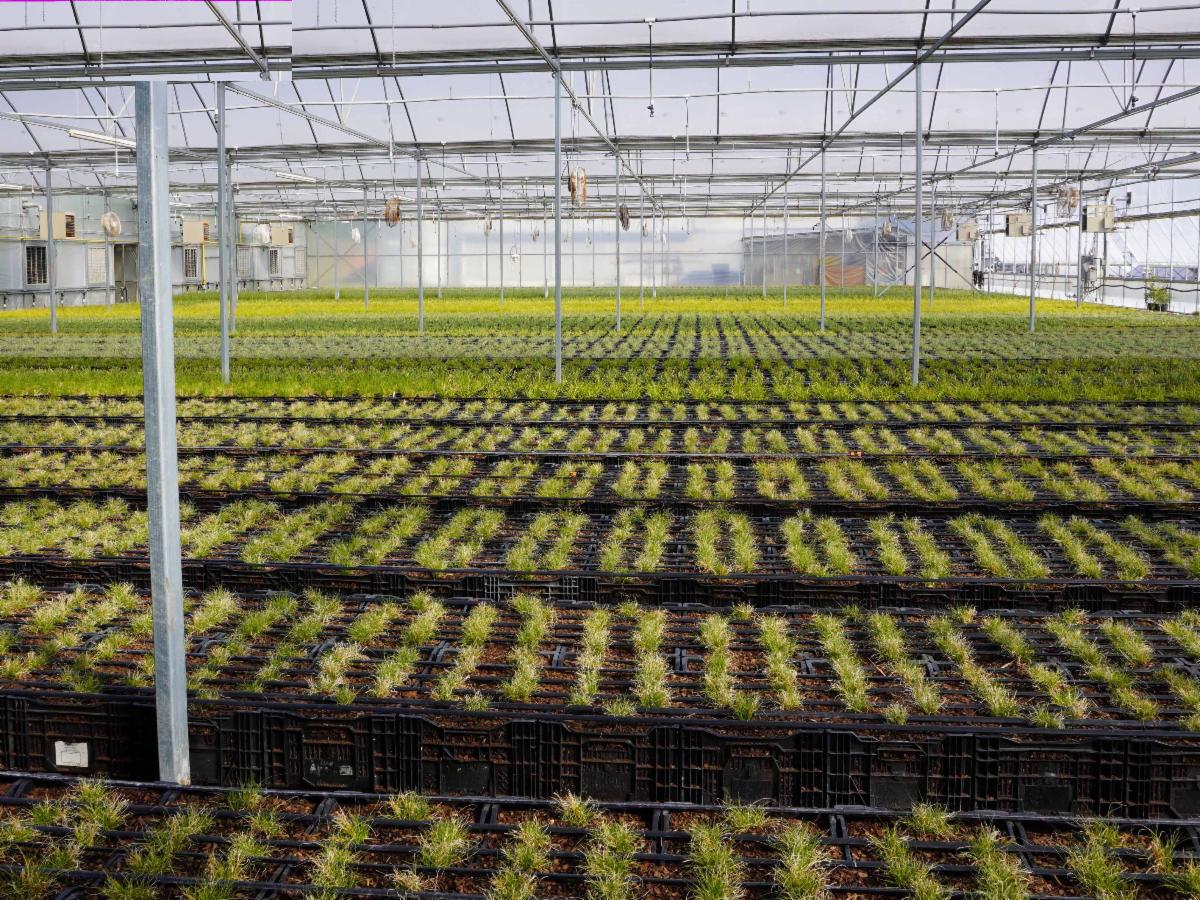
Our stock farms give us a high-quality source of mother stock. Growing in different settings keeps our supply chain strong, supports consistent quality, and reduces the need to rely on outside sources.
| | A New Milestone: Our Tissue Culture Lab | | |
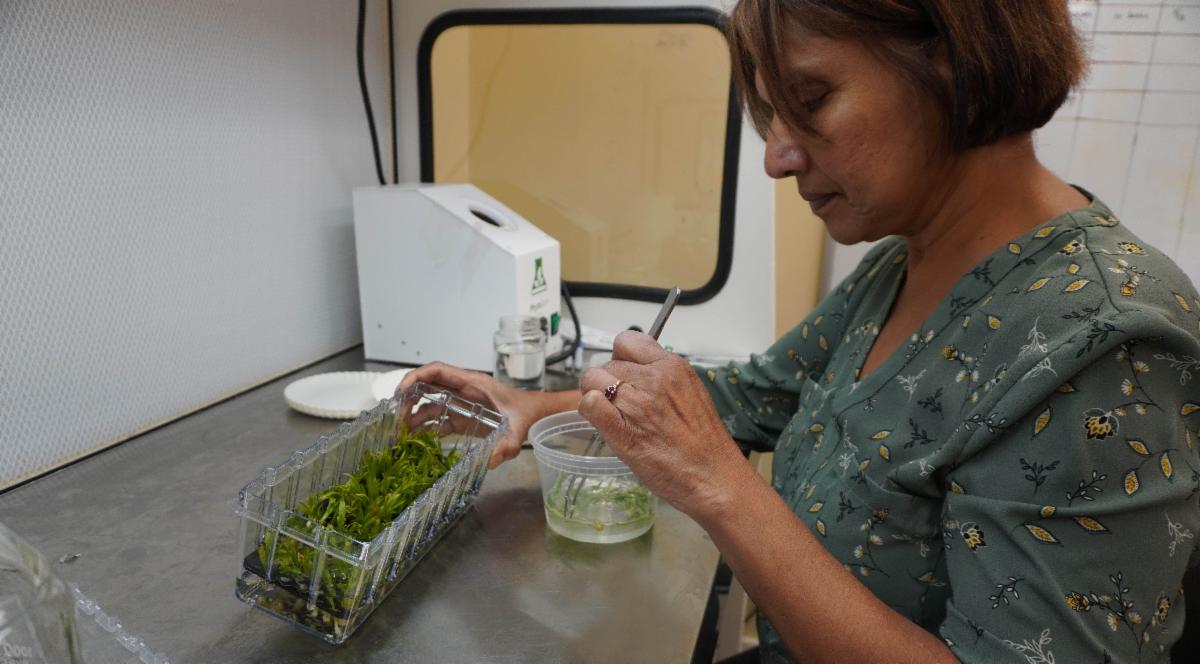
Over the past year, we opened a tissue culture lab to grow clean, uniform plants and protect unique genetics. It lets us scale up hard-to-propagate varieties, keep stock disease-free, and react quickly when demand rises.
From seed to finished liner, every step is focused on producing healthy plants ready to thrive.
See the full “Where Great Plants Begin” feature ›
| | | | |
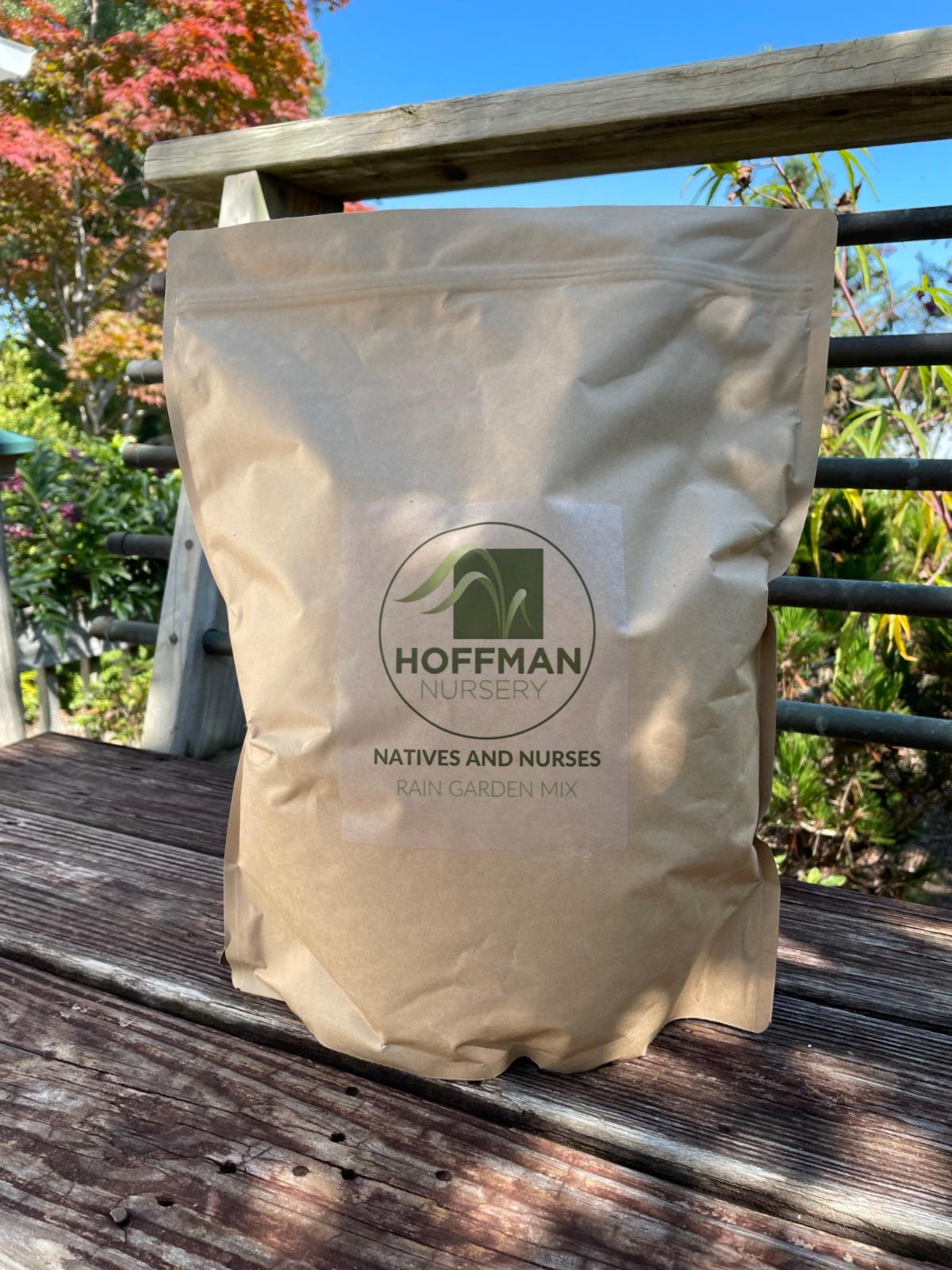
We’ve expanded beyond liners with native seed mixes that build resilient plant communities. Each blend combines long-lived native grasses, sedges, and wildflowers with temporary “nurse crops” such as oats, wheat, or millet. The nurse crops germinate quickly to suppress weeds, stabilize soil, and create the right microclimate for slower-establishing natives.
Best Planting Windows:
- Northern region: May 1–June 15
- Mid-south region: April 15–June 30
- Deep South: March 1–June 1
| | |
Six Basic Elements for Establishment
- Understand Growth: Native warm-season grasses are clump-forming and slow to establish, devoting the first year to root growth. Full coverage comes later.
- Competition Control: Manage weeds before and during establishment—both cool- and warm-season weeds can outcompete seedlings.
- Seeding Method: Place seed shallow (≤¼"); use a no-till drill or broadcast and roll for good soil contact.
- Timing: Plant when soil temps reach at least 55 °F (around 73 °F is ideal). Too early invites weeds; too late risks dry conditions.
- Seed Quality: Buy pure live seed (PLS), preferably local ecotype, cleaned and tested for germination.
- Stand Maintenance: Mow the first season to control weeds, keeping cuts ≥6". Long-term care may include mowing, selective herbicides, or prescribed burns.
| | |
Even low-light gardens can enjoy the movement and texture of ornamental grasses. In her Fine Gardening article, our Marketing Manager, Alex Stanley-Stretch, highlights shade-tolerant grasses with companion plants that bring depth and contrast.
In the article, she also shares advice on soil prep, planting, and design strategies to create resilient, eye-catching plantings in dimmer spaces.
Read Alex’s article ›
| | |
Grasses do more than just add texture—they shape the way people experience a landscape. In this post, we explore how their movement, structure, and character create flow and atmosphere. Swaying seed heads guide the eye and establish a subtle rhythm, while upright forms define space as living walls or gentle screens. Variations in color, height, and density set the mood, making a space feel open and airy or quietly enclosed. Whether for a public park or a private garden, these qualities help craft landscapes that are memorable and immersive.
Read the full blog post ›
| | |
Seasonal Stars
Plants that Shine in Fall
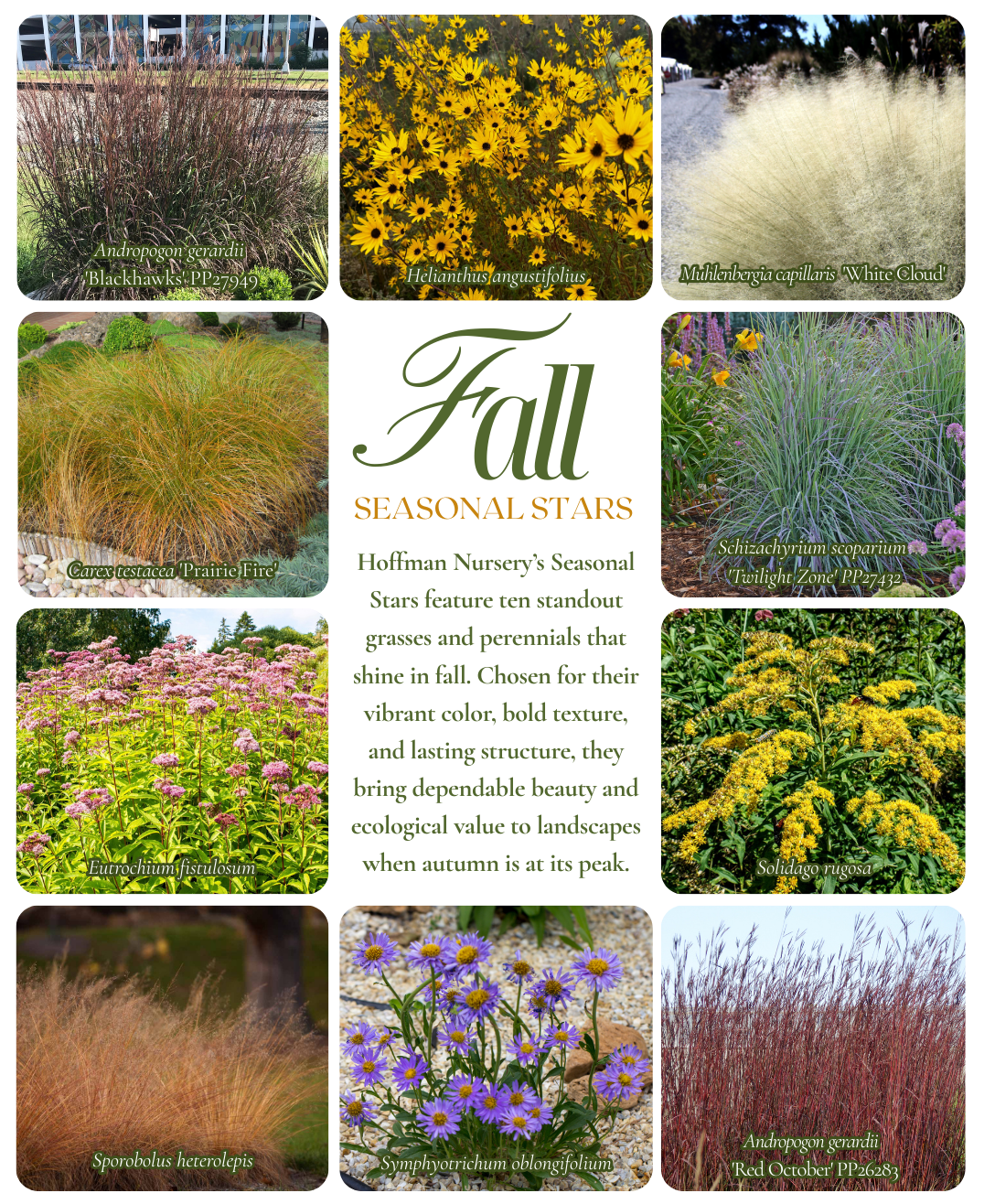
In “Fall Seasonal Stars: Ten Plants That Shine in Autumn,” we highlight a curated selection of grasses and perennials chosen for their bold color, texture, and ecological value as the season cools. From dramatic seed heads to pollinator-friendly blooms, each plant brings structure and visual interest to landscapes when summer fades. Whether designing new garden beds or refreshing existing ones, these spotlight species help extend beauty and habitat value well into fall’s golden light.
| |
Insights & Inspiration: Voices from Across the Field
Curated articles that highlight fresh thinking in ecology, design, and the evolving role of plants in public and private spaces.
| | |
Falling for Grasses – A beautiful piece celebrating ornamental grasses in their autumn prime. Designers and gardeners share how movement, texture, and seed heads create drama long after summer blooms fade, making grasses the backbone of year-round landscapes. (VPM)
Nature, Mental Health, and Inequity – Explores how access to green space impacts mental health and how inequities in city planning leave some communities behind. Strategies for integrating living architecture and equitable design round out the piece. (Living Architecture Monitor)
Beating the Heat: 2025 Greenhouse Climate Control Research Report – Examines how greenhouse operators are tackling rising temperatures and refining climate-control practices. (Greenhouse Management)
7 Groundcovers That Give You a Lawn-Like Look—Without the Mowing – Explores grass and grass-like plants that form living carpets, offering an alternative to traditional turf while reducing maintenance and supporting pollinators. (Better Homes & Gardens)
Champions of Conservation 2025 – Profiles leaders making a difference in conservation, including prairie advocate Dwayne Estes, whose work to restore native grasslands underscores the cultural and ecological importance of America’s disappearing prairies. (Garden & Gun Magazine)
Plan Smarter: 5 Trends Reshaping Landscape Procurement – Outlines emerging procurement and material-demand trends shaping the 2025–2026 landscaping season, from sustainability mandates and native plant preferences to logistics-driven sourcing. (Landscape Hub)
Shade-Loving Plants for Pots – Highlights container-friendly plants that thrive in low light. Sedges (Carex) earn a place on the list for their graceful texture and adaptability, proving you don’t need full sun to create striking potted displays. (Homes & Garden)
Fall Plants That Thrive on Neglect – A practical guide to hardy perennials and grasses that deliver color and structure with minimal maintenance—ideal for busy gardeners or large-scale plantings. (Gardening Know How)
At the Bus Stop, A Living Ad for Nature – Shows how cities are transforming everyday infrastructure into pollinator habitat and cooling refuges, turning simple bus shelters into living green roofs. (The Washington Post)
An Interview with Kelly Norris, Naturalistic Garden Designer - This conversation with Kelly Norris explores his philosophy of naturalistic garden design, focusing on integrating native plants, ecological function, and expressive landscapes at multiple scales. (Hort Magazine)
| | |
On the Road & Online
Upcoming Events & Trade Shows
Meet our team and see our plants at these upcoming gatherings:
SESWA’s Annual Regional Stormwater Conference
October 1–3, 2025 – Hilton Head, SC
A 20th anniversary event for stormwater professionals featuring real-world solutions, cutting-edge tools, and up to 10.25 continuing education credits.
ASLA 2025 Conference
October 10–13, 2025 – New Orleans, LA
The premier gathering of landscape architects and design professionals, with innovative education sessions and an expansive expo hall focused on sustainable, nature-based design.
Grey to Green Conference
October 23–24, 2025 – Raleigh, NC
A national conference highlighting the latest in green infrastructure and nature-based solutions. Hoffman Nursery will host the Green Roof Installation & Maintenance Professional (GRIMP) Training, and CEO David Hoffman will be a featured speaker.
Our Next Webinar
Leading with Nature: Smart Substitutions & Native Solutions
Our next live webinar focuses on the rising importance of native plants—why they matter for ecological health, how they meet market demand, and where design trends are heading. We’ll also share recommended substitutions for species now considered invasive, helping you stay ahead of regulations while maintaining beauty and function in your projects.
Save the date—December 3rd at 1:00 PM—and look for the registration link next month!
| | |
Download Availability & Order Form
Prices for liners, number of liners currently in stock, and future availability are listed in PDF and Excel files. You may also use these as order forms. Need details on what the numbers mean? Learn more here.
| | | | |