|
Welcome to our first Newsletter of 2025!
I would like to say Gracias (Thank you!) to all of you for following our newsletter and for being a great partner implementing Conservation Without Conflict! 2024 was a banner year and 2025 is already shaping up even better.
In this edition, you will see how our Coalition has been engaging with many new partners and initiatives. From helping with the first Partners for Fish and Wildlife Landowner Agreemnt to reintroduce listed species onto private lands to exploring new ways for state agencies to lead and engage in species conservation. Our Coalition will keep working hard on finding new and innovative tools for conservation. I'm looking forward to your ideas!
Stay safe and read on!!
Leo
leo@conservationwithoutconflict.org
| |
New Groundbreaking Conservation: Successful Reintroduction of the Reticulated Flatwood Salamander
By Hailey Avalos, Former Conservation Without Conflict Intern and now with Texas A&M Natural Resources Institute
Resource Management Service, LLC (RMS), one of the world’s largest and most experienced providers of timberland investment services, recently achieved a groundbreaking conservation milestone by successfully reintroducing the federally listed reticulated flatwood salamander (Ambystoma bishopi) in collaboration with multiple agencies and partners.
The species was reintroduced to a private forest in Florida’s Santa Rosa County, with no regulatory risks to the landowner or neighboring properties. The initiative, which involved an innovative approach with the Partners for Fish and Wildlife Program, sets a new standard for the future of species reintroduction. It was made possible in part through funding from the Conservation Without Conflict Coalition, supported by the National Fish and Wildlife Foundation (NFWF), and from the Naval Air Station at Whiting Field.
RMS is committed to advancing forestry and fostering appreciation for the societal importance of privately owned forests. The company strives to be a leading force in creating forest value while ensuring sustainable land use.
The reticulated flatwood salamander project brought together a diverse group of partners with a shared conservation vision. These include the U.S. Fish and Wildlife Service (USFWS), Florida Fish and Wildlife Conservation Commission (FWC), Eglin Air Force Base (AFB), the Naval Air Station at Whiting Field, the Longleaf Alliance, the Gulf Coastal Plain Ecosystem Partnership (GCPEP), and Tangled Bank Conservation (TBC). The goal was to reestablish a viable population of the reticulated flatwood salamander within its natural range and contribute to its full recovery.
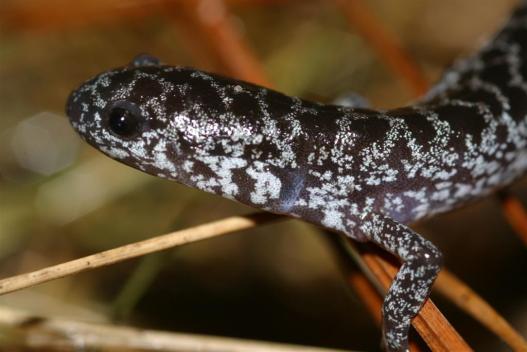
The reticulated flatwood salamander is a moderately sized amphibian, typically ranging from black to chocolate-black with fine, irregular lines and specks across its back. This species lives only in the lower southeastern coastal plain of the United States, specifically Florida, Georgia, and South Carolina.
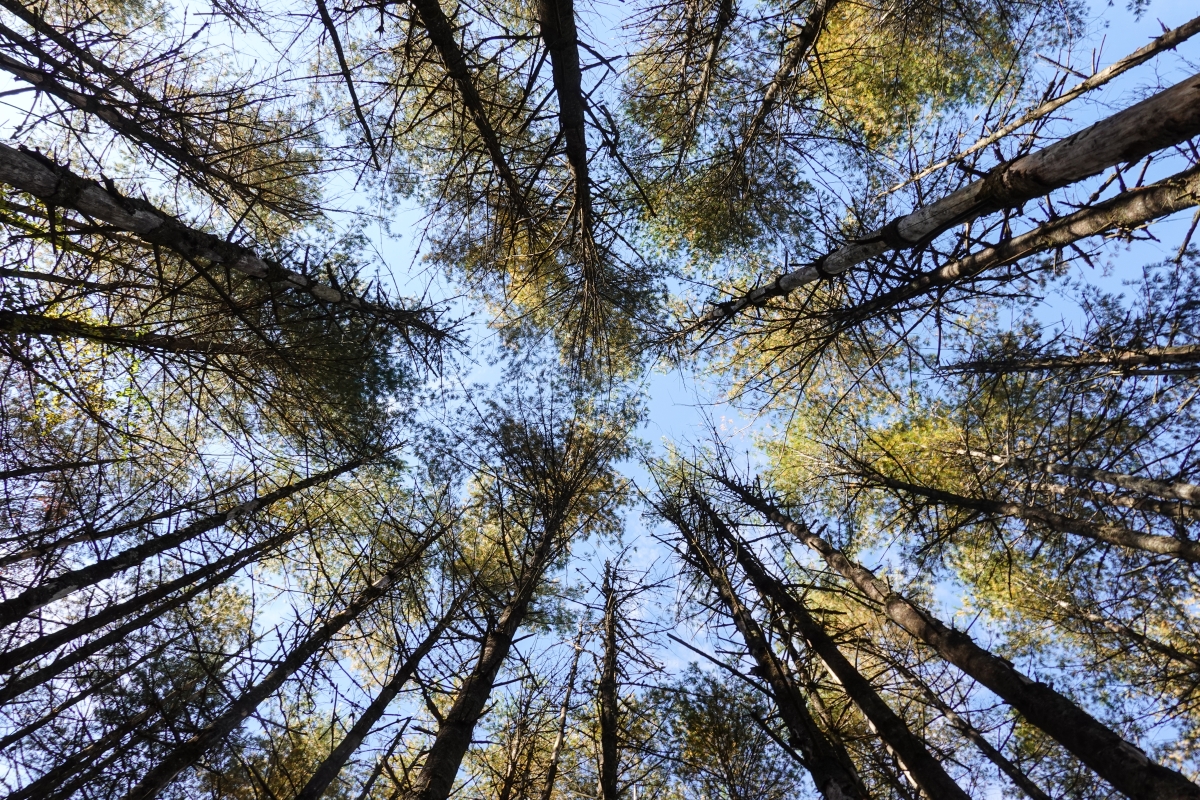
Historically, the salamander inhabited the longleaf pine ecosystems, particularly the longleaf pine-wiregrass flatwoods and savannas that once covered 32 million acres but have since been reduced to 5.6 million acres of potential habitat. They breed in small, isolated ephemeral ponds within the longleaf pine understories, where their larvae develop. As adults, they spend most of the year underground in the upland areas before migrating back to their breeding ponds.
Threats to the species include habitat loss, destruction or alteration of breeding sites, land use conversion, changes in hydrology, soil disturbance, and fire suppression. The species has been listed as endangered since 2009, and ongoing conservation efforts focus on restoring and protecting their habitats to ensure their survival.
In 2018, RMS executed the first-ever Regional Conservation Partnership Program Healthy Forest Reserve easement with the National Resources Conservation Service on over 3,700 acres in Santa Rosa County. This easement, part of the Coastal Headwaters Longleaf Pine Forest Restoration Initiative, included as its focal species the reticulated flatwood salamander. This property historically hosted a flatwoods salamander pond, with two documented occurrences of the species in 1945 and 1990.
The precedent-setting easement requires the establishment and maintenance of longleaf pine in perpetuity, maintaining both a working longleaf pine forest and a functional longleaf ecosystem. The agreement also calls for regular prescribed burns.
The Conservation Fund was RMS’ primary partner in successfully securing this easement. To reintroduce the reticulated flatwoods salamander back to this property, RMS began collaborating with various partners that included USFWS, FWC, GCPEP, TBC, Virginia Tech, and Eglin AFB. (Escribano Point WMA and Eglin AFB are home to the only known populations of this species.)
In 2022, RMS and USFWS representatives met to discuss the feasibility of restoring the reticulated flatwoods salamander on the RMS-managed property. One major challenge was how to reintroduce a federally endangered species on private lands without regulatory risks to the landowners or neighboring properties. The USFWS, in collaboration with the National Alliance of Forest Owners’ Wildlife Conservation Initiative (WCI), RMS, and through innovative application of the USFWS Partners for Fish and Wildlife Program, developed an innovative agreement for species introductions without regulatory risk.
In October 2023, RMS signed the first-ever Partners Program Agreement for reintroduction. The agreement covered the reintroduction of the reticulated flatwood salamander on the Coastal Headwaters tract in Santa Rosa County. Environmental DNA (eDNA) work conducted by TBC in the historic pond confirmed the species was not currently present, setting the baseline for the reintroduction effort at zero. RMS collaborated closely with key partners to secure support for the reintroduction, as success required three essential components: support from the major partners (particularly FWC and Eglin AFB, which are home to the salamanders); suitable habitat; and salamanders for reintroduction.
In 2024, RMS and its partners focused on building relationships, identifying suitable habitats, and, with help from FWC and Eglin AFB, securing salamanders for the project. Virginia Tech played a key role in identifying wetlands and potential reintroduction sites on the Coastal Headwaters tract, while GCPEP conducted on-site wetland restoration work. The Naval Air Station Whiting Field and Conservation Without Conflict helped fund the reintroduction efforts.
With many of the partners present, Alex Hinson, President and CEO of RMS, successfully released the first reticulated flatwood salamanders to private lands in a historic conservation milestone in January 2025. GCPEP had previously captured the salamanders, taken genetic samples, and transported them from Escribano Point to the release site. Following the release, an unseasonally harsh and prolonged freeze occurred, but GCPEP later visited the site and confirmed that multiple salamanders had survived the unusual weather event. They plan a second release for 2026.
The reintroduction of the reticulated flatwood salamander exemplifies collaborative conservation and the principles of Conservation Without Conflict. It results from strong partnerships between landowners, land managers, the WCI, FWC, and USFWS.
As the first-ever Partners Program Agreement for reintroduction, the project is a model for future reintroduction of listed species on private lands. It provides a framework for other private landowners to support species recovery without regulatory risk.
As roughly two-thirds of all land in the U.S. is privately owned, private landowners are crucial to the success of many conservation efforts. This project shows that private working forests are essential to species conservation and that voluntary conservation approaches can often be more effective than regulatory measures.
*Article Originally published in the Wildlife Management Institute's Outdoors News Bulletin Vol. 79 (3)
| | |
Private Lands are the Key to Success in Conservation
In the United States, where roughly 60% of the land is privately owned, the survival of threatened, endangered, and at-risk species largely depends on the stewardship of these private lands. Traditional conservation has often relied on strict regulations, which can be seen as burdensome by landowners, much like being dictated on how to manage your garden without considering your unique situation. However, a more collaborative approach is gaining traction, exemplified by the efforts of the Conservation Without Conflict Coalition.
The Conservation Without Conflict Coalition unites both private and public entities with a shared passion for conserving fish, wildlife, and plants while ensuring that working lands remain productive. This coalition operates under the guiding principle that conservation should not come at the expense of land use but should instead be part of it. They focus on collaboration and incentives, recognizing the vital role landowners play in conservation. By promoting common goals and mutual gain, the coalition believes this approach will lead to more sustainable and widespread conservation efforts compared to solely regulatory methods.
Central to the coalition’s strategy is the sharing of successes and best practices, the development of new conservation tools, and the enhancement of communication about their achievements. The coalition advocates for proactive, science-based conservation to recover species listed under the Endangered Species Act (ESA) and to prevent the need for such listings by conserving at-risk species early on. When ESA listings are unavoidable, they leverage the Act's flexibility to create innovative incentives and assurances for landowners, ensuring that conservation efforts are predictable and sustainable.
The coalition's approach is about keeping America's forests, farms, ranches, and even military installations productive while simultaneously serving as habitats for wildlife. This model doesn’t dismiss the necessity of regulations but complements them with incentives that encourage landowners to be stewards of biodiversity. This balanced approach is the key to recovering and conserving species on a scale that's both meaningful and enduring, ensuring that America's natural heritage thrives alongside its communities.
The Challenge of Endangered Species
Endangered species, like those rare butterflies or perhaps a shy forest animal, need places to live safely, eat, and reproduce. Much of this habitat is on private land. Traditional methods focus heavily on regulations — telling landowners what they can't do on their property to protect wildlife. While these rules are important, they can sometimes feel like a heavy burden, especially if they limit how land can be used for farming or building.
Here's a different idea: what if we could motivate landowners with benefits for conservation? Here's how this could work:
Financial Incentives: Landowners could receive payments for maintaining or enhancing habitats for wildlife. Programs like the U.S. Department of Agriculture’s Conservation Reserve Program already do this by paying farmers to leave land fallow for wildlife.
Tax Benefits: Offering tax reductions for land that's managed for conservation purposes can make it financially appealing for landowners to keep their land wildlife-friendly.
Flexible Regulations: Instead of very specific rules, we could have guidelines that give landowners space to innovate in how they conserve their land. This might mean allowing certain activities if they don't harm wildlife or even rewarding landowners for coming up with their own conservation methods.
Why This Approach Makes Sense?
Efficiency: When landowners see direct benefits from conservation, they're more likely to do it well. They know their land best, so they can manage it in ways that work for both wildlife and their livelihood.
Community Engagement: By involving landowners, we turn them into partners in conservation rather than adversaries. This can lead to broader community support for conservation efforts.
Sustainability: Working lands can continue to be used for forestry, agriculture, or other purposes while still serving as habitats. This dual use supports both the economy and wildlife.
Adaptability: With general guidelines, landowners can adapt practices to local conditions or species needs, which can be more effective than a one-size-fits-all regulatory approach.
This doesn't mean we throw away regulations. They're crucial for ensuring basic protections for species at risk. However, these regulations should set broad boundaries rather than micromanaging every detail of land use. The key is balance — ensuring there's enough freedom for landowners to be creative while still protecting our wildlife.
The Path Forward
By shifting our focus to incentivizing good land stewardship, we can make conservation a win-win situation. Landowners maintain their economic activities, local economies thrive, and our fish, wildlife, and plants have better chances of survival. It's about working together.
In conclusion, while regulations have their place, moving toward a system that rewards conservation efforts on private lands, as advocated by the Conservation Without Conflict Coalition, could be the key to more effective and sustainable wildlife protection in the USA. Let's empower those who manage most of our land to be the heroes our endangered species desperately need.
By Leo Miranda-Castro. Article Originally published in the Wildlife Management Institute's Outdoors News Bulletin Vol. 79 (2)
| | |
From our friends at the
US Fish and Wildlife Service
Forests that work for people and wildlife
Partnering with forest landowners to advance conservation for at-risk species
By Bridget Macdonald
Outside the major metropolitan areas of the Northeast — Boston, New York, Philadelphia, Washington, D.C. — you might meet more trees than people.
While it’s the most densely populated region in the United States, the Northeast is also about 40% forested.
Most trees in this part of the country are in privately owned “working” forests. No, they don’t have 9-to-5 jobs; these forests are carefully managed to provide a renewable supply of products we depend on, such as paper, lumber, cordwood, and maple syrup. Read more...
| | Don't forget to share this Newsletter! | | Conservation without Conflict Blog | |
Bringing All Authorities on Deck: Leveraging Federal Authorities to Support State Wildlife Action Plans
If we truly aim to conserve and recover species, we must evolve beyond our traditional approach of managing isolated, siloed programs. Conservation success in the modern era requires a collaborative, integrated strategy where resources and efforts are leveraged across various sectors to conserve habitats and ecosystems holistically. The U.S. Fish and Wildlife Service (USFWS) can play a pivotal support role in state-led efforts, working in tandem with state initiatives to harness multiple federal authorities. This essay explores how this partnership can enhance the effectiveness of State Wildlife Action Plans (SWAPs) in safeguarding our nation's biodiversity.
SWAPs are pivotal in the conservation landscape of the United States, serving as detailed strategies developed by each state and territory to manage fish and wildlife proactively. SWAPs identify over 12,000 species of greatest conservation need (SGCN), outline their habitats, and propose actions to mitigate threats and conserve biodiversity. These plans aim to prevent species from reaching the point where they need to be listed under the Endangered Species Act (ESA) by addressing conservation issues before they become critical. When successful, the conservation of these species results in lessening the federal regulatory burden and helps to more efficiently use limited resources focused on species that are on the brink of extinction.
The USFWS plays a crucial role in supporting these state-led initiatives. The USFWS decides whether to list species under the ESA and for creating recovery plans and regulations for listed species. That's how it's always been done. However, there are additional ways where the agency can speed up the conservation of at-risk and listed species through various legislative tools, with Section 7(a)(1) of the ESA being significant. This section requires all federal agencies to use their authorities to promote conservation, not only of listed species but also those at risk of becoming endangered. The USFWS can leverage this mandate to provide technical assistance, share resources, and fund conservation projects aligned with SWAP priorities. By acting early to protect species, we may avoid stricter government regulations.
We should use this ESA mandate alongside other USFWS authorities. We can synergistically use authorities outside the ESA with SWAPs. The Sport Fish Restoration Act (Dingell-Johnson Act) generates funds from taxes on fishing equipment, traditionally used for sport fish conservation. However, authorities can also direct these resources toward broader aquatic habitat restoration, benefiting a wider array of aquatic SGCN identified in SWAPs. Similarly, the Wildlife Restoration Act (Pittman-Robertson Act) funds habitat management, primarily for game species, using taxes on firearms and ammunition; however, this funding can also support non-game species. After all, species, regardless of their classification, cannot distinguish between habitats or ecosystems managed for game or non-game species. All species need healthy and resilient ecosystems to thrive.
The Migratory Bird Treaty Act (MBTA) provides another avenue for conservation synergy with SWAPs. The MBTA protects migratory birds across international borders. This involves not just habitat conservation but also reducing threats like habitat loss or bird mortality from human activities. States are very familiar with the MBTA, particularly in relation to ducks. The MBTA provides the legal authority for regulating waterfowl hunting, while the USFWS sets the overarching framework, and individual states implement and enforce specific regulations within that framework. We can use the MBTA to target many of the birds identified in the SWAPs—the USFWS has already identified these species as of greatest conservation concern allowing for more efficient collaboration with the states to improve vital migration, breeding, and wintering habitats.
The Partners for Fish and Wildlife Act is yet another tool at the USFWS's disposal, facilitating voluntary conservation on private lands. This can help to implement SWAP recommendations by partnering with landowners to restore or enhance the ecosystems where at-risk and listed species occur. Focusing the program’s resources and capabilities on these at-risk and listed species can lead to significant and timely conservation achievements, like the restoration of wetlands or the creation of wildlife corridors, directly supporting the objectives outlined in SWAPs.
To implement strategic conservation actions, the USFWS can encourage integrated conservation planning, aligning SWAP actions with other conservation initiatives. This includes using the ESA Section 7(a)(1) mandate to leverage funds from different acts and the states to maximize impact, such as combining resources for habitat projects that benefit both game and at-risk species. Public education and engagement, funded through these acts, can also broaden support for conservation beyond traditional interests, emphasizing the interconnectedness of ecosystems and the benefits of conserving all wildlife.
Adaptive management is another key aspect where the USFWS can assist states in implementing their SWAP actions. By continually assessing conservation action outcomes and identifying additional authorities for conservation implementation, the USFWS can adjust strategies based on new findings or changing conditions, ensuring ongoing SWAP effectiveness. This approach not only keeps conservation efforts relevant but also allows for more dynamic responses to emerging challenges.
According to the Association of Fish and Wildlife Agencies, funding for SWAPs comes primarily through the State and Tribal Wildlife Grants program, averaging around $1 million per state annually, though significantly less than the recommended $1.3 billion annually needed nationwide for comprehensive implementation. This underscores the need to conserve at-risk species and their habitats proactively with sustained and predictable funding. Moreover, states like Oregon have innovated by making SWAPs more accessible through interactive online platforms, enhancing public and partner engagement in conservation efforts. Programs like Maine's Beginning with Habitat further support on-the-ground conservation, providing tools and help to various stakeholders, fostering community-driven conservation that aligns with SWAP goals.
However, funding and other resources challenges remain, including aligning diverse state and federal priorities, securing sufficient funding, and ensuring public support. Despite these hurdles, the combined use of Section 7(a)(1) of the ESA and other legislative tools presents a robust framework for enhancing state leadership on fish and wildlife conservation with strong federal support. By using these methods and approaches, the USFWS will play a better, more efficient role to assist states in their conservation efforts, promoting cooperation and benefiting wildlife nationwide, ultimately preserving America's natural resources for the future.
The conservation landscape is ripe for transformation beyond traditional methods and approaches. By scaling up and expanding the use of multiple non-traditional federal authorities as envisioned by Section 7(a)(1) of the ESA, we can foresee a future where conservation becomes a set of well-coordinated actions rather than a collection of solo performances. Imagine local efforts like the restoration of a single wetland, a forest patch for the conservation of a local species expanding into regional and national networks of wildlife corridors, multi-state habitat projects, and even international collaborations for migratory species.
This innovative approach where the federal role is primarily to support the state-led efforts to conserve species, breaking from past models, would harness the collective strength of the Sport Fish Restoration Act, Wildlife Restoration Act, Migratory Bird Treaty Act, and Partners for Fish and Wildlife Act among many others, all working together for a shared conservation goal. Such a strategy not only amplifies the impact of conservation efforts but also invites us to think creatively, ensuring that every species – from the well-known to the obscure – finds a place in our conservation narrative, fostering a legacy of land stewardship for generations to come.
By Leo Miranda-Castro. Article Originally published in the Wildlife Management Institute's Outdoors News Bulletin Vol. 79 (1)
| | |
Do you have a Conservation without Conflict story to share? | |
Please share your organization’s success stories that best demonstrate voluntary and collaborative wildlife conservation on working lands. These stories will be used to strengthen the coalition’s communications materials (with appropriate attribution) and will also be analyzed to understand best practices for wildlife conservation on working lands. Please submit as many stories as you have, using one template per project. (Download template)
Save and return completed forms to Leo@conservationwithoutconflict.org.
We are grateful for a chance to highlight, share, and learn from your successful projects!
|
| | | |