|
Happy Friday, everyone,
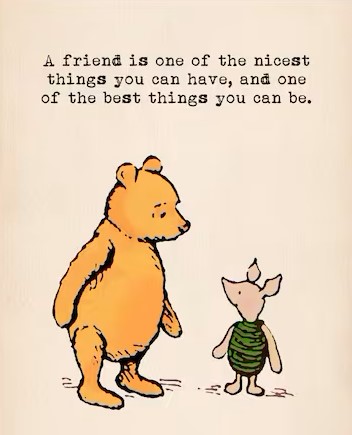
One of the things we work on each day here at preschool is teaching children how to be good friends. At this age, developing friendship skills and learning to stand up for themselves with kindness are essential to building confidence and empathy. Here are a few ideas on encouraging these critical skills at home, fostering self-advocacy, empathy, clear communication, and friendship.
1. Encouraging Self-Advocacy
- Model Assertive Clear Communication: Use simple, straightforward language to express your needs and feelings in front of your child. For example, you might say, “I feel sad when my favorite cup is missing. I like using it.” Showing them how to express themselves calmly helps them find their voice.
- Teach Simple Phrases: Help them practice saying things like, “Please stop, I don’t like that,” or “It’s my turn now.” Phrases like these empower children to express themselves positively and respectfully.
- Role-Playing Scenarios: Try using role-play to practice situations like when a toy is taken away. Have fun acting it out together, and practice using kind but firm words.
2. Building Empathy
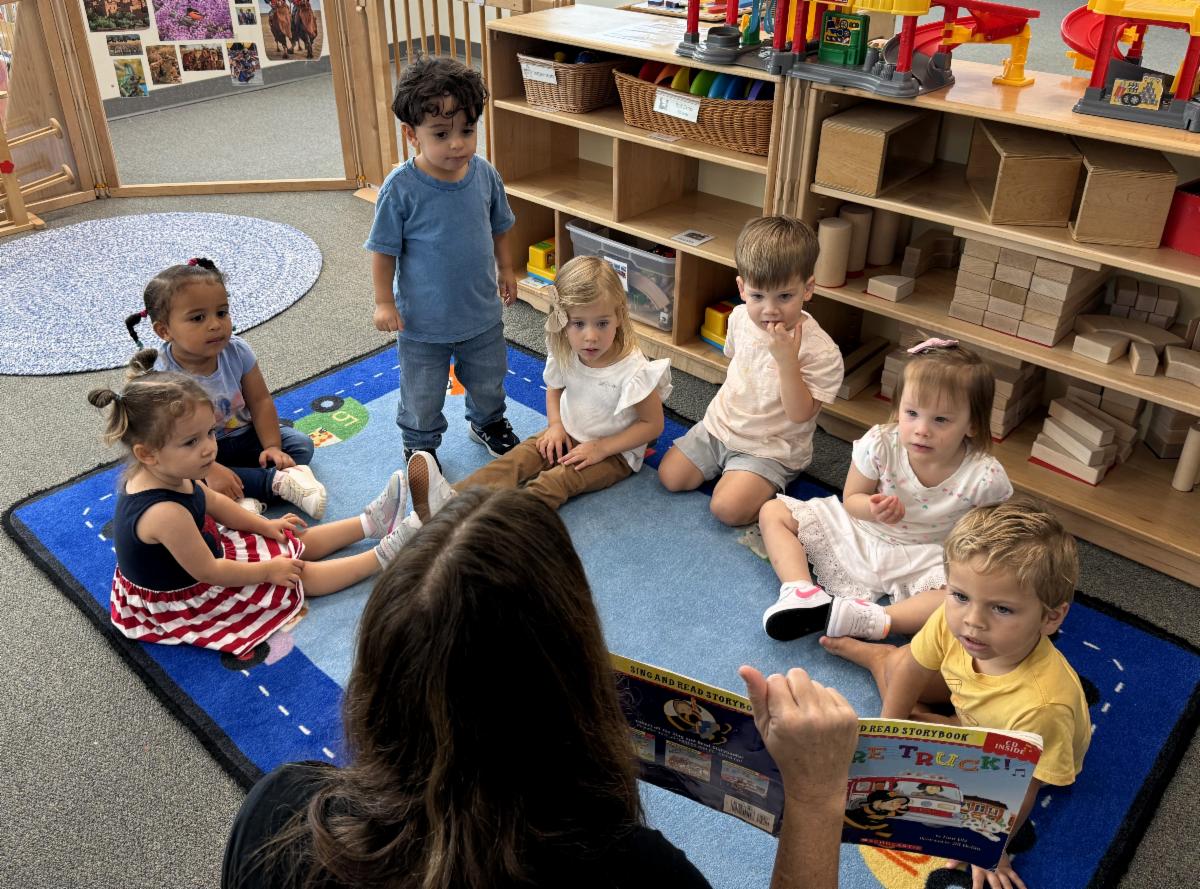
- Narrate Feelings in Stories: Discuss the characters’ emotions when reading books together. Ask questions like, “How do you think they feel?” or “What could make them feel better?” It’s a simple way to help your child consider others’ feelings.
- Recognize Their Feelings: When your child is upset or happy, reflect back to them, saying things like, “I see you’re upset because…” This helps them feel understood and builds a foundation for understanding others’ emotions.
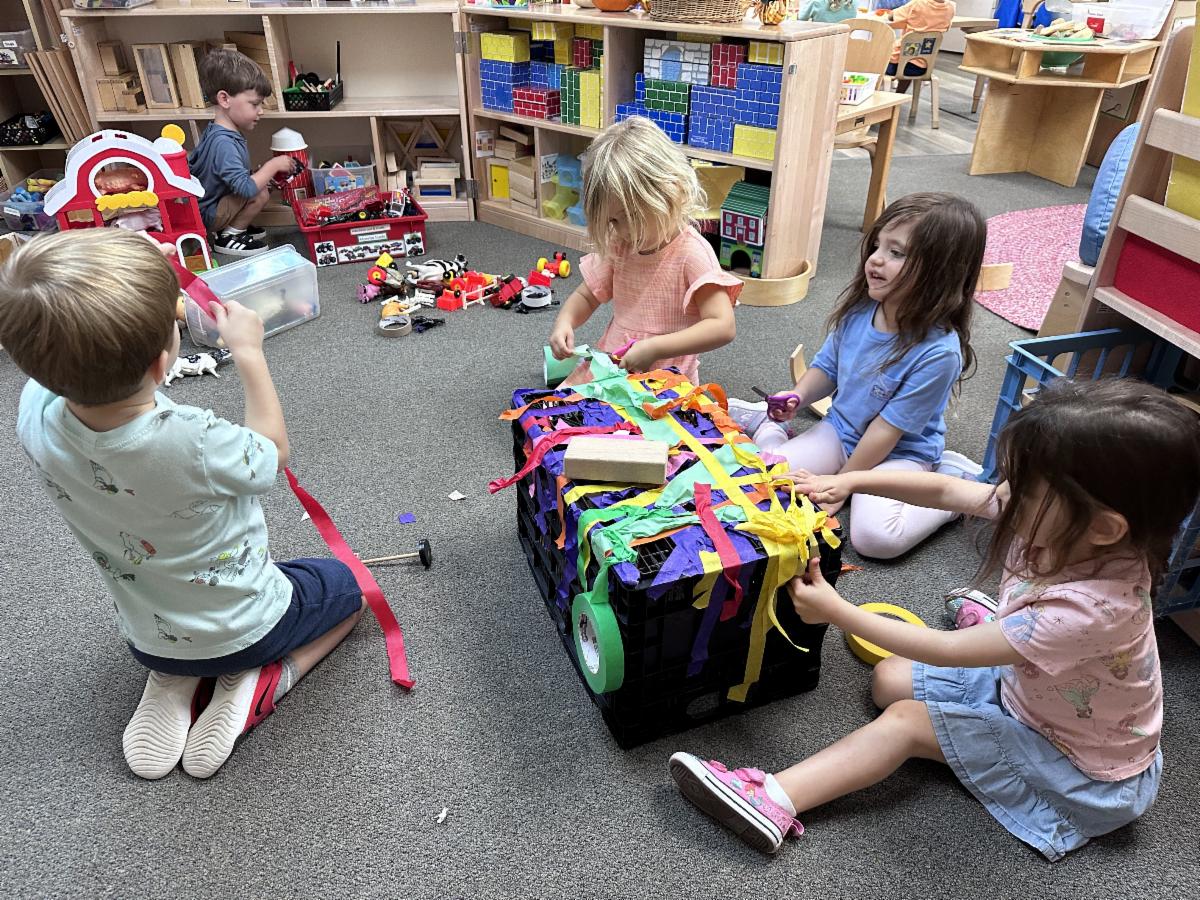
- Encourage Helping and Sharing: Give children opportunities to help siblings, friends, and pets. Small acts like picking up toys together reinforce kindness and care.
3. Expressing Likes and Dislikes
- Offer Choices Regularly: Let them choose between simple options, like playing with blocks or drawing. These choices help them become more comfortable expressing preferences and feeling heard.
- Affirm Their Choices: When they make a choice, support it, even if it’s unexpected. This builds confidence in sharing their likes and dislikes.
- Practice Saying “No” Politely: Giving them space to say “no” (when it’s safe to do so) helps them find their voice. Model a kind way to say it, like, “No, thank you. I don’t want that.”
4. Encouraging Friendship and Choosing Friends
- Discuss Qualities of a Good Friend: Talk about how good friends are kind, listen, and share. When you see these qualities, point them out to help your child understand what makes a good friend.
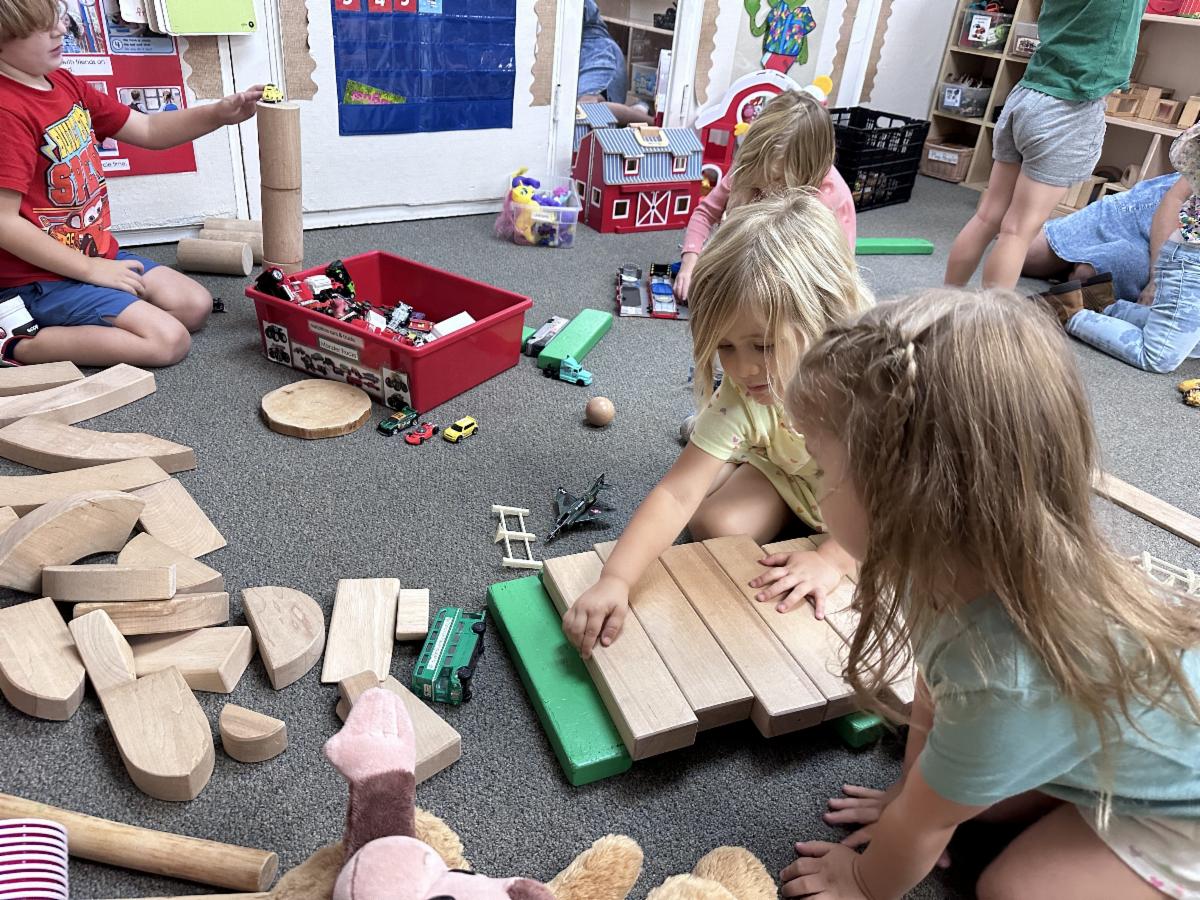
- Teach Turn-Taking and Sharing: Practice taking turns with toys or games at home. This builds patience and shows respect for others, which are critical parts of friendship.
- Provide Simple Social Scripts: Teach simple phrases like, “Can I play with you?” or “Would you like to be my friend?” These words give children a confident way to connect with others.
5. Model Perspective-Taking
- Talk About Perspectives in Daily Life: Examples like waiting in line can help your child understand others’ viewpoints. Try saying, “The person in front of us has been waiting, too; it’s fair to wait our turn.” These moments help them practice patience and understanding.
Supporting these skills through everyday conversations and play helps children become confident, compassionate, and socially aware. Thank you for helping us build these lifelong skills at home, too.
Warmly,
Clare Carter
Preschool Director
|