June 2021 Exhibitions and Public Programs |
|
For Immediate Release
Santa Fe, New Mexico, May 20, 2021
Contact: IAIA Associate Director of Marketing and Communications Jason S. Ordaz at jason.ordaz@iaia.edu.
|
|
The Institute of American Indian Arts (IAIA) is pleased to share that USA TODAY 10Best named the IAIA Museum of Contemporary Native Arts (MoCNA) number three in the Readers’ Choice contest for “Best Art Museum” in the United States. A panel of relevant experts were selected by USA TODAY and partnered with 10Best editors—together they selected the top twenty nominees, and the top ten were determined by popular vote. We thank everyone who believes in MoCNA’s mission “to advance contemporary Native art through exhibitions, collections, public programs, and scholarship,” and took the time to cast a vote for us.
The top ten winners in the category “Best Art Museum” are as follows:
- Booth Western Art Museum—Cartersville, Georgia
- Heard Museum—Phoenix, Arizona
- IAIA Museum of Contemporary Native Arts—Santa Fe, New Mexico
- National Museum of African Art, Smithsonian Institution—Washington, DC
- Crystal Bridges Museum of American Art—Bentonville, Arkansas
- Detroit Institute of Arts—Detroit, Michigan
- The Cleveland Museum of Art—Cleveland, Ohio
- Kimbell Art Museum—Fort Worth, Texas
- The Art Institute of Chicago—Chicago, Illinois
- The Metropolitan Museum of Art, New York—New York, New York
“MoCNA is pleased to be selected as the number three ‘Best Art Museum’ in the United States by USA Today. As an agent of change and a place of discourse, MoCNA exemplifies the power of museums to bring awareness to issues facing Indigenous Peoples and to challenge misperceptions of contemporary Indigenous arts. To receive this recognition is particularly special, as we are a small dedicated staff working ceaselessly to advance contemporary Indigenous arts and cultures in all we do. Thank you to the committee and to USA Today.”
—IAIA Museum of Contemporary Native Arts Director Patsy Phillips (Cherokee Nation)
To learn more about the top ten “Best Art Museums,” visit USA Today 10Best.
|
|
MoCNA is open to the public at a limited capacity as per the Governor’s approval. The Museum is open Monday and Wednesdays through Sundays, 10 am–5 pm, and on Sunday from 11 am–4 pm at 75% capacity (maximum 100 individuals at any given time). The Museum remains closed on Tuesdays.
Protocols to Ensure a Safe Visitor Experience
- Please self-assess your health before visiting the museum. Are you exhibiting any symptoms of COVID-19 (cough, difficulty breathing, headache, body aches, sore throat, loss of taste and smell, fever, and chills)? Have you been in contact with someone who has tested positive for COVID-19? If you are exhibiting any of these symptoms or have been exposed, please do not visit the museum and reschedule for a later date. If you purchased a ticket online, we will work with you on transferring that ticket to another date or providing you with a refund.
- Respect social distancing and ensure everyone’s safety by following all signage and directional arrows within each of our gallery spaces. Please respect our max occupancy signs for each gallery space and maintain 6 foot distance or more from other museum guests and staff.
- Following New Mexico’s public health order and IAIA’s guiding principles, all visitors will be required to wear a face covering that covers the nose and mouth while in the museum.
- Hand sanitizing stations have been placed throughout the museum for your convenience.
- At the moment, no docent-led group tours or school tours will be provided.
- Please be respectful of our staff and each other. We are here to ensure a safe space for everyone.
If you have questions, please call (505) 428-5912 or email store@iaia.edu.
Image Credit: Photograph by Jason S. Ordaz, IAIA, 2021.
|
|
Anne and Loren Kieve Gallery
August 20, 2021–January 23, 2022
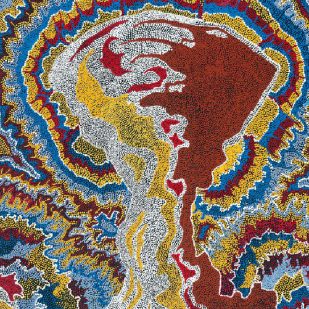
Exposure: Native Art and Political Ecology documents international Indigenous artists’ responses to the impacts of nuclear testing, nuclear accidents, and uranium mining on Native peoples and the environment. The traveling exhibition and catalog give artists a voice to address the long-term effects of these man-made disasters on Indigenous communities in the United States and around the world. Indigenous artists from Australia, Canada, Greenland, Japan, Pacific Islands, and the United States utilize local and tribal knowledge, as well as Indigenous and contemporary art forms as visual strategies for their thought-provoking artworks.
Exposure: Native Art and Political Ecology is co-curated by iBiennale Director Dr. Kóan Jeff Baysa; Nuuk Art Museum Director Nivi Christensen (Inuit); Hokkaido Museum of Modern Art Chief Curator and Vice Director Satomi Igarashi; Art Gallery of New South Wales Assistant Curator of Aboriginal and Torres Strait Islander Art Erin Vink (Ngiyampaa), Independent Curator Tania Willard (Secwepemc Nation), and MoCNA Chief Curator Manuela Well-Off-Man.
The hardcover, fully illustrated catalog will be published in Fall 2021 and features artist statements, interviews and essays by co-curators, art historians, writers, scientists, and activists who will examine art practices and artists’ concerns more in depth. Exposure: Native Art and Political Ecology is supported by the Ford Foundation and the Andy Warhol Foundation for the Visual Arts.
Image Credit: Hilda Moodoo (Pitjantjatjara), Destruction I, 2002, synthetic polymer paint on canvas, 46.85 x 38.66 x 1.18 in. Art Gallery of South Australia, Santos Fund for Aboriginal Art 2002, 20025P24.
|
|
Anne and Loren Kieve Gallery
On view until July 18, 2021
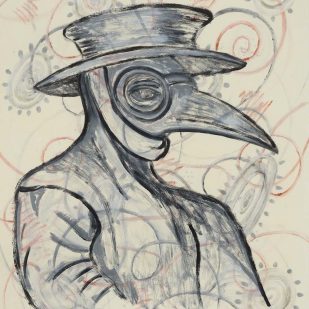
The Moving Land: 60+ Years of Art by Linda Lomahaftewa gathers together more than sixty years of Linda Lomahaftewa’s (Hopi/Choctaw) ’65 artistic production, making it possible to see the ways her work has responded to time and place, shifting with new influences. From the deep and mysterious spaces of her early paintings, to the vibrating intensity of her drawings during her years in San Francisco, to the prints and collages of the last two decades, when the artist moves, the land moves with her, and moves us in turn.
Lomahaftewa is a printmaker, painter, and mixed media artist, based in Santa Fe, New Mexico. She has traveled and exhibited internationally and has been listed in Who’s Who in American Arts and twice in Who’s Who in American Indian Arts. In 2001 she won the Robert Rauschenberg Foundation’s Power of Art Award. After earning her high school diploma from the Institute of American Indian Arts (IAIA), Lomahaftewa received her BFA and MFA from the San Francisco Art Institute. Prior to teaching at IAIA for more than forty years, she taught at the University of California, Berkeley, and Sonoma State University.
Image Credit: Linda Lomahaftewa (Hopi/Choctaw), Plague Doctor II, 2020, Monotype on paper, 29.75 x 22.25 in., Private Collection, Image Courtesy of IAIA Museum of Contemporary Native Arts.
|
|
North Gallery
On view until July 4, 2021
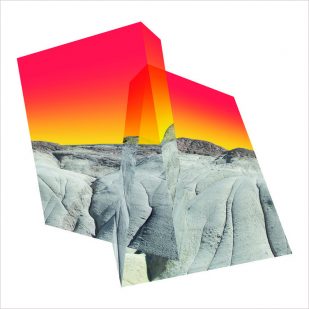
Michael Namingha’s (Tewa/Hopi) Altered Landscape series are abstract, photography-based works that juxtapose geometric shapes in bright neon colors against black-and-white aerial landscapes from the Four Corners region. The compositions are mounted to shaped plexiglass, creating the illusion of three-dimensional works.
Altered Landscapes address the environmental impact of the gas and oil industry: drilling stations, refineries, gas plants, fracking platforms, pipelines, and chemical storage are all situated in a drilling site around Chaco Canyon, a national historic park sacred to the ancestral Puebloans. While other artists deal with these themes head-on, Namingha’s work is in contrast non-confrontational, even quiet, inviting viewers to contemplate the devastating effects of the oil and gas industries on ancestral lands.
Image Credit: Altered Landscape No. 1, 2019, Digital C-Print Face-Mounted to Shaped Acrylic, 35” x 35” x 1”, Edition of 3.
|
|
South Gallery
April 23–October 10, 2021
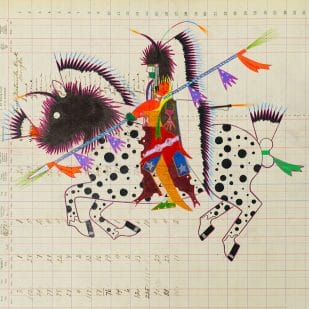
Co-curated by Joseph Maldonado (Tlingit and Ottawa) and Ethan Swearengin (Cherokee Nation), Manifesting Our Destinies highlights artwork that reflects the diverse backgrounds of this year’s IAIA graduating BFA students. The juried show presents the unique voices of emerging artists that share an interest in themes such as resiliency, self-empowerment, and societal acceptance. The artworks reflect how these artists have redefined their cultural heritage by blending contemporary art forms, techniques and materials with traditional Native art influences.
Participating Artists
- Nicholas Begay (Diné)
- Leandra Chimal (Mescalero Apache)
- DeAnna Autumn Leaf Suazo (Taos Pueblo/Navajo)
- Jaycee Custer (Diné)
- Daniel Forest (non-affiliated Metis)
- Marissa Izarro (Fort Peck Dakota/Taino)
- Bryson Meyers (Chippewa-Cree)
- Jacob Olascoaga (Tlingit)
- Jen Tiger (Osage)
- Beau Tsa-toke (Kiowa)
- Krista Vanderblomen (Prairie Band Potawatomi)
- Angelo Williams (Salt River Pima/Maricopa)
Image Credit: Beau Tsa-toke, Staff of Life, 2021, colored pencil on antique paper (1917), 11 ¼ x 17 ½ in.
|
|
Kieve Family Gallery
On view until February 20, 2022
Experimental exPRESSion: Printmaking at IAIA, 1963–1980 features fifty-one recently-acquired works on paper from the Tubis Print Collection, donated by the Nina Tubis Wooderson Trust. Notable artists in the exhibition include Peggy Deam (Suquamish), Mary Gay Osceola (Seminole), and Sandy Fife (Muskogee Creek), among other IAIA Alumni. The exhibition will be on display for two-years and closes July 2021.
“Printmaking today contains so many variables, so many possibilities exist in the uses of materials. It is unlikely that any contemporary printmaker has not experimented or thought of experimenting with the same materials and processes.”—Seymour Tubis, 1966
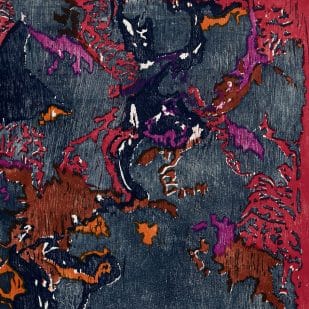
The Tubis Print Collection represents the experimentation that took place in the IAIA Printmaking Studio from 1963–1981, which established a standard ofmodern printmaking practice for Native artists. Printmaking students learned skills that were central to the fine art curriculum developed for young Native artists. The process introduced students to the concepts of design, layout, shape, line, texture, and color. Printmaking informed other media, such as painting and sculpture, and helped shape the Contemporary Native Arts Movement at IAIA.
Image Credit: Benjamin Harjo, (Seminole/Shawnee), Microcosms of the Everglades, woodblock print, ca. 1965. Courtesy of IAIA MoCNA Permanent Collection, SE-67
|
|
Exposure: Native Art and Political Ecology documents international Indigenous artists’ responses to the impacts of nuclear testing, nuclear accidents, and uranium mining on Native peoples and the environment. The traveling exhibition and catalog give artists a voice to address the long-term effects of these man-made disasters on Indigenous communities in the United States and around the world. Indigenous artists from Australia, Canada, Greenland, Japan, Pacific Islands, and the United States utilize local and tribal knowledge, as well as Indigenous and contemporary art forms as visual strategies for their thought-provoking artworks.
Exhibition Size and Availability
The exhibition size is 365–500 linear feet (3,500–4,000 square feet) and it is available for booking periods beginning March 1, 2022. (The exhibition size is negotiable.)
To inquire further about the availability of Exposure: Native Art and Political Ecology or to receive a prospectus and checklist for this traveling exhibition, contact IAIA Museum of Contemporary Native Arts (MoCNA) Chief Curator Manuela Well-Off-Man at manuela.well-off-man@iaia.edu.
Image Credit: Hilda Moodoo (Pitjantjatjara), Destruction I, 2002, synthetic polymer paint on canvas, 46.85 x 38.66 x 1.18 in. Art Gallery of South Australia, Santos Fund for Aboriginal Art 2002, 20025P24.
|
|
Maxx Stevens: Last Supper
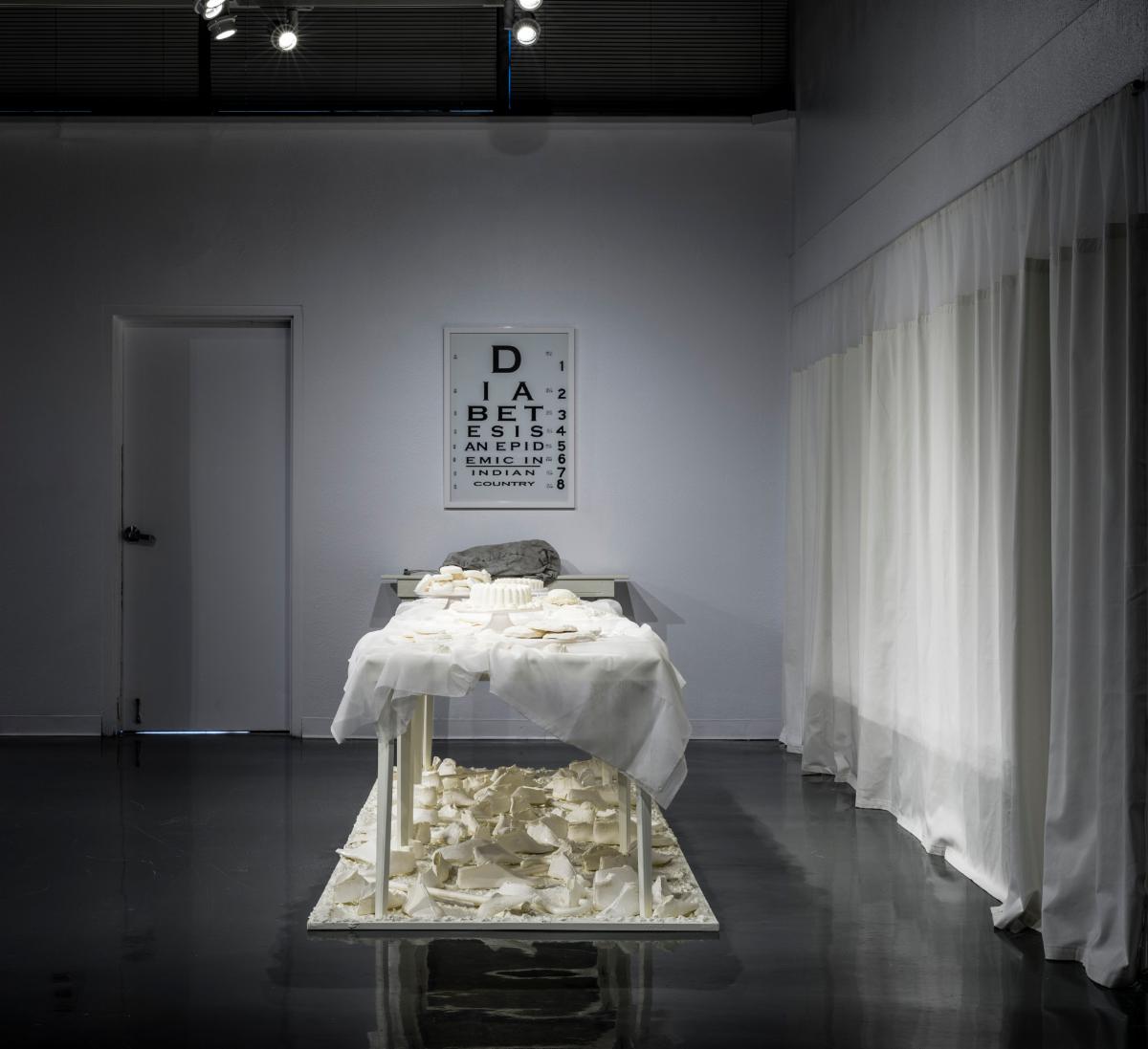
Last Supper is a conceptual installation pointing to the effects of how the food we consume is making a negative impact within our communities. C. Maxx Stevens (Seminole/Mvscogee Nation) builds a visual narrative based on private and public memories and experiences to deal with the devastating effect of diabetes throughout native nations. The exhibition Last Supper creates a larger social awareness of the epidemic and its dilemma in all of the United States. The mixed media installation includes her family archives and testimony about the disease and its impact on traditional values and the drastic evolution of diet as well as economy. C.Maxx Stevens is an installation artist and a member of Seminole/Mvscogee Nation from Oklahoma. She has recently retired as a Professor of Art at the University of Colorado in Boulder, Colorado.
The exhibition requires approximately 600 sq. ft. of space. To inquire further about the availability of Maxx Stevens: Last Supper or to receive a prospectus and checklist for this traveling exhibition, contact IAIA Museum of Contemporary Native Arts (MoCNA) Chief Curator Manuela Well-Off-Man at manuela.well-off-man@iaia.edu.
Image Credit: Maxx Stevens (Seminole/Mvscogee Nation), Last Supper (detail). Photo courtesy of IAIA Museum of Contemporary Native Arts.
|
|
2nd Floor North Hallway
On view until February 27, 2022
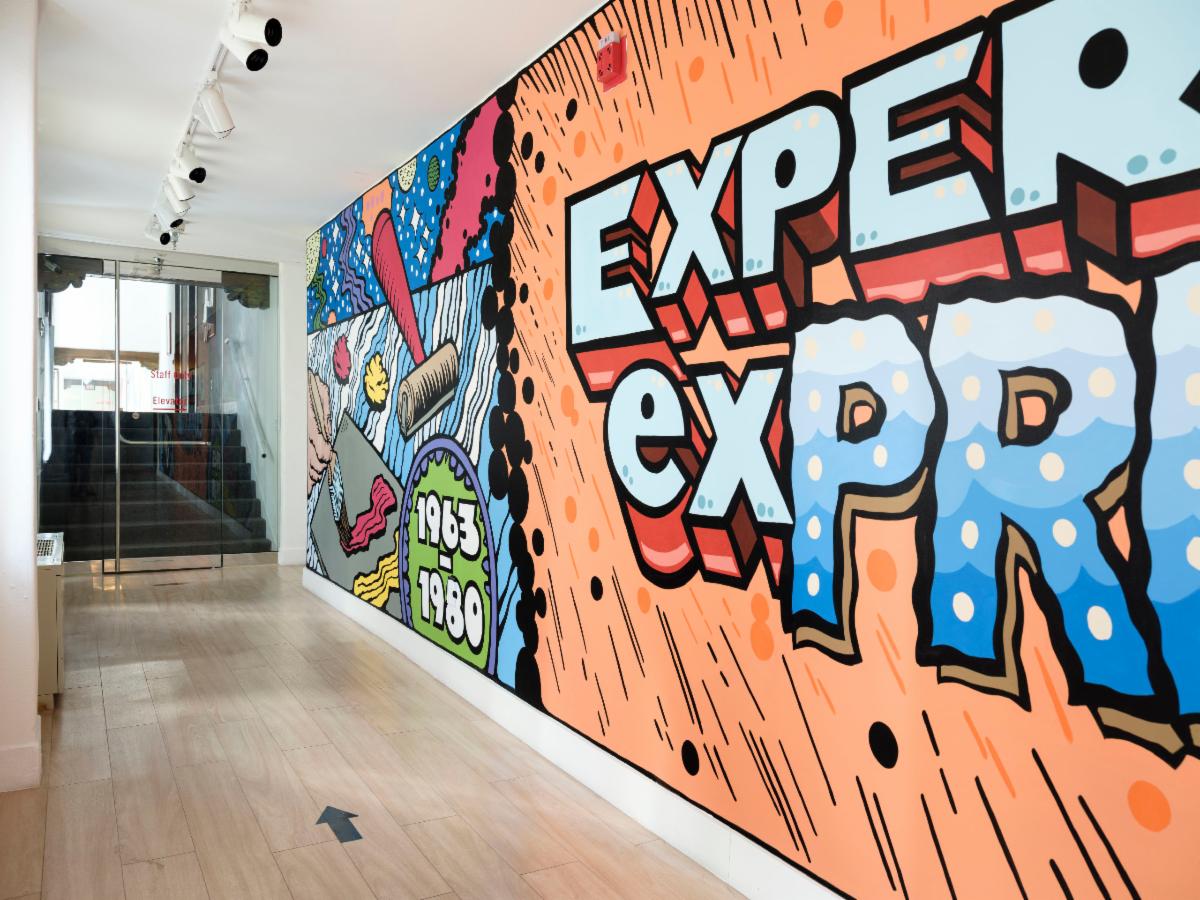
Daniel McCoy Jr.’s (Muscogee Creek/Citizen Band Potawatomi) ’17 mural outside the Kieve Family Gallery is part of the Experimental exPRESSion: Printmaking at IAIA, 1963–1980 exhibition.
McCoy who also created printmaking illustrations for the exhibition design and didactics. “The mural is influenced by powwow regalia colors, films, and comics from the late sixties and seventies. I tried to imagine what the IAIA students would have liked during this time (1963–1980). My son Noel and I first drew black and white illustrations in ink then roughly based the mural on these illustrations.”
—Daniel McCoy Jr.’s (Muscogee Creek/Citizen Band Potawatomi) ’17
Image Credit: Daniel McCoy Jr.: Experimental exPRESSion Mural (detail), photograph by Jason S. Ordaz, IAIA, 2021.
|
|
Hallway Gallery and Honor Gallery
On view until July 18, 2021
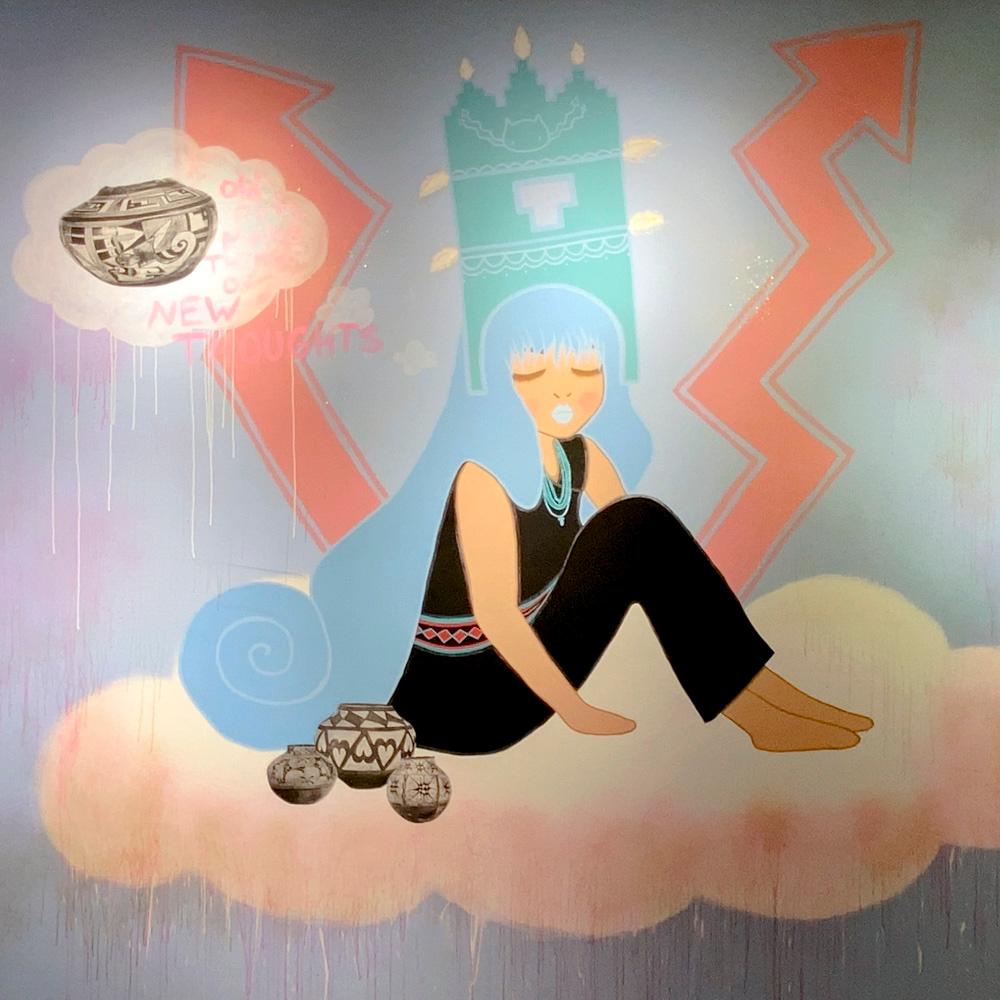
Amanda Beardsley’s (Hopi/Laguna/Choctaw) mural Future Vibes depicts young Pueblo women dancing into the future—to suggest that traditional knowledge continues into the present and future. Beardsley explains, “To visualize Indigenous Futurism, we must revitalize the wisdom that emerged from our ancestors’ early experiences and the long road they traveled to attain the knowledge that the absolute law of reciprocity would be their guiding principle and that life will go on forever.”
The subject matter of her mural brings together women with strong cultural values. Beardsley states, “The world is often described as a dark place at most times, however, I choose to create my art with bright vibrant colors to juxtapose the two ongoing worlds. The Future Vibes mural will be bright, colorful, fun, happy, and bring new ideas to the future.”
Image Credit: Amanda Beardsley: Future Vibes Mural (detail), photograph by Jason S. Ordaz, IAIA, 2021.
|
|
Allan Houser Art Park
On view until June 20, 2021
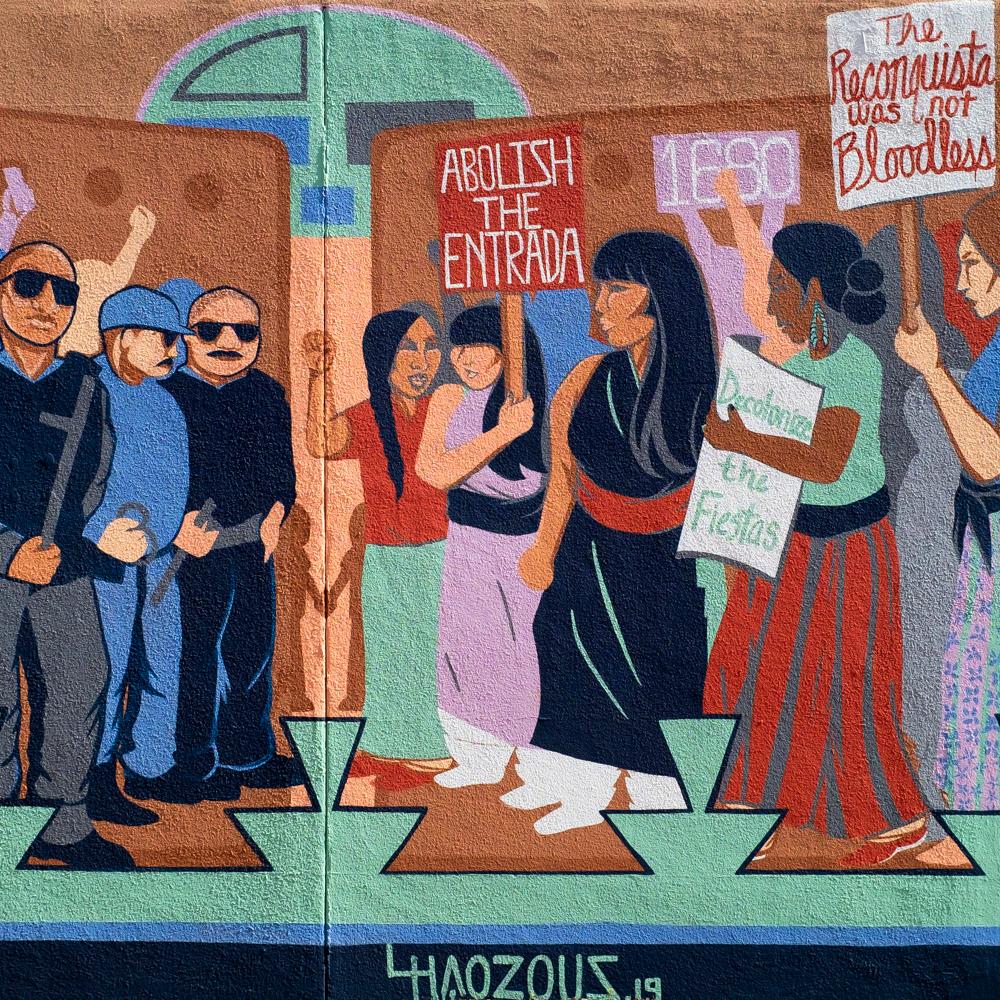
As part of the Reconciliation exhibition, artist Lynnette Haozous (Chiricahua Apache/Diné//Taos Pueblo) painted a mural depicting the last day of the Entrada. Haozous explains, “The path to reconciliation is to first acknowledge the events that have brought us here today, post-Entrada—it is an honorary mural depicting the strength of the community members coming together to abolish the Entrada, especially the Indigenous women who stood on the front line. These warriors also fought against all that it represents from colonial police state violence to patriarchy—the fight for Indigenous rights and ways of life also includes the protection of land, air, water, and sacred sites for our future generations.”
The mural depicts the different points of view from community members who voiced their opinions and feelings surrounding the Entrada. “It is important to understand each other’s perspectives, while also acknowledging the true history of these lands. We must remember that reconciliation is an active process,” says Haozous.
Image Credit: Lynnette Haozous: Abolishing the Entrada Mural (detail), photograph by Jason S. Ordaz, IAIA, 2021
|
|
Upcoming Public Programming |
|
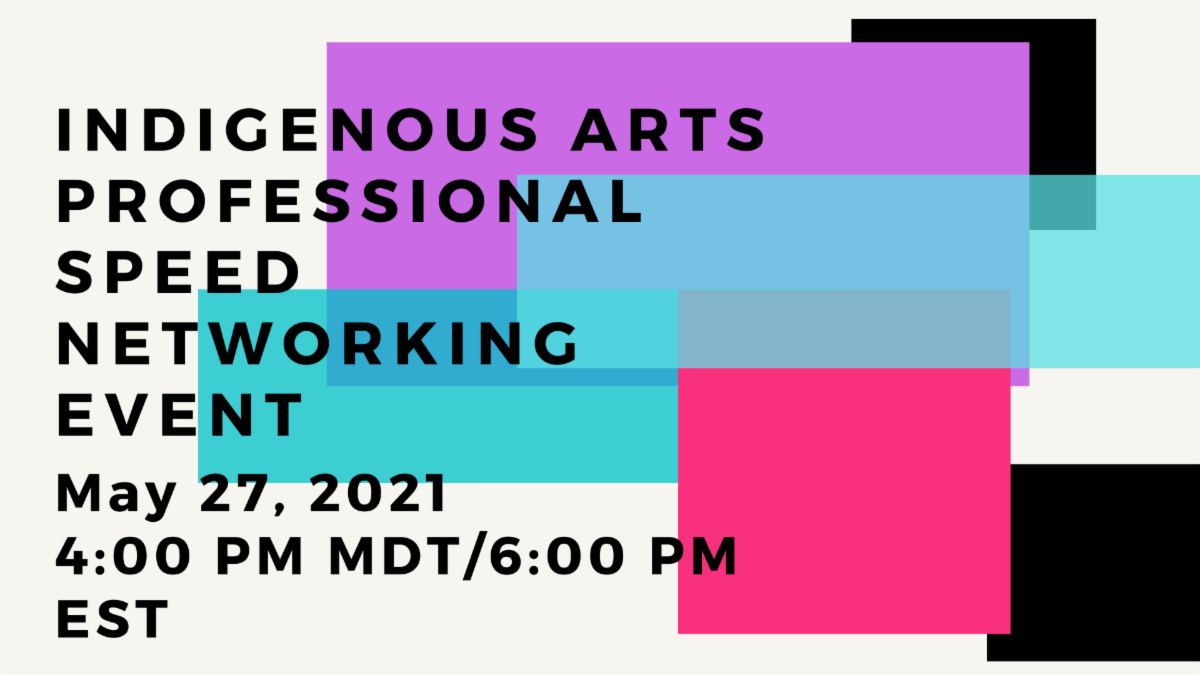
May 27, 2021, 4 pm (MDT)
This event was created to allow for a great and accessible way to meet and network with Indigenous curators, artists, and professionals in the arts based in the territories of “so-called” Canada and USA, during a time where meeting new people has serious challenges attached. This is a fun opportunity for Indigenous arts professionals to meet and discuss their art practices, projects, and the arts sector in general. This is a safe and accepting event that hopes to bring like minded individuals together to discuss, and maybe even enact, some Indigenous creative excellence. This event wishes to continue the discussions that took place during the roundtable Kinship and Solidarity Across Borders: A Conversation on Indigenous Curatorial Practices in “so-called” Canada and the United States which you can watch on MoCNA’s YouTube and Facebook platforms.
Image Credit: Flier design by Winoka Yepa (Diné).
|
|
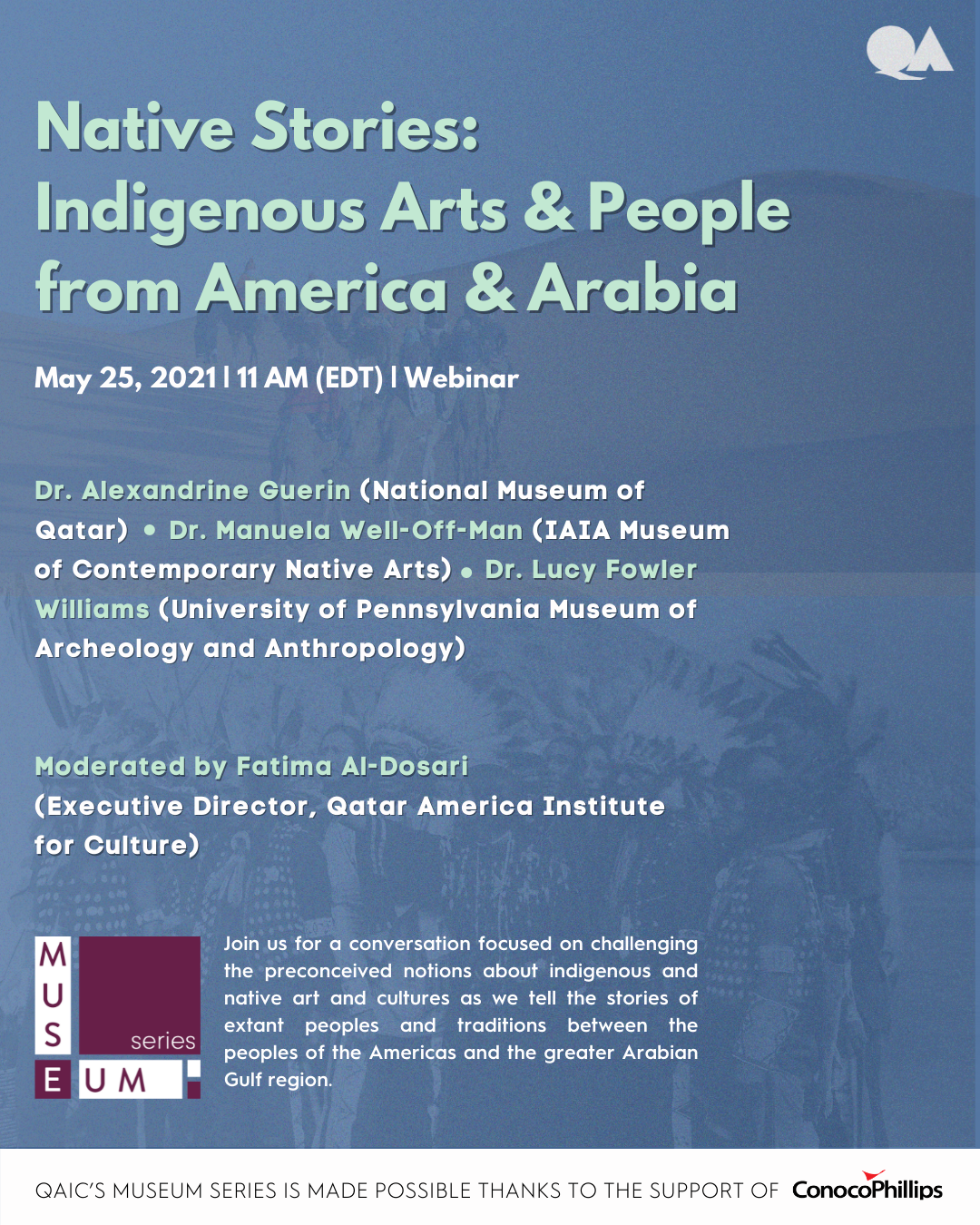
May 25, 2021, 9–10 am (MDT)
Qatar America Institute for Culture’s (QAIC) Museum Series brings together Museum experts from Qatar and the US to highlight and discuss important collections, their unique approaches to displaying and featuring the art in their collections, as well as any external factors that may impact them as an institution and as a collection.
QAIC’s second Museum Series panel, on May 25, 2021, will focus on Indigenous Art collections from the National Museum of Qatar in Doha, Qatar, the IAIA Museum of Contemporary Native Arts, and the University of Pennsylvania Museum of Archaeology and Anthropology.
|
|
Ongoing Public Programing |
|
Helen Hardin Media Gallery
Without a Whisper—Konnón:kwe, 27 mins
May 10—June 6, 2021
Explore the untold story of how Indigenous women influenced the early suffragists in their fight for freedom and equality. Mohawk Clan Mother, Louise Herne, and Professor Sally Roesch Wagner join forces on a journey that sheds light on the hidden history of the influence of Haudenosaunee Women on the women’s rights movement, possibly changing this historical narrative forever.
Image Credit: Image courtesy of Women Make Movies.
|
|
MoCNA Tours and First Fridays
As part of MoCNA’s COVID-19 precautions, the museum has temporarily suspended all walk-in tours on Mondays and Saturdays and special group tours until further notice. Please visit our virtual museum online or download our mobile app for a self-guided tour option when visiting the museum.
|
|
 |
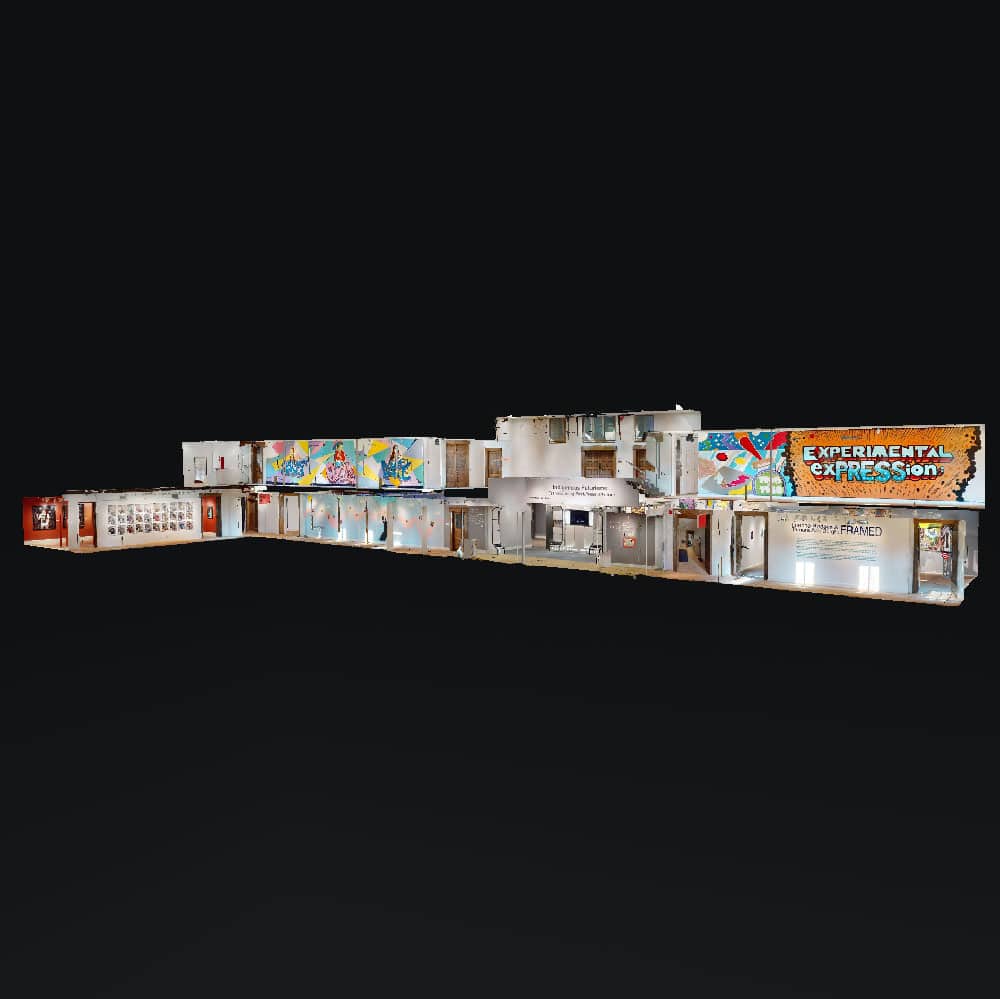
MoCNA Virtual Museum II
We officially launched our second virtual museum via Matterport. This VR experience is a digital replica of two exhibitions currently on view, The Moving Land: 60 + Years of Art by Linda Lomahaftewa and Michael Namingha: Altered Landscapes.
The virtual museum was co-created by our Senior Museum Education Manager Winoka Yepa (Diné) and Photographer Lisa Hinson of 5D Media, who provided the high-resolution photographs used for this VR experience.
|
|
|
|
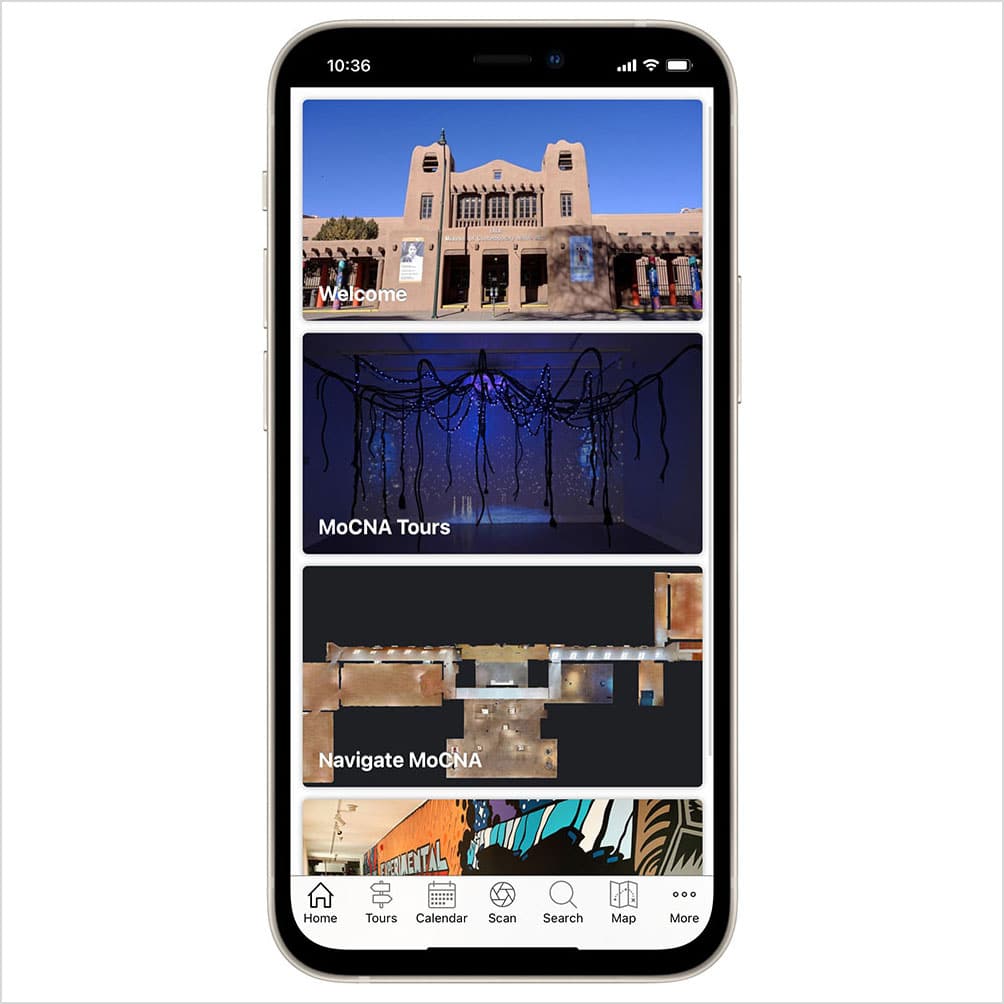
MoCNA Mobile App
Experience MoCNA from your smartphone. Explore contemporary Indigenous art through our current exhibitions, through guided tours, artist interviews, and more. Stay up to date on our latest events, and explore the museum using our interactive maps all through the app.
The MoCNA app was co-developed by Cuseum, Inc. and MoCNA Senior Manager of Museum Education Winoka Yepa (Diné). All Apple and Apple logos are registered trademarks of Apple Inc.
|
|
|
|
|
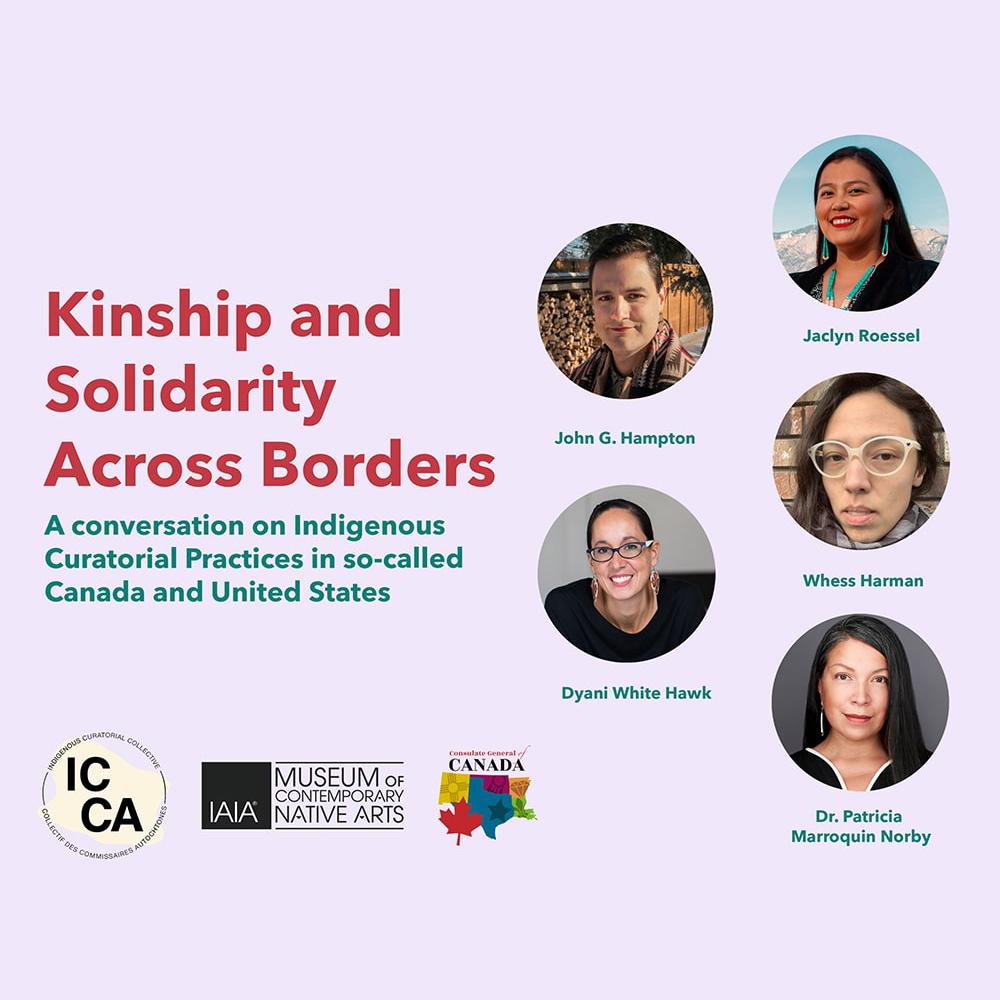
Kinship and Solidarity Across Borders
This panel, Kinship and Solidarity Across Borders: A Conversation on Indigenous Curatorial Practices in “so-called” Canada and the United States, brings together Indigenous curators and artists based in “so-called” Canada and the United States who will discuss their Indigenous curatorial practices and issues and movements of solidarity, accountability, respect, and reciprocity in their roles as curators, educators, and artists within the institutions for which they work or collaborate.
|
|
|
|
Artist Talk with Michael Namingha
This artist talk and tour was held live virtually on Thursday, April 22 via ZOOM. Michael Namingha (Tewa/Hopi) spoke about his current work in his solo-exhibition, Altered Landscapes, which is currently on view in our North gallery.
Altered Landscape series are abstract, photography-based works that juxtapose geometric shapes in bright neon colors against black-and-white aerial landscapes from the Four Corners region.
|
|
|
|
|
|
Watch the gallery and artist talk with curator Dr. Lara M. Evans (Cherokee) and Linda Lomahaftewa where they discuss the The Moving Land: 60+ Years of Art by Linda Lomahaftewa exhibition. |
|
|
|
The Museum Store offers a unique shopping experience, featuring a collection of high-quality, Native-made, and Native-designed products including one of the most extensive collections of books on Native-related topics. The inspiring collection of items also includes prints, textiles, paintings, jewelry, pottery, sculpture, various home goods, and children's products. We are pleased to offer Native brands like Eighth Generation, The NTVS, Trickster Company, Bison Star Naturals, and more.
Interested in browsing our selection of products not currently featured on our website? Email us at store@iaia.edu or call (505) 428-5912 to inquire about specific artists or merchandise. Phone and email orders are welcome!
|
|
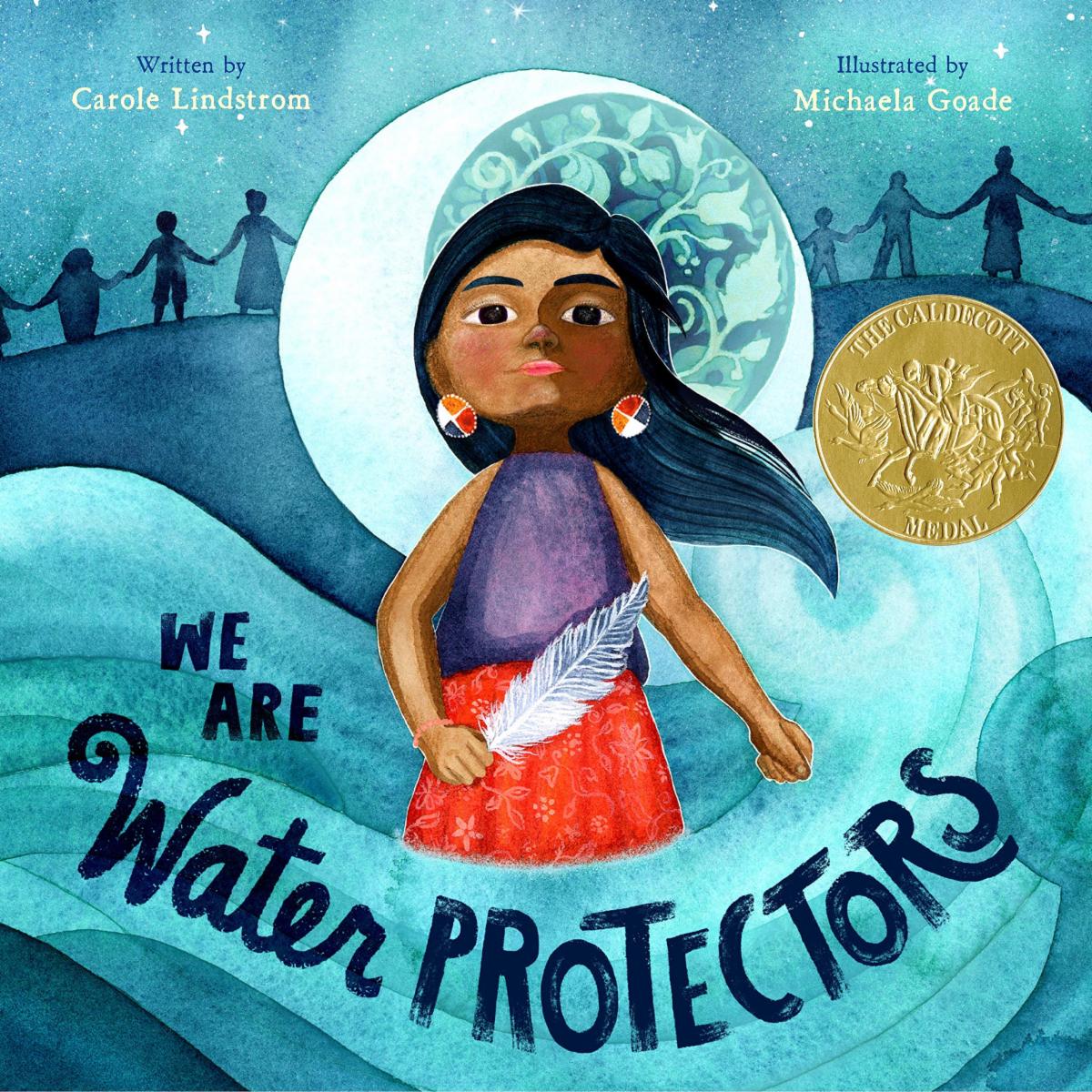
We are Water Protectors
Carole Lindstrom and Michaela Goade
|
|
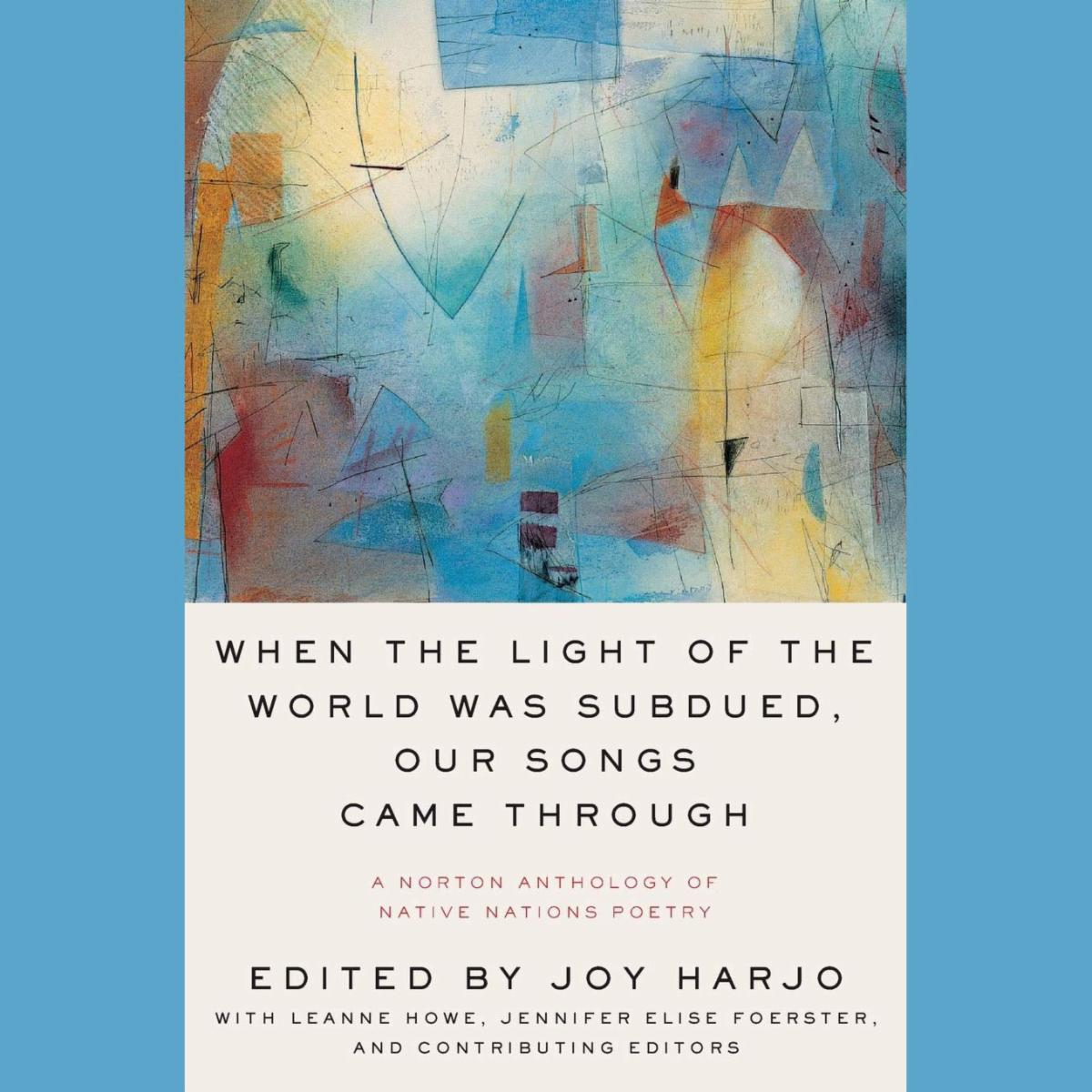
When the Light of the World was Subdued, Our Songs Came Through
Edited by Joy Harjo
|
|
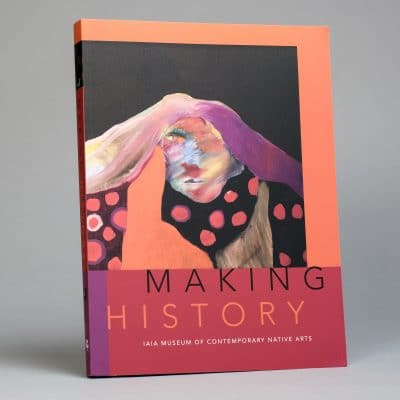
Making History
Edited by Nancy Marie Mithlo, PhD
|
|
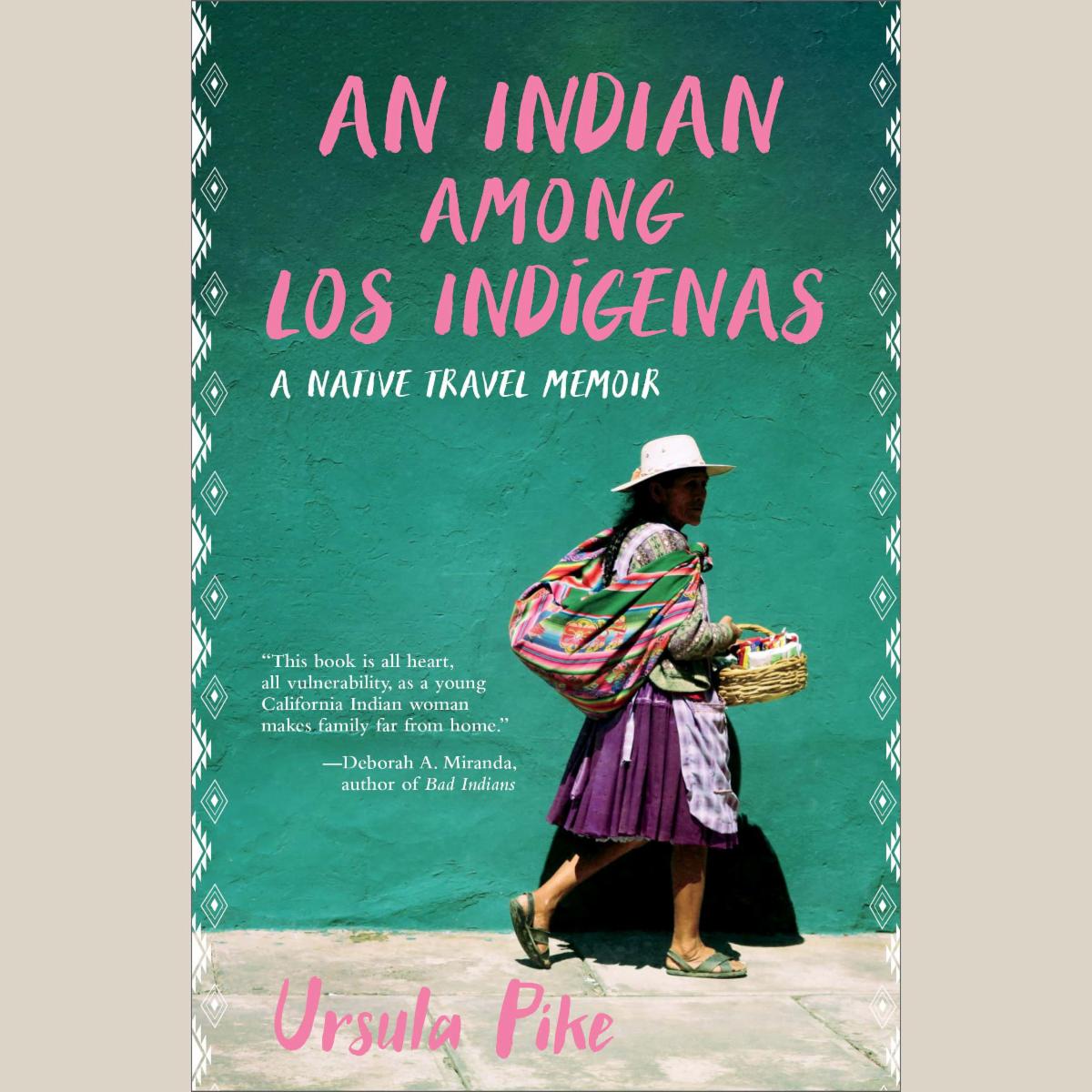
An Indian Among Los Indígenas
Ursula Pike
|
|
Trickster Company Basketball |
|
IAIA Face Coverings
(four styles to choose from)
|
|
About the IAIA Museum of Contemporary Native Arts (MoCNA) |
|
The mission of the IAIA Museum of Contemporary Native Arts (MoCNA) is to advance contemporary Native art through exhibitions, collections, public programs, and scholarship. MoCNA's outreach through local and national collaborations allows us to continue to present the most progressive Native arts and public programming. MoCNA's exhibitions and programs continue the narrative of contemporary Native arts and cultures. |
|
|
|
|
|
|
|
|
|