Tragic Early Experience of Health Inequity Informs British National Health Service Leader's Purpose and Passion: Meet Dr. Bola Owolabi
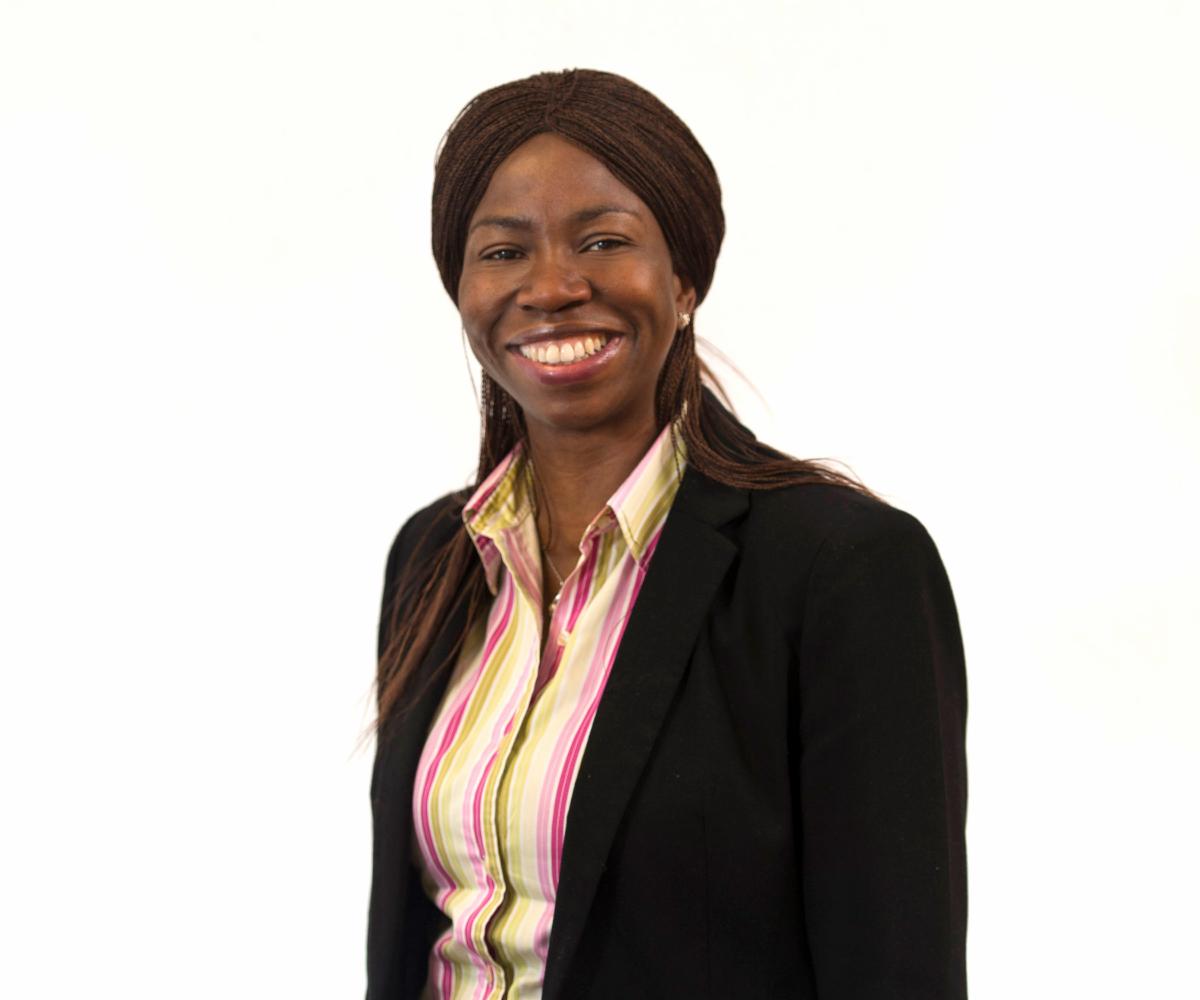
In February, GlobalMindED celebrates Black History Month by highlighting influential black voices. Meet Professor Bola Owolabi (MRCGP, MFPH Hon, FRSPH), Director of the National Healthcare Inequalities Improvement Programme for the National Health Service in England. She works as a General Practitioner in the Midlands and is particularly interested in reducing healthcare inequalities through integrated care models, service transformation, and using data insights for quality improvement. She is also a Vice President of the Royal Society of Public Health (RSPH).
Internationally, Bola has been a member of the Danish Ambassador’s Tour De Health – a ten-nation healthcare policy leaders’ summit. Additionally, she was the UK representative on the Commonwealth Fund/Academy Health Tour 2023, exploring equity in national health policy across the United States, Australia, New Zealand, and Singapore.
The Gilead & Kite Campaigner for Health Equity Award was awarded to Professor Bola Owolabi. Dr Véronique Walsh, General Manager & VP, UK & Ireland, Gilead Sciences, said “Professor Bola’s commitment to eliminating health inequalities serves as an inspiration to us all. She works tirelessly to ensure that those unseen and unheard communities and individuals in the margins are helped and can access support. Too often many in society face disparities in their health outcomes, so Bola’s Core20PLUS5 is a critical approach to addressing inequalities and gives us all the agency to act and make a change".
Meet Dr. Bola Owolabi:
My ambition to reduce health inequalities comes from a personal place. At 17, living in Nigeria, I started university inspired to study medicine by a doctor who treated me when I was 9. She was kind and I wanted to be just like her.
But life had other plans, my father was made redundant (laid off). my mum became ill and all of a sudden everything was different. I watched my mother deteriorate and become a shadow of her beautiful self. Suddenly I had gone from being a teenager in a middle-class, financially stable, healthy family with the world open wide, to a frightened medical student struggling to find the money to book a doctor’s appointment, and the doors to my future closed shut.
With common insulin beyond our means, my mum’s condition declined. She was admitted to the hospital, fell into a diabetic coma, and died at 48 years old. Not because she had an incurable illness, but because we could not afford access to timely, quality medical help.
My story and that of my parents will not be like that of anyone born in the UK today, because out of the rubble of the Second World War, we agreed as a nation that access to health, free and at the point of need, was a basic right. However, the issue of health inequality was soon identified as it became clear that there were disparities in access and outcomes for different groups from the same National Health Service.
When the pandemic struck, it cast a harsh light on these health and wider inequalities that persist in our communities. The virus itself has had a disproportionate effect on certain sections of the population; including ethnic minority communities, the most deprived, people with learning disabilities, and those with severe mental illness.
COVID-19 has pushed health inequalities firmly up the priority list of health leaders and politicians alike. Now that we have their attention, we must take the specific measurable actions that we know can make a real difference to the life chances of many people who have been underserved for a long time. I was delighted to be appointed NHS England and NHS Improvement’s Director, Health Inequalities at the end of 2020. This is an important signal of the NHS’ commitment to tackling this issue.
Even before the pandemic, the issue of health inequality had already been identified as a major issue and a clear national priority. Black women in the UK are four times more likely to die in pregnancy or childbirth, the healthy life expectancy gap between the most and least deprived communities is 19.6 years and people with learning disability have a life expectancy gap of 15 years compared to the average population. Facts like these led to an NHS commitment to review funding allocations based on health inequalities and unmet needs.
This is a time of great opportunity and I am committed to working with colleagues across our organization and beyond to generate dialogue where people are included, involved, and inspired to tackle health inequalities and derive pride and joy in doing so. Together, we can make a real difference.