SYMPOSIUM REFLECTION: THE POWER OF CONNECTION | | |
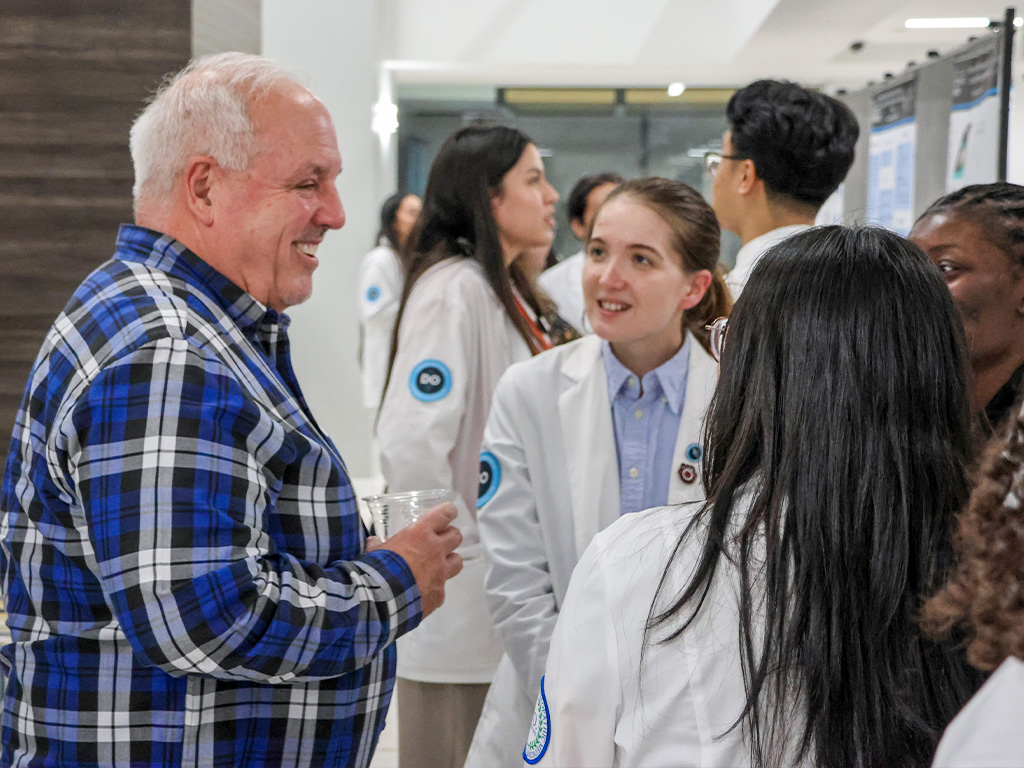
Held in March, our 3rd Annual Research Symposium was strengthened by the engagement of KERN members in attendance. Thank you to those who showed up to show support for our student researchers!
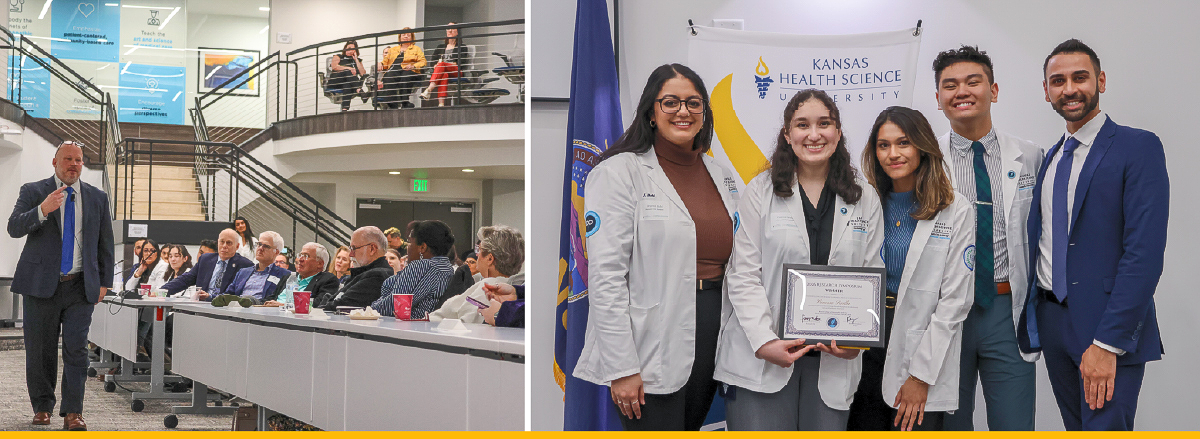
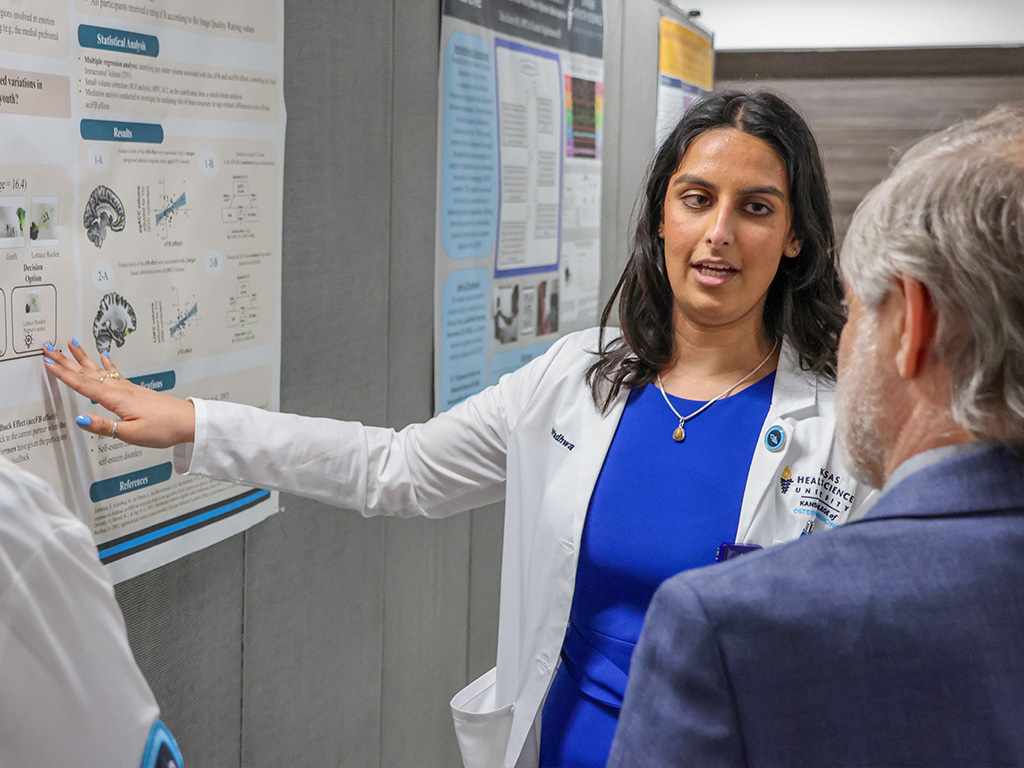
The event on our campus showcased excellent scholarly work, with 39 projects on display across clinical, educational, and population health topics, reflecting the depth and quality of research underway at KansasCOM. Vanessa Sevilla, a first-year student doctor, received the Excellence in Research Award, for her project Prevalence and Correlates of Eating Disorder Symptoms in Adolescents in Acute Psychiatric Treatment. She and her co-authors highlight the need for routine screening across diverse psychiatric conditions.
Keynote presenter Dr. Thomas Ropel, former FBI Special Agent, emphasized the role of research as a cornerstone of medical education. He reinforced how early engagement in inquiry helps future physicians develop clinical judgment, adaptability, and a lifelong commitment to improving patient outcomes. According to Dr. Ropel, those who engage in research are better equipped to evaluate evidence, ask sharper questions, and respond thoughtfully to complex health care challenges.
At the core of both FBI interrogation and clinical care, he noted, lies the same fundamental challenge: “When you interview somebody, you're trying to elicit information… Similarly, a doctor has to elicit information about what their patient's symptoms are.”
But success depends on more than simply asking the right questions. It requires recognizing the person behind the answers. Too often, Dr. Ropel said, professionals overlook this step. The most effective interviewers are those who “build a little bit of relationship, even if it’s only 10 minutes.” His message resonated with the Symposium audience, affirming that whether conducting research, providing care, or simply engaging with others professionally, the most meaningful outcomes begin with recognizing the human being in front of you and building rapport.
| | |
RESEARCH ROUNDUP
Dive into the groundbreaking work of our community. Download the latest KERNels Publications Summary for April 2026 to discover recent projects.
| |
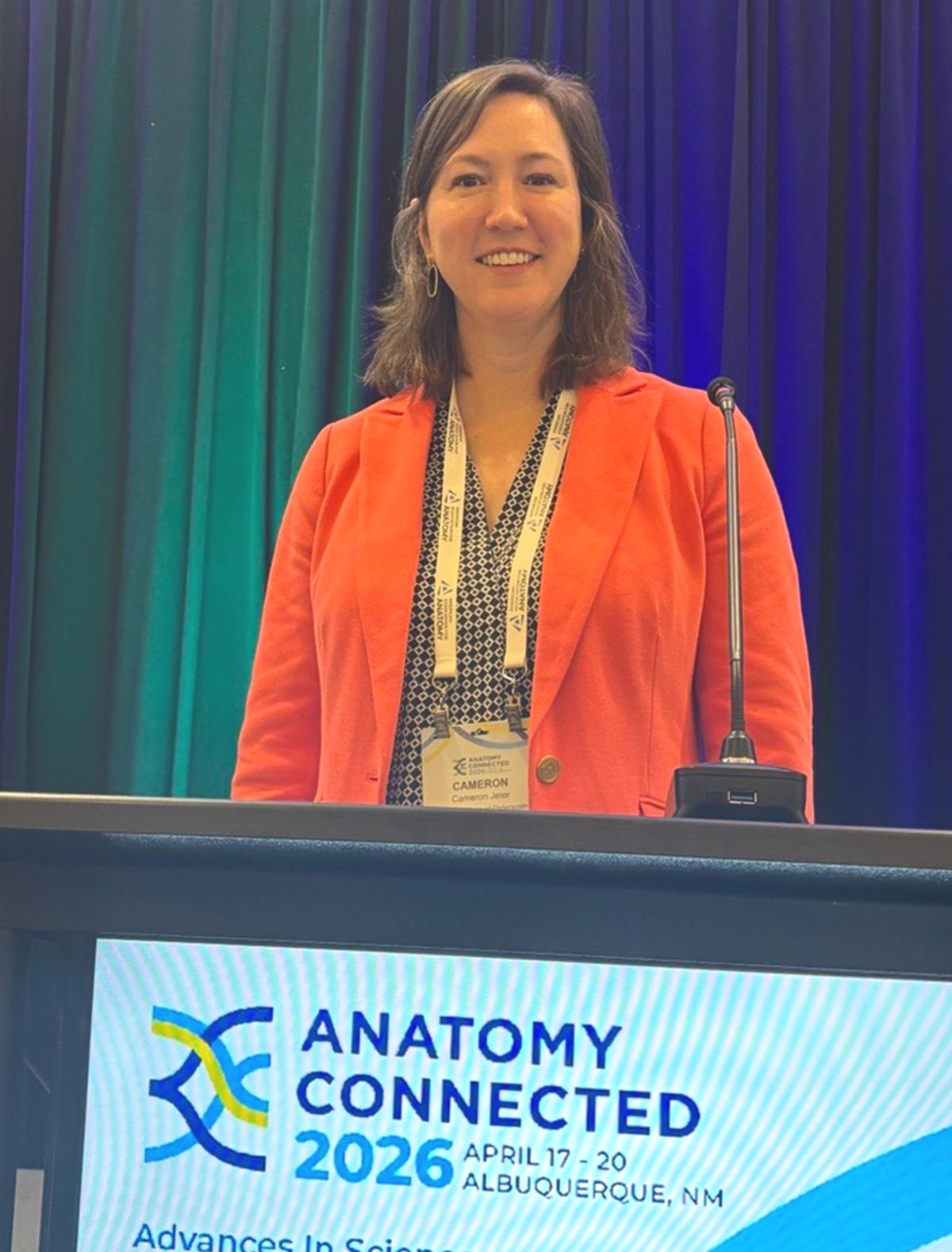
Dr. Jeter, Gagain ('26), Curran, and Rozas
Help us recognize Dr. Cameron Jeter, Kiley Gagain, Shannon Curran, and Natalia S. Rozas for their innovative project, NeuroTwister: Gamified learning to teach cross-sectional neuroanatomy to medical students, published in Anatomical Sciences Education. Designed to address “neurophobia” in health professions education, the game adapts the classic Twister® format to teach brain and brainstem cross sections through active, hands-on learning. Survey results showed high enjoyment and increased confidence in neuroanatomy. Dr. Jeter presented this work at the American Association for Anatomy's Anatomy Connected meeting in Albuquerque, New Mexico, highlighting its potential to enhance student learning.
| |
Karami, Ventura ('29), Pinnow, Green, Asonye, Ibrahim, McCulley, Pan, and Zhou
Let's applaud Sara Karami, Christian Angelo Ventura, and colleagues for their study on pediatric nonprescription medication exposures during the COVID-19 pandemic, published in Clinical Toxicology. In the project, Intentional pediatric nonprescription cold/cough and analgesic/antipyretic exposure trends amid the COVID-19 pandemic, using U.S. Poison Center data, the team analyzed trends in intentional misuse and suspected suicide attempts among youth ages 6–17 involving common analgesics/antipyretics and cold/cough medications. Their findings emphasize shifts in exposure patterns during the pandemic and underscore the importance of monitoring medication safety and mental health risks for children.
| |
Zajic, Muñoz, Dr. Dennis, Bhatt, Sakai, Achilleos, Zhao, Lamb, Price, Seidel, Tiana, Barral, Clawson, Manzanares, Trainor
Help us celebrate Emma L. Moore Zajic, William A. Muñoz, Dr. Jennifer F. Dennis, and colleagues for their research on the role of NR6A1 in neural crest cell development. Their study, published in Nature, identifies NR6A1 as a critical regulator of neural crest cell specification, formation, and survival in mammalian embryos. Loss of NR6A1 disrupted cranial neural crest development and eliminated migratory cells beyond the first pharyngeal arch. This work advances understanding of the mechanisms underlying neurocristopathies and early vertebrate development. Read more on the project, NR6A1 is essential for neural crest cell specification, formation and survival.
| |
Mour, Paudel, Modi, Goswami, Shubeilat, Ptak ('27), Parajuli
Help us recognize Girish Mour, Sujay Dutta Paudel, and colleagues including Lucy Ptak for their comprehensive review on vaccination in adult solid organ transplantation. Published in Microorganisms, the article, The Role of Vaccination in Adult Solid Organ Transplantation: Updated Reviews with Recent Guidelines, outlines best practices for vaccination timing, safety, and immune response before and after transplant. Their work demonstrates the importance of comprehensive immunization strategies, including boosters and special clinical considerations, to reduce infection risk and improve long-term outcomes in this vulnerable population.
| |
Treviño ('26), Leiker ('26), Palnati ('26), Dr. Bhakta
Congratulations to graduating KansasCOM student doctors Marcela Treviño, Payton Leiker, Sainamitha R. Palnati, and to Dr. Saajan Bhakta for their systematic review on bone health in postmenopausal women. The study compares hormone replacement therapy (HRT) and weight-bearing exercise for preserving bone mineral density and preventing fractures. Findings show both approaches improve bone health, with HRT demonstrating greater gains, while exercise remains an important non-pharmacologic strategy. The project illuminates the potential benefits of combining therapies and the need for further research to guide optimal prevention of osteoporosis. Read more about the article published in Cureus, Comparative Effects of Hormone Replacement Therapy and Exercise on Bone Health in Postmenopausal Women: A Systematic Review.
| | HARVARD PHYSICIAN-SCIENTIST ENCOURAGES STUDENT DOCTORS TO RETHINK RESEARCH | | |
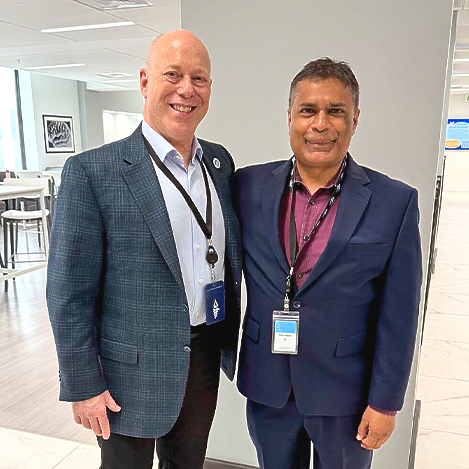
A leading physician‑scientist with more than two decades of cancer research experience challenged KansasCOM students to rethink how they approach research, not as a "résumé builder," but as a defining part of their medical training. Community Solution Trustee Dipak Panigrahy, MD, Assistant Professor at Harvard Medical School and Beth Israel Deaconess Medical Center, visited KHSU to guest lecture and connect with students and faculty. His message was that impactful research is built over time through curiosity, consistency, and strong mentorship.
Dr. Panigrahy encouraged students to approach research as a longitudinal commitment, emphasizing that impactful work stems not from quantity, but from thoughtful engagement and the ability to articulate one’s contributions. He underscored the role of mentorship in transforming early interests into substantive scholarly achievements and in shaping a competitive residency application.
During his visit, Dr. Panigrahy met with students in one‑on‑one and small‑group settings, offering personalized guidance on research paths and career goals. He also engaged with faculty and institutional leadership to explore opportunities for strengthening research at a broader level.
| | |
MAKING THE MOST OF YOUR KERN COMMUNITY
You’re part of the KERN community, and your membership is already opening the door. While there’s no requirement to participate, a few simple actions can turn your experience in the Commons into something far more rewarding:
-
Find Connections: Click on the dropdown by your name in the upper right-hand corner of the dashboard and select Connections. Under your profile picture (which we hope you update too) is Add Connection. You can search for members in our network.
-
Events are posted on your dashboard to keep you informed about research-related activities on campus, along with webinars and other opportunities that may support your work, spark new project ideas, and help you connect with fellow KERN members.
| |
HEALTH SYSTEMS SCIENCE AS A PATHWAY TO WHOLE-PERSON CARE: FACULTY PRESENTS AT WSU SUMMIT
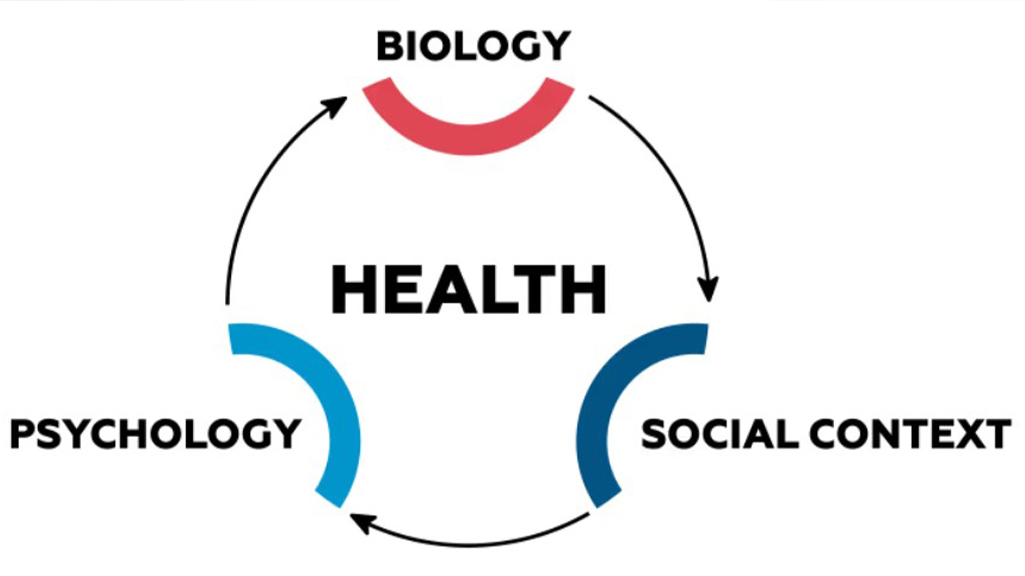
Paul Misasi, PhD, presented at the 3rd Annual Health Research and Education Summit at Wichita State University on Leveraging Health Systems Science Curricula to Operationalize Holism in Osteopathic Medical Education via the Biopsychosocial Model of Health. As Track Director of Health Systems Science (HSS) at KansasCOM, he explained how the evolving curriculum is grounded in the biopsychosocial model articulated by George Engel, positioning it as the foundation through which osteopathic medicine operationalizes its commitment to holism. He identified a shortfall at many osteopathic medical schools: while holism is the first tenet of the philosophy, it is not always explicitly taught, practically assessed, or integrated in coursework.
| |
Dr. Misasi was invited to the summit through KERN Advisory Board member Susan Castro, PhD, Director of WSU’s Academic Center for Biomedical and Health Humanities, a consortium dedicated to integrating humanistic and systems-based perspectives into health professions education. In addition, Kimberly Talbot, Executive Director of KERN, attended the summit and connected with faculty and leaders from WSU, the University of Kansas Medical Center, and other regional partners.
| | |
ADVOCATING FOR KANSAS HEALTH CARE IN TOPEKA
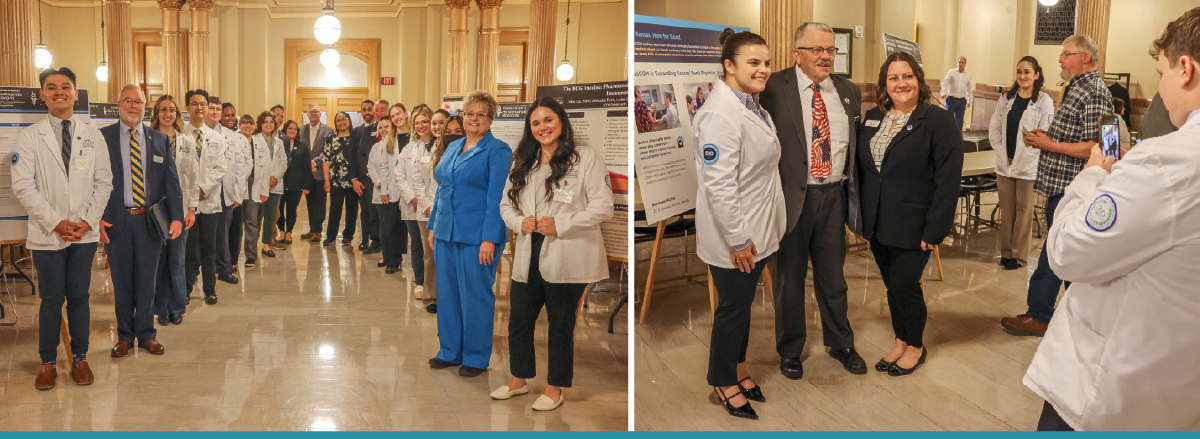
During a recent visit to the Statehouse, student doctors met with Kansas legislators and shared about their research projects at our annual "Donuts with DOs" event. They spoke about the role of scientific research in strengthening health outcomes across Kansas.
KansasCOM was also recognized on the Kansas House and Senate floors for its continued progress as the first osteopathic medical school in Kansas. Our entire community eagerly anticipates our inaugural graduation next weekend—a proud milestone honoring the dedication and achievements of the pioneering Class of 2026.
| | |
For additional questions, including inquiries about the KERN newsletter, please contact, reach our team at info@kansashsc.org.
Pictured on the right: Student doctor presents her work at the Third Annual Research Symposium
STAY CONNECTED WITH KHSU
| | | The content and dates mentioned in this newsletter are subject to change. We strive to provide accurate and up-to-date information, but unforeseen circumstances may occur. | | | | |