Welcome to the University of Oklahoma Carceral Studies Consortium Newsletter. The Carceral Studies Consortium strives to build a community for intellectual exploration that includes faculty, staff, graduate students, community members, practitioners, and organizers.
Carceral Studies is concerned with the independent function and nexus of the political and social systems that organize, shape, sustain, and entrench practices of punishment, surveillance, incarceration, and harm.
|
|
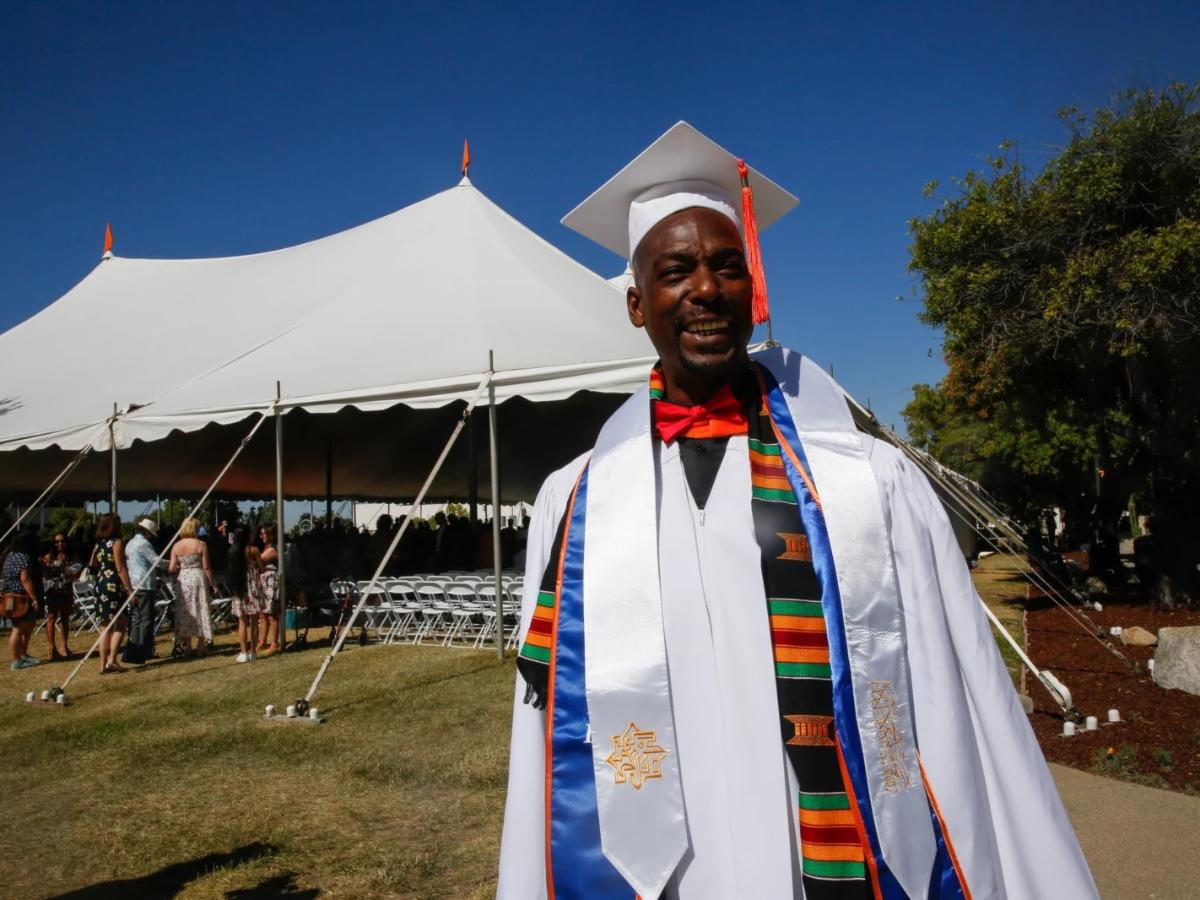
Since the 1994 crime bill, individuals incarcerated in prisons have been banned from accessing federal Pell grants to pay for college. As a result, more than 1,500 public higher education programs in prison folded, with only a handful of privately funded opportunities left. In 2015, the Obama administration began a pilot program that made a few Pell grants available to prison programs which led to congress fully lifting the ban on Pell grants for the 2023-2024 school year. These changes have allowed incarcerated students like Kenny Butler and Daniel Duron to navigate the path of earning bachelor’s degrees. However, even though educational funding and college degree paths are more available to incarcerated populations, the long-term effects of punishment in the United States create challenges when these graduates begin seeking employment. Butler found success in pursuing a graduate degree and applying for fellowships, both of which valued the personal journey of the student rather than the gaps in employment or education. Duron ran into a struggle of wanting to “do something meaningful” but found that manual labor jobs were some of the only ones available. For education to truly reduce the risk of recidivism, societal and economic barriers for formerly incarcerated individuals will need to be removed for the benefit of personal growth.
|
|
Jen Rice / Houston Public Media |
|
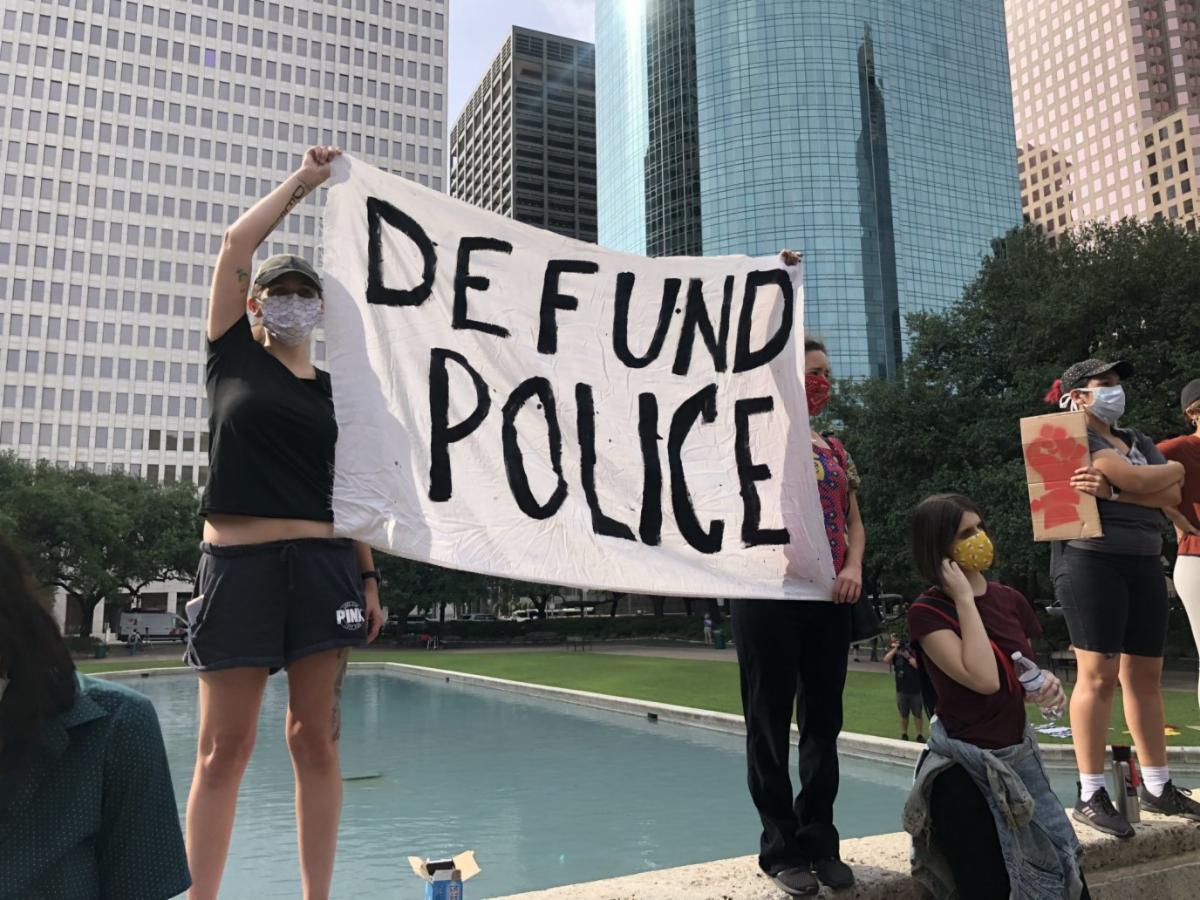
Article author Brian Root finds that the rate of killings by the police has remained consistent at nearly 1,100 people annually regardless of fluctuating crime rates or pandemic lockdowns over the past six years. Root makes the additional point that these killings have been committed disproportionately against minority populations. Although the protests after the murder of George Floyd called for defunding law enforcement agencies, Root believes that “officials at every level of government” are doing the opposite by “doubling down on funding the police.” At the center of this paradoxical situation are the studies that find mixed results on the relationship between policing and violent crime. In contrast, research on the harm from police contact could be more promising for neighborhoods with extreme inequalities. Root concludes by stating that “rather than doubling down on a policing strategy that has failed to ensure community safety and often results in the abuse of human rights, the United States should invest in the societal safety net at federal, state, and local levels as well as in community-based, non-carceral approaches to violence.”
|
|
Kevin J. Beaty / Denverite |
|
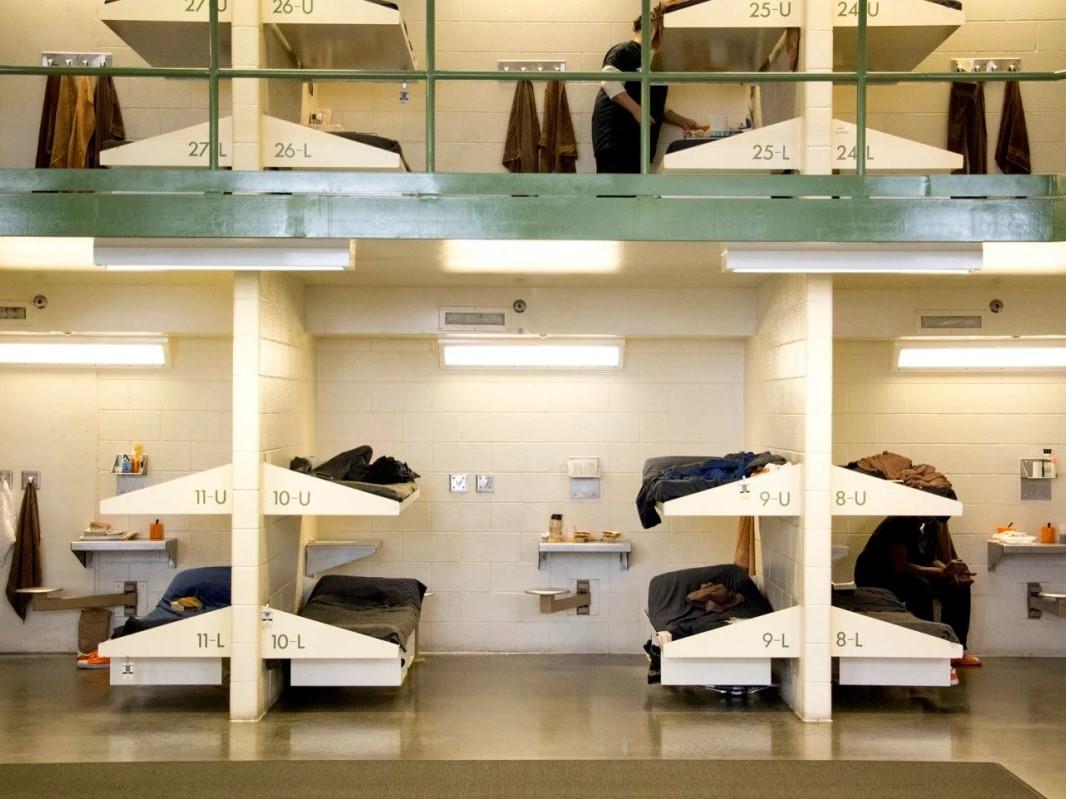
A recent audit of a Denver jail revealed that the data on its mental health programs is unreliable and that jail officials are failing to monitor their contracts with outside mental health providers, and could not prove their compliance with the housing preferences of their transgender population. Although officials at the jail believe that mental health is a paramount factor in reducing recidivism, the jail has failed to meet a few standards resulting in inconsistent and inefficient care. For example, one program focused on therapy and community reentry was found by auditors to be “inequitable” as it was only offered to men living in the jail. Other services, such as those involving an outside contractor, were found to have inadequate oversight and follow-up, resulting in wasted resources. However, the sheriff’s department appears to be working with auditors to fulfill their recommendations which include better record keeping, providing better support for community program placement, offering programs to any gender, and placing transgender individuals in their preferred housing option.
|
|
"White Cotton, Black Pickers" / Coursety of the Library of Congress |
|
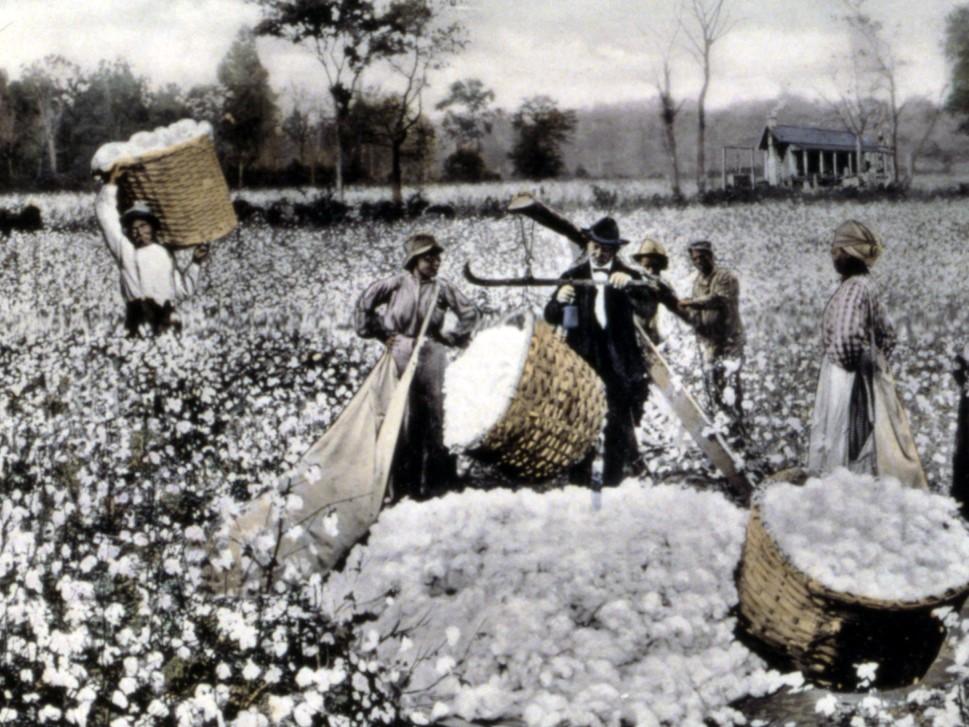
The Boston Review has curated a Juneteenth reading list on “racial capitalism, resistance, and remaking the world.” The list includes readings that explore the “spirit of resistance, from the eighteenth century to the present.” The collection contains readings that deeply relate to the understanding of the carceral state, such as, To Remake the World: Slavery, Racial Capitalism, and Justice by Walter Johnson of Harvard University and The Radical Lives of Abolitionists by Britt Rusert of the University of Massachusetts Amherst. Other topics included are the Atlantic slave rebellions, the civil rights movement, and the foundations of post-Reconstruction abolition democracy. The Boston Review believes that readers might find many of the essays relevant to contemporary political questions such as “how crucial was slavery to the foundation of the United States” or “to what extent did the birth of capitalism depend upon the labor of the enslaved?”
|
|
Kristen Luce / The Marshall Project |
|
Since 2017, the Marshall Project has found that one out of every three people detained in a Border Patrol Facility was under 18. With over 650,000 children in custody, another issue arises as officials fail to abide by federal court rulings and anti-trafficking statutes that limit the detention of children to less than 72 hours. These extended imprisonments are coupled with abysmal conditions such as limited health care, no access to sunlight, and being served half-frozen food. Marion Donovan-Kaloust, directing attorney at the Immigrant Defenders Law Center, believes these facilities are claiming a “false choice” between releasing children within 72 hours or having livable facility conditions. However, it appears that neither of these conditions is being met. Over 220,000 children were found to have been in the facility for more than three days, while many accounts report the children being verbally and physically abused by Border Patrol Agents. Some of the children held in border facilities claimed the U.S. officials treated them just as poorly as the forces they were fleeing from, with one child feeling like the border forces “[treat] us like they [hate] us.”
|
|
Please share recent research you would like to see featured, including your own!
Send it to carceralstudies@ou.edu
|
|
ABSTRACT: This introduction calls for political ecology to systematically engage with the ways that white supremacy shapes human relationships with land through entangled processes of settler colonialism, empire and racial capitalism. To develop the analytic of abolition ecology, we begin with the articulation of W.E.B. Du Bois’ abolition democracy together with Ruth Wilson Gilmore’s spatially attuned analytic of abolition geography. Rather than define communities by the violence they suffer, abolition ecologies call for attention to radical place-making and the land, air and water based environments within which places are made. To that end, we suggest that an abolition ecology demands attention to the ways that coalitional land-based politics dismantle oppressive institutions and to the promise of abolition, which Gilmore describes as making “freedom as a place”.
|
|
ABSTRACT: I analyze institutions of prison subculture that mitigate potential violent confrontations among inmates, in contrast to Hobbesian-Zimbardo default spontaneous violence. The games that are relatively rarely played in prison are Chicken and other violent confrontation games. Incoming rookie inmates are subject to initiation tests that allocate them into different subcultural groups, which signals their toughness and disincentivizes fighting. Most experienced inmates develop the eristic skills utilizing prison argot, use informal conflict adjudicators, and fake aggression toward rookies. All inmates form defensive coalitions. Finally, when inmates commit self-injuries, they follow well-rehearsed protocols to minimize the damage to their bodies and to maximize the impression made on the authorities. The secret knowledge of the associated rules, tricks, and cons is passed down over generations of prisoners through informal schooling. The material for this study comes from two Polish prisons, where the author spent 5 months as a political prisoner in 1985.
|
|
ABSTRACT: Considerable research has linked participation in arts programs to a constellation of positive social emotional outcomes for incarcerated participants. This article describes and evaluates a set of semester-long University of Denver Prison Arts Initiative (DU PAI) workshops. Through a pretest-posttest evaluation design inclusive of 22 quantitative and three qualitative items, we measured a range of outcomes for DU PAI participants (N = 119). Quantitative findings support prior work which associates participation in prison arts programs with social emotional outcomes such as community connection, skill attainment, and self-efficacy. Qualitative findings offered insight into participants’ experiences of the workshops, including: learning, growth, and discovery; opening up; authentic self-expression; empathy and perspective taking; belonging and connection; creative collaboration; joy and freedom. We also identified facilitator qualities which foster participant growth, including: safety, caring and respect, participation, and emotional involvement. Our findings suggest that prison arts programming may transcend skills-based and social emotional outcomes to invoke liberatory experiences for participants. There is a need for additional research to more clearly explore the effects of contextual factors and further concretize the unique role of arts programs in carceral spaces.
|
|
ABSTRACT: Mass incarceration has been shown to be a force of racializations and class inequality in US life, but little literature has focused on the lives of prison guards. Highlighting the lived experiences of prison guards at two state maximum security prisons in Elmira, New York, a small multiracial city in central New York State, this article uses Cedric Robinson's notion of racial capitalism to show how prison expansion unfolds in New York State at the end of the twentieth century. Guard labor includes both the physical work of control and of basic social reproduction and is done by people who are connected to the cultures, histories, and political economies in which they were raised, what Elmirans often call one's “hometown.” I examine prison guards’ narratives of their racial encounters inside and outside the prison, their sense of their racialized selves, and their relationship to what they see as often boring, violent, and stigmatized work. I show how the expansion of the carceral state over the past forty years, the period most often referred to as mass incarceration, maintains Fordism's labor hierarchies in a retooled racialization: as jailer and jailed.
|
|
Updates, Events & Opportunities |
|
NAMI Hosts Help Not Handcuffs: A Day in the Life - “The Wisdom of Trauma” Webinar
The National Alliance on Mental Illness (NAMI) is hosting a webinar to discuss the “relationship between adverse childhood experiences (ACEs) and justice system involvement, how trauma awareness can lead to healing, and thoughts on how we can change the trajectory for those who struggle with unresolved trauma.” Those registering for the webinar may also view the “Wisdom of Trauma” documentary. The webinar will be held on June 29th.
|
|
|
Carceral Studies Graduate Student Fellowship
Application Deadline Extended
The Carceral Studies Consortium offers an outstanding graduate student with an interest in advancing Carceral Studies a 12-month, .20 FTE position (8 hours per week). This CSC Graduate Student Fellow serves as the student representative on the Carceral Studies Board of Directors, as well as provides critical support for CSC initiatives throughout each academic year (July 1 to June 30). Applications will be accepted until the position is filled, with priority consideration given to applicants who apply before June 15, 2022.
|
|
|
OU Libraries and Carceral Studies Consortium Assemble “Racial Capitalism” Library Guide
In a collaborative effort between OU Libraries and the Carceral Studies Consortium, a library guide on “Racial Capitalism” is now available for all students, staff, and faculty. Racial capitalism contends that racist oppression is central to how capitalism operates. Racial subjugation is not one specific manifestation of a larger capitalist system, but rather, capitalism itself is a racial system. The guide includes resources (written, audiovisual, and contacts) for information about the carceral state, crimmigration, and race and labor.
|
|
|
ABOUT
The Consortium Newsletter will offer a roundup of a few selected articles that reflect today’s news, organizing, and thinking related to the carceral state. We understand that freedom work is built on education and engagement. Education requires an understanding of contemporary issues informed by their historical context. We hope that these curated articles will help you analyze the issues that we face and understand the community that we strive to construct.
Join the conversation!
We encourage feedback, suggestions, and article suggestions. Please reach out to carceralstudies@ou.edu with any ideas, thoughts, or recommendations.
If anyone you know is interested in receiving this newsletter and other information from the Carceral Studies Consortium, please forward them this email and they may click this link to subscribe.
|
|
Land Acknowledgment
The University of Oklahoma is on the traditional lands of the Caddo Nation and the Wichita & Affiliated Tribes. This land was also once part of the Muscogee Creek and Seminole nations. It also served as a hunting ground, trade exchange point, and migration route for the Apache, Cheyenne, Comanche, Kiowa, and Osage nations. Today, 39 federally-recognized Tribal nations dwell in what is now the State of Oklahoma as a result of settler colonial policies designed to confine and forcefully assimilate Indigenous peoples.
|
|
The University of Oklahoma is an equal opportunity institution. ou.edu/eoo |
|
|
|
|
|
|