|
A Strength-Based Way of Looking at ADHD
One of the most important things we can do for children—especially those who struggle—is to look beyond the behavior and ask:
“What might this be telling us about who they are and what they need?”
Sometimes the very traits that feel challenging can also reflect strengths. Here are some gentle reframes:
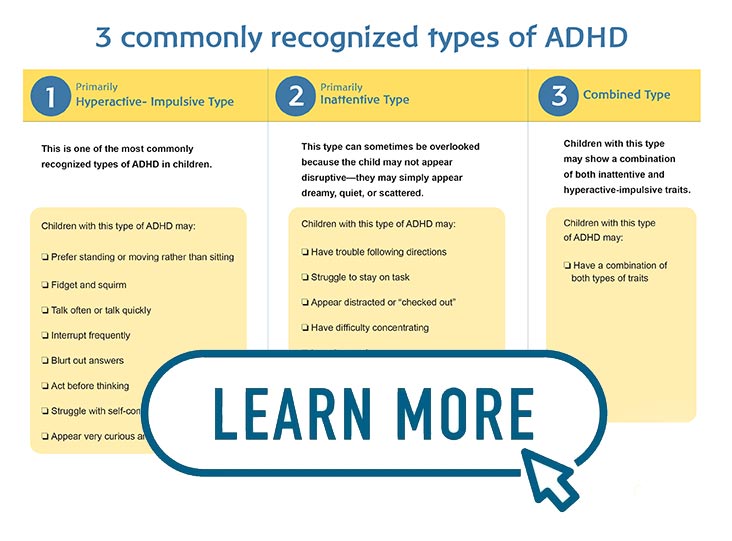
• If a child is easily distracted, they may also be able to think about many things at once.
• If a child has high energy, they may also be ambitious and full of drive.
• If a child is sensitive, they may be deeply empathetic and aware of others’ feelings.
• If a child is strong-willed, they may also be determined and persistent.
• If a child feels different, they may be wonderfully unique.
• If a child is talkative, they may be social, expressive, and relational.
Of course, strengths do not cancel out the struggle—but they help us respond with compassion instead of frustration.
How We Can Support Children with ADHD at Home
Here are a few simple examples of how a child’s natural traits can be supported in positive ways:
• Sensitive children may thrive when given opportunities to help others.
• Strong-willed children often respond well to meaningful responsibility and tasks that feel important.
• Talkative children may benefit from structured social time or interactive learning opportunities.
• High-energy children may do better after movement breaks (even something as simple as 20 jumping jacks before homework!).
• Distracted children may benefit from breaking tasks into small chunks, with a preferred activity afterward.
Often, children with ADHD are not lacking effort—they are lacking support strategies that match how their brains work.
A Final Note of Encouragement
Children with ADHD are not “too much.” They are not “lazy.” They are not “bad.”
They are often working very hard internally to do what others can do more easily—and they deserve understanding, structure, and encouragement.
As always, if you have concerns about your child’s attention, emotional regulation, or learning style, please feel welcome to reach out. Sometimes a conversation, a few supportive strategies, and a team approach can make a meaningful difference.
Warmly,
Kim Butler, Licensed School Counselor, LPC
Director of Mental Health Systems
kbutler@mountainsongschool.com
|