Title Theft and the Limits of Protection Against Such Threats |
Title fraud occurs when someone fraudulently transfers ownership of a property by falsifying documents or signatures. It is a growing issue for property owners as incidences of deed theft are rising according to the Journal of World Economic Research which reported $547 million in losses in 2020 and is predicting as much as $1 billion to be lost in 2022.
To mitigate the risk, there are several things property owners can do including: not leaving properties unattended; regularly checking your credit report and title records; and minimizing the sharing of your personal information both in personal communications and online. Another option is hiring the services of a third-party vendor to monitor your title. This process is similar to credit monitoring and there are companies who claims to provide a monitoring service that alerts homeowners to any suspicious activity related to their home's title. Like credit monitoring, title monitoring can detect issues, but neither is a guarantee that you will not be the victim of the form of identity theft they are attempting to manage.
In Texas, the attorney general is investigating a title monitoring service based upon their advertising. The question raised is whether the company is engaging in deceptive trade practices, specifically by falsely advertising that its services protect homeowners from all types of title fraud. The investigation alleges that the company's advertising is misleading because it implies that their services can prevent all forms of title fraud, which is not true. Questions have also been raised as to whether the company is charging excessive fees for its services, failing to adequately disclose the limitations of their protection, and engaging in unfair competition with other companies that offer similar services.
Having a plan in place to monitor your title is a good idea. Homeowners should consider the risks and rewards of purchasing title monitoring services for this problem. It remains to be seen what the outcome of Texas’ investigation will be, but it's clear that the issue of title fraud and the companies that purport to prevent it is one that requires careful scrutiny. Homeowners should be vigilant and informed when making decisions about protecting their property and personal information.
|
|
Case of the Month
Water for Citizens of Weed California, et al. v. Churchwell White LLP, et al.
|
This case involved a complex legal battle spanning multiple issues, including water rights and anti-SLAPP motions. The case was based upon allegations of malicious prosecution by the Defendant in its filing of a quiet title action against the City of Weed and others, including Plaintiff, in a dispute over water rights.
The original lawsuit was ultimately dismissed. Following the dismissal, the Plaintiff filed a lawsuit against the Defendant law firm, alleging that the original lawsuit was filed for the improper purpose of harassing and intimidating the water users.
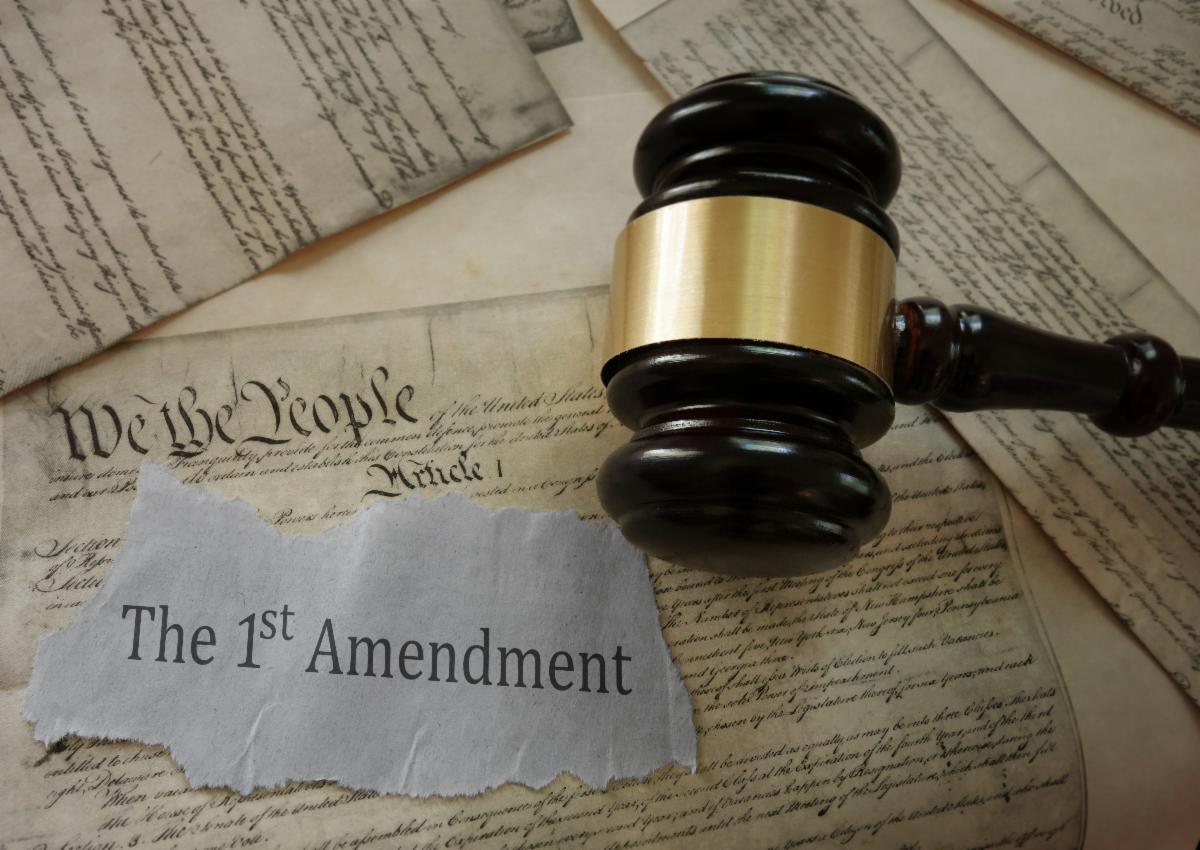
In response to the Plaintiff’s lawsuit, the Defendant filed an anti-SLAPP motion, which sought to strike the new complaint for malicious prosecution. An anti-SLAPP motion is a special motion to strike a lawsuit that is considered to be a Strategic Lawsuit Against Public Participation (SLAPP). In general terms, such cases arise when a lawsuit is filed that alleges tortious activity for exercise of the right to free speech under the First Amendment. The court ultimately granted the Defendant’s anti-SLAPP motion, finding that the right of the Defendant to file the original lawsuit was protected by the First Amendment.
The court's decision to grant the Defendant’s anti-SLAPP motion was significant because it reaffirmed the importance of protecting the free speech rights of attorneys in the context of legal representation. Additionally, the ruling highlighted the importance of conducting thorough legal research and providing competent representation to clients. The court found that the Defendant’s actions were protected by the First Amendment after analyzing whether they had probable cause to bring the original case.
The court's decision to grant the Defendant’s anti-SLAPP motion was a victory for attorneys' First Amendment rights and serves as a reminder of the importance of upholding the highest standards of professionalism and ethical conduct in legal practice.
|
|
Court Upholds Settlement Between the National Association of Realtors and the U.S. Department of Justice |
In 2019, the U.S. Department of Justice (DOJ) began an investigation into the actions of the National Association of Realtors (NAR) alleging concerns that NAR’s policies were limiting competition in the real estate market. The investigation centered on certain practices of NAR and their Realtors that the government deemed in violation of U.S. antitrust laws.
That investigation led to a lawsuit filed by the DOJ against NAR on November 19, 2020, along with a proposed settlement requiring NAR to take certain actions to mitigate the perceived issues identified in the investigation. The settlement was affirmed by the court, only to be later challenged by the DOJ, which attempted to withdraw from the settlement on July 1, 2021. NAR pushed back, requesting that the court uphold the settlement as agreed. On January 26, 2023, the court ruled in favor of NAR, holding that the DOJ and NAR were bound by the originally agreed upon settlement.
Pursuant to the settlement, NAR has agreed to several changes to industry practice for Realtors moving forward. These include: (1) a prohibition on Realtors representing to buyers that their services are free (when they are actually being paid by the seller through the multiple listing service); (2) a requirement that cooperating commission amounts (those same amounts being paid by sellers to the agents for the buyers) be disclosed freely, openly and transparently; (3) a prohibition on Realtors searching for listings in the multiple listing service based upon cooperating commission amount to mitigate the potential for inadequate representation; and (4) broadening access to lockboxes to licensees who are not members of NAR.
While the court’s ruling resolves the current dispute between NAR and the DOJ, there are multiple private lawsuits currently challenging the industry customs association with the multiple listing service and cooperating commission. These cases could have a long-term impact on how buyer’s agents are paid to perform their services. Based thereon, Realtors who represent buyers should consider adopting the practice of using the Buyer Broker Agreement and attendant forms relative to payment of commissions. Further, all real estate licensees should remain vigilant and ensure that they are complying with all relevant regulations and guidelines in order to promote fair and competitive markets.
|
|
Speaking Engagements & Events |
|
Thursday, March 9, 2023
Escrow Institute of California
Wednesday, March 15, 2023
Downey Association of Realtors Presentation
Wednesday, March 15, 2023
Saturday, March 25, 2023
Escrow Training Institute RESPA/Marketing Class
|
|
We've moved! Effective Dec. 12, 2022,
our new address is:
2535 Townsgate Road, Suite 207
Westlake Village, CA 91361
Same telephone #: (805) 265-1031
|
Feel free to call or email for a free consultation.
We appreciate your referrals.
|
|
Jennifer Felten, Esq.
Principal & Editor
|
|
|
|
|
|
|