June/July 2025

AC4C Roundtable


AC4C Summer Work Retreat

was Fun, Challenging and Informative!


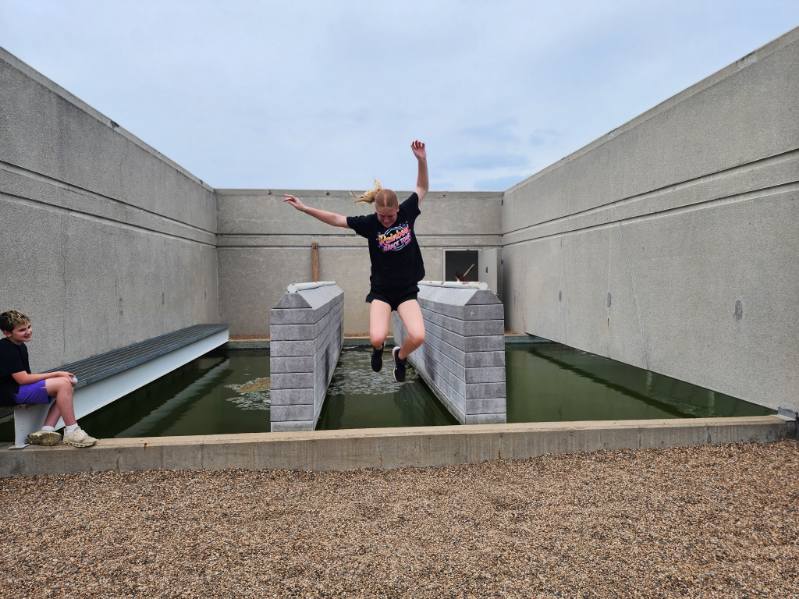
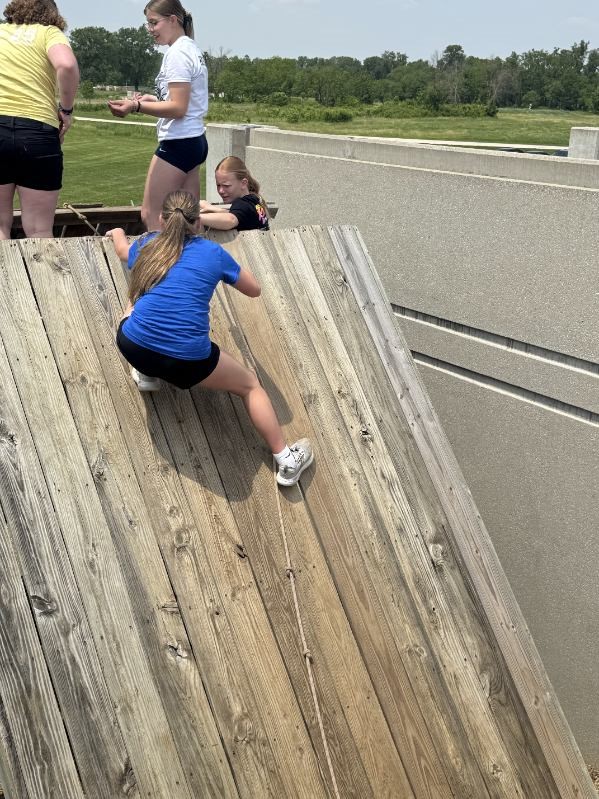
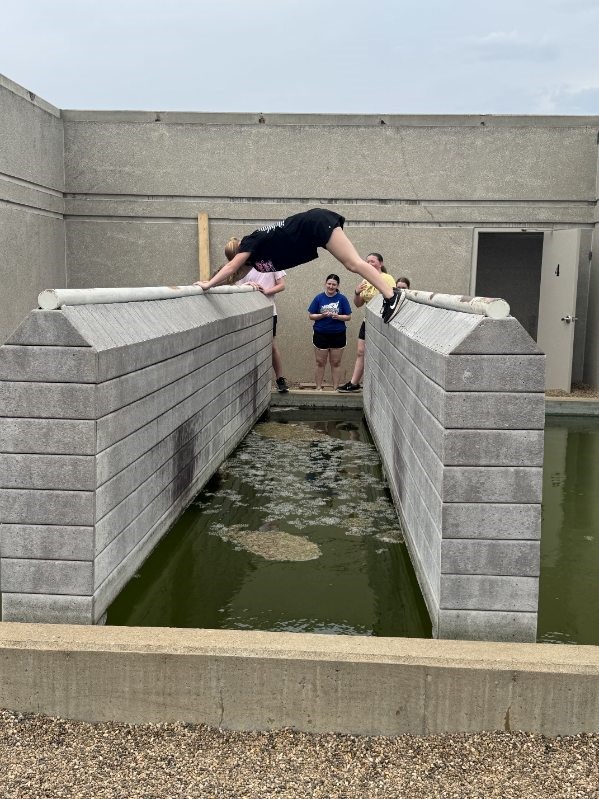
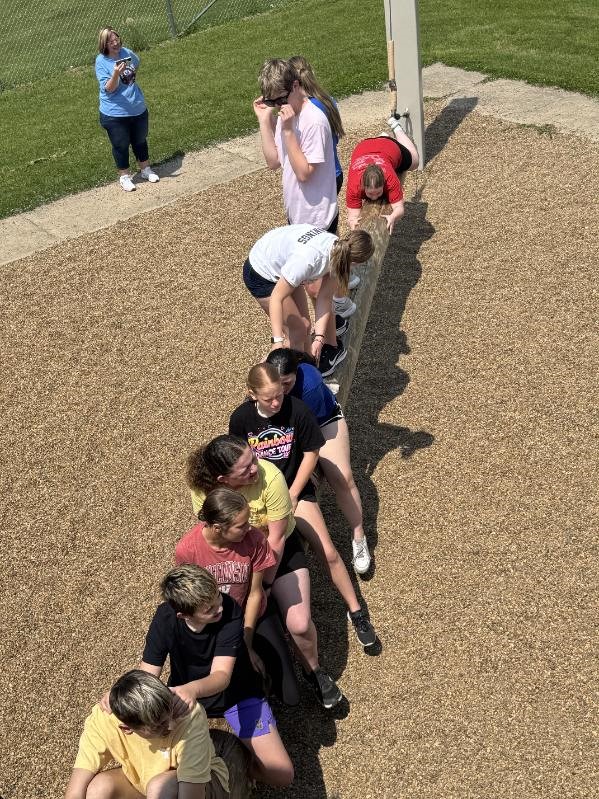
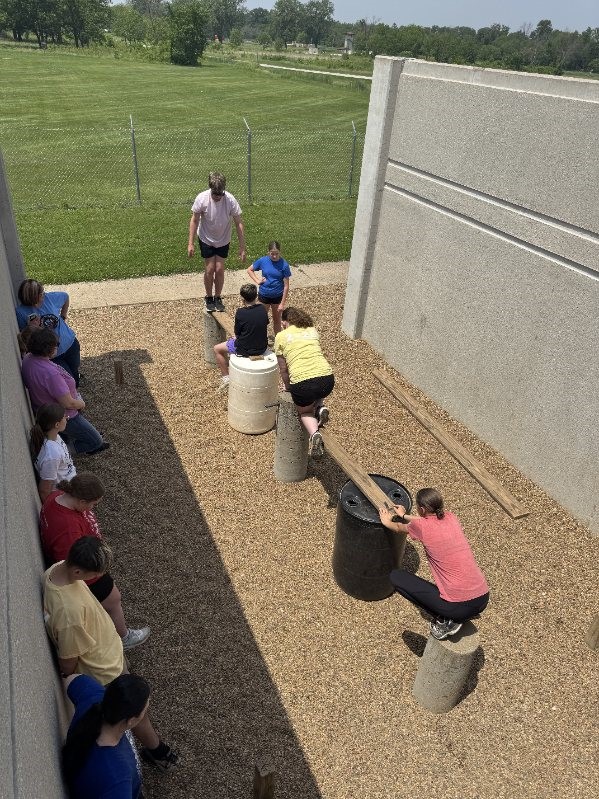
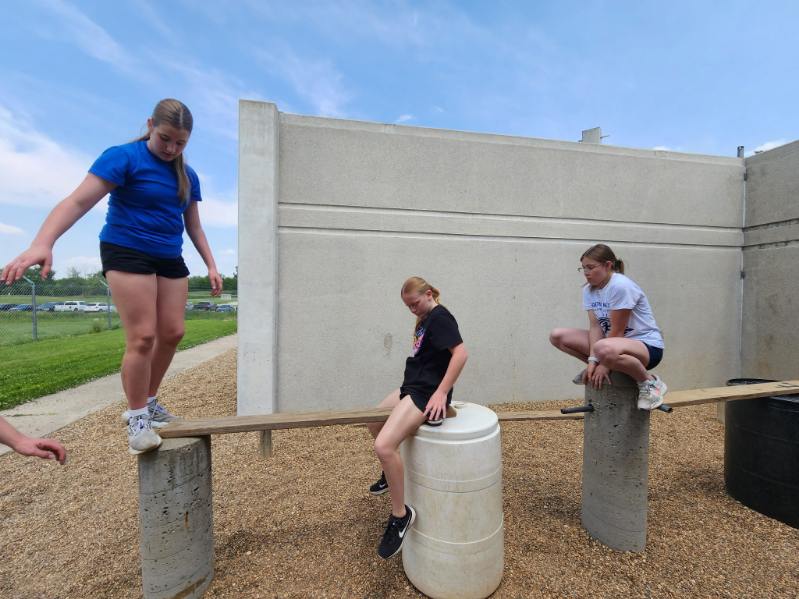
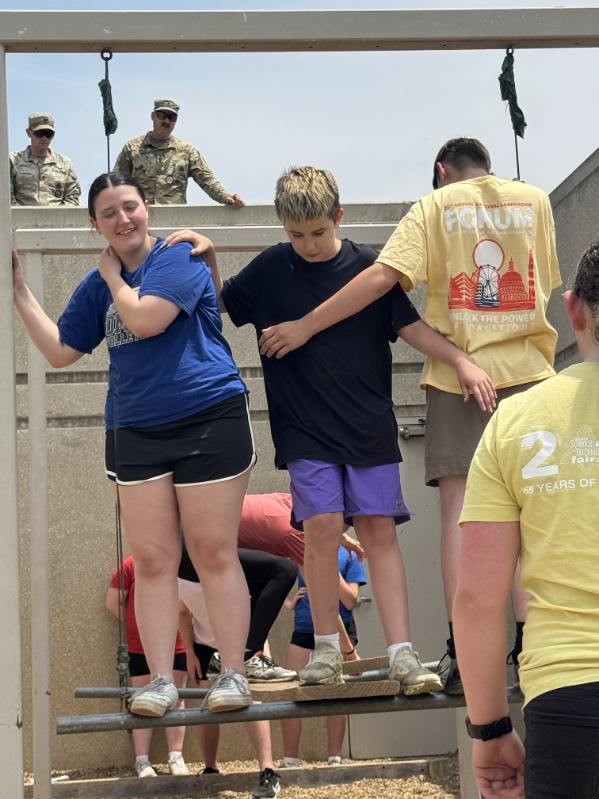
At the end of each day of the AC4C Work Retreats we usually go around and ask each person to say at least one word to describe the day, their favorite part of the day, or of the whole retreat. "Informative" and "collaboration" are often single words reflected. We asked the youth what their highlights were of the Leadership Reaction Course (LRC). It was quite a treat to hear how proud they were of each other and themselves, and how much they helped each other. They had a great day! The adults always love the state partner sharing time and at this retreat, they were inspired by Jay Pedelty with his "Transformational Prevention" presentation. We forgot to take a picture of Jay presenting though, so we'll have to invite him back to speak at some AC4C event and remember the photos next time!


The youth also were led in a focus group to hear what they see or hear is happening in their communities and schools. This input along with other data helps AC4C focus our efforts.


1.    What is the best thing about living in your community?

·      Misty’s – Ice Cream

·      The River

·      Sightseeing

·      Everyone knows everyone

·      Community comes together to help each other, fundraising when needed

·      Small businesses

2.    What is not so good about living in your community?

·      The town is small, so everyone knows everything

·      Driving the same streets every day

·      Being different allows them to get out of trouble

·      Teachers ignore kids vaping because the principal will not do anything

·      Because a student is a different race, she cannot get in trouble (racism)

·      Your name matters – if you have the right name, you are treated better and get out of trouble

3.    What does substance use look like in your community? (Substance use means using alcohol, tobacco, or other drugs in risky ways that may cause problems.)

·      Teenagers vaping and drinking

·      Sharing vapes by leaving them in the bathroom

·      Vapes are hidden, but the admin cannot find them because they change places

·      Vapes in the school are ignored

·      The student used a weed vape in a classroom – it could be smelled, but no one got in trouble

·      School bathrooms smell like vapes

·      There was a senior party, and the parents bought the alcohol and supplied it to the kids

·      Kids access alcohol from their parents' homes

·      Drinking is normal – family parties include alcohol for all of the adults

·      Water bottles at school have to be clear because alcohol is an issue

·      Popular types of alcohol: White Claws, Carbless/Seltzer, Twisted Tea, Fireball

·      Marijuana/THC: A kid's mom, after he got caught with a THC vape, went to Illinois and bought him edibles; drinks are not popular with their youth

·      Use at home or out in the country

4.    Do you think the adults in your family are aware of the issues some kids face when it comes to substance use?

·      Their parents are aware, but don’t act on it because their kids are not doing it

·      Parents know some, but don’t know the full extent of use

·      Parents know their kids are not, but do not know how much exposure their kids have

5.    How can they help?

·      Parents should speak up at the school board and also at town halls

6.    How do you think kids are getting substances?

·      Near peers supply

·      Parents Provide

·      Kids take it from their parents

·      Kids are purchasing at the local Casey’s

·      Places in the larger towns do not card and allow kids to purchase vapes

·      Kids can purchase online and use their parents' ID if they have to scan one

·      Most kids go to a store or have a sibling or a peer purchase

7.    Have you seen alcohol, marijuana/cannabis/THC Beverages, vaping, smoking, or other drug use on school grounds?

·      A girl was smoking THC in the band closet

·      Fireball shooters in the school parking lot

·      In the back-parking lot, vapes are lying around

·      Use vapes in classrooms and bathrooms

8.    Where else are kids using substances in your community?

·      Use in parking lots or behind stores (one store a parent owns, and they do not get in trouble because of the name)

·      Parks and under bridges

·      Out of town limits

9.    What are some things that help kids say “no” to substances? For example: talking with a trusted adult, education on the dangers of substance use, activities/sports with consequences for using substances…

·      Surrounding yourself with a good crowd – people who are not using

·      Learning from what family members have done (my grandfather, who was a heavy drinker and died due to that)

·      Participate in sports and activities

·      Witnessing the harms (young man with ID due to substance use)

·      Parents educating them on the dangers

·      Price deters them from purchasing

·      What they purchase is based on whose money it is – if it is their cheap products, and if it is someone else’s money, then more expensive products are purchased

10. What else should we know about your community and/or substance use?

·      Kids don’t care if they get caught because it is just a cheap ticket


Thanks to the youth for their willingness to share, and Kris Rankin and Savanah Strahan for leading them in this discussion. Thanks to Julie Furne, Sarah Wright and Jackie for leading the youth in the LRC too!


Our AC4C youth participating in the Leadership Reaction Course this year!


Upcoming Events:


AC4C Fall Quarterly Work Retreat: Tuesday and Wednesday, September 23 and 24. The agenda will be coming out soon. You can REGISTER HERE now.


AC4C Annual Prevention Conference: Wednesday, November 5! Theme: Change: Working Together Through It All More information coming out soon!


AC4C Youth Substance Prevention Day on the Hill: Tuesday, February 17, 2026 (And hope for good weather this year!)


Tentative date for AC4C Legislative Learning Event: Wednesday, March 25, 2026 (with Spring retreat March 24 and 25-meeting at DPS after Learning Event at the Capitol)


Resources to Share and Links to check out... 


Members, keep up with the latest in the news

AC4C on Facebook


AC4C Youth on Instagram


Looking for a training

Iowa Board of Certification


Iowa ODCP


Iowa State Patrol


Iowa Health and Human Services & Your Life Iowa


Partnership for A Healthy Iowa


Do you know about RALI Iowa?

Check out this organization and information about their virtual trailer HERE


More resources...

Governor's Traffic Safety Bureau


Drive Smart Iowa


National Highway Traffic Safety Administration


Traffic Safety Marketing


Stop Drugged Driving


For help quitting tobacco call Quitline Iowa 800-QUIT-NOW

More pictures below of the youth at the Leadership Reaction Course at the Midwest Counterdrug Training Center at Camp Dodge!

Photo credit: Julie Furne

Funding Concerns for AC4C and all Prevention


Directly from the June 6 CADCA email: "CADCA is working its way through the recently released Fiscal Year (FY) 2026 President’s Budget Request (PBR). The PBR represents an important part of the appropriations process. Proposals in the PBR do not represent final numbers appropriated for federal programs. Congress must pass, and the President must sign, appropriations bills into law before any funding amounts can be considered final. Regardless, the PBR contains many proposals of vital important to the substance use prevention field.


The PBR proposes substantial cuts to various programs, including substance use prevention programs, and proposes to reorganize large parts of the federal government. Many programs would either be eliminated or moved to a proposed new agency, the Administration for a Healthy America (AHA). AHA will be “the primary agency focused on prevention [and] will centralize the work of multiple federal agencies”. AHA would impact programs in the Office of National Drug Control Policy (ONDCP), Substance Abuse and Mental Health Services Administration (SAMHSA) and the Centers for Disease Control and Prevention (CDC).


Details on the proposed cuts and changes to substance use prevention infrastructure are below.

 ONDCP

  • The Drug-Free Communities (DFC) program is proposed to be moved from ONDCP to AHA and funded at only $70 million ($39 million less than the FY 2025 appropriated amount of $109 million).
  • This proposed decrease in funding is a reduction of 36% from FY 2025. This would drastically scale back the national reach of the DFC program and could result in funding decreases to existing grantees and halt any new grants from being awarded in FY 2026.
  • The Comprehensive Addiction and Recovery Act (CARA) Section 103 enhancement grant program’s funding to current and former DFC grantees to do more with more intensity around opioid and stimulant issues is proposed to be totally eliminated (-$5.2 million).
  • The High Intensity Drug Trafficking Area (HIDTA) program is proposed to be moved to the Department of Justice and funded at $196 million ($102.5 million less than the FY 2025 appropriated amount of $298.5 million).

SAMHSA

The PBR proposes to cut over $1 billion from SAMHSA. Most of the proposed cuts would come from the Programs of Regional and National Significance (PRNS) across the three SAMHSA centers, the Center for Substance Abuse Prevention (CSAP), Center for Substance Abuse Treatment (CSAT) and the Center for Mental Health Services (CMHS).

 CSAP

  • The following CSAP programs would be totally eliminated:
  • The Strategic Prevention Framework/Partnership for Success (SPF/PFS) grant program (-$125.4 million).
  • The Sober Truth on Preventing Underage Drinking (STOP) Act programs (-$14.5 million).
  • Enhancement Grants to current and former DFCs to do more with more intensity around underage drinking (-$11 million)
  • National Adult-Oriented Media Campaign (-$2.5 million)
  • Interagency Coordinating Committee for the Prevention of Underage Drinking (ICCPUD) (-$1 million)
  • Tribal Behavioral Health Grants (-$23.66 million)
  • Minority AIDS Initiative (-$43.2 million)
  • Strategic Prevention Framework – Prescription Drugs (SPF-Rx) (-$10 million)
  • Minority Fellowship Program (-$1.3 million)

CSAT

  • Programs of Regional and National Significance (PRNS) is zeroed out (-$576.2 million)

CMHS

  • A number of mental health Programs of Regional and National Significance would be eliminated. Other mental health programs. formerly in SAMHSA, would be moved to AHA. This list of mental health programs moved to AHA includes:
  • 988 Suicide and Crisis Lifeline ($520 million proposed)
  • National Strategy for Suicide Prevention ($28 million proposed)
  • Garrett Lee Smith Youth Suicide Prevention ($63 million proposed)
  • American Indian and Alaska Native Suicide Prevention ($4 million proposed)
  • Project AWARE ($121 million proposed)
  • Child Traumatic Stress Network ($99 million proposed)
  • Children’s Mental Health ($125 million proposed)
  • Projects for Assistance in Transition from Homelessness ($67 million proposed)
  • Assisted Outpatient Treatment ($21 million proposed)
  • Disaster Response ($2 million proposed)
  • Certified Community Behavioral Health Clinics ($385 million proposed)
  • A totally new block grant called the Behavioral Health Innovation Block Grant would be created that combines all of the funding from the Substance Use Prevention, Treatment and Recovery Services (SUPRTS) Block Grant (funded at $2 billion in FY 2025), the State Opioid Response (SOR) Grants (funded at $1.575 billion in FY 2025) and the Center for Mental Health Services (CMHS) Block Grant (funded at $1 billion in FY 2025).
  • There is not much information in the budget about how the new Behavioral Health Innovation block grant would be implemented and structured. 78% of the money in this new block grant comes from the substance use related sources. However, it is not clear how much money would be dedicated in this new block grant to substance use related issues, nor is it clear what would happen to the 20% prevention set aside in the current Substance Use Prevention, Treatment and Recovery block grant that is currently the largest single source of funding for the substance use prevention field (funded at $401.6 million in FY 2025).

CDC

  • The CDC’s National Center for Chronic Disease and Health Promotion (which houses the Office on Smoking and Health and the Division of Cancer Prevention and Control) would be eliminated (-$655.5 million).
  • CDC’s opioid overdose prevention work formerly in the Center for Injury Prevention and Control is moved to AHA and funded at $475 million (-$30 million from the FY 2025 appropriated amount of $505 million).

The appropriations process is still months away from being finished and the numbers discussed here are not final. Congress will debate and mark up appropriations bills this summer, and the field will have ample opportunity to weigh in at that time.


CADCA will keep the field fully informed throughout the FY26 appropriations process. We will be holding a webinar on June 17 at 2:00 PM, in which our Public Policy Consultant, Sue Thau, will provide a more detailed briefing about the President’s Budget Request including what we are advocating for with Congress and to answer questions from the field. More information on how to register will be coming soon." Please let us know if you need the registration information.

VISION Statement:

To be the leading, statewide coalition and community based resource promoting the health of Iowans.  


 MISSION Statement:

Unifying Iowans to address substance use and mental health issues across the lifespan on a state
and community level.

Join an Action Team or Work Group session every month!


Access the action team meetings on Mondays. Login information here


Other Substances Action Team

Next meeting- July 7 @ 9:30 a.m.


Marijuana Action Team

Next meeting- August 11 @ 9:30 a.m. (Taking July off due to vacations!)


Nicotine Action Team 

Next meetings- June 16 and July 21 @ 10:30 a.m. (Please notice time change.)


Alcohol Action Team

Next meetings- June 23 and July 28 @ 9:30 a.m.

_______________________________


Policy Work Group


Co-Chair:  

Jennifer Husmann

Co-Chair: 

Maggie Ballard


4th Wednesday at 2:00 pm


Looking for a volunteer to replace Jennifer as a Co-chair on this work group. If you are interested in this position please contact a board member or Jennifer.  


Meeting information can be found here


Purpose: To collaborate with the community and statewide entities to advocate and educate on substance abuse legislation, policies, and related issues.

_________________________________


Capacity/Sustainability Work Group


Seeking Co-chairs


3rd Monday at 2:00 pm


Please let Jennifer know if you would like to be sent the link for the meeting.


Purpose: Create a network of professionals that have diverse knowledge, experience, and interests to build skills and provide resources to members of AC4C. 


2024 AC4C Board


Connected Communities.

Effective Coalitions.

Healthy Iowans.

Top row (all L to R): Lorelle Mueting- President, Teresa King- VP and Penny McCaslin- At Large Member

Middle row:

Julie Furne- Treasurer,

Kris Rankin- Secretary and Julie Doeppke, At Large Member

Bottom row:

Kassy Rice, Cheryl Buntsma, and Jen Stolka -At Large Members


AC4C
319-462-4327 x661
ia.ac4c@gmail.com
https://ac4c.org/
Connect with us
Facebook  Instagram  Youtube