Top of Mind


Epidemic of Suicides Among Black Youth

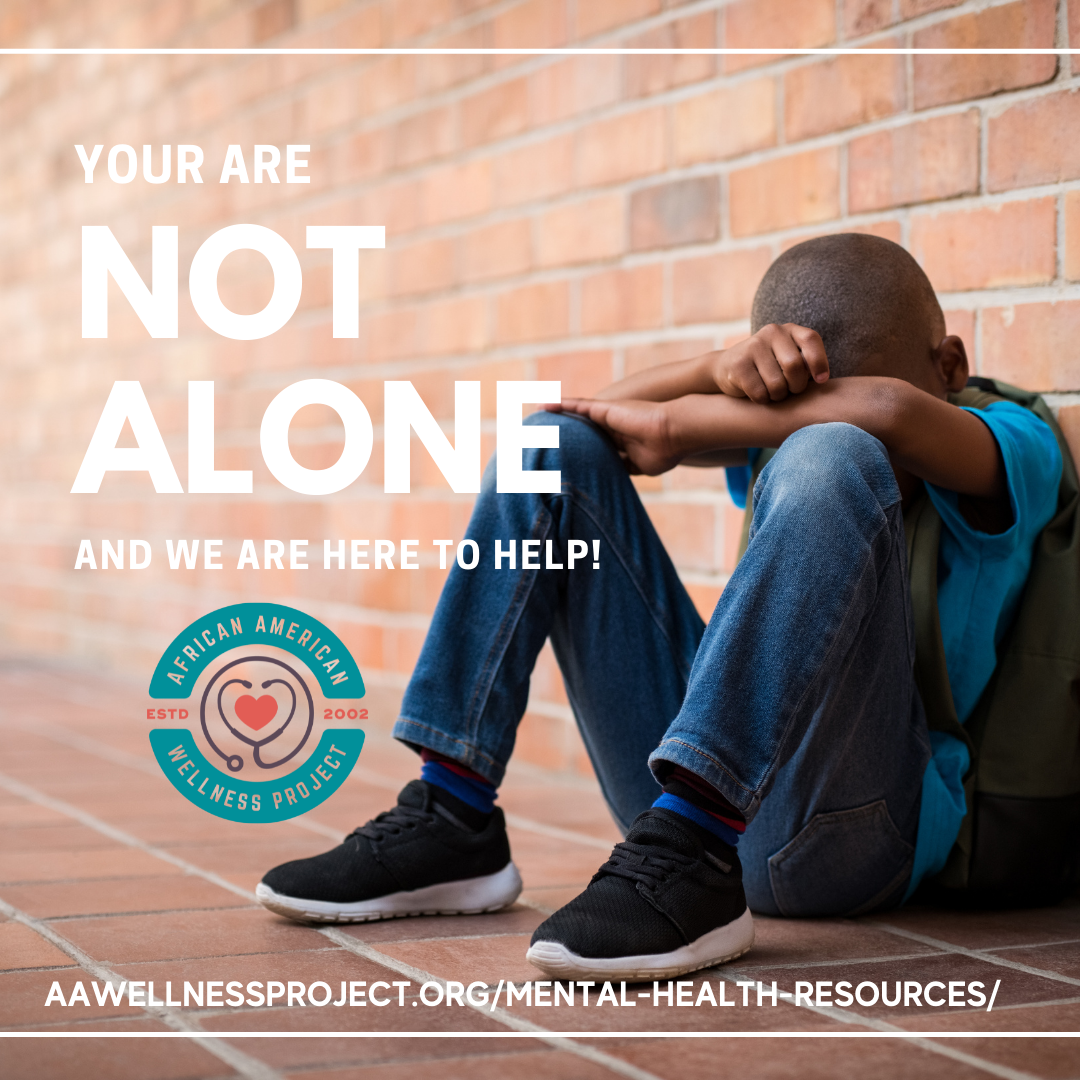
In 2019, tragedy struck when McKenzie Adams, a 9-year-old fourth grader, took her own life in her grandmother’s home after suffering relentless bullying from classmates in Demopolis, Alabama. That same year, a heartbreaking incident occurred in San Antonio, Texas, where a 7-year-old Black boy fatally shot himself with his parents’ weapon following severe bullying. These are just two examples of a devastating epidemic of suicides among Black youth that often goes unnoticed nationwide.


According to the Centers for Disease Control (CDC), self-reported suicide attempts among Black youth have surged by an alarming 73 percent over the past 25 years. While many factors contribute to this troubling trend, a common thread emerges when African Americans face rejection and abuse without proper coping mechanisms, they typically turn to their families, communities, and institutions like churches for support. The Black community often acts as a protective network, fostering a sense of belonging and encouraging cooperation.


However, Black neighborhoods and families face immense challenges, including poverty, crime, underfunded schools, and food insecurity, all worsened by the pandemic. A 1980 study revealed that Black children suffer because the adults they rely on are struggling as well.


As a physician, I feel limited in my practices to adequately manage young people with mental health problems, but we can advocate for change. My research highlights valuable insights from the Johns Hopkins School of Public Health in their study, "Still Ringing the Alarm: An Enduring Call for Action for Black Youth Suicide Prevention." This document offers actionable suggestions that resonate with me and could lead to meaningful progress. Together, we can create a supportive environment where every child feels valued and empowered. It also suggests a way forward.

AND BLACK AMERICA

Shortage of Mental Health Workers


We are in the midst of an adolescent mental health crisis, with Black youth less likely to access and stay in mental health care. While attention often centers on cultural stigma or lack of economic resources in the Black community, the racism that Black youth encounter in the healthcare system is rarely discussed.


There is a clear shortage of Black mental health workers; only 2% of psychiatrists are Black. Psychiatrists manage medications and treatment but spend the least time with patients. Nurses execute their orders and provide vital insights on when restraints or extra medications are necessary. Mental health technicians ensure patient safety on psychiatric units by managing conflict, helping with medications, and engaging in therapeutic activities. Psychologists lead therapy groups, while social workers are crucial for safe discharge plans.


It is not enough to focus solely on recruitment; we must also prioritize retention. Black mental health professionals witness the racism their patients face and often experience anti-Black racism from colleagues and patients.

The Impact of Racism on Black American Mental Health


Centuries of racism have resulted in unfavorable health outcomes and increased morbidity from mental illness, highlighting the urgent need to confront the roots of racial injustice to achieve true equity. Historical factors like European imperialism, enslavement, the pervasive myth of Black inferiority, and outdated scientific racial classifications have all fueled disparities. These issues contribute to the alarming underestimation, misdiagnosis, and inadequate treatment of mental illness in Black populations.

School Connectedness and Mental Health Among Black Adolescents


Black students' school experiences significantly impact their mental health. This study examined how connected kids feel to their schools during middle childhood and how that affects depression and aggression in Black teens. We had a group of Black youth, averaging about 9.36 years at the start and 15.59 years later, with just over half being girls.


The results were intriguing! Kids who felt more connected to their school at age nine reported fewer depressive symptoms and aggressive behaviors by age fifteen. Notably, girls benefited even more from that school connection regarding their mental health. These findings emphasize the importance of school connectedness for Black adolescents as they grow. They also suggest that girls may be more sensitive to the social and emotional environment at school. Overall, this research shows that fostering a sense of connection to school can significantly improve mental health outcomes for Black teens, paving the way for interventions focused on enhancing school connectedness.

Youth Suicide and Preceding Mental Health Diagnosis


Conclusions and Relevance: In this study, the researchers discovered something eye-opening—3 out of 5 young people who died by suicide didn’t have a documented mental health diagnosis. It is especially concerning that racially and ethnically minoritized youths were less likely to have this documented compared to their White peers. Plus, those who used firearms for suicide had lower odds of having a mental health diagnosis than those who chose other methods. This shows just how crucial it is to identify mental health needs fairly and equitably. We also need to implement universal lethal means counseling as an important strategy in tackling youth suicide. Let us join forces to shine a light on this critical issue and make a real difference!

Studies on the Value of Dancing on the Mental Health of Seniors


From the Sacramento Observer comes an article that shows that dancing particularly line dancing can improve the mental health of seniors.


Dancing is not just about busting a move—it also gets the blood flowing to the brain while kicking stress, depression, and loneliness to the curb. Studies further revealed that older adults who dance regularly enjoy better flexibility, balance, reaction time, and cognitive abilities.


Physical activity is a “promising, low-cost way to enhance neurocognitive function and reduce dementia risk in older adults,” yet surprisingly, not many seniors are cutting a rug regularly. Come on, folks—let us get to dancing!

Consider Getting the Latest COVID Shot in Late October


A new highly transmissible coronavirus sub-variant is starting to spread in the United States. Experts say it could become the dominant SARS-CoV-2 strain just in time for winter when COVID-19 infections and hospitalizations tend to peak. The good news is that so far there is no evidence that XEC causes different symptoms or more severe disease than other recent strains—although a COVID infection is always a concern for certain people, including those who are older or immunocompromised.

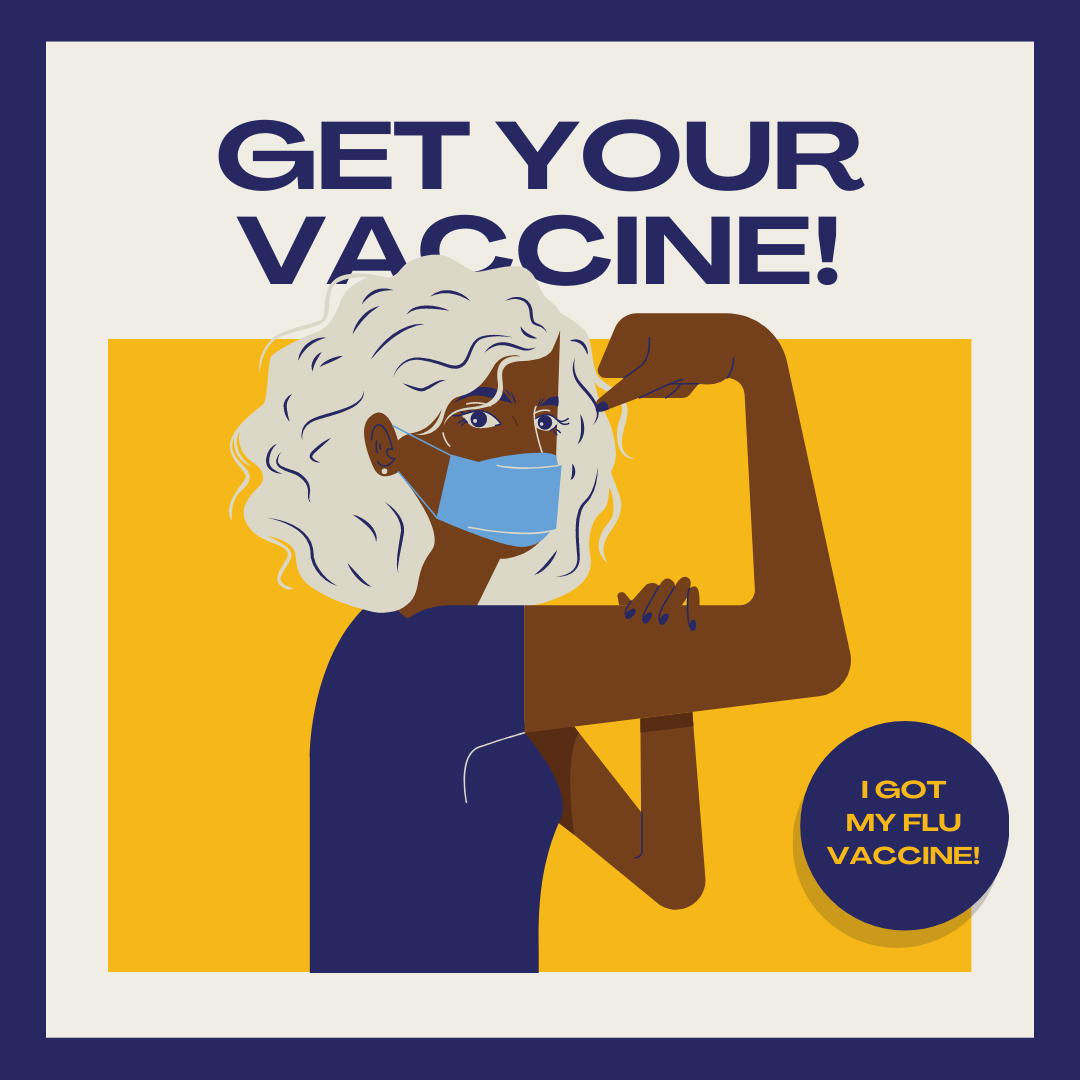
Get Your Flu Shot


What are the symptoms of the new flu strain?

Other common flu symptoms include:

  • Fever.
  • Cough.
  • Headache.
  • Muscle aches.
  • Feeling very tired.
  • Sweating and chills

Typically, you feel sick from the flu for about 1 week. The more severe symptoms — such as fever and body aches — last 4 to 7 days. But other symptoms — like cough and fatigue — can last for several weeks.

How To Avoid Foods that Affect Your Mental Health


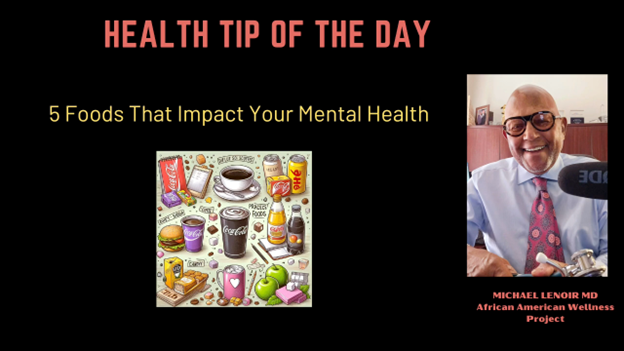
What we eat plays a significant role in our mental well-being. Dr. Michael LeNoir from the African American Wellness Project shares five common foods that can impact your mental health. Sugary drinks, processed snacks, high-caffeine items, alcohol, and foods high in unhealthy fats can all contribute to anxiety, mood swings, and overall mental fatigue. Being mindful of what we consume can help improve our mood and maintain better mental health. Choose nourishing options to keep your mind healthy and balanced!


The African American Wellness Project

Website

Facebook  Instagram  X  LinkedIn  YouTube

This Newsletter is Sponsored in Part by 7 Teepees