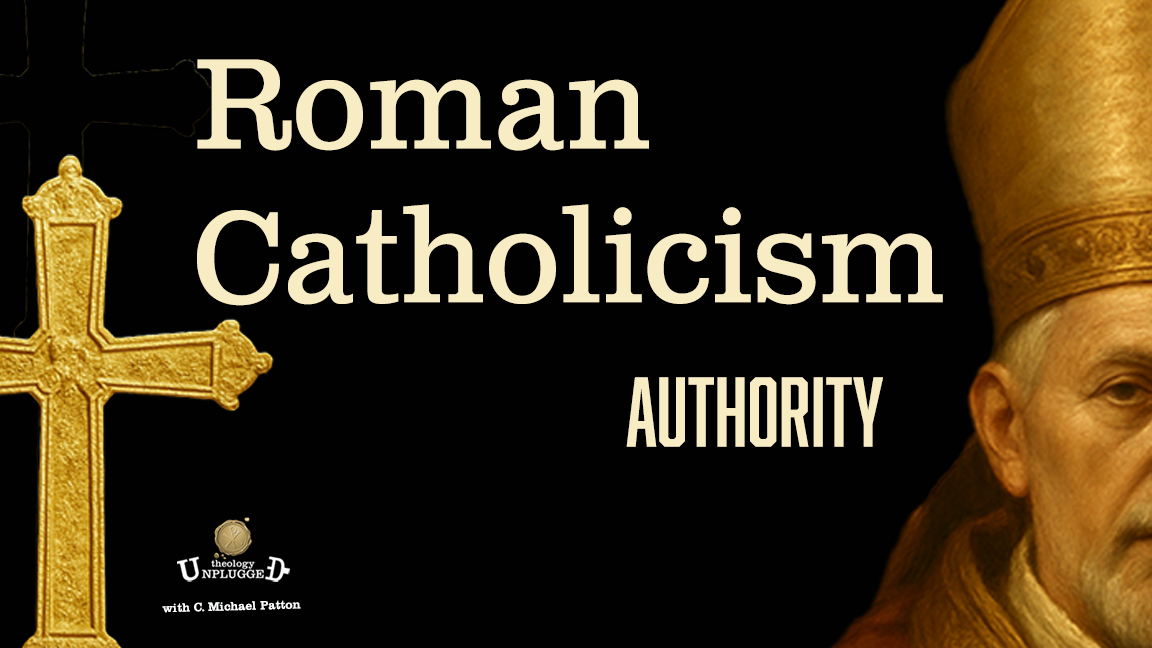
In this episode, I walk through the structure of Roman Catholic authority—what it is, how it works, and why it makes sense from within the system. Whether you're a Protestant trying to make sense of the “three-legged stool” (Scripture, Tradition, and Magisterium) or just curious about how Catholics view their sources of truth, this is a clear and gracious breakdown of the internal logic.

Join the

Early Church Discipleship

Reading Plan

Explore the Roots of Your Faith with Our New Reading Plans and Courses!


We’re excited to announce that Through the Church Fathers now offers multiple enriching reading plans and courses:


  • Discipleship in the Early Church Plan: Immerse yourself in the discipleship practices of the first five centuries. Walk through daily readings from the Apostolic Constitutions, Hippolytus, and other early Church Fathers, experiencing discipleship just as the early Christians did.


  • Through the Early Church Fathers in a Year: Dive into the works of the primary Church Fathers, including Augustine, Athanasius, the Cappadocian Fathers, Aquinas, and many more. Read their writings cover to cover over the course of a year.


  • Coming Next Year: Calvin’s Institutes in a Year: Coming soon—journey through John Calvin’s Institutes with daily readings and insights.


The Theology Program with Quizzes


Plus, we’ve launched new Credo Courses and the full Introduction to Theology class, along with the Church History Boot Camp—complete with quizzes to test your knowledge!


There’s never been a better time to join Through the Church Fathers in a Year. Dive deep into the foundations of your faith and grow in your understanding.


Join us now and embark on this transformative journey!

Also Listen to one of the reading plans on Spotify or Apple Podcasts

Just Search for "Through the Church Fathers" on your podcast

More From

C. Michael Patton

Is the Trinity Essential for Salvation?

My Honest Answer


Is the Doctrine of the Trinity Necessary for Salvation?


Most gospel tracts don’t mention the Trinity. Does that mean it’s not essential for salvation? In this post, I wrestle with that question—not with a textbook answer, but with a pastoral one.

We’ll explore why God revealed Himself as Trinity, why this doctrine humbles us, and what it means for someone who claims Christ but rejects the mystery at the heart of the faith.

“The Trinity is not something we comprehend. It’s something we confess."

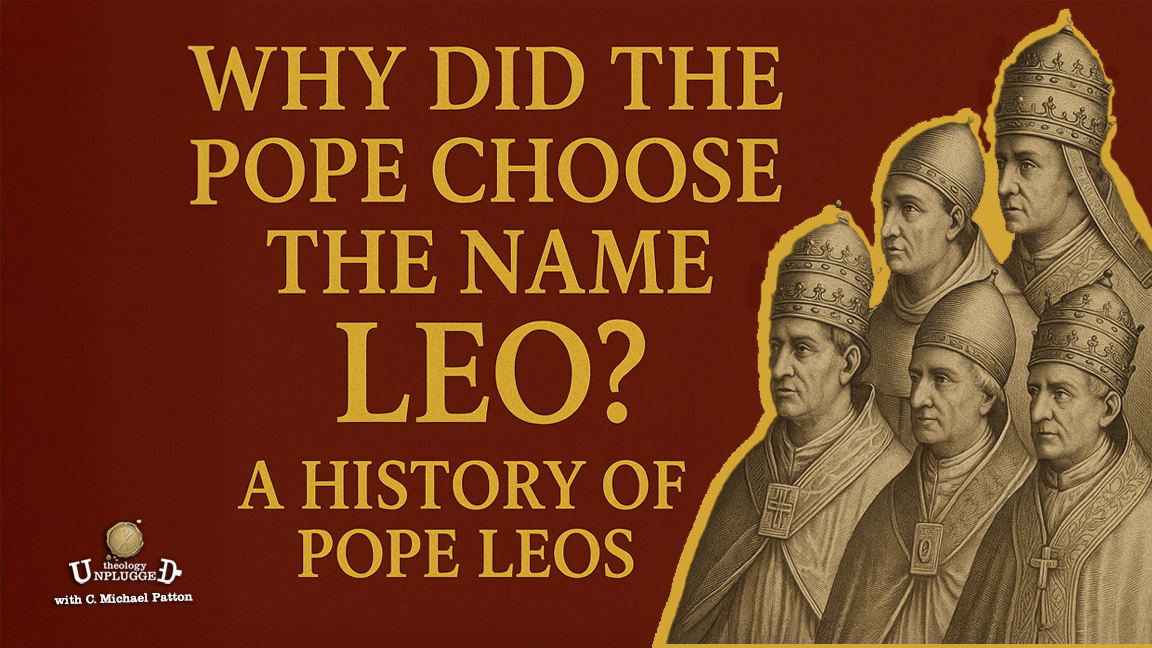
You Would Be Surprised About the History of Leos

A New Pope, an Old Name


With the election of Leo XIV, many are asking: Why that name?

Actually, that’s not the first question. The first question—at least in my house—was what my wife asked:

“Why did he change his name again?”

That’s right. Popes traditionally change their names upon election. And they don’t pick names lightly. Choosing a papal name is about aligning oneself with a legacy—a tradition, a theological posture, sometimes even a political or cultural vision.


Join a Theological Community and Support the Spread of Good Theology

Please Help Us With Our Ongoing Needs:

Become a Patreon

New Bible Manuscripts

Ancient Bible Manuscripts

Theology Unplugged Podcast

Find Us Everywhere