|
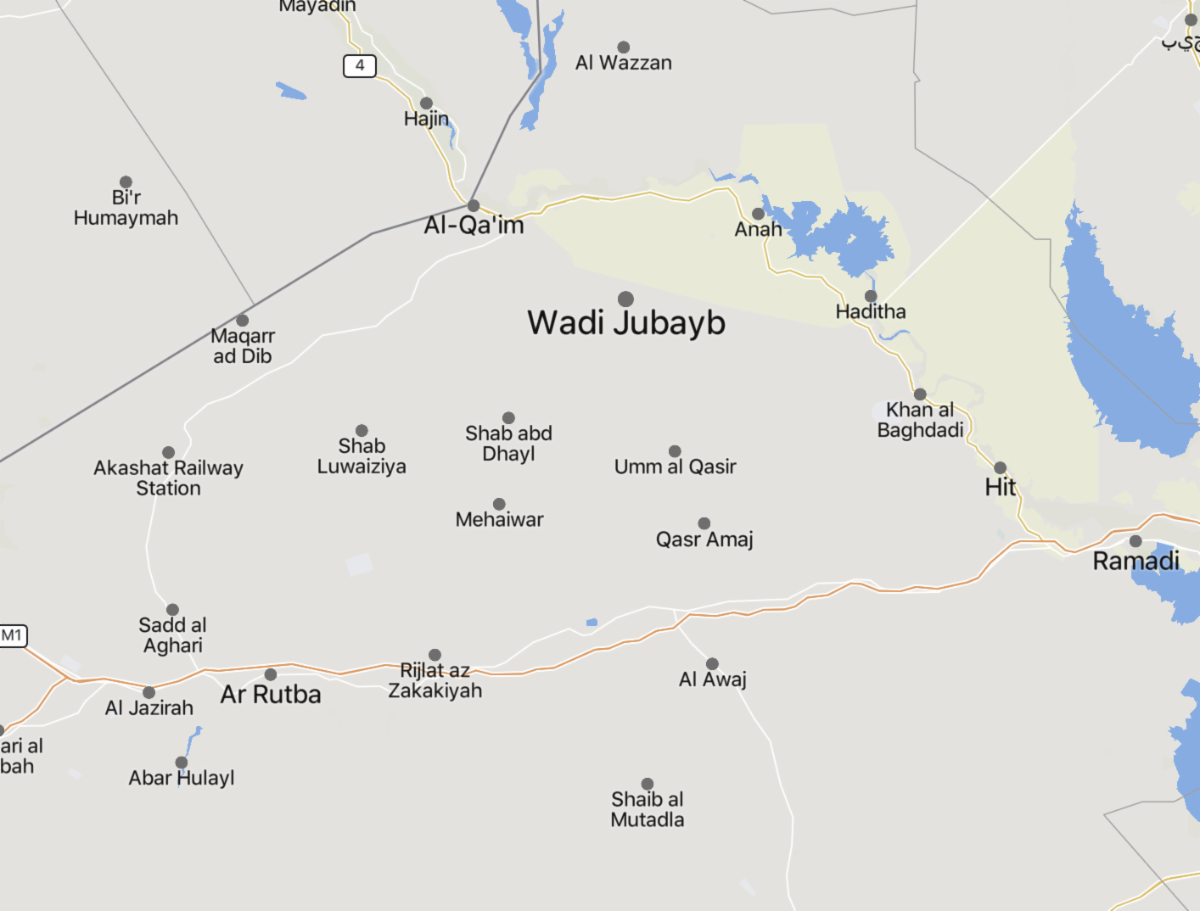
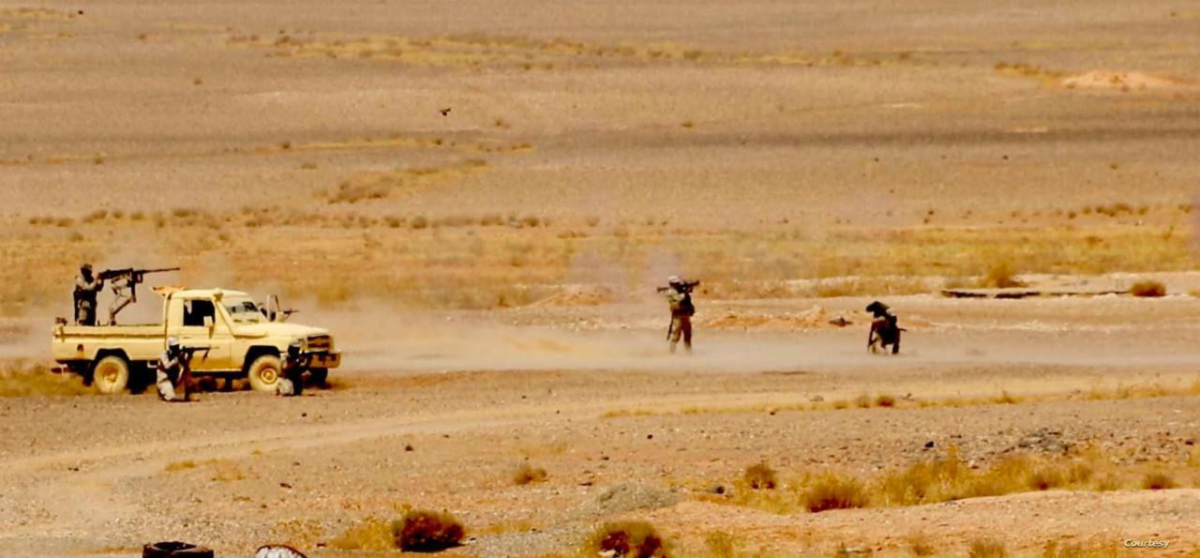
On 13 August 2024, suspected Islamic State (IS) militants launched an attack on Popular Mobilization Forces (PMF/PMU) positions in Wadi Jubayb, Anbar, Iraq, using an weaponized drone to drop grenades. This incident marks a significant development, as the use of drones by IS in Iraq and Syria has been exceedingly rare. The deployment of a makeshift drone suggests that IS militants are adapting to new technologies, possibly in response to their diminished manpower or as a means to enhance operational security.
The timing and nature of this attack could indicate a shift in IS strategy. After nearly a year of relative silence in Iraq, the sudden use of weaponized drones might signal an attempt to reassert their presence while avoiding direct confrontations that could expose their weakened state. The choice of Anbar as the attack site is also strategically important. Anbar borders Syria’s Deir Ezzor province, a longtime IS stronghold, and its vast, sparsely populated desert terrain has historically been a haven for militant activity. The region's geography covers insurgent operations and has been a critical area for IS and counterterrorism efforts. Before IS went quiet, Anbar experienced a high intensity of attacks, underscoring its significance in the broader conflict. The recent drone strike could be an attempt by IS to exploit Anbar’s strategic importance, potentially aiming to destabilize the region or create a corridor for movement between Iraq and Syria.
The use of an improvised drone in this context raises several possibilities regarding IS’s evolving tactics. IS has a history of innovating in warfare, and this incident might signal the beginning of a broader adoption of drone technology. By using drones, IS could conduct more precise attacks while minimizing the risk of detection, reflecting a possible shift towards more sophisticated yet low-profile operations. This approach might indicate that IS militants are experimenting with available resources to develop cost-effective tools for their operations, a strategy that aligns with their need to remain under the radar while gradually increasing the sophistication of their attacks.
Moreover, targeting PMF positions—an essential force in the fight against IS in Iraq—suggests that IS is strategically focusing on weakening its opponents through innovative methods. As IS militants continue to operate discreetly, the sporadic use of drone technology could serve as a reminder of their persistent threat, even as they avoid large-scale military engagements.
However, it is important to note that this suspected drone attack is a far cry from the height of IS's weaponized drone operations during 2016-2017. The extensive drone capabilities that IS once had appear to have been lost with the collapse of the Caliphate. This recent incident, while concerning, does not yet suggest a return to the same level of technological sophistication that IS previously demonstrated. Instead, it may reflect a more restrained and resourceful approach, leveraging whatever limited capabilities remain at their disposal.
Islamic State Takes Control of al-Waleed Crossing on the Iraq-Syria Border
| |
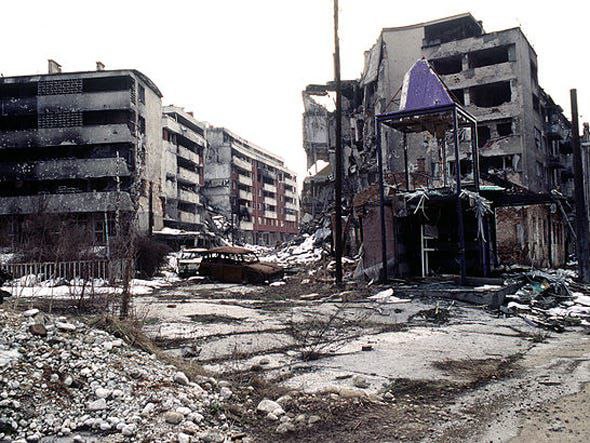
Just one day after the drone attack on the Popular Mobilization Forces (PMF) in Anbar, on 14 August 2024, Islamic State (IS) insiders reported that IS militants had seized control of the al-Waleed border crossing, a critical junction on the Iraq-Syria border. The al-Waleed crossing is strategically significant as it links Iraq's Anbar province with Syria's eastern regions—areas where IS has historically maintained a strong presence. The capture of this key border crossing suggests that IS is actively attempting to reassert its influence over territories that facilitate the movement of fighters, weapons, and resources between Iraq and Syria. This move aligns with IS's broader ideological objective of erasing the borders between the two nations, which the group has never recognized as separate entities within its vision of a transnational caliphate.
The seizure of al-Waleed highlights IS’s persistent focus on controlling key infrastructure in eastern Syria and western Iraq. Despite the group’s diminished visibility over the past year, this sudden assault indicates a calculated effort to regain strategic positions that could facilitate further operations across the border. The al-Waleed crossing, in particular, holds immense logistical value as it serves as a gateway for the movement and resupply of IS forces. By capturing this crossing, IS not only strengthens its operational capabilities but also disrupts the regional stability that had been gradually restored in the area.
The capture of al-Waleed, combined with the use of improvised drones in the attack on PMF positions, signals a potential shift in IS's strategy towards a more aggressive and technologically adaptive approach. These actions may indicate that IS is seeking to regain momentum by targeting critical infrastructure and leveraging new tactics, even as it operates with reduced visibility.
| | |
TRAC Incident Report: March 23 (M23) Militants Led an Armed Assault Wazalendo Militia Forces and Took Control of Kikuvo, Lubero Region, North-Kivu, Congo (DR) | |
|
On 20 August 2024, militants from the March 23 Movement (M23) launched an attack on Wazalendo militia forces in Kikuvo, located in the Lubero Region of North Kivu, Democratic Republic of Congo (DRC). While specific casualties were not reported, it is confirmed that M23 successfully seized control of the town.
This incident is particularly alarming for several reasons. Firstly, it highlights the ongoing threat posed by M23, despite a ceasefire agreement that expired just a day earlier on 19 August 2024. M23's continued aggression, including the violation of the ceasefire just a week prior, underscores the group’s determination to expand its influence in the region. The Congolese government has struggled to contain M23, which has exacerbated not only military challenges but also severe humanitarian crises. As M23 expands, the number of internally displaced persons (IDPs) increases, further straining the already limited resources of the Congolese government, which has proven inadequate in addressing the scale of this crisis.
The second concern lies in the broader context of militancy across eastern Congo. M23's rapid expansion northwards is bringing it closer to areas controlled by the Islamic State Central Africa (ISCA). This proximity has not gone unnoticed, particularly within IS insider circles, where M23's movements have been closely monitored and discussed. Although there is no confirmed physical alliance between M23 and ISCA, the potential for a non-aggression pact or even a strategic partnership poses a significant threat to government forces.
If these two groups were to establish a cooperative or even ambivalent relationship, it could have devastating consequences for the Congolese government’s ability to maintain control over the region. Such an alliance would effectively create a barrier, or "wall," that could block Congolese forces from accessing large parts of North Kivu. This would allow both M23 and ISCA to consolidate their control over the region, potentially creating a unified front that would be extremely difficult for government forces to penetrate. The formation of such a "phalanx" would force the Congolese military to confront two formidable adversaries simultaneously, stretching their already limited resources even thinner and complicating efforts to restore state authority in the region.
This scenario would not only solidify the territorial gains of M23 and ISCA but also further destabilize an already volatile region, leading to increased violence, displacement, and humanitarian suffering. The potential for these two groups to collaborate, even indirectly, underscores the urgent need for a more robust and coordinated response from the Congolese government and its international partners to prevent further escalation.
| |
TRAC Incident Report: Houthis (Ansarallah) Organize Military March Under the Slogan ‘The Demise of Israel’ in Support of Palestine, in Sana’a, Yemen | |
|
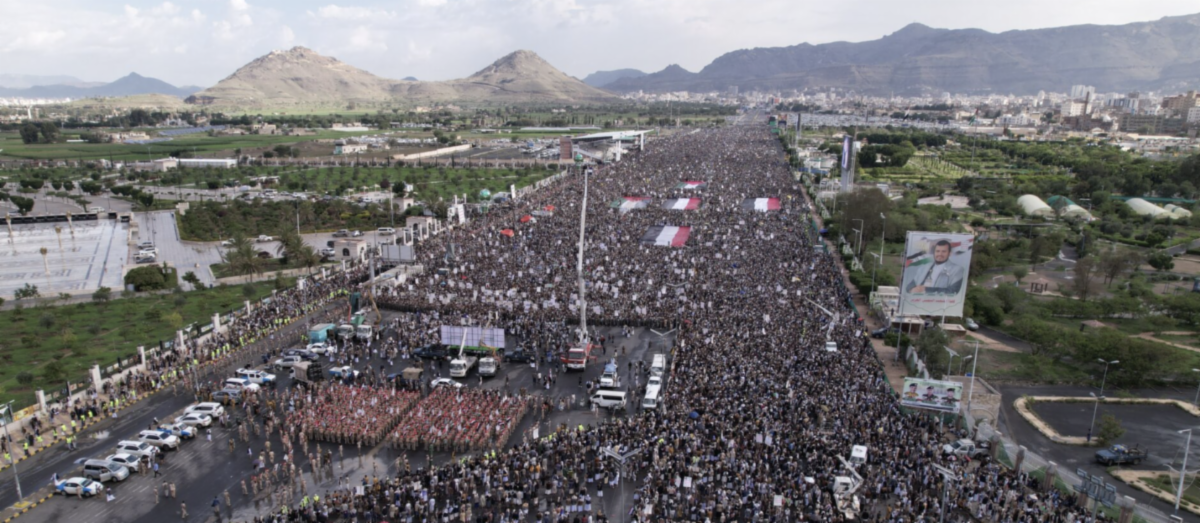
On 16 August 2024, the Houthis (Ansarallah) organized a large-scale military march in Sana’a, Yemen, under the slogan "The Demise of Israel" to demonstrate their support for Palestine and Hamas. This event was a significant display of solidarity with the Palestinian cause, particularly in light of the ongoing conflict between Israel and Hamas.
Although the Houthis have been relatively quiet in terms of militant activities in recent weeks, especially in targeting ships in the Red Sea linked to the Israeli supply chain, they have been actively engaging in propaganda efforts. These efforts are aimed at rallying support for their cause, which aligns with Hamas in opposing Israel and its occupation of Gaza. The military march, which involved thousands of participants covering more than 100 kilometers from Dhamar Governorate to Al-Sabeen Square in Sana’a, was a clear demonstration of their commitment to this cause.
The recent lull in Houthi militancy may indicate a strategic shift in their approach. Instead of engaging in frequent, smaller-scale attacks, the Houthis appear to be focusing on joint operations and preparing for more strategic, impactful assaults on Israeli economic and infrastructural targets. This shift in strategy is underscored by their unprecedented attack on Tel Aviv and their recent assault on the United Nations Humanitarian Office in Sana’a. These actions suggest that the Houthis are recalibrating their military efforts to inflict greater damage on Israel, potentially in coordination with other Iranian proxies like Hezbollah and Hamas.
The broader context of this shift involves the assassination of Hamas leader Ismail Haniyeh in Tehran and high-ranking Hezbollah commander Fouad Shukr in Beirut by Israel. These actions have sparked a desire for retaliation among Iran and its proxies, including the Houthis. However, despite this desire, large-scale retaliation has been put on hold, likely due to ongoing ceasefire negotiations between Israel and Hamas.
Iran's hesitancy to launch a large-scale attack, despite its capability to supply its proxies with advanced weaponry, may be influenced by the recognition that such an attack would likely be countered by Israel's Iron Dome defense system. The potential costs of escalation may outweigh the perceived benefits, leading to a temporary pause in direct military actions. However, there are growing rumors of impatience among Iran's proxies, who are eager to avenge the assassinations of their leaders. This impatience raises the possibility of individual retaliatory actions by these groups, independent of a coordinated strategy with Iran.
| |
TRAC Insight: Somalia-Backed Insurgent Groups Hoping to Disrupt Memorandum of Understanding (MoU) With Ethiopia Prepare to Attack the Town of Ceerigaabo, Awdal Region, Somalia | |
|
A video released on 16 August 2024, reveals that the Hawiye regime in Mogadishu, along with the Djibouti government, is intensifying efforts to destabilize Somaliland in response to its recent Memorandum of Understanding (MoU) with Ethiopia. Djibouti has been actively training militias for operations in the Awdal region, while Mogadishu is mobilizing Dhulbahante militias to launch attacks on Ceerigaabo. These militias are reportedly positioning themselves for a major assault on the city, further escalating regional tensions.
The Somali government views this offensive as crucial to preventing Ethiopia from securing maritime access, which it fears could shift the regional balance of power. The conflict exacerbates the already tense relationship between Somaliland, which is seeking international recognition as an independent state, and Somalia, which is determined to maintain Somaliland’s unrecognized status and block Ethiopia's access to the Red Sea through what it considers its sovereign territory. The Somaliland-Ethiopia agreement has dramatically altered the strategic landscape in the Horn of Africa, with Ethiopia's potential emergence as a maritime power threatening Somalia’s traditional role in the region.
Given Somalia’s limited military capabilities, it is increasingly relying on proxy forces and militant groups to challenge Somaliland's position. Although al-Shabaab does not have a significant presence in Somaliland, the group is expected to exploit the situation. Al-Shabaab may launch attacks either before or during the conflict to destabilize Ceerigaabo or to obstruct Ethiopia's economic interests in the region. TRAC has suspected that al-Shabaab has been quietly infiltrating Somaliland since October 18, 2023, when the group declared a jihad against Ethiopia following the Somaliland-Ethiopia agreement.
TRAC Context
On 1 January 2024, Ethiopia and Somaliland signed a historic Memorandum of Understanding (MoU), under which Ethiopia was granted a 50-year lease on a 19-kilometer stretch of Somaliland’s Red Sea coastline near Berbera. In return, Ethiopia agreed to recognize Somaliland as an independent state in the future. This agreement marked a significant diplomatic milestone, offering Ethiopia critical sea access while advancing Somaliland’s pursuit of international recognition.
However, the MoU has sparked significant opposition, particularly from Somalia, which claims Somaliland as part of its territory and considers the deal a violation of its sovereignty. The geopolitical implications of this agreement have also raised concerns among other nations, including Egypt, the United States, and the European Union, given the strategic importance of access to the Red Sea.
The escalating tensions, coupled with the strategic realignments in the region, indicate that the conflict over Somaliland's status and Ethiopia’s access to the Red Sea could have far-reaching consequences, potentially drawing in regional and international actors and reshaping alliances in the Horn of Africa.
| |
TRAC Incident Report: Al-Qaeda in the Arabian Peninsula (ASY / AQAP / AQY) Militants Suicide Vehicle-Borne Improvised-Explosive Device (VBIED) Attack, Killing & Injuring over 50, in the Al-Furaidh Area, Mudiyah, Abyan Governorate, Yemen | |
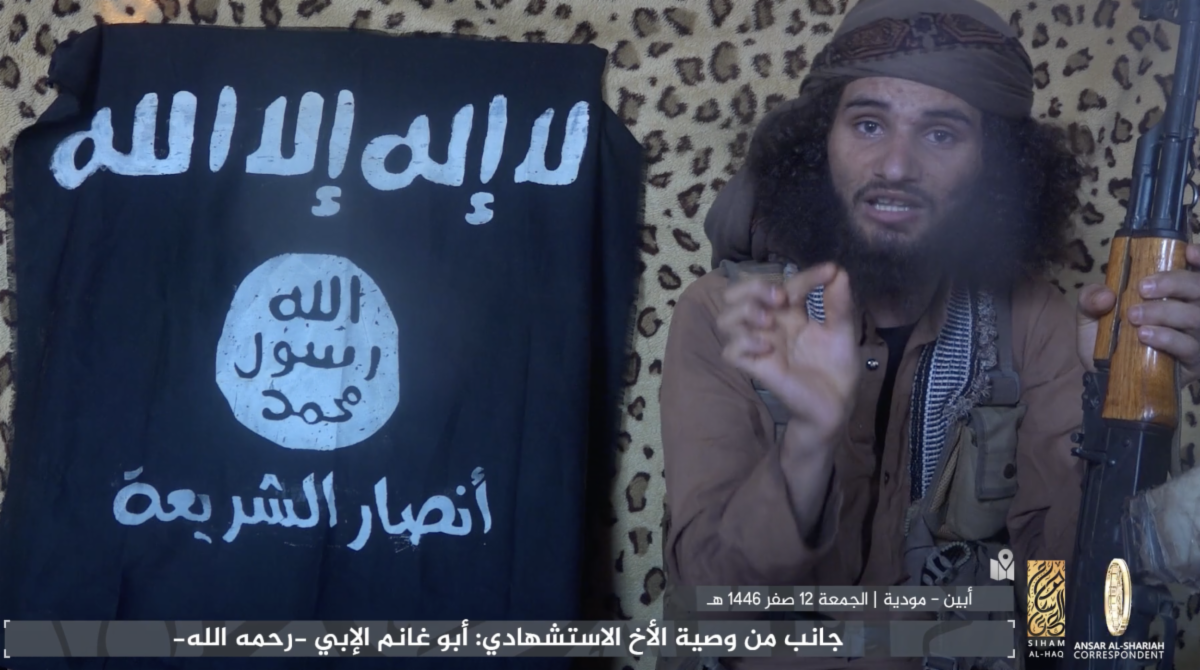 | |
On 16 August 2024, Al-Qaeda in the Arabian Peninsula (AQAP) carried out a significant suicide vehicle-borne improvised explosive device (VBIED) attack in the Al-Furaidh area of Mudiyah, Abyan Governorate, Yemen. The attacker, identified as Abu Ghanem Al-Ibi, detonated a car filled with explosives within a facility belonging to UAE-backed forces, resulting in over 50 casualties, both dead and injured. The impact of the bombing was further exacerbated by the explosion of a nearby fuel tanker, which intensified the devastation.
This attack represents AQAP’s largest operation in recent years and marks the group’s first suicide bombing in three years, signaling a substantial escalation in their activities. While AQAP has maintained a consistent presence in Abyan, conducting small-scale attacks since May 2024, there has been a noticeable shift in their strategy, particularly in their increasing focus on the UAE-backed Shabwah Defense Forces in Mudiyah. This escalation is underscored by AQAP’s growing use of improvised weaponized drones to target these forces, highlighting a broader tactical evolution within the group.
The timing of AQAP's resurgence is particularly critical. The group appears to be exploiting the security vacuum created by the Houthis' large-scale offensive on Israel, which has diverted the attention of both Yemeni and international forces. This diversion has provided AQAP with the opportunity to regroup, intensify its operations, and reassert its influence in Yemen and potentially beyond.
Several factors have contributed to AQAP’s resurgence. The group has strategically recalibrated its operations, likely due to shifts in local alliances and the redeployment of Shabwah Defense Forces to other regions, leaving security gaps in their wake. Additionally, the recent change in AQAP’s leadership appears to have played a significant role in this renewed focus on high-impact operations. This leadership transition may have introduced new tactics, strategies, and a more aggressive approach, as evidenced by the scale and impact of the recent suicide bombing.
It is also important to note the psychological and ideological implications of AQAP’s ability to inspire a suicide attack after a three-year hiatus. The successful execution of such an attack suggests a potential resurgence in the group’s ability to motivate individuals to carry out martyrdom operations. This development may foreshadow further high-profile attacks, indicating that AQAP, often underestimated in regions like the Sahel and Somalia, could be regaining momentum, particularly in Yemen. This resurgence challenges the narrative of AQAP as a fading franchise and underscores the need for a reassessment of their threat level in the region.
| |
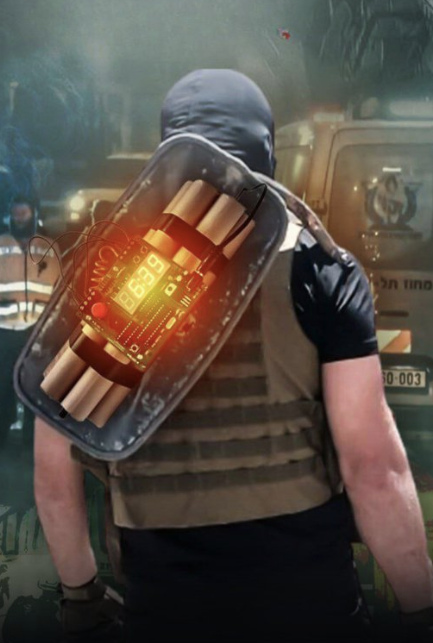
(Poster) Pro-Hamas Insiders Circulate a Poster, Threatening to Deploy Suicide Bombers to Target the Tel Aviv District, Israel | |
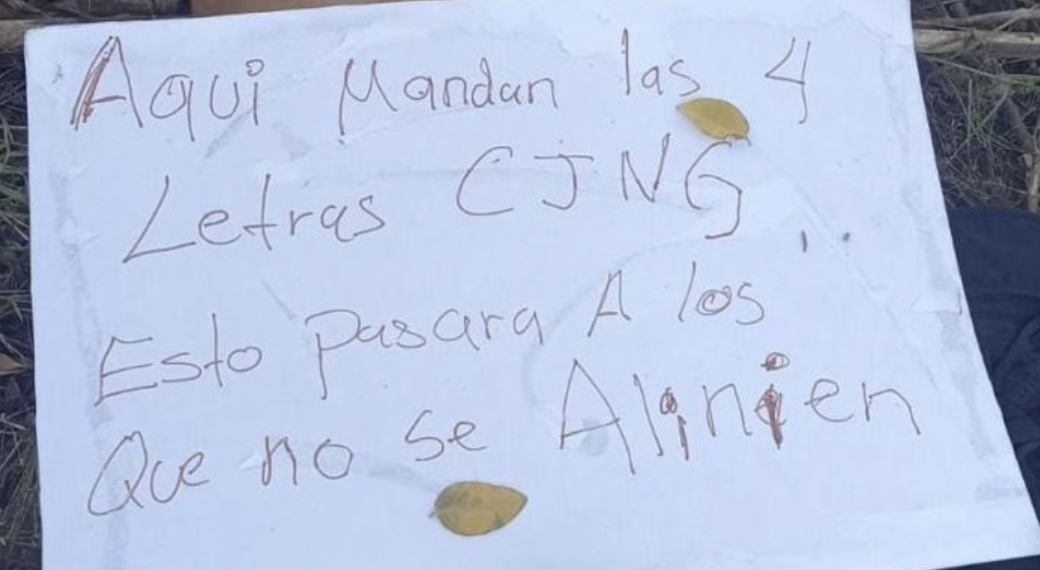
TRAC Incident Report: Jalisco New Generation Cartel (CJNG) Members Abandon a Corpse with Narco-Message, Threatening the Residents, Mecoacán, Jalpa de Méndez, Tabasco, Mexico | |
Tez, Tabasco, Mexico
(Right-Wing Extremism) American Futurist (NSRF) Shares Post Reiterating Their “No Political Solution” Accelerationist Views
| | | | |