Weekly Digest Number 45 - November 9th, 2021 |
|
(Editor's Note: This truly represents a historic redirection for the nation's chronically underfunded passenger rail network. Additional frequencies, new routes and corridors, and service upgrades could propel Amtrak forward after struggling for half a century. In the coming months and years, thousands of good union railroad jobs will come to fruition. Passenger rail workers - and all rail workers - have something to celebrate this week!) |
|
Amtrak in the Infrastructure Bill: $66 Billion in New Funding, and an Adjusted Mandate |
|
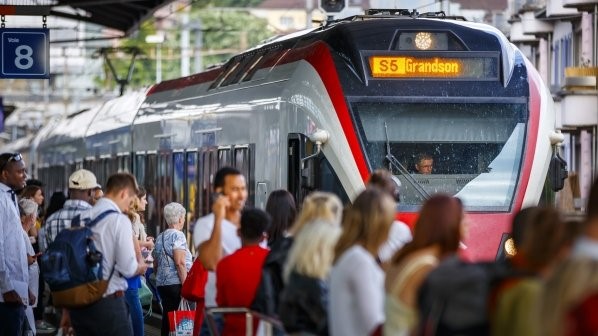
President Biden frequently mentions his fondness for Amtrak, which began in the 1970s, when he would travel home from Washington to Delaware every night to care for his two sons after his wife and infant daughter were killed in a car crash. Mr. Biden, who took an estimated 8,000 round trips on the line, has pledged to inject billions in rail. Rail advocates say he is now taking steps to fulfill some of those promises.
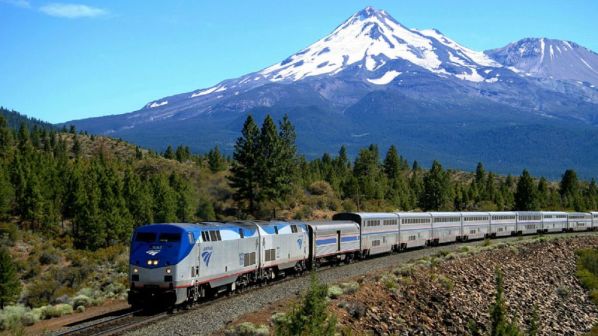
The bipartisan infrastructure bill includes $66 billion in new funding for rail to address Amtrak’s maintenance backlog, along with upgrading the high-traffic Northeast Corridor from Washington to Boston. It also proposes several changes to the legal mission of Amtrak, which rail experts hailed as a win for passenger rail.
The bill includes new language that would change Amtrak’s goal to “meet the intercity passenger rail needs of the United States” rather than achieving “a performance level sufficient to justify expending public money.” It would also add language that prioritizes service in rural areas in addition to urban ones.
“That is a really significant change because implicit in that is that we’re not trying to make Amtrak into a profit-making venture,” said Jim Mathews, the chief executive of the Rail Passengers Association. “We’re using it to create services that are needed by the taxpayers of the country.”
The new funding would be the largest investment in passenger rail since Amtrak was created, according to the administration. It comes as the agency tries to significantly expand its map nationwide by 2035 to provide more service outside of the Northeast and mid-Atlantic.
|
|
RWU Newsletter for Fall 2021 Now Available to All |
|
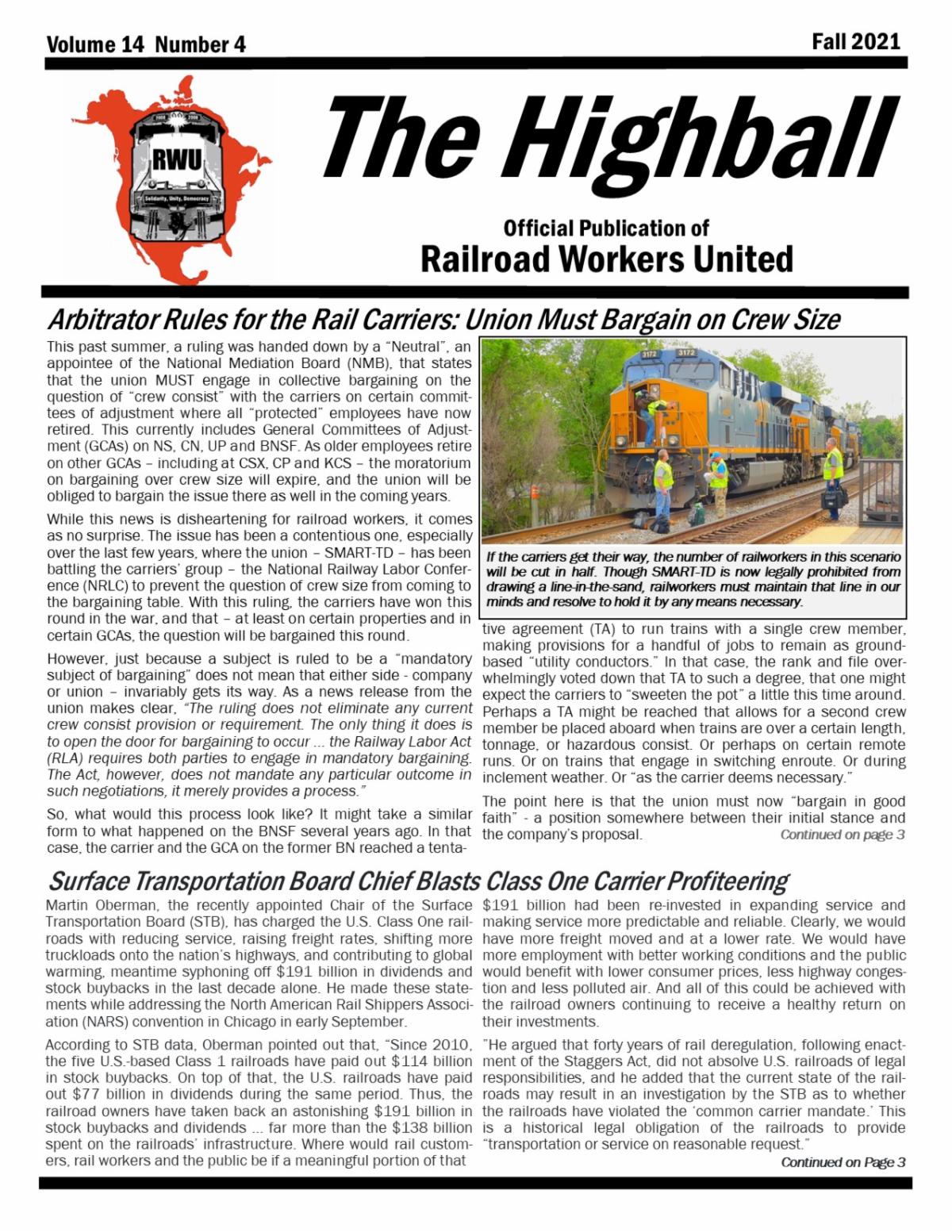
RWU's Quarterly Newsletter
Every quarter, Railroad Workers United brings you news and views of rail labor and the rail industry, along with news of what RWU is doing to fight for a better workplace on the railroads of North America.
Join RWU and get a paper copy mailed to you each and every issue!
|
|
No, the Strike Wave Is Not About Vaccine Mandates |
|
The recent spate of militant labor action has been over workers demanding better pay and working conditions— not opposing Covid vaccine requirements.
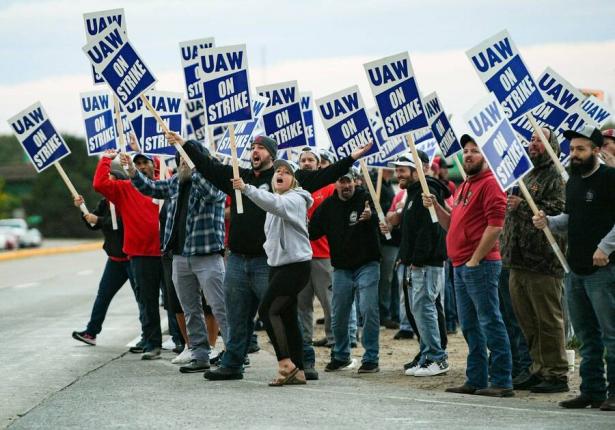
The United States has seen a noticeable uptick in the number of strikes by fed-up workers at companies like Kellogg’s and John Deere—a phenomenon many have called “Striketober.” As a result, the U.S. labor movement is getting an unusual amount of attention.
But because of the corporate media’s often spotty or ideologically slanted coverage of workers’ struggles, combined with the fact that only a small minority of Americans have any personal experience with unions, there appears to be some confusion among the general public over what Striketober is really about.
A troubling number of Americans seem to have the false impression that tens of thousands of underpaid and overworked employees are going on strike in order to resist Covid-19 vaccine mandates — when they are actually walking off the job to win decent raises, equitable pay structures and relief from mandatory overtime.
Some of this confusion was on display last week as HuffPost labor reporter Dave Jamieson appeared on C‑SPAN to discuss the current wave of strikes. When host John McArdle opened the phone lines for viewers to call up, the vaccine-specific questions started to roll in.
“I wanted to know how much the vaccine mandates are playing in these strikes? What is the role of the vaccine mandate?” asked the first caller, a woman from South Carolina.
About fifteen minutes later, another caller from Kentucky asked, “Do you think this vaccine is causing most of the strikes?”
In response, Jamieson patiently explained that, “the vaccine is essentially a non-issue in these strikes we are seeing.”
“As someone who’s been following these strikes closely, I was a little surprised by the assumption that vaccines might be at the center of this,” Jamieson told In These Times. “But I probably shouldn’t have been. There’s been outsized media coverage of workers defying vaccine requirements, even though they seem to be quite a small share of the workforce.”
|
|
(Editor's Note: It would appear that given this federal requirement, the Class One carriers must oblige. However, can the carriers exceed the terms and conditions of federal law without bargaining those terms with the unions that represent its employees? This is the 64 million dollar question.) |
|
Federal Contractor COVID-19 Vaccine Deadline Pushed Back to January
The deadline aligns with the Biden administration’s other new vaccine rules, but is more than six weeks after federal employees are required to receive their shots
|
|
The deadline for the vaccine mandate for federal contractors will be pushed back about a month to January 4, 2022, the White House announced on Thursday.
The announcement came as the White House rolled out details for new vaccine rules on Thursday: one from the Labor Department's Occupational Safety and Health Administration and another from Health and Human Services’ Centers for Medicare & Medicaid Services. President Biden had announced these vaccine mandates and ones for federal employees and contractors on September 9. The deadline for employees of federal contractors to complete their vaccination or claim an exemption was initially December 8.
“Federal contractors may have some workplaces subject to requirements for federal contractors and other workplaces subject to the newly-released COVID-19 Vaccination and Testing [emergency temporary standard],” said a fact-sheet from the White House. “To make it easy for all employers to comply with the requirements, the deadline for the federal contractor vaccination requirement will be aligned with those for the [Centers for Medicare & Medicaid Services] rule and the [emergency temporary standard],” which is January 4, 2022.
“This will make it easier for employers to ensure their workforce is vaccinated, safe and healthy, and ensure that federal contractors implement their requirements on the same timeline as other employers in their industries,” said the White House. “And, the newly-released [emergency temporary standard] will not be applied to workplaces subject to the federal contractor requirement or [Centers for Medicare & Medicaid Services] rule, so employers will not have to track multiple vaccination requirements for the same employees.”
The OSHA rule applies to private businesses with 100 or more employees, and there is a testing option if employees decline to get vaccinated. The CMS vaccine mandate applies to health care workers at facilities participating in Medicare or Medicaid programs.
|
|
Surface Transportation Board Agrees to Hear Shipper’s Service Complaint
Decision reflects agency’s growing interest in tackling rail service issues
|
|
The decision is significant because the board doesn’t normally revoke or partially revoke exemptions so that a shipper might seek regulatory relief. That the decision is about service issues could also be a harbinger of the board’s broadening concerns about rail service.
The exemptions that have been partially revoked pertain to those for animal refuse, tankage, lard, grease or inedible tallow and animal grease. Sanimax processes animal waste and purifies byproducts for animal feed, pet food, yellow grease, soap, and industrial chemicals in a process known as rendering, according to STB’s decision.
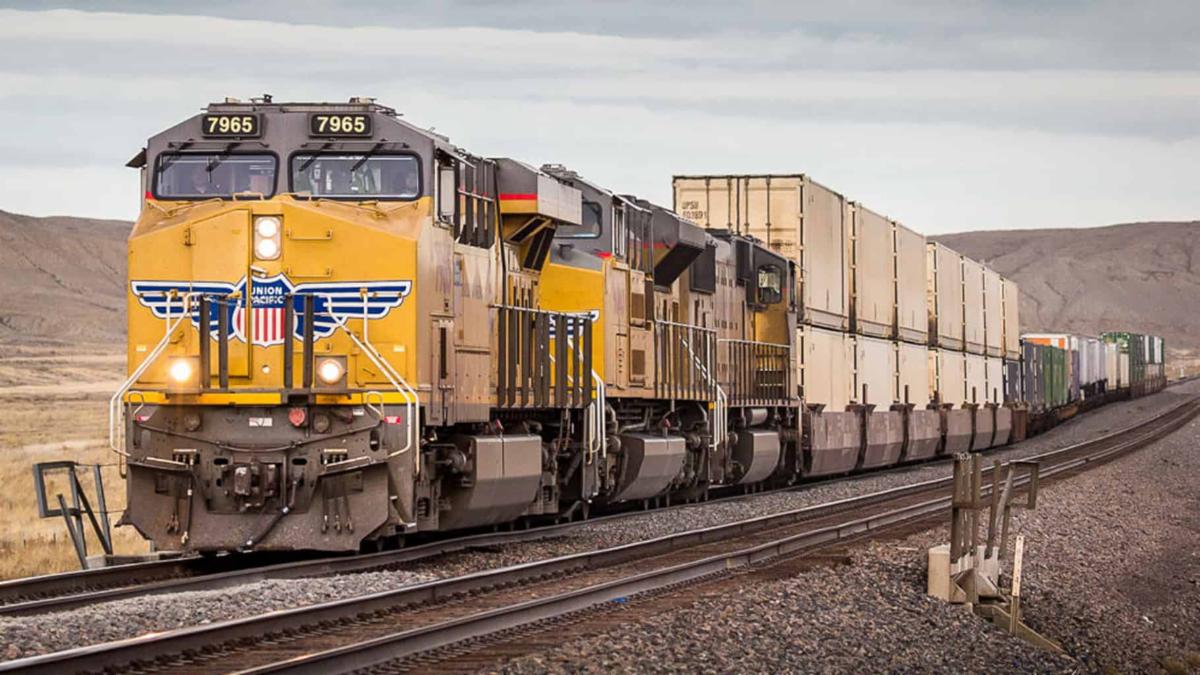
Sanimax, an agri-food shipper, filed a complaint last November saying that UP’s reduction in service days from five to three “constitutes a failure to provide adequate rail service,” thus resulting in UP not meeting its common carrier obligation. The common carrier obligation refers to the statutory duty of railroads to provide “transportation or service on reasonable request,” per federal statute.
UP had sought to dismiss Sanimax’s complaint, but the board on Tuesday allowed the case to proceed.
|
|
(Editor's Note: This webinar is part of the ongoing series that is sponsored by the Rail Passengers Association. RWU is an affiliate member organization. Rail workers - especially Amtrak and passenger rail employees - are encouraged to attend and make your voices heard.) |
|
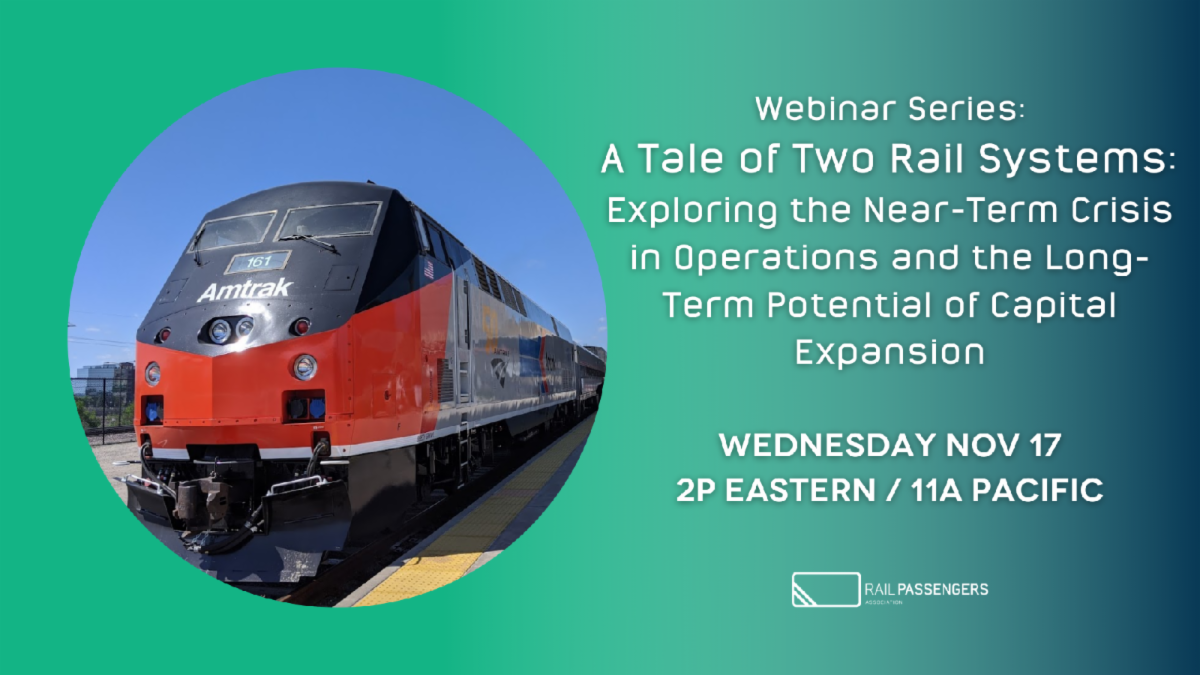
Webinar: A Tale of Two Rail Systems |
|
With the impending passage of the Investment in Infrastructure and Jobs Act — better known as the bipartisan infrastructure bill —people across the U.S. are wondering what this generational investment in passenger rail really means for American passengers.
Simultaneously, Amtrak is finally publicly acknowledging something it’s been grappling with internally for several months: last year’s furloughs and buyouts, combined with a tight U.S. labor market, means there aren’t enough workers to run the trains we have now. There is also concern that more employees may be leaving the railroad over the next few months.
Join us on November 17th as Rail Passengers Association explores these two opposing trends. We’ll look at the potential for near-term service disruptions, ways to minimize those disruptions, steps Amtrak is currently taking to regenerate its workforce, and the projected timeline for the full restoration of pre-pandemic service levels. We’ll also explain what rail and transit provisions made the cut in the final versions of the bipartisan infrastructure and reconciliation bills, while looking ahead at the tangible benefits they will produce for America’s rail passengers—in new equipment, new frequencies, and new corridors.
|
|
(Editor's Note: The irony here is off the charts. To see the CN - the premier PSR railroad - berating its investors for focusing too much on profits and lowering the Operating Ratio, you know things have really gotten extreme. Read the quote from CN's Board of Directors at the bottom of this article. It reads like a comment that RWU might have penned at any point over the last decade. Truth is, the Class One carriers have created a monster, one that has already done all of the things that CN management references. After doing immense damage, PSR now threatens to go even further, destroying the very rail industry that created it, like a Frankenstein's monster.) |
|
CN to Shareholders: ‘We Are Not in the OR Business’ |
|
After months of taking a beating from the Surface Transportation Board on it's proposed merger with Kansas City Southern, along with a salvo of criticism from and expression of interest in achieving a controlling interest in the railroad by TCI, a hedge fund based in the United Kingdom, Canadian National's board of directors fired back today with a strongly-worded letter to shareholders and the investment community.
While CN says it was the first railroad to adopt PSR under Hunter Harrison, the company says there is a danger of going too far. “We understood from the beginning that PSR was only the first step towards realizing the full potential of rail. In his seminal book, “How We Work and Why,” Hunter made clear that the optimal outcome for customers, shareholders, the industry, and the economy is to be found in achieving the right balance between service, safety, and cost control,” the board says. They added a quote from Hunter’s book – “The ultimate goal of all our jobs is to create value for our customers and our shareholders by providing good service to our customers.”
The Board goes on to say: “Make no mistake: OR is important as one measure of performance. But we are not in the ‘OR business.’ We are in the business of moving freight safely, reliably, efficiently and sustainably to power our customers’ businesses, help grow the North American economy and create shareholder value by doing so.”
______________
"Who do we railroad for? Should we railroad only to maximize short-term returns at all cost for as long as we can before worn-out assets, frustrated customers, concerned communities, burned-out employees, chagrined regulators and upset elected officials blow the whistle?" CN Board of Directors
____________
|
|
CP, KCS File Merger Application with STB |
|
The new railroad would be called Canadian Pacific Kansas City (CPKC). The control application provides an overview of the proposed operational integration of the CP and KCS rail networks, the impact of that consolidation on the companies’ finances and labor needs, and the anticipated competitive and other benefits, CP and KCS officials said Oct. 29 in a press release.
Information in the filing outlines the public and customer benefits a CP-KCS combination would bring, including more efficient north-south trade arteries to support the interconnected supply chains of the United States, Mexico and Canada, they said.
The joint control application reiterates the applicants’ commitment to keep all existing freight rail gateways open on commercially reasonable terms, including the Laredo gateway between the United States and Mexico, they said. It also shows how customers will not lose competitive routings because no new regulatory “bottlenecks” are being created, they said.
|
|
(Editor's Note: This is a good example of the good union jobs that can be created with the expansion of passenger rail under a Green New Deal type of program.) |
|
Amtrak, NABTU Sign Workforce MOU |
|
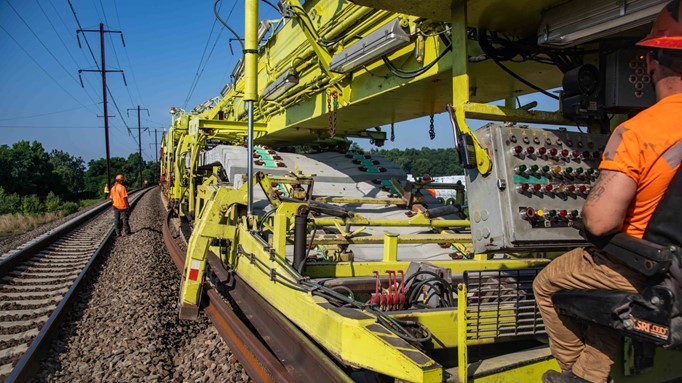
Amtrak and North America’s Building Trades Unions (NABTU) have signed a workforce MOU that promotes a “pipeline of U.S. union construction workers to build and expand” passenger rail, they reported on Oct. 28.
NABTU represents more than 3 million skilled craft professionals.
The MOU with NABTU, along with its affiliates and state and local councils, sets “a model for labor-management cooperation and workforce development,” Amtrak said. “With Amtrak’s 15-year expansion strategy to create half a million jobs delivering over $150 billion in economic benefit to 160 local communities, this agreement helps ensure a consistent construction workforce pipeline, workforce training and labor standards with family-sustaining wages, healthcare benefits, and pension security.”
As part of this framework, Amtrak and its construction partners will work with NABTU to accelerate apprenticeship readiness programs, promote diversity, and ensure fair wages and benefits for the construction workforce on their projects, according to the railroad.
NABTU President Sean McGarvey
|
|
(Editor's Note: Given the bleak employment news month after month in the U.S. rail freight sector, one has to wonder if the future of rail employment is in passenger service. More and more freight railroaders are fleeing the industry to take employment in passenger. Given the big news for Amtrak - see lead article - this trend will most likely accelerate.) |
|
Class I Employment Levels Fell in September |
|
U.S. Class Is employed a total of 114,218 people in mid-September, down 0.19% compared to mid-August’s employment level and down 3.31% year-over-year, according to Surface Transportation Board data.
Five of six workforce categories registered month-over-month employment decreases in September. They were: transportation (train and engine), down 0.39% to 46,927 workers; executives, officials and staff assistants, down 0.32% to 7,248; professional and administrative, down 0.22% to 9,831; maintenance of equipment and stores, down 0.06% to 17,195; and maintenance of way and structures, down 0.04% to 28,323.
The only category to register a month-over-month increase was transportation (other than train and engine), up 0.75% to 4,694 employees.
All categories reflected decreases year-over-year. They were: maintenance of equipment and stores, down 8.82%; transportation (other than train and engine), down 6.51%; professional and administrative, down 4.71%; maintenance of way and structures, down 3.81%; executives, officials and staff assistants, down 2.65%; and transportation (train and engine), down 0.23%.
|
|
UIC: Make Rail the Backbone of a Sustainable Mobility System |
|
MAKING rail the backbone of a sustainable mobility system by the end of the decade will help decarbonise transport and provide numerous benefits for society, the International Union of Railways (UIC) says in its 2030 vision published on October 29 ahead of the Climate Change Conference (COP26) in Glasgow.
In the vision, Design a Better Future, UIC also issues a call for action to policymakers and world leaders. UIC says that by 2030 railway stations and logistics depots will start to transform into multimodal mobility hubs and that car use will reduce by more effectively connecting cities.
“We are entering the decade of action for decarbonisation,” says UIC director general, Mr François Davenne. “This vision sets out how the transport paradigm must transform. At the COP, I will be calling for the support of world leaders to back rail as an essential ingredient for a net zero carbon transport system.”
The vision foresees a the world that is implementing the actions required to achieve the goals of the Paris Agreement. High-speed passengers and rail freight volumes have doubled, conventional passenger numbers have recovered and increased by 50%, and millions of new green jobs have been created. Diesel trains are rapidly being phased out, with a large-scale programme of main line electrification continuing and bi-mode operation a common practice, establishing rail travel is the background of a sustainable mobility system.
While transport currently accounts for a quarter of all global emissions, the vision foresees these beginning to decrease – a scenario UIC says is only possible with a thriving railway.
The scenario is based on four key transformations:
- transforming cities and connecting communities; transport-oriented development, lighter trains and green city logistics
- energy, technology and innovation with rail taking a leading role in the race to zero carbon and the renewables revolution
- intermodality and the seamless connection with innovations in physical and digital connectivity with other modes for a door-to-door service, and
- customer experience and the cultural transformation of rail towards a more customer-focused service to meet the changing needs and behaviours of freight and passengers.
|
|
(Editor's Note: With the chronic truck driver shortage continuing to reach crisis proportions, and freight rates increasing, what a great time for the railroad to take canter stage and move millions of carloads back onto the nation's railroads. Oh, that's right, the railroad has crippled itself with its current operating model which focuses only on short term profits, tomorrow's stock price, and the current Operating Ratio. What a tragic waste of a great opportunity.) |
|
Lack of Drivers Hamstringing Supply Chain Recovery |
|
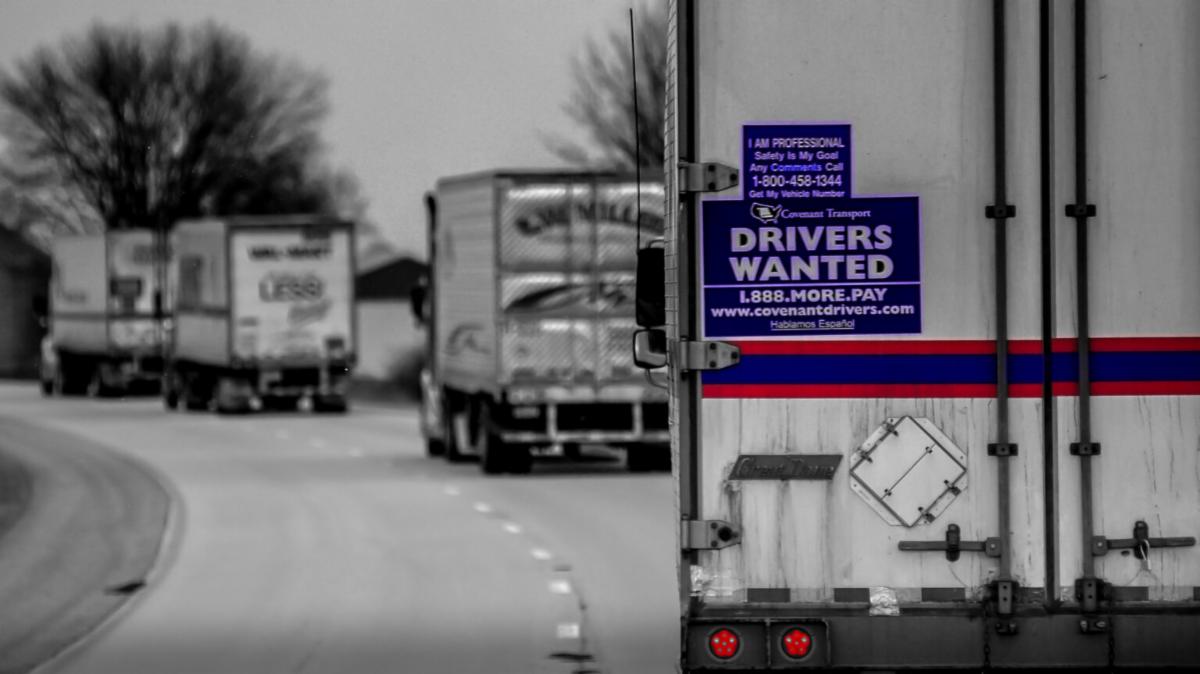
The trucking industry is desperate to get drivers into seats at a time when the supply chain needs them most, but a variety of factors is stalling the industry’s ability to gain traction.
Chief among those factors is the Drug and Alcohol Clearinghouse. Since January 2020 when the Federal Motor Carrier Safety Administration began recording substance abuse violations in the clearinghouse database, over 91,000 drivers have been taken off the road for testing positive or refusing to take a test. That number is expected to hit 100,000 before the end of the year.
While this is considered proof that the clearinghouse is doing its job — keeping unsafe drivers off the road — it is also increasing pressure on carriers trying to deal with unprecedented freight demand.
|
|
(Editor's Note: Meantime, the trucking industry's For-Hire Truck index increased 1.7% in September 2021 vs September 2020.) |
|
Supply Chain Issues Sink October's Rail Volume Total |
|
U.S. railroads logged 2,024,528 carloads and intermodal containers in October, a 2.8% decrease compared with October 2020's level, according to Association of American Railroads (AAR) data.
U.S. carload volume climbed 3.8% to 947,013 units during the month, but intermodal volume fell 7.9% to 1,077,515 containers and trailers.
Fifteen of the 20 carload commodity categories tracked by AAR each month logged gains compared with October 2020. These included: coal, up 8.3%; chemicals, up 6.7%; and crushed stone, sand and gravel, up 7.1%.
Commodities that posted declines in October 2021 from October 2020 included: motor vehicles and parts, down 15.3%; grain, 6%; and petroleum and petroleum products, down 6.1%.
"For railroads, the supply chain challenges are being felt most keenly in our intermodal terminals where rail customers have been unable to clear their freight as quickly as they and the railroads would like,” said AAR Senior Vice President John Gray in a press release. "The shortages of dray trucks, drivers and warehouse space are significant constraints that drove intermodal volumes down in October."
|
|
|
|
|
|
|