Long Island Swimming Officials Association
Serving Long Island Swimmers and Divers for 64 years!
June 2021
|
|
Let's see how this goes ...
My emphasis this year will be how to deal with angry coaches. Most of the coaches that we work with are respectful, mature, cooperative individuals. However, I have seen and heard of more disrespectful behavior from swimming and diving coaches the past few years.
I would like to address how we are supposed to conduct ourselves, what we should expect from coaches, what the rules say, how and when we should (and should not) react to their remarks and behavior.
We begin with an article from Referee Magazine below.
Thank you,
George Fleckenstein
president
|
|
UPDATING DIVING RULES
NFHS
Several rules pertaining to diving were updated, clarified, and enhanced to promote participation and risk minimization. Standing takeoffs are now permitted, which provides an opportunity for divers who are learning new skills to participate in the competitive environment earlier. This concept speaks to the NFHS education-based philosophy. Permitting use of temporary adhesives and promotion of diving warmup between sessions during championship meets minimizes risk to the competitor; clarification of protocol if the dive is announced incorrectly and provides the diver options for corrective action.
STANDING FORWARD TAKEOFFS
The new rule permits standing forward takeoffs, clearly defining the proper procedure for performing a standing forward takeoff and the protocol for application of the mandatory two-point deduction. The standing forward takeoff is a critical part of the educational process in teaching new dives. This provision allows divers to participate in competition sooner and encourages growth in the sport.
9-3-7 PENALTIES, 9-5-2, 9-5-5, 9-7-4f, 9-7-5k, 9-8-2c:
EXCESSIVE OSSOLATIONS
Clarifies that only four oscillations are permitted before the diver leaves the board. The removal of vague language clarifies the number of oscillations a diver may take while on the diving board and will assist officials in judging a dive. 9-5-4b
ANNOUNCER ERROR
Language establishes protocol when an announcer error occurs. The diver should not be penalized for the error of meet personnel; the referee retains broad discretion to resolve such problems in the most equitable and efficient way possible. 9-6-2i, 9-6-4a, b
TEMPORARY ADHESIVES
The rule change permits divers to use temporary adhesives for the diving event. New language allows divers to protect themselves from hand slippage, minimizing risks for the diver. 3-3-6b, c, d
CHAMPIONSHIPS WARM-UPS
During championship meets, new language establishes when diving boards should be made available for practice if breaks between sessions extend longer than ten minutes. However, the meet manager retains the authority to establish more stringent guidelines prior to the start of competition, pursuant to facility accessibility, time constraints, etc. Access to practice dives/approaches should be as equitable as possible but does not require divers to perform an equal number of dives or approaches. 9-2-1
|
SWIMMING RULE CHANGE
All participating members of a relay, including the lead-off swimmer, must now be declared at the specified time and place prior to the start of the event. While there is no penalty for not indicating the leadoff swimmer specifically, there is an obligation to identify the four swimmers participating in the event. In addition, the name of the leadoff swimmer must be documented in cases where the swimmer is to be credited with an official time.
|
|
LISOA Calender
Required Rules Interpretation Meeting - September 29
Diving Clinic - October 20
Better and Consistent Workshop - November 10
Pre-Season Meeting - November 23
WINTER BOY'S SWIMMING AND DIVING SEASON BEGINS - November 30
Section VIII Relay Carnival - Nassau County Aquatic Center - December 1
Annual Meeting - January 5, 2022
Recognition Dinner Meeting - March 14, 2022
|
Things Every Diving Judge Should Know... |
Diving referee’s deductions:
2‐point deduction from each judge’s score for:
· Violations of the forward approach;
· Standing forward takeoffs (considered a violation of the forward approach);
· Balks (declared before the diving judges have scored the dive). It is a balk if the diving referee believes the diver assumes the starting position, makes an obvious attempt to start the approach or press, and stops the continuous execution of the dive prior to the water entry. An illegal forward approach occurs when a diver does less than the required three steps.
|
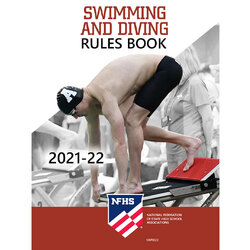
THANK YOU RULES INTERPRETER, BOB KERSCH FOR SENDING OUT THE 2021-22 NFHS SWIMMING AND DIVING RULES BOOK TO ALL LISOA PRIMARY MEMBERS!
The NFHS Exam will be open
August 1 to September 19, 2021.
|
|
June Picnic
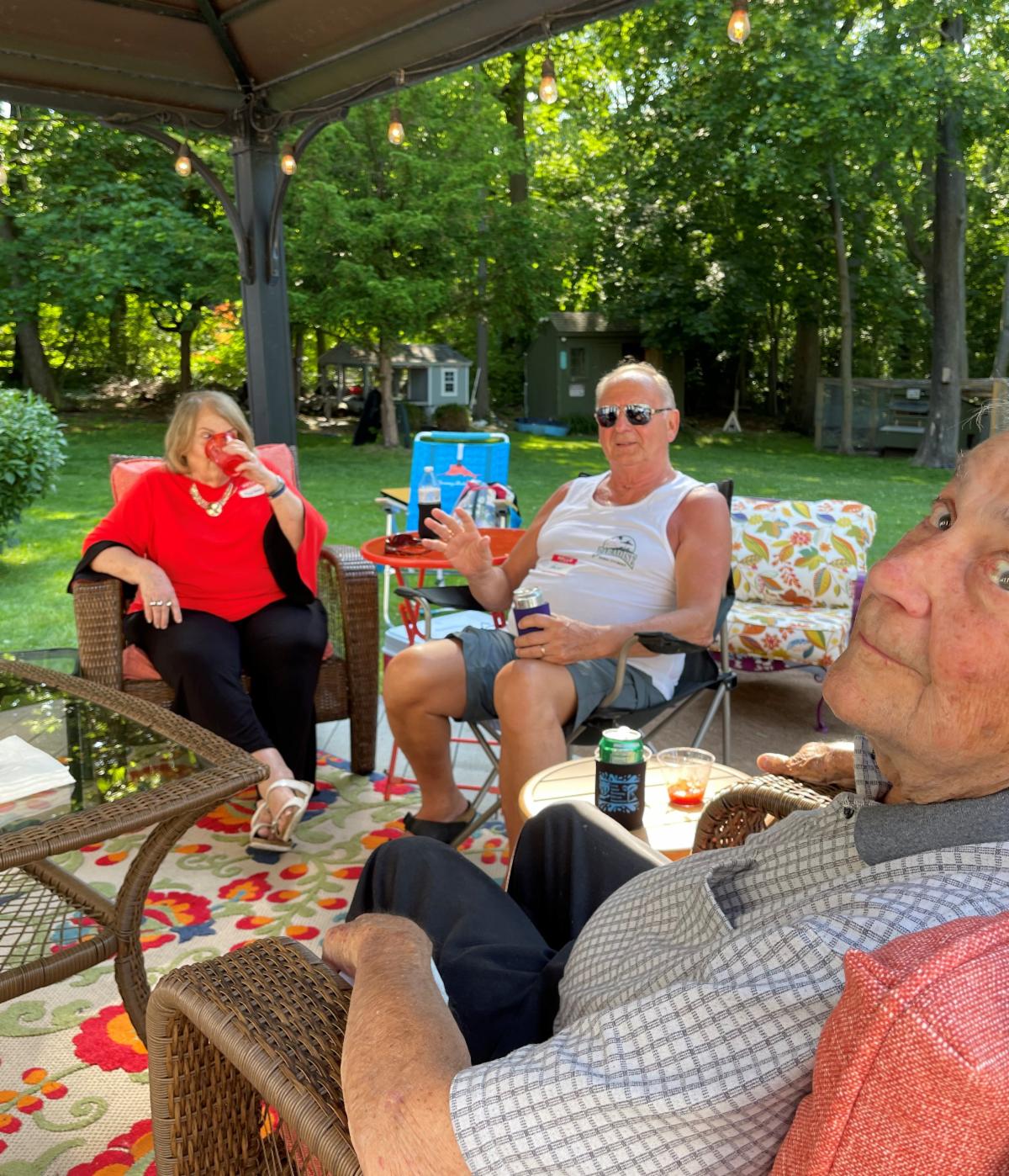
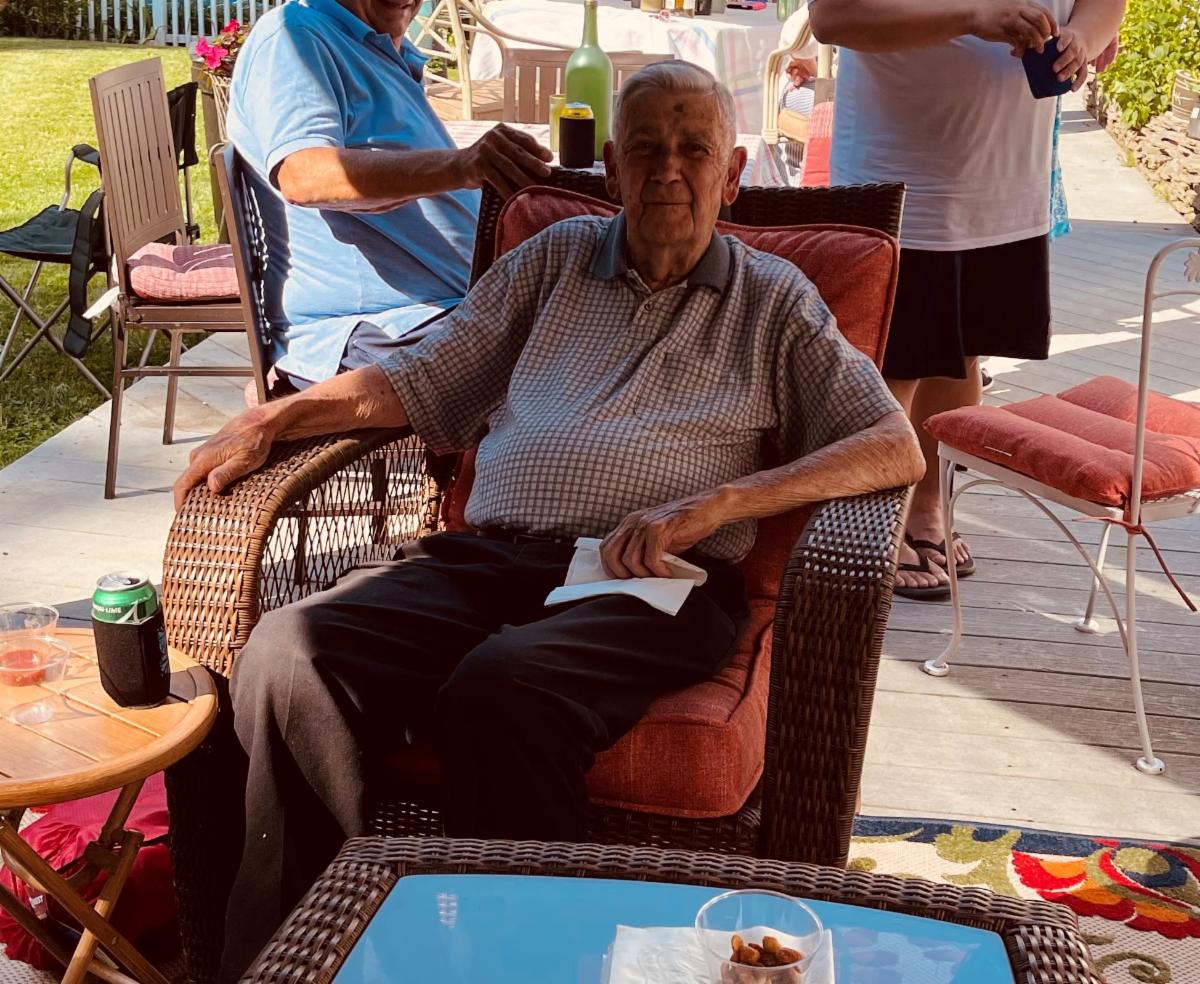
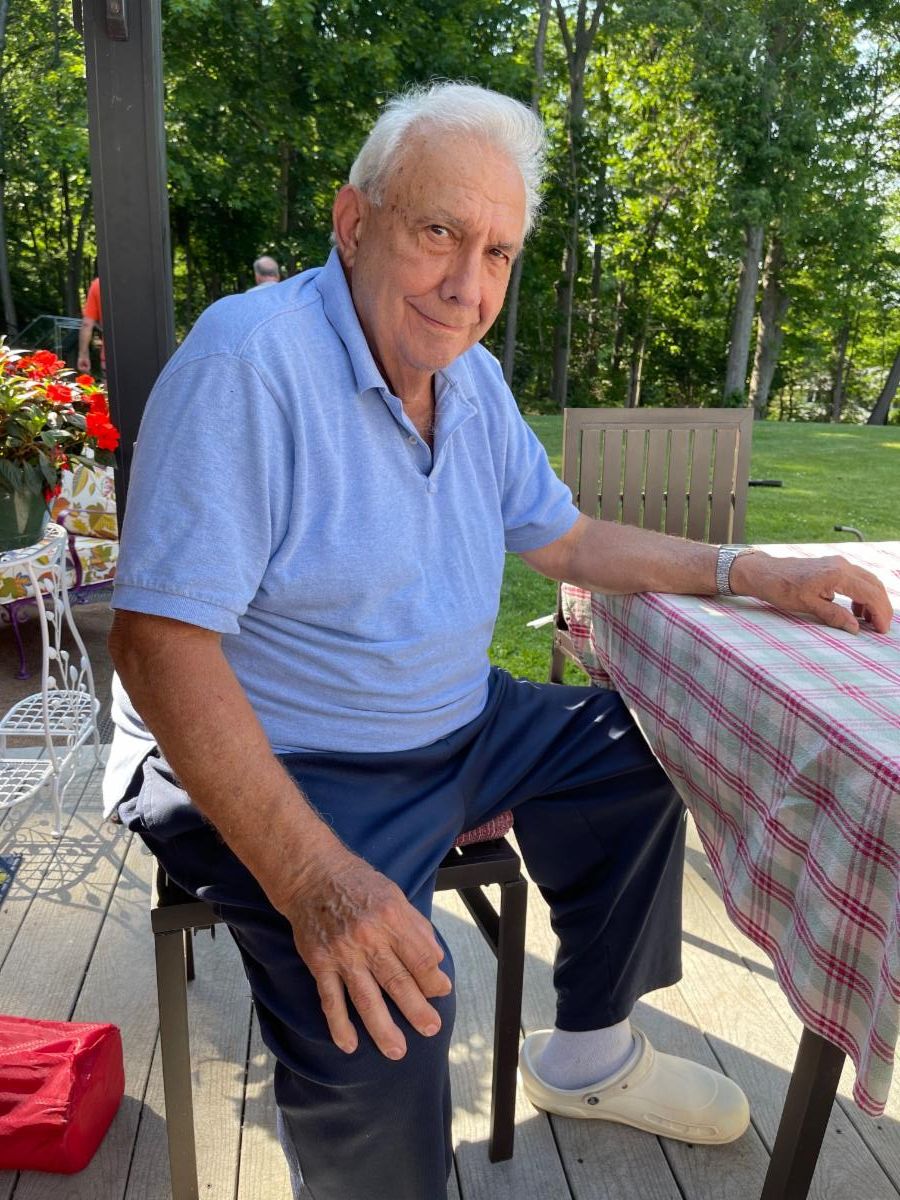
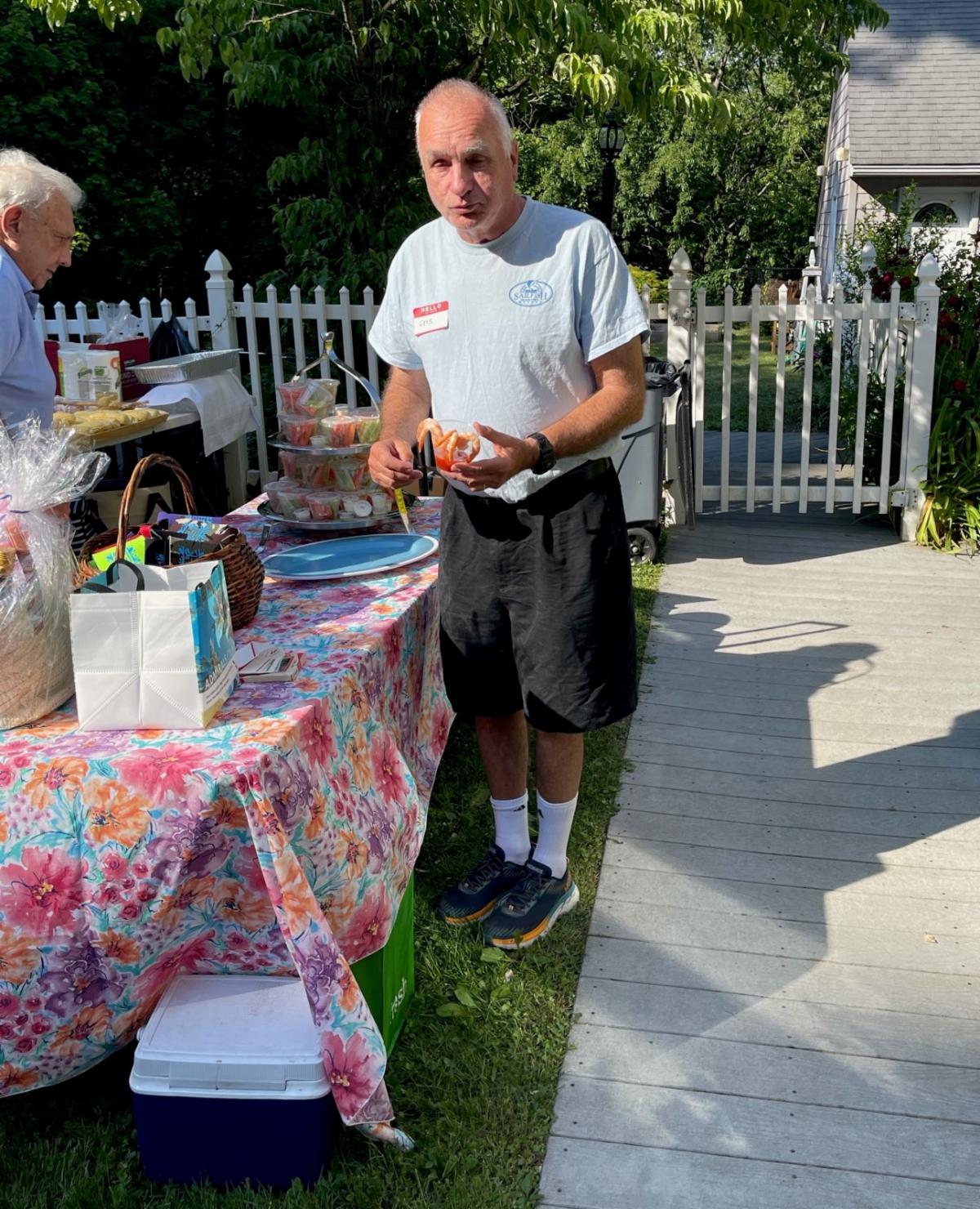
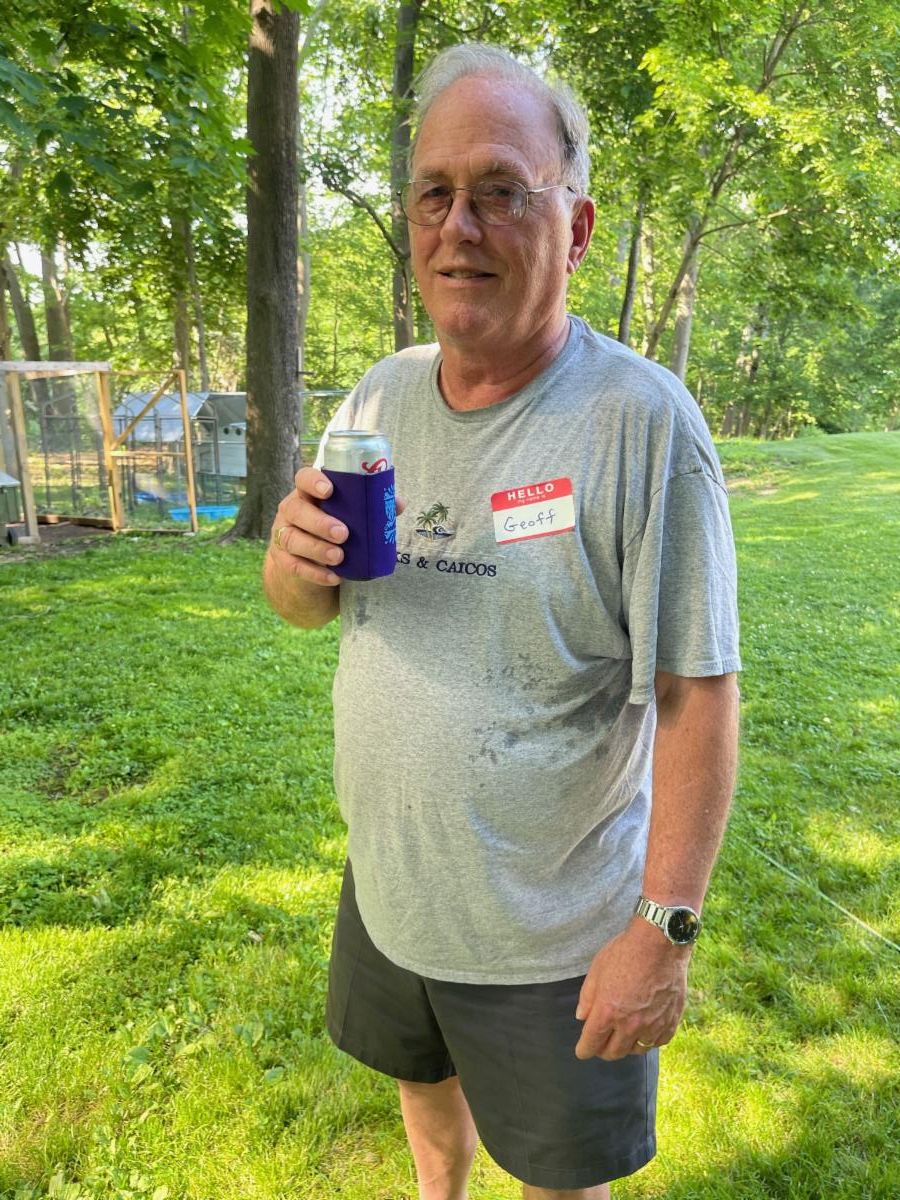
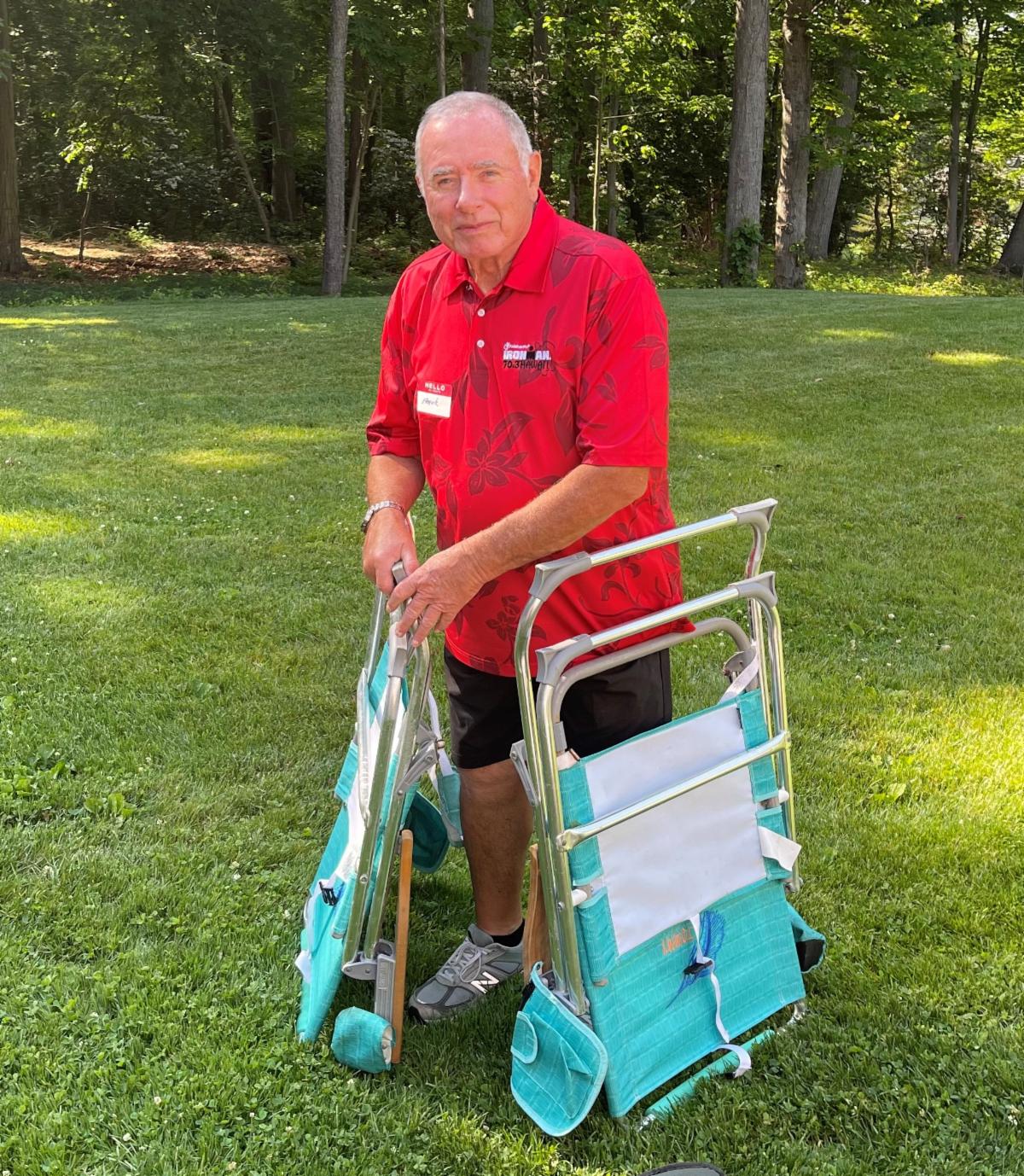
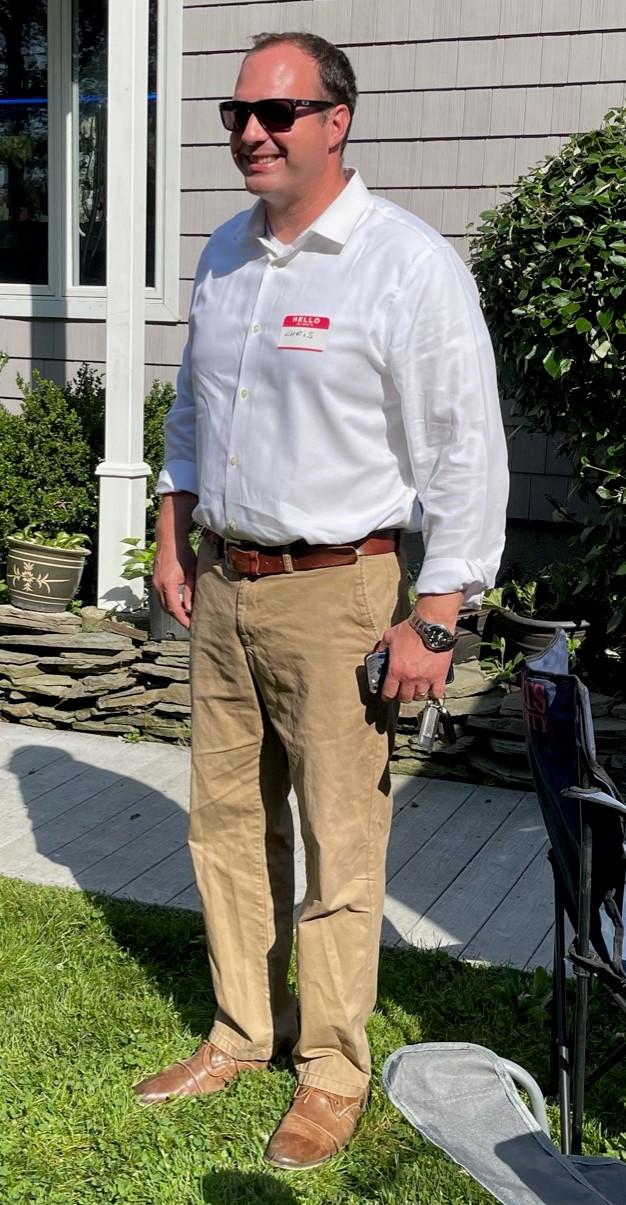
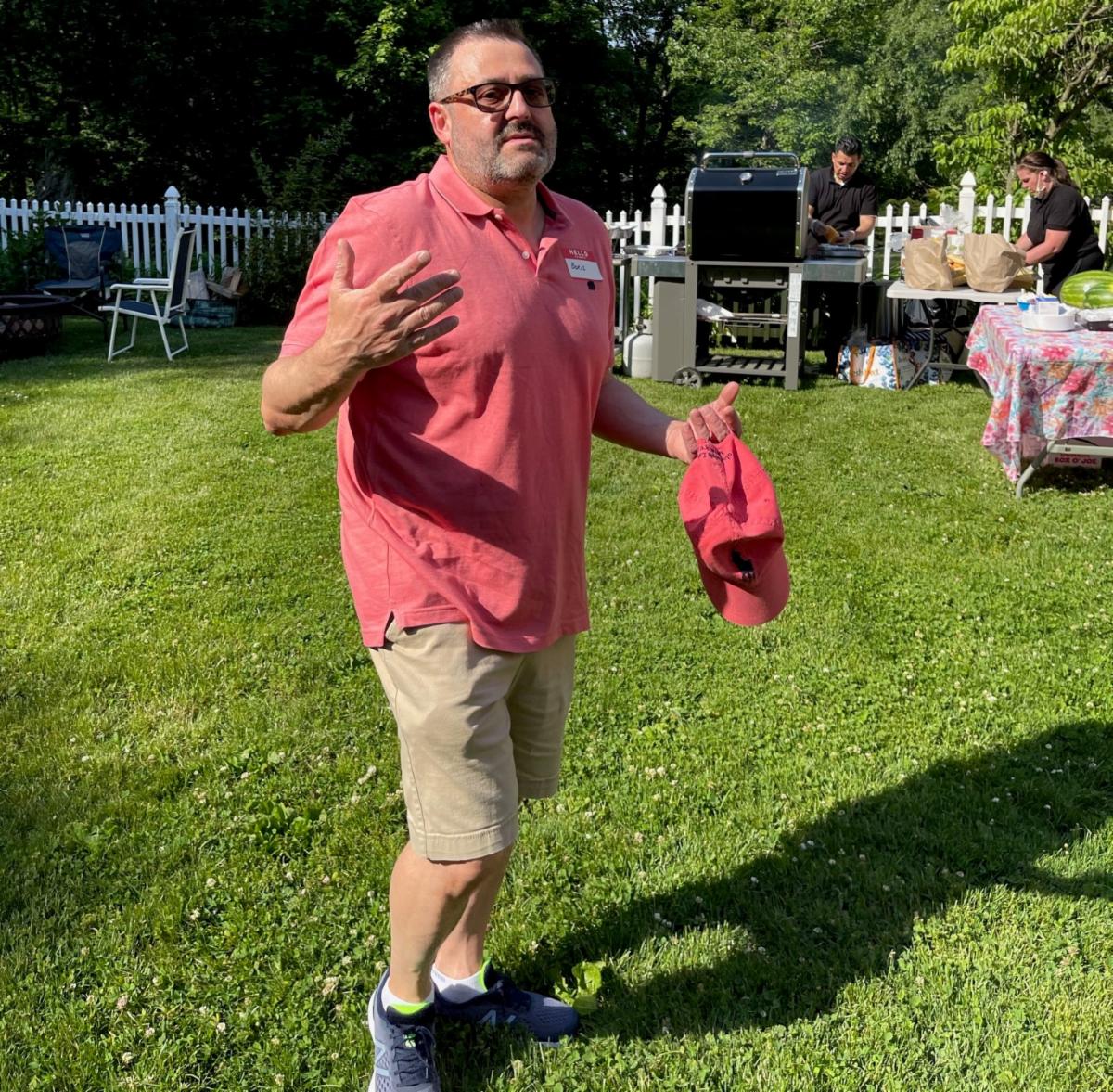
Thank you Jane Reilly for another fun and successful LISOA event! Thank you Christine Duong for your photography and for posting pictures on Instagram and Facebook!
|
|
The Fine Line Between Emotion and Abuse
When an official works contests, care needs to be taken as to what words or actions cross the line of emotion versus abuse. At the same time, however, there are universal principles across all sports that officials should follow when deciding whether or not to assess a penalty for abuse of officials.
Here are some guidelines for differentiating an emotional tirade from a personal attack:
1. The use of the word “you.”
When a player or coach references a previous call (or non-call) that you made in a less-than-pleasing tone of voice, it’s safe to assume that he or she is displeased at the decision you have made. If the player or coach yells loud enough for you to understand what he or she is saying, pay careful attention to the words being used. In particular, be aware of this magic word: “you.” When the words “you” or “you’re” are used in regard to your officiating performance, it’s time to step in and warn the player or coach that personal comments are not going to be tolerated. Depending on the severity of the comment, you may go straight to a technical or unsportsmanlike conduct penalty. It’s important to understand the intent of the coach or player when making a decision like this. Which brings us to the next point.
2. Firing up the team?
Quite often, a coach takes a decision made by an official and uses it to light a fire under his team. We see this in professional sports when the head coach argues a call and puts on a show of his displeasure. This illustrates to his team — and even to the fans — that he is invested in the team’s performance and success. As an official, understanding a coach’s personality is critical to determining whether an argument is aimed at putting you down or pumping up his team. You know a coach has stepped over the line when the expression on his face turns from frustration to straight anger. When I get a coach going off on a call I made, I will take a good look at his posture, demeanor and the words he or she is using. If he or she has not made any personal remarks to me or my crew, I will give a quick hand signal and verbally indicate that the show is over. If the coach feels the show must go on, assess the proper penalty.
3. Mad at the call, or mad at the sweater?
In my opinion, we let players and coaches get away with too much verbal abuse. Anytime a personal comment is made that is a direct attack toward the official, a penalty must be called. We are reprimanded for making lewd comments toward game participants, and we need to do the same for comments directed toward us. This is a two-way street. Players and coaches will become upset with calls that go against their team, but when that frustration turns personal, that is when we need to step in and take action. If we don’t, we let the participants control us instead of the other way around. We then leave the next crew working the same team to clean up the mess we left for them. Verbal abuse that is personal should never be tolerated. That’s why we have rules that deal with such comments.
4. Take control.
There will be some games when you feel like everyone is against you. Many officials complain about the abuse they take throughout the course of a game. Why do players and coaches verbally abuse officials? My easiest answer: because we let them! If during a game you feel like the participants are going south, you need to immediately get out of that spiral and be stern and direct with the coach. Tell him that his players’ conduct has crossed the line and you are prepared to assess the appropriate penalties to anyone else who crosses the line. This is where thick skin comes into play. Sometimes the calm, cool and collected approach doesn’t work. You need to clearly let somebody know when they are about to cross the line and put the ball in their court. If they continue, you can then assess a penalty because you have already warned them.
When it comes to verbal abuse, always remember that all players and coaches have a responsibility to act in a sportsmanlike manner at all times. If you are able to skillfully talk a player or coach out of taking a penalty, that is good. If you are not, that’s why your league provides a section in the rulebook dedicated to you, the official. Use it well.
|
|
LISOA AT THE LONG ISLAND DUCKS
Wednesday, August 11
6:35 p.m.
$14.00 per person
Enjoy a fun evening with fellow LISOA members and any friends or family member that you want to bring along to the ball park in Central Islip.
Name ____________________
Number attending, total tickets _____
Ticket payment to LISOA is due by July 16, 2021
|
|
Make Good Things Happen
by Sam Parker, InspireYourPeople.com
|
|
“There are people who say that time is money. But time is much more than money. Time is life.”
Thich Nhat Hanh | 1926 -
Vietnamese Buddhist monk
168. That's the number of hours available to everyone each week.
Sleep 7.5 hours a day and you’re left with 115 waking hours each week.
Invest 40 – 45 hours of that time at work … that’s 35 – 40% of your waking weekly life.
It makes sense to do what we can to make that time as enjoyable as possible for everyone.
Individually: What are you actively doing (consistently) to better love what you do and the people you do it with and for?
Leaders: What are you consistently doing to help your people better enjoy their work and the people around them? Are you doing anything to make it worse?
Stay inspiring…
A little more...
When I talk with audiences, I share the number 168 up on a screen and ask if anyone knows what it represents. Rarely does someone know the answer. Most of us know the number of hours in a day, the number of days in a week, the number of weeks in a year, etc. I wonder why we don’t learn the number of hours in a week like we do the other numbers?
What if we taught it earlier in schools? What if we consistently taught the value of loving your work, making a contribution, and the importance of working relationships ... loving your people? What if we made these lessons as important as any other lesson learned? What if we taught ‘living for the weekend’ is to miss out on the bulk of your life?
Maybe the weekly number isn't that important. Where do you stop? Hours in a month? (720 - 744) Hours in a year? (8,760)
|
|
The primary role of the official is to ensure fair competition which is conducted in a positive, safe and healthy environment and that actions of the competitors, coaches and other team personnel are in compliance with the rules. |
|
The purpose and goals of the LISOA and its members shall be to:
Officiate all meets in a competent and professional manner.
Have its members actively work to improve interscholastic swimming and diving officiating.
Provide a consistent interpretation and administration of interscholastic swimming and diving rules.
Service and collaborate with the swimming and diving community for the improvement of swimming and diving.
|
|
The official must establish the best possible competitive climate for fair competition with the attention on the athletes, rather than on the official. The conduct of each official affects the public’s attitude toward all officials. Therefore, every official must uphold the honor, integrity and dignity of the profession. |
|
President:
George Fleckenstein
Vice President:
Nelson Gonzalez
Secretary:
Christine Duong
Treasurer:
Barbara Wendt
|
|
Directors:
Doug Virkus
Larry Wachter
|
|
Rules Interpreter:
Bob Kersch
Past President:
Frank Dowd
|
|
OUR CHARTER MEMBERS (1957)
Charlie Schlegal
George Columbo
Jim McAllister
Dick Atwater
Jack Reilly
Frank Krayer
|
|
NYSCSO Distinguished Service Award Members
Laurette Tekverk (2020)
Jim McAllister (2019)
Doug Virkus (2011)
Mush Masters (2008)
Pete Moeschen (2004)
Stan Adler (1993)
Bob Kersch (1990)
|
|
|
|
|
|
|
|