'Happy Thanksgiving Week!'
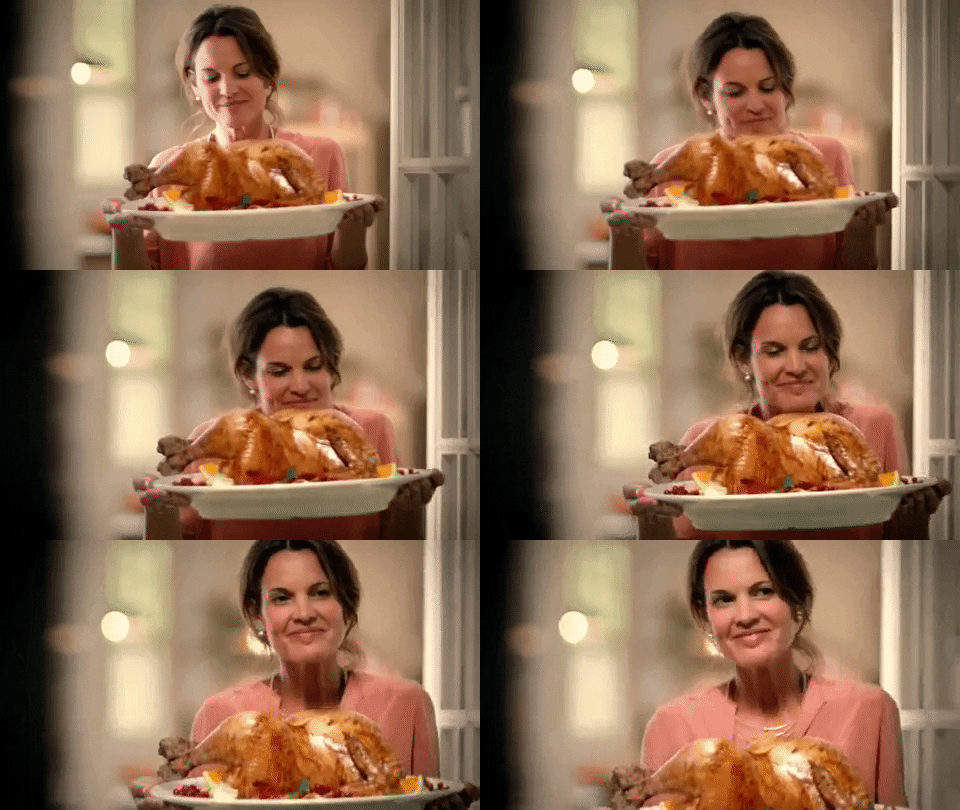
Beloved in the United States, Thanksgiving is a holiday celebrated typically on the fourth Thursday of November. It’s a time to reflect on the year, be thankful, and celebrate with friends and family by enjoying a delicious meal together.
Turkey, stuffing, and pumpkin pie! A time to be around the ones you love, give thanks, and celebrate the blessings in our lives.
| | |
'The Weekly DoctorDoug Report'
Paradise Valley Medical Clinic,
Douglas M. Lakin, M.D.
Kaitlin A. Kraemer, PA-C
9977 N 90th Street, Suite 180, Scottsdale, AZ 85258
480.614.5800 (phone), 480.614.6322 (Fax)
| | |
We Are Here to Take Care of Your Healthcare Needs.
We Are Here to Serve!
Our office is using techniques to reduce exposure to a minimum during your visit. These include:
- Multiple Super-HEPA filters to filter out potential virus and
particles in the office.
- High Level UV light air cleansing in the office to eliminate
bacteria and viruses in the air.
OUR OFFICE SCHEDULE
DOORS OPEN
7AM - 4PM Monday through Thursday
7AM - 11AM Friday
IN OFFICE
APPOINTMENTS: MONDAY – THURSDAY
7AM – 11:15AM & 1PM – 3:30PM
APPOINTMENTS: FRIDAY
7AM – 10:30 AM
Dr. Lakin is also available for telehealth visits via FaceTime, WhatsApp, or Zoom when appropriate.
| | |
Our office will be closed Wednesday afternoon, Thursday & Friday, November 25th 26th, & 27th, for the Thanksgiving Holiday.
We are always available for your healthcare needs.
If you have an emergency, please call 911, go to the nearest emergency room, or contact our office through our answering service, 480.614.5800.
| | ‘THE WEEKLY DOCTORDOUG REPORT’ | | |
November 22, 2026
This health update provides comprehensive guidance on viral respiratory infections, vaccination recommendations, illness management, and protective measures during travel, with a focus on COVID-19, measles, RSV, and flu.
• Autumn viral infections are now moderate and slowly increasing: FLU is around and moderate. COVID is around a bit more, mostly among travelers but not exclusively. They are in moderate numbers. Please get your shots now. Doing both at the same time is efficient and shown to be safe and without increased side effects.
• FLU SHOT: Time to plan for your FLU SHOT. November is a great month… but anytime mentioned is fine and later is OK too. All FLU SHOTS are excellent. The new mRNA flu shot has been proven safe and effective and is a fine choice, or you can stick with the traditional flu shots that are developed specifically for this year. We will be having flu shot clinic during late September and October. Call if you are interested. We do not have COVID vaccine.
• COVID-19 vaccination availability and advice: THE NEW COVID-19 vaccines are widely available at pharmacies; those 65 and older or with serious health conditions are strongly recommended to vaccinate, with dosing frequency varying by risk level. The NEW VERSION of the COVID VACCINE IS AVAILABLE.
• 2026–2027 COVID vaccine targets new strain: XFG instead of last season's LP.8.1 — both are JN.1-lineage Omicron descendants, but XFG is the one now dominant in circulation, so the update is meant to better match currently spreading virus.
FLU & VIRAL UPDATE
The Flu shot:
The flu shot recommendations are the same as every year. FLU SEASONS
Has already begun, so get get your vaccination as soon as possible.
mFLUSIVA: The Flu shot will be available as usual, the same versions as always, but there is a new version that is mRNA based, similar technology to the current COVID vaccination. Large scale studies have proven this both safe and effective… 20% more effective. That said, this is the first year for the mRNA FLU shot. It is made by MODERNA and called: mFLUSIVA. This is
considered safe and is fine to take this season, but if you are the more conservative type, you should take the traditional FLU vaccine this year, awaiting full roll-out, and then perhaps take the new technology flu shot next year…but it is proven safe to take and if you prefer this is an excellent choice.
The FDA's advisory committee confirmed on March 12-13, 2026 that the 2026-2027 US flu vaccines will keep the trivalent (three-strain) format that's been standard since the 2025-2026 season, covering two Influenza A strains and one Influenza B strain — with no bivalent option offered. The three components are:
• Influenza A(H1N1): A/Missouri/11/2025-like virus
• Influenza A(H3N2): A/Darwin/1454/2025-like virus (egg-based) or A/Darwin/1415/2025-like virus (cell/recombinant-based) — a new subclade K strain
• Influenza B: B/Tokyo/EIS13-175/2025-like virus (egg-based) or B/Pennsylvania/14/2025-like virus (cell/recombinant-based), both from the Victoria lineage
All three components got refreshed strains for this coming season, which is notable — it's the first time in recent years all three have changed simultaneously.
COVID-19 VACCINATION
The NEW COVID-19 vaccine is widely available at Walgreens, CVS, and other pharmacies. If you get the COVID vaccine… and a prescription is required, please contact our office and we will send that in for you. THAT SAID, THE GOVERNOR SIGNED A LAW SAYING YOU DO NOT NEED A VACCINE PRESCRIPTION, SO YOU SHOULD BE ABLE TO REGISTER AND OBTAIN IT WITHOUT A PRESCRIPTION FROM OUR OFFICE.
Our office does not carry the COVID vaccine at this time. If you would like to receive both the flu and COVID shots together, scheduling directly with your local pharmacy is a convenient option — and it is perfectly safe to get both at the same visit.
Key Facts About COVID Vaccination
• The COVID vaccine is strongly recommended for adults 65 and older, and for anyone with serious underlying health conditions.
• In the 65+ age group, the vaccine has been proven to reduce the risk of hospitalization and death.
• COVID continues to rank among the top 3 or 4 causes of death in Americans over 65.
• The annual risk of contracting COVID is estimated at 10–30%.
• The risk of serious complications from the vaccine is approximately 1 in 100,000 — roughly the same odds as dying in a single skydiving jump. By comparison, the risk of serious illness or death from COVID in those over 65 is 50 per 100,000 or higher.
• Cash price for the COVID vaccine ranges from $140 to $200. This should not be a barrier for those who are high-risk, but I want you to have the full picture.
About the 2025–2026 COVID Vaccine Formulation
XFG instead of last season's LP.8.1 — both are JN.1-lineage Omicron descendants, but XFG is the one now dominant in circulation, so the update is meant to better match currently spreading virus.
Available options include mRNA vaccines from Moderna and Pfizer/BioNTech.
Dosing Recommendations
• Adults 65 and older (healthy): one dose per year is recommended.
• Adults 65 and older with significant health conditions (diabetes, COPD, heart failure, kidney disease, immune compromise): every six months is appropriate — and at minimum, once a year.
• Adults over 80: every six months is the preferred interval.
• Immunocompromised individuals should consult with me directly for personalized guidance.
If you fall into any of these higher-risk groups, please stay current with your COVID vaccinations. The protection they offer against hospitalization is real and well-documented.
| | |
TOP PODCAST DONE WEEKLY
BY DR. MICHAEL OSTERHOLM
(UNIVERSITY OF MINNESOTA)
He is a world-renowned epidemiologist who was credited with first elucidating TOXIC SHOCK SYNDROME in the 1980’s.
He provides comprehensive and understandable/actionable ideas related to COVID and other infectious diseases.
The Osterholm Update
November 19, 2026
'Losing Our Measles Elimination Status:
What Now?'
The US officially lost its measles elimination status, along with Bolivia and Mexico. This announcement follows an uptick in case numbers and deaths, particularly over the past two years.
Hosts Chris Dall and Dr. Michael Osterholm discuss the loss of measles elimination status and what it means moving forward. They also provide an update on the ongoing Ebola outbreak in the Democratic Republic of Congo, examine concerns about avian flu transmission in Washington State, review US respiratory illness activity, answer an ID query about a new study comparing the Moderna and Pfizer COVID vaccines, and take a look at a new WHO report on tuberculosis.
Plus, be sure to listen to the latest installment of This Week in Public Health History.
| | ‘A National Embarrassment’: Measles is Again Endemic in the US | | |
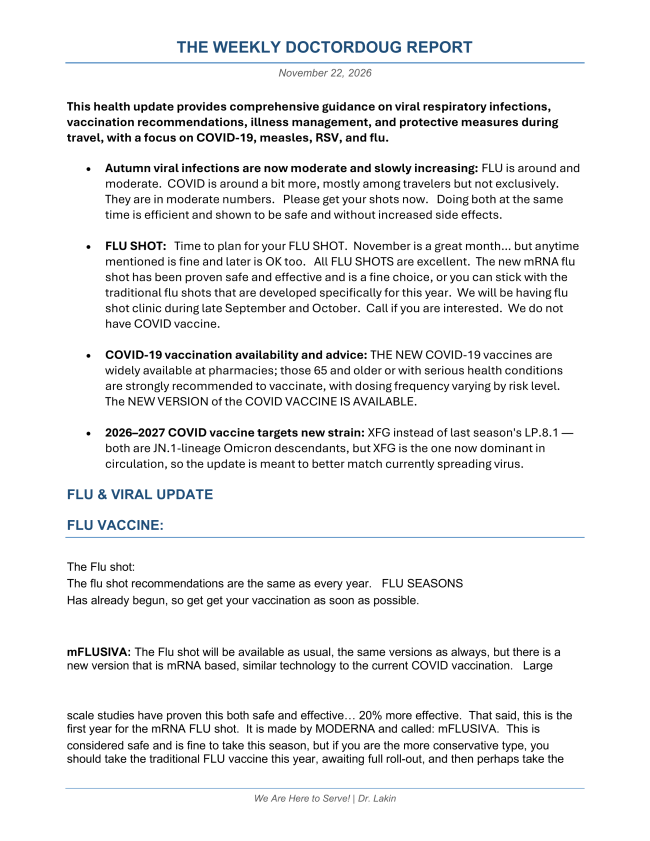
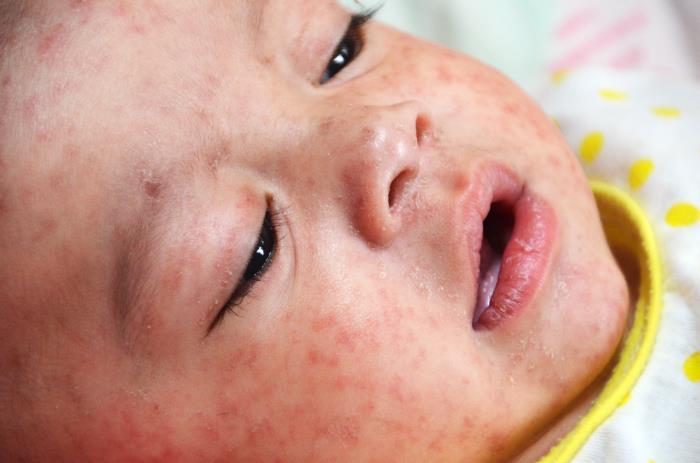
Measles is again endemic in the United States. The Pan American Health Organization (PAHO) says the virus has circulated in the country for at least 12 months, putting families and communities at risk.
PAHO reached this decision after reviewing epidemiologic data from January 2025 through January 2026. This period predates Pennsylvania's measles outbreak, which began in April 2026 and has exploded into the largest US outbreak in more than 35 years. That state has reported more than 1,500 cases and at least seven measles-associated deaths. In total, state health departments have reported 13 fatalities from 2025 through 2026.
“This represents both a national embarrassment and the tip of a dangerous iceberg,” said Jesse L. Goodman, MD, MPH, chair of Georgetown University's Expert Vaccine Analysis Team and a former Chief Scientist at the Food and Drug Administration.
Measles was declared eliminated from the United States in 2000 after PAHO, which is the regional office of the World Health Organization, determined the country had interrupted endemic transmission. This triumph of public health hinged on the measles, mumps, and rubella vaccine (MMR), which is 97% effective against measles after two doses.
'This represents both a national embarrassment and the tip of a dangerous iceberg.'
But MMR uptake has fallen over the years; epidemiologists and infectious disease physicians have long warned it was only a matter of time before endemic transmission of this airborne virus would return.
Now the United States has lost control of measles, arguably the most contagious disease known to humans. It can go wherever it wants, said John D. Gräbenstein, PhD, the former director of the US Department of Defense's Military Vaccine Agency.
"I'm amazed at how casually people are taking it," he said.
| | As Measles Cases Mount, New Report Highlights Safety of Early Vaccination for Infants | | |
As Americans prepare for holiday travel amid a nationwide measles resurgence and diminished federal public health communications, a new paper from the Center for Infectious Disease Research and Policy’s (CIDRAP’s) Vaccine Integrity Project (VIP) at the University of Minnesota highlights data showing that infants as young as 6 months can safely receive the measles, mumps, and rubella (MMR) vaccine. CIDRAP is the publisher of CIDRAP News.
The United States has recorded more than 5,400 measles cases and 10 measles-related deaths across 45 states this year. Today, the Pan American Health Organization formally revoked the nation’s measles elimination status, which it has held for more than 26 years. Loss of measles elimination status signals that the virus has been spreading in one continuous chain for at least a year.
Routine MMR vaccination begins at 12 to 15 months, but for decades, federal health authorities and medical societies have recommended early measles vaccination, sometimes called a “zero dose,” for eligible infants ages 6 to 11 months who will be traveling internationally or living in or traveling to areas experiencing active measles outbreaks.
| | WHO: Ebola Case Count Has More Than Doubled in 3 Months | | |
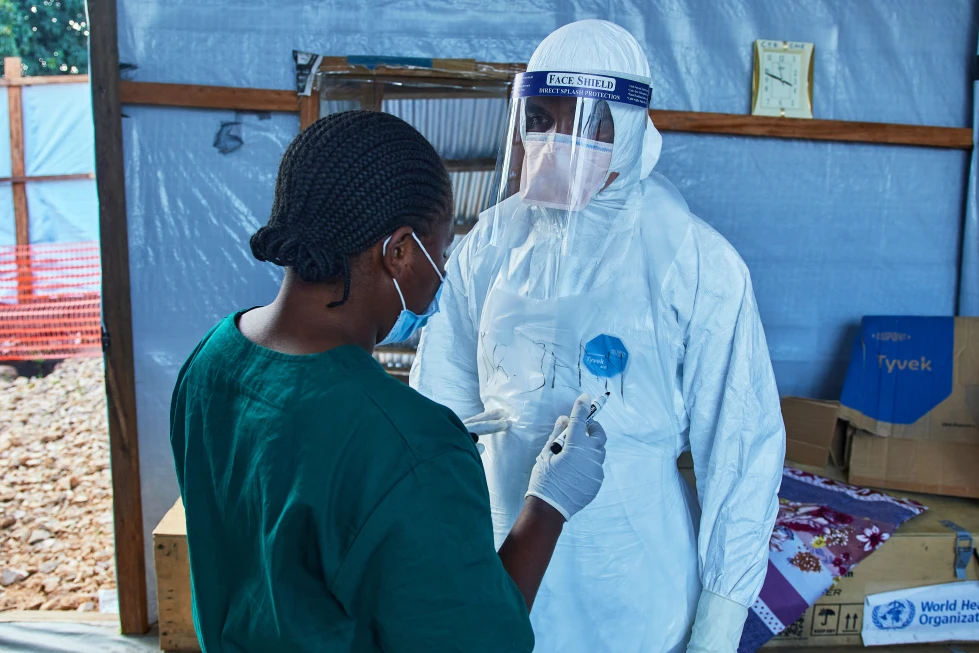
Ebola cases have more than doubled in 3 months, according to the director-general of the World Health Organization (WHO), Tedros Adhanom Ghebreyesus, PhD. As of today, 11,536 confirmed Ebola cases, including 5,635 confirmed deaths, have been reported since the outbreak was declared on May 15.
In opening remarks to the third meeting of the WHO’s emergency committee on the Bundibugyo virus disease epidemic, Tedros said the DRC is still seeing 400 to 500 new cases each week. Children in particular are “paying a terrible price” for the uncontrolled outbreak, which is now entering its seventh month. Children have accounted for roughly 30% of all deaths in this outbreak.
More Ebola laboratories open
Some progress has been made, Tedros said, but it has been uneven.
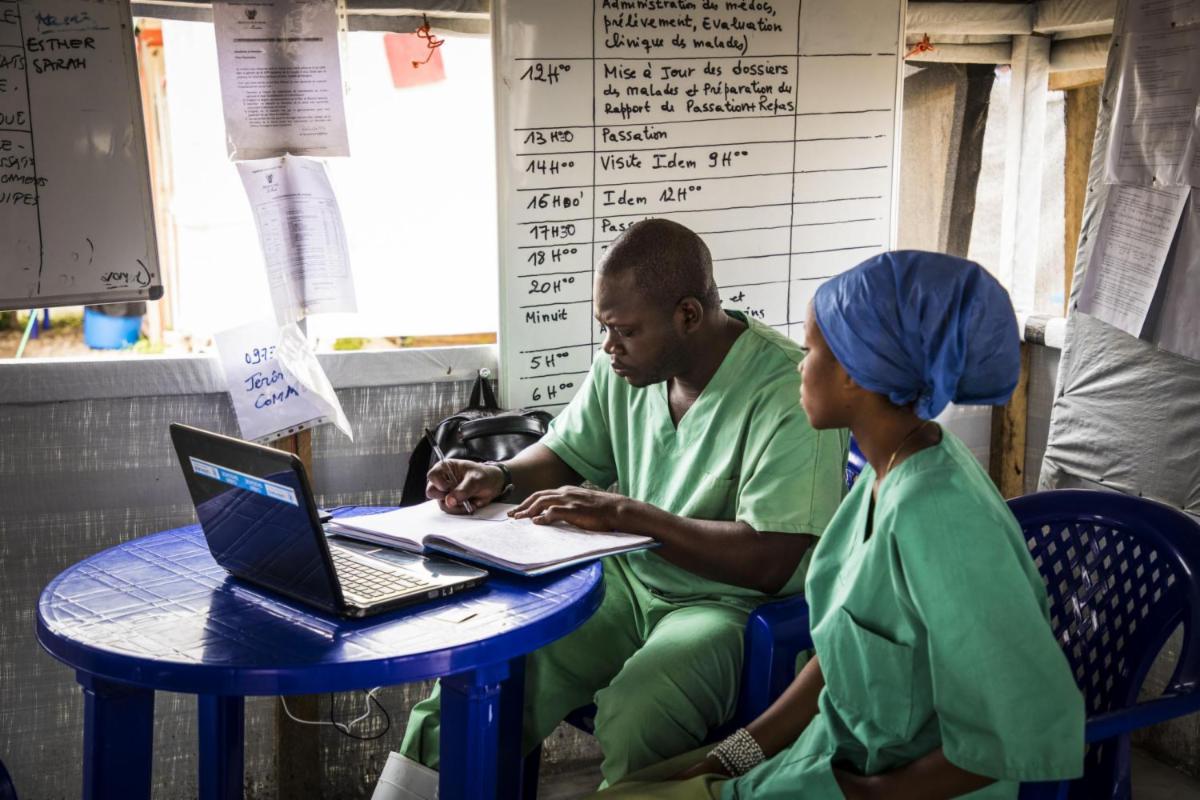
“At the start of the outbreak, two laboratories could test for the virus. Today there are more than two dozen. Close to 2,000 treatment beds are now available, and about 3,000 people have recovered,” he said. Tedros also said 900 people in the DRC are now enrolled in clinical trials of therapeutics, including a vaccine trial using Ervebo, the Ebola vaccine approved for the Zaire strain of the virus.
And Tedros said two candidate vaccines developed specifically against the Bundibugyo strain of the virus will be added to an ongoing vaccine trial in the coming weeks.
-CIDRAP, 11/17/2026
| | Human Travel Drove Ebola Spread in DR Congo, Outbreak Reconstruction Suggests | | |
A team led by researchers in the Democratic Republic of Congo (DRC) paired case and testing records with mobile-phone data to determine that human movement—not geography or population size—propelled the spread of the Bundibugyo Ebola virus early in the ongoing outbreak that is now the country’s largest on record and the fastest-growing Ebola outbreak in history.
As of today, the US Centers for Disease Control and Prevention reports 11,463 cases, including 5,597 deaths, in the outbreak. Ebola is currently affecting 67 health zones in eight DRC provinces. Kenya has begun a 42-day countdown after the last of the country’s seven surviving Ebola patients was released from medical care. Nigeria has ended its 21-day Ebola monitoring period, with its only infected patient released from the hospital and all 62 monitored contacts cleared.
The study, published last week in Science, also suggests that the deadly virus was circulating weeks before the epidemic was declared in mid-May. It is the most detailed epidemiologic reconstruction of the rapid outbreak expansion within Ituri province and in bordering provinces so far. No approved vaccines or treatments target Bundibugyo, although a vaccine and therapeutic trial are currently under way.
| | 1 in 12 Children With Lyme Disease Show Signs of Powassan Virus Co-Infection | | |
The prevalence of Powassan virus infection in US children with suspected Lyme disease is higher than previously thought, according to a study published this week in Clinical Infectious Diseases.
Researchers led by a team from Boston Children’s Hospital found that one in 12 children being evaluated for Lyme disease tested positive for antibodies suggesting a recent Powassan virus infection. None of the Powassan infections were diagnosed by treating clinicians.
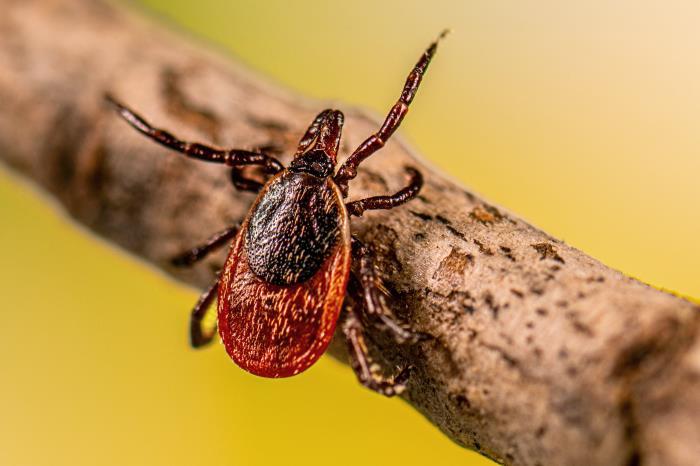
Powassan virus, which can cause mild flu-like symptoms or severe symptoms like encephalitis, is spread by the same Ixodes black-legged (deer) ticks that transmit Lyme disease. While Lyme disease transmission requires at least 24 hours of tick attachment, Powassan virus can be transmitted in as little as 15 minutes.
5-fold higher odds of Powassan in kids with Lyme
For the study, the researchers looked at blood tests from 600 children evaluated for Lyme disease from 2015 through 2024 at eight emergency departments in regions where Ixodes ticks are common. Then they compared 305 children with early Lyme disease with 295 children with similar symptoms who tested negative for Lyme.
The groups were matched by age, sex, location, and symptoms. The median age of the participants was 9 years.
'Our results support previous studies suggesting that the prevalence of [Powassan] infection is much higher than reported, particularly in patients with confirmed Lyme disease.'
Antibody testing found evidence of Powassan virus infection in 26 children with Lyme disease (8.5%) and two in the comparison group (0.7%), which, after adjusting for confounding factors, translates to five-times higher odds of testing positive for Powassan virus antibodies among children with Lyme disease than among children with similar symptoms who tested negative for Lyme.
“Our results support previous studies suggesting that the prevalence of [Powassan] infection is much higher than reported, particularly in patients with confirmed Lyme disease,” write the researchers.
Faster, more accurate Powassan tests needed
The study had some limitations. Other types of rashes may have been mistaken for the characteristic Lyme disease rash, and Lyme blood tests can miss early infections or pick up antibodies from past infections. Some Powassan virus blood tests can show false positives, and the researchers took blood samples only during the initial study period, so they couldn’t check whether antibody levels changed over time.
The authors suggest considering Powassan testing in children with suspected Lyme disease, especially if they have unusual symptoms or are slow to respond to Lyme treatment. They also call for faster, more accurate tests that can detect Powassan virus during the early, acute phase of infection.
-CIDRAP, 11/20/2026
| | As MPOX Continues to Circulate, US Adults’ Awareness of the Virus Has Plummeted Since 2022 | | |
Four years after a large global mpox outbreak, Americans’ awareness of the viral illness has dropped significantly, according to a survey today from the Annenberg Public Policy Center (APPC) at the University of Pennsylvania.
Of the 1,842 US adults surveyed from September 22 to October 5, 2026, only 8% said they had seen, read, or heard anything about mpox in the past month. That number is down from 11% in July 2024—and down 80% in July 2022.
While case counts have dropped nationwide over the past four years, the Centers for Disease Control and Prevention (CDC) says that “ongoing, low-level transmission has persisted,” which indicates “a transition toward endemic circulation.”
Mpox is transmitted by close contact with the scabs, rashes, or bodily fluids of an infected person. It can also be spread by contact with the clothing, bedding, towels, and dishes of an infected person. Sexual transmission is a common route.
Less than half know about mpox vaccine
Roughly three-quarters (76%) of respondents said they are "not too familiar" or “not at all familiar” with mpox, and just 7% said they are “somewhat” or “very worried” about contracting it in the next three months. That number is significantly lower than the percentage of people (21%) who said they were worried about contracting it in August 2022.
Almost two-thirds (62%) said they were unsure about the contagiousness of mpox, and only 18% correctly said it is less contagious than COVID-19. In August 2022, 41% said they knew it was less contagious than COVID.
About half (49%) of survey respondents said they know how mpox is spread, while 51% recognized that face-to-face contact with an infected person increases the risk of infection. Those numbers are relatively unchanged from 2024.
'As the epidemiology of mpox changes, public understanding of who is at risk, how the virus spreads, and how vaccination can protect against it needs to keep pace.'
Knowledge about the mpox vaccine has dropped since August 2022, when 61% of people said they were aware that an mpox vaccine exists. Last month, less than half (44%) said they knew about the existence of an mpox vaccine. Forty-eight percent were unsure whether a vaccine exists.
“The persistence of these knowledge gaps matters because the virus has not stood still,” says APPC’s managing director of survey research, Ken Winneg, PhD, in an APPC news release. “As the epidemiology of mpox changes, public understanding of who is at risk, how the virus spreads, and how vaccination can protect against it needs to keep pace.”
Signs of progress, persistent misinformation
While some misperceptions about mpox persist—16% of respondents said that the virus was definitely or probably bioengineered in a laboratory (a claim without evidence), and 7% incorrectly said that receiving the COVID vaccine increases the risk of getting mpox—the survey showed some signs of increased knowledge about the viral illness and openness to vaccination.
Nearly three quarters (73%) of respondents said they know that people with mpox should isolate until the rash is gone—an increase from 68% in 2024—and the same percentage of respondents said the benefits of being vaccinated against mpox outweigh the risks.
Sixty-nine percent of people said they would be “somewhat” or “very” likely to get an mpox vaccine if they were exposed to the virus, with the proportion who said they were “very” likely increasing, from 38% in 2024 to 44% last month.
The survey’s margin of error is plus or minus 3.2 percentage points.
-CIDRAP, 11/19/2026
| |
Two Studies in US Veterans Find Updated COVID Vaccines Protect Against Severe Illness
| | |
Two new studies involving more than 1 million US veterans suggest that updated COVID-19 vaccines continue to provide meaningful protection against severe illness.
One study, published last week in Vaccine, found that the 2025–26 vaccine reduced the risk of emergency department visits by approximately 32% and the risk of hospitalization by roughly 44%. The second study, published last week in JAMA Network Open, found that the 2025–26 Moderna vaccine offered greater protection against medically attended COVID among older adults than Pfizer's vaccine.
Vaccination tied to fewer emergency visits, hospitalizations
In the first study, a team led by researchers from Veterans Affairs (VA) Saint Louis Health Care System analyzed data from 931,943 veterans who received a seasonal flu vaccine from September 21, 2025, to January 31, 2026. Of those, 114,911 received a COVID vaccine on the same day, while 817,032 received only the flu vaccine.
Over the course of 180 days, COVID vaccination was associated with a 31.7% reduction in COVID-related emergency department (ED) visits and a 43.6% decrease in hospitalizations. That translates to approximately seven fewer ED visits and roughly three fewer hospitalizations per 10,000 people.
While the researchers note that the absolute risk reductions were modest, the findings “quantify the benefit of vaccination in a lower-incidence season and can inform shared clinical decision making and seasonal vaccine policy,” they write.
Moderna vaccine outperforms Pfizer’s version
For the second study, researchers led by a team from VA Providence Healthcare System in Rhode Island compared Moderna’s newer mRNA-1283 COVID vaccine with Pfizer/BioNTech’s mRNA COVID vaccine among US veterans aged 65 years or older to assess whether 2025–26 vaccination was associated with a lower risk of COVID infection that required medical attention.
Among the 294,499 participants, medically attended COVID occurred in 86 of 55,349 mRNA-1283 vaccine recipients (0.16%) and 672 of 239,150 Pfizer vaccine recipients (0.28%). That corresponds to a 35.9% greater relative vaccine effectiveness (VE) for the Moderna vaccine, or 10 fewer medically attended cases per 10,000 vaccinated people.
'The findings suggest that the mRNA-1283 vaccine may offer more clinically meaningful protection for older adults at high risk of severe COVID-19 outcomes.'
COVID-related hospitalization occurred in 11 mRNA-1283 vaccine recipients (0.02%), compared with 114 Pfizer vaccine recipients (0.05%). That represents a greater relative VE of 47.0% for the Moderna vaccine, or two fewer hospitalizations per 10,000 vaccinated people.
“The findings suggest that the mRNA-1283 vaccine may offer more clinically meaningful protection for older adults at high risk of severe COVID-19 outcomes and could inform seasonal vaccine selection,” write the researchers.
The study was partially funded by Moderna.
-CIDRAP, 11/18/2026
| | US Flu Activity Continues to Climb | | |
The share of Americans seeking healthcare for flulike symptoms continues to rise amid an early flu season.
The proportion of outpatients for influenza-like-illness (ILI) for the week ending November 14 was 3.8%, up from 3.2% the previous week and above the national baseline of 2.9% for the second consecutive week, the Centers for Disease Control and Prevention (CDC) said today in its weekly FluView update. ILI activity increased in all regions of the country except for the Northeast, and in all age-groups, compared with the previous week.
While test positivity remained flat at 11.8%, the influenza-associated hospital admission rate rose to 3.5 per 100,000 population, with the highest hospitalization rate seen in adults age 65 and over, followed by the 0 to 4 and 50 to 64-year age groups. The CDC also reported two more flu-related deaths in children, bringing the season total to seven, and a pediatric death from the 2025-26 flu season, bring that season’s total to 204 deaths.
Of the viruses reported by public health laboratories, 99% have been influenza A.
The CDC estimates there have been 3.7 million flu cases, 50,000 hospitalizations, and 2,800 deaths so far this season. But the agency is classifying the severity of flu activity as low across all age-groups at this point.
“Many surveillance indicators are higher than typically observed at this time of year, but an earlier increase in activity does not necessarily lead to a higher seasonal peak or greater severity overall,” the CDC said, adding that it’s too early to know what viruses might predominate or whether there might be impacts on flu vaccine effectiveness.
COVID, RSV at low levels
In other respiratory illness updates, the CDC said both COVID-19 activity and respiratory syncytial virus (RSV) activity are low nationally, but added that RSV emergency department visits are climbing in children younger than 5 years.
The agency also noted that levels of rhinovirus/enterovirus are elevated but decreasing in most regions of the country, while respiratory adenovirus is elevated but stable. Both trends are typical for this time of year.
-CIDRAP, 11-21-2026
| | |
After you received your COVID or any other vaccination outside our office, please let us know!
We would like to document this information into your chart.
What we need:
- Your name
- Name & date of vaccination received
- Brand name
- Lot number if available
- Which dose you have received
| |
Quick Takes:
- Human Avian Flu in Oregon
- H5N9 in Japanese Poultry
- Shorter TB Treatment
- Polio in 3 Nations
| | |
Oregon health officials yesterday announced the state’s first human case of highly pathogenic avian influenza (HPAI) of the year related to an outbreak at a Morrow County dairy farm. The infected person was treated with the antiviral drug oseltamivir (Tamiflu) and didn’t require hospitalization. No other details were released. In a news release, Melissa Sutton, MD, medical director for respiratory viral pathogens at the Oregon Health Authority, said the case isn’t cause for alarm. “Rather, it is evidence that the surveillance and response system we have in place is working,” she said. “Our goal is to ensure that all symptomatic farm workers receive prompt testing and treatment to prevent severe disease.”
This week, Japanese authorities confirmed that the country’s first two poultry HPAI infections this year were caused by the H5N9 strain, the country’s first detection of this formerly rare subtype. The Ministry of Agriculture, Forestry and Fisheries said that one case each was reported in Kyoto and Chiba prefectures.
A new study from Medicins Sans Frontieres (MSF) supports implementation of a shorter (four-month) treatment for children diagnosed as having non-severe, drug-susceptible tuberculosis (TB) in primary care settings. The research, conducted among 214 children in Uganda and the Philippines, found that 74% of infected children overall and up to 89% of those seen in primary care are eligible for the World Health Organization–recommended treatment. Treatment outcomes were “highly positive,” with 95% successfully completing the regimen. Implementation is feasible and uses the same drugs but substantially reduces the burden on children and their caregivers, study principal investigator Valentina Carnimeo, MPH, said in an MSF news release. “Fewer months of treatment means fewer clinic visits, less disruption to family life, lower costs for caregivers and health systems, and fewer days exposed to potential adverse effects,” she said.
The Global Polio Eradication Initiative reported nine polio cases from three countries this week. Chad documented four circulating vaccine-derived poliovirus type 2 (cVDPV2) cases, while Nigeria noted two circulating vaccine-derived poliovirus type 3 (cVDPV3) cases, and Syria logged three circulating vaccine-derived poliovirus type 1 (cVDPV1) infections.
-CIDRAP, 11/20/2026
| |
'You've Got Mail - Super Market Scene'
A Thanksgiving scene from "You've Got Mail" where Kathleen and Joe meet in a cash-only line, leading to a humorous exchange. . .
| | | | |