Volume 6, Issue 41│October 14, 2022
|
|
|
Share Your Stories of 125 Years of IOA |
|
|
|
Celebrating 125 Years of the IOA
1898-2023
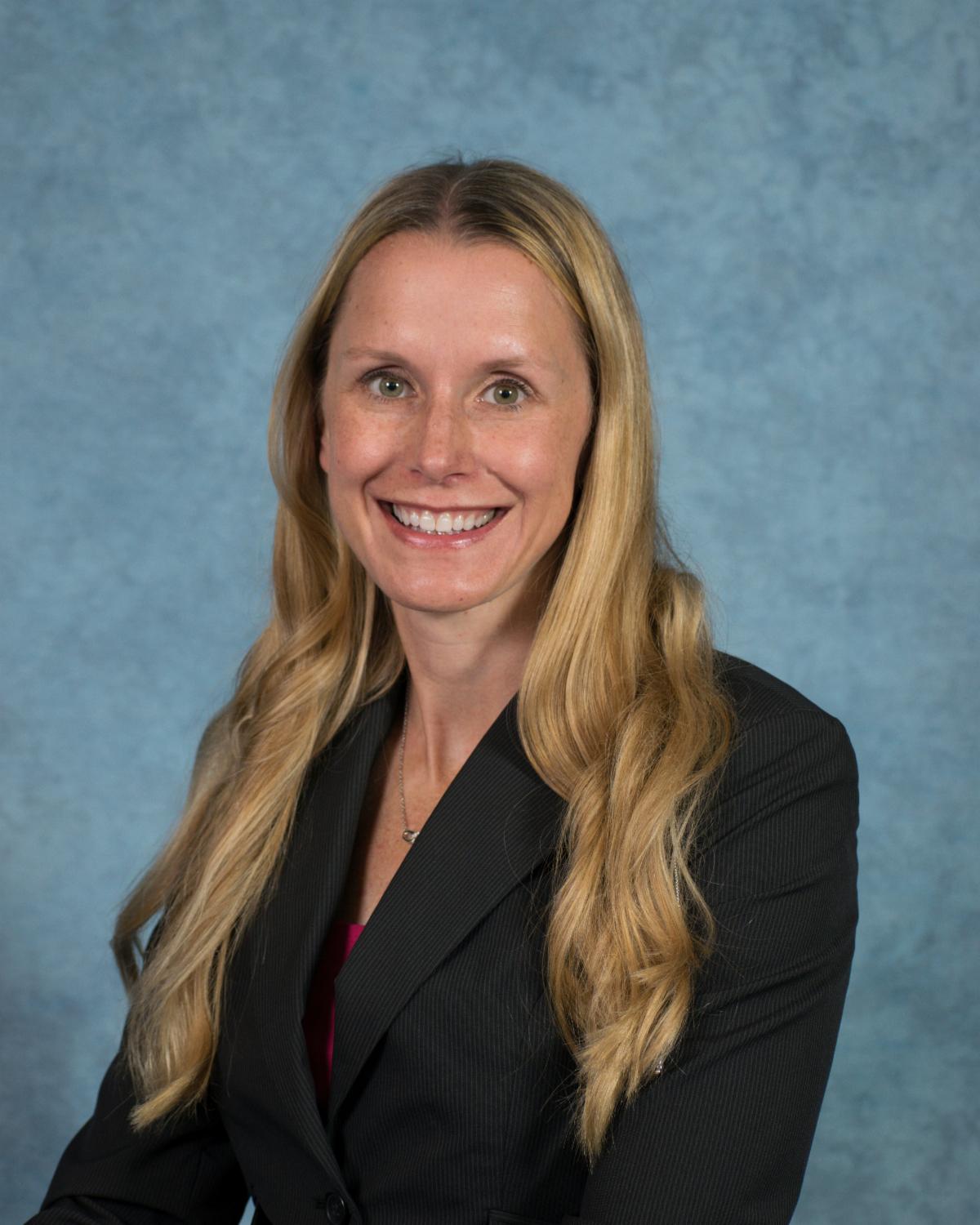
A Message from Leigh Ann Vanausdoll, IOA Executive Director
It is my honor to serve this incredible organization. Gathering for the first time in three years for the annual meeting was inspiring and invigorating. The rich history of the IOA means there will be a lot of memories to share and stories to tell in the coming year.
To celebrate 125 years of the IOA in 2023, we want to hear from YOU on what the IOA means to you. There is plenty of time to look for photos and recall your fondest memories of the IOA. Please use the form below to share your stories.
We look forward to hearing from you. The best is yet to come.
|
A Message from President and Chair Chelsey Moore, OD
It is thrilling for me to serve the IOA during this milestone year. Historically there are many achievements by those who preceded us that helped to make our profession what it is today. Our annual meeting next fall will be one for the record books as we reflect, remember, and celebrate the profession of optometry.
We want to hear your stories and memories from years past, as they are an integral part of our celebration.
|
|
Future Optometric Doctors Program |
|
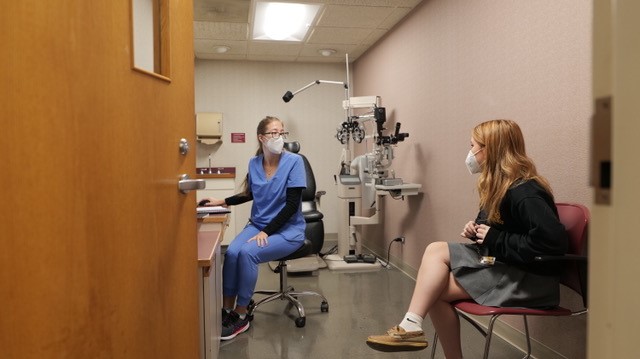
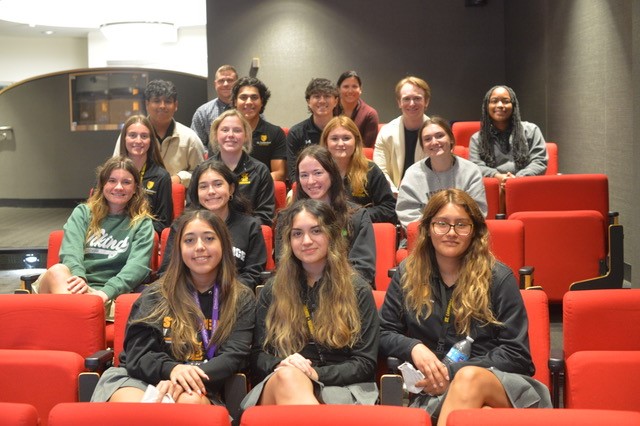
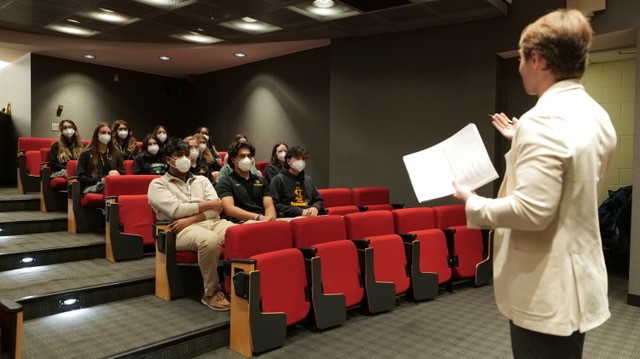
IOA member Dr. Connor Robbs hosted his 2nd Future Optometric Doctors Program at the Illinois College of Optometry. High school students from St. Laurence in Burbank had retinal images taken, shadowed student clinicians in patient care, and took part in a discussion of how optometrists play an integral role in the systemic health of a patient. SVOSH student volunteers at ICO assisted in the program and helped make the program a success.
If any optometrists in the Burbank area would like to give students an employment or shadowing opportunity, please contact Dr. Connor Robbs.
In addition, if any optometrists or staff have a high school that would like to participate in the program, they are encouraged to contact Dr. Connor Robbs at crobbs89@gmail.com.
|
|
Midwestern Optometry Students Earn VSP Vision Diversity Scholarship
Two optometry students at Midwestern University are the first beneficiaries of a generous scholarship from VSP Vision
Khalilah Brooks (CCO 2026) and Rachel Piña (AZCOPT 2026) received the inaugural VSP Vision Diversity Admissions Scholarships. (Midwestern University)
Two optometry students at Midwestern University are the first beneficiaries of a generous scholarship from VSP Vision, the only national not-for-profit vision benefits company and leader in health-focused vision care. Khalilah Brooks of Villa Park, Illinois, attends the Chicago College of Optometry (CCO) on the Downers Grove Campus, and Rachel Piña of San Antonio, Texas, is enrolled at the Arizona College of Optometry (AZCOPT) on the Glendale Campus. They each were awarded a $10,000 VSP Vision Diversity Admissions Scholarship to pursue a Doctor of Optometry (O.D.) degree from Midwestern University.
|
|
Call for Courses - 2023 Annual Meeting
The IOA has opened the Call for Courses for the 2023 Annual Meeting in Schaumburg, IL on September 28-October 1. Lecturers are invited to submit their lecture(s) and workshop courses in the online portal at the link below. All courses must be submitted online by December 16, 2022.
|
|
Optometrist removes 23 contact lenses stuck in woman's eye: 'You're my Guinness Book of Records patient'
In a (literally) eye-watering viral video, one woman has had 23 contact lenses removed from her eye.
In the horrifying TikTok clip, which has now amassed 34.2 million views, an optometrist lifts a woman's eyelid to reveal a clump of old contact lenses molded together at the top of her eyeball, highlighted with green fluid so the optometrist could see them better.
The doctor pulls them out with a cotton swab, counting more than 10 contact lenses before the video stops.
"You're my Guinness Book of Records patient," she quips.
|
|
2022 Medicare Fee Schedules
|
|
Report illegal and unsafe contact lens sales to the FDA & FTC
|
|
Check out the newest IOA classifieds here!
Looking for Fill-in OD Maternity coverage.
Looking for a motivated and energetic OD to join our Tinley Park Target Optical team! l (Read more)
PRACTICE FOR SALE – Chicago Western Suburbs Retiring doctor ready to turn over the keys to well-established private practice (Read more)
|
|
Whether it’s a major announcement like the introduction of a new product/service, an upcoming promotion, or your latest blog post, it’s imperative that you keep your patients in the loop. Thankfully, this is becoming less challenging since you can easily reach your patients through email, newsletters, push notifications onto their mobile devices, or updating your social media channels through tools like MailChimp and Hootsuite.
Keeping your patients updated lets them know more about your business and how you can bring value into their lives.
|
|
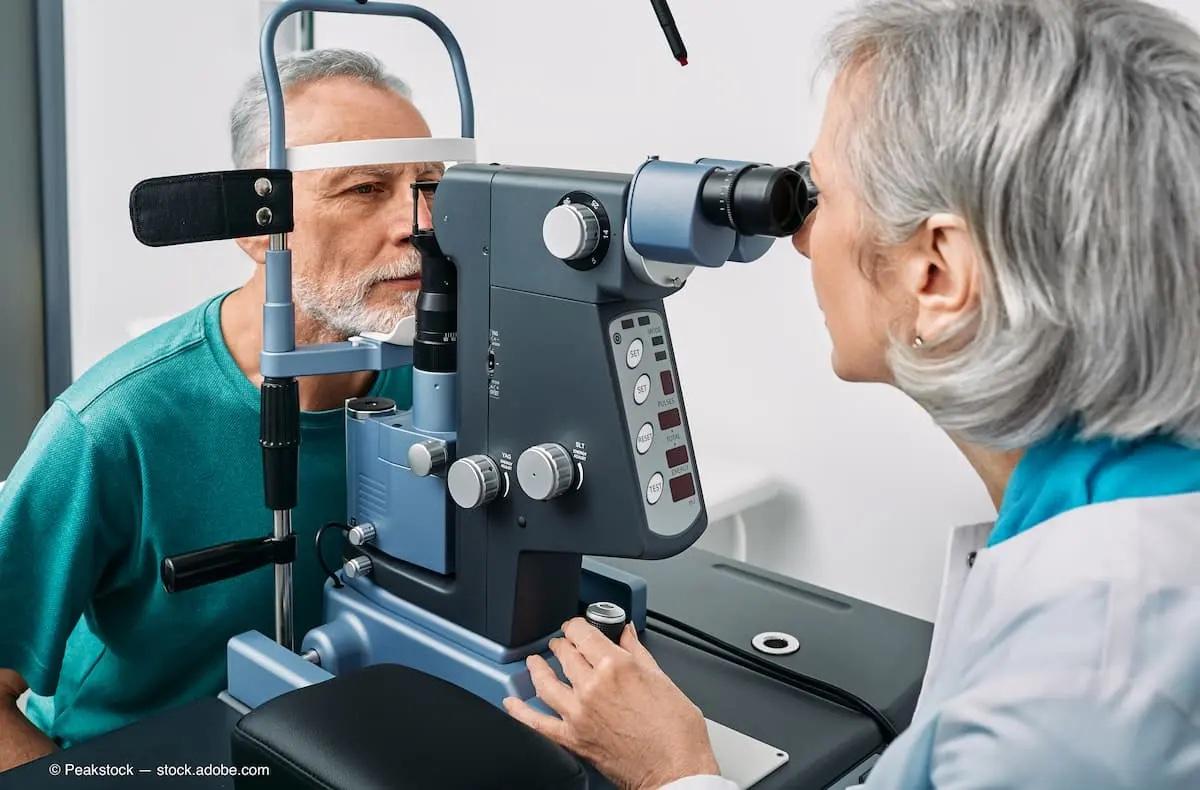
Research Finds Systemic Comorbidities Play Role in Development of Open-angle Glaucoma
October 8, 2022
Spanish researchers pinpointed systemic comorbidities that play an important role in the conversion from ocular hypertension (OHT) to open-angle glaucoma (OAG).1
Beyond intraocular pressure (IOP), risks for development of OAG include advanced age, ethnicity, thin corneas, degree of glaucoma severity, myopia, and family history; low ocular perfusion pressure, cardiovascular/cerebrovascular disease, systemic hypertension/hypotension, diabetes mellitus, and/or hypercholesterolemia are involved in the OAG course.
Carolina Garcia-Villanueva, MD, and associates, from Ophthalmic Research Unit “Santiago Grisolia,” Foundation for Research in Health and Biomedicine, and the Cellular and Molecular Ophthalmobiology Group, Surgery Department, Faculty of Medicine and Odontology, University of Valencia, Valencia, Spain theorized that identifying non-ocular factors possibly affecting progression from OHT to OAG is critical for designing specific interventions for management.
They investigated possible factors involved the conversion of OHT to OAG in Spain and Portugal where the culture and lifestyle differ from other European countries and focused metabolic, cardiovascular, and respiratory diseases; lifestyle characteristics, and habits, i.e., body mass index, coffee/tea intake, alcohol/tobacco use, and psychotropic drug use that may affect development and progression of OAG.
This multicenter case-control study included 412 patients with OHT or OAG (age range, 40-80 years; mean, 62 years). The primary endpoint was the relationship between specific lifestyle habits; anthropometric and endocrine–metabolic, cardiovascular, and respiratory events; and commonly used psychochemicals, they described.
|
|
Illinois' Newest Top Health Official Makes First Stop in the Metro East
"As the director of the entire state, it's been one of my goals to visit as many public health departments as possible."
Author: Justina Coronel (KSDK)
EAST ST. LOUIS, Ill — Dr. Sameer Vohra became the director of Illinois' Department of Public Health in August.
His biggest message? Get the latest COVID-19 vaccine and the flu shot.
"As the director of the entire state, it's been one of my goals to visit as many public health departments as possible," he said 5 On Your Side.
The clinic's supervisor of nursing, Angela Clark is proud of the recognition.
"We're small in number but mighty in force," Clark says. She knows it takes a village to get their message out.
Dr. Vohra is trying to prevent the spread of COVID-19 and the flu.
Right now, the CDC reports about 4% of people eligible for a shot have received the COVID booster.
The data does not include people who received updated Pfizer-BioNTech boosters in Idaho and Texas, so it is likely an underestimate, the CDC says.
Dr. Vohra understands the fatigue.
"I know all of us don't want to think about COVID," he said.
A struggle Clark's department faces too.
"More of our older generation is getting [vaccinated]," Clark said. "It's the younger generation that we have to capture. Reaching that younger community and letting them know it starts with you."
However, the US has still seen an uptick in demand.
According to NBC News, the U.S. is currently administering around 356,000 COVID vaccine doses per day, as a weekly average. That's more than triple the number from the start of the month.
In the Land of Lincoln, the Illinois health department says, daily vaccination numbers are at the highest level seen since early February with the Omicron surge.
Since the Metro East is not at high risk right now, Dr. Vohra is pushing for prevention.
"When winter season comes back in, we're going back indoors and we know that the time for respiratory viruses like COVID to spread. This is the best time to get the bivalent booster," Dr. Vohra said.
So much so, Dr. Vohra rolled up his own sleeve along with State Senator Christopher Belt (D-Swansea).
"In that 10-15 minutes, you can get very protected for two diseases that can cause bad sicknesses," he said.
The CDC recommends everyone over the age of 12 get an updated booster, as long as two months have passed since their last COVID shot.
|
|
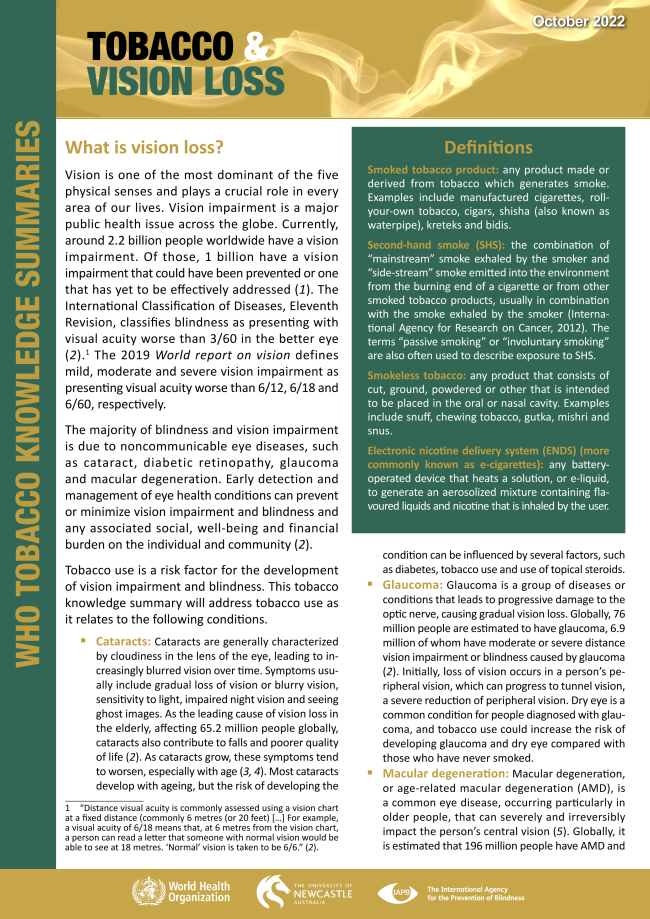
The World Health Organization Releases its Summary on Tobacco and Vision Loss
This document is the fifth in a series of Tobacco Knowledge Summaries. This document is prepared with the objective to summarize the current evidence on the association between tobacco use and vision loss. This is also intended as an advocacy tool to widely include health care professionals, in particular ophthalmologists, optometrists and other eye care specialists, in the fight for tobacco control and prevention of tobacco related adverse health effects.
|
|
Biden Administration Extends COVID-19 Public Health Emergency Through January 11
The AP (10/13, Seitz) reports the Biden Administration on Thursday “said...that the COVID-19 public health emergency will continue through Jan. 11 as officials brace for a spike in cases this winter.” The Administration “said it would provide 60 days' notice before it ends the public health emergency.”
|
|
3D Map Reveals DNA Organization Within Human Retina Cells
NIH scientists shed light on how genetic architecture determines gene expression, tissue-specific function, and disease phenotype in blinding diseases.
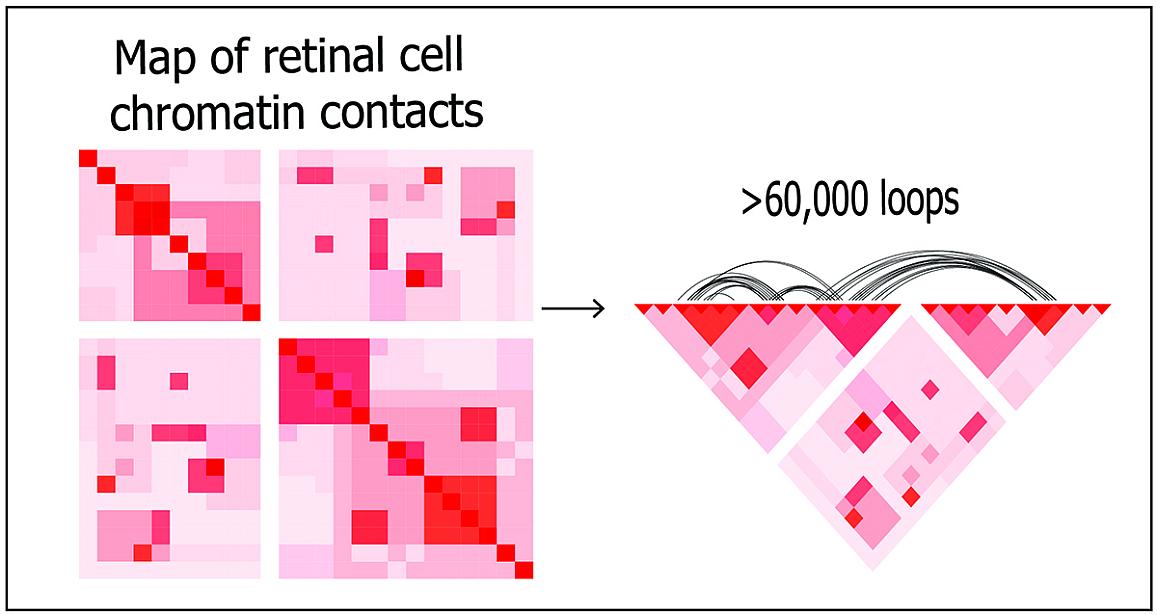
National Eye Institute researchers mapped the organization of human retinal cell chromatin, the fibers that package 3 billion nucleotide-long DNA molecules into compact structures that fit into chromosomes within each cell’s nucleus. The resulting comprehensive gene regulatory network provides insights into regulation of gene expression in general, and in retinal function, in both rare and common eye diseases. The study published in Nature Communications.
“This is the first detailed integration of retinal regulatory genome topology with genetic variants associated with age-related macular degeneration (AMD) and glaucoma, two leading causes of vision loss and blindness,” said the study’s lead investigator, Anand Swaroop, Ph.D., senior investigator and chief of the Neurobiology Neurodegeneration and Repair Laboratory at the NEI, part of the National Institutes of Health.
Adult human retinal cells are highly specialized sensory neurons that do not divide, and are therefore relatively stable for exploring how the chromatin’s three-dimensional structure contributes to the expression of genetic information.
Chromatin fibers package long strands of DNA, which are spooled around histone proteins and then repeatedly looped to form highly compact structures. All those loops create multiple contact points where genetic sequences that code for proteins interact with gene regulatory sequences, such as super enhancers, promoters, and transcription factors.
Such non-coding sequences were long considered “junk DNA.” But more advanced studies demonstrate ways these sequences control which genes get transcribed and when, shedding light on the specific mechanisms by which non-coding regulatory elements exert control even when their location on a DNA strand is remote from the genes they regulate.
Using deep Hi-C sequencing, a tool used for studying 3D genome organization, the researchers created a high-resolution map that included 704 million contact points within retinal cell chromatin. Maps were constructed using post-mortem retinal samples from four human donors.
The researchers then integrated that chromatin topology map with datasets on retinal genes and regulatory elements. What emerged was a dynamic picture of interactions within chromatin over time, including gene activity hot spots and areas with varying degrees of insulation from other regions of DNA.
They found distinct patterns of interaction at retinal genes suggesting how chromatin’s 3D organization plays an important role in tissue-specific gene regulation.
“Having such a high-resolution picture of genomic architecture will continue to provide insights into the genetic control of tissue-specific functions,” Swaroop said.
Furthermore, similarities between mice and human chromatin organization suggest conservation across species, underscoring the relevance of chromatin organizational patterns for retinal gene regulation. More than a third (35.7%) of gene pairs interacting through a chromatin loop in mice also did so in human retina.
The researchers integrated the chromatin topology map with data on genetic variants identified from genome-wide association studies for their involvement in AMD and glaucoma, two leading causes of vision loss and blindness. The findings point to specific candidate causal genes involved in those diseases.
The integrated genome regulatory map will also assist in evaluating genes associated with other common retina-associated diseases such as diabetic retinopathy, determining missing heritability and understanding genotype-phenotype correlations in inherited retinal and macular diseases.
The study was supported by the NEI Intramural Research Program, grants ZIAEY000450 and ZIAEY000546.
|
|
Walmart to Recruit Clinical Trial Participants, Competing with CVS and Walgreens
Walmart said Tuesday it will begin helping pharmaceutical companies, clinical research organizations and academic medical centers recruit people for clinical research trials.
Its Walmart Healthcare Research Institute will focus on recruiting older adults, rural residents and minority populations for clinical trials and studies on treatments for chronic conditions.
The move puts Walmart in direct competition with Walgreens and CVS Health Group, both of which recently launched clinical trial units and are trying to engage with more diverse populations.
|
|
THANK YOU TO OUR INDUSTRY PARTNERS! |
|
|
|
|
|
|