https://files.constantcontact.com/224bdf21201/6c9745e5-6344-475d-bfe6-79ab7cbe3046.jpg?rdr=true
Science Take-Out kits are ready-to-go
with no prep and no lab equipment required. 
Convenient, engaging, and cost-effective!

Explore One Health With Science Take-Out


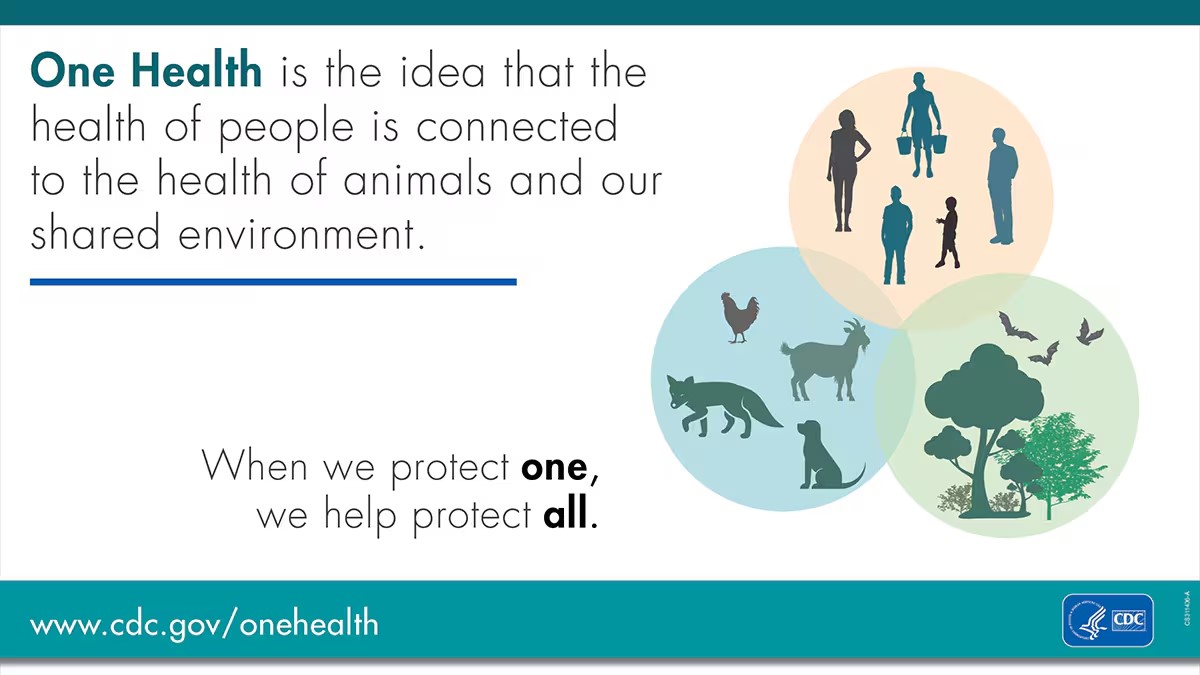
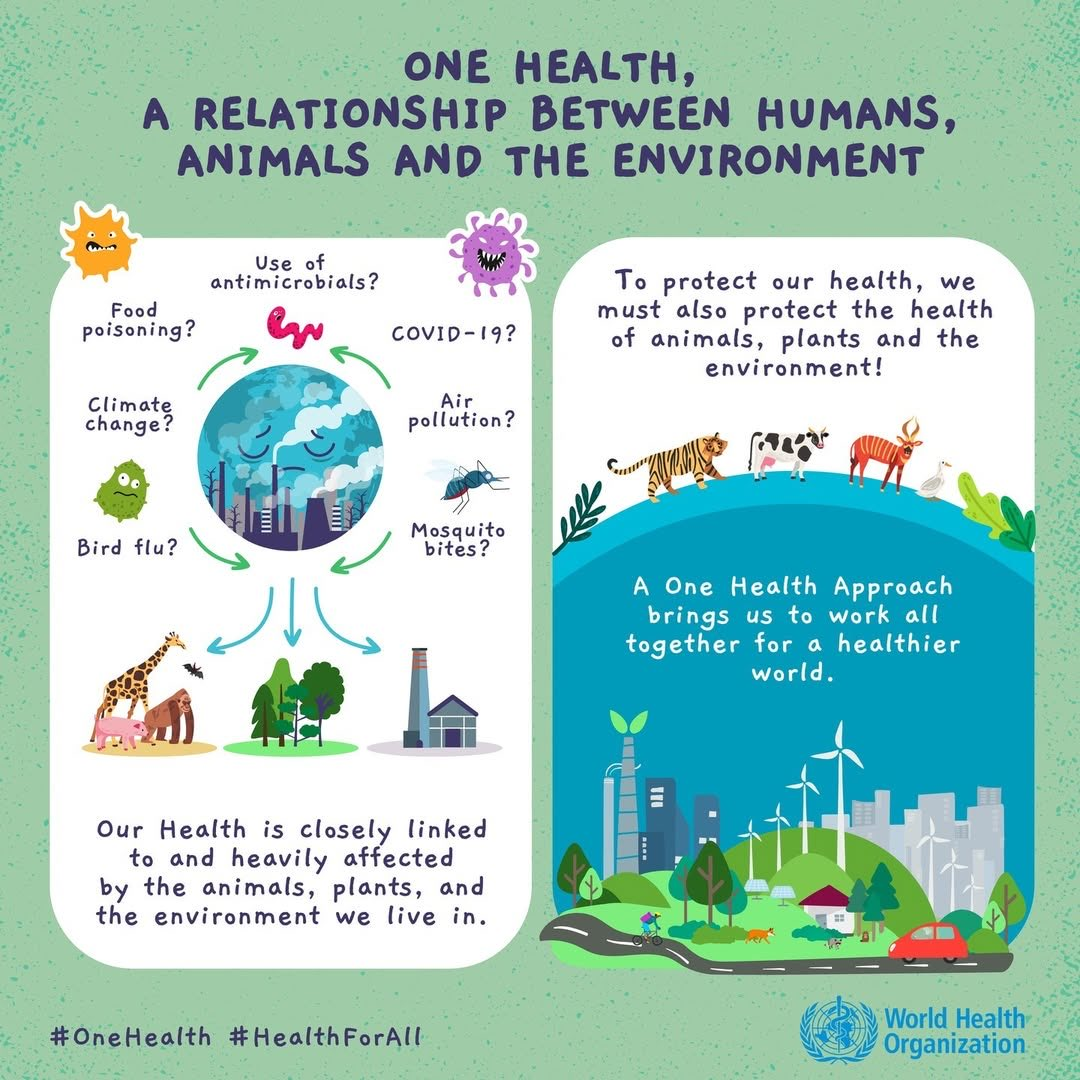
One Health is the concept that people, animals, and the environment are interconnected, therefore the health of one can affect the health of the others. One Health brings together experts from human medicine, veterinary care, and environmental science, working at the local, regional, national, and global levels to prevent diseases and ensure a safe food supply.


Why does One Health matter? A One Health approach protects the health of all life on our planet – people, animals, and plants.


  • Control of infectious diseases: About 75% of all new or emerging infectious diseases in humans originate from animals.


  • Protection against antimicrobial resistance: Overuse of antibiotics in both human medicine and agriculture creates antibiotic-resistant "superbugs".


  • Reduced impacts on the environment: Pollution, climate change, and deforestation force wildlife into closer contact with human populations, which increases zoonotic diseases.


  • Food safety and security: Contaminated soil and water can negatively impact livestock, crops, and human health.


Science Take-Out has a variety of kits for students to learn about One Health and the collaborative work of professionals in human health, animal health, and environmental scientists. We highlight five of our One Health kits below. The kits use hands-on activities and real-life scenarios to address a wide range of biology and health science concepts and Next Generation Science Standards.


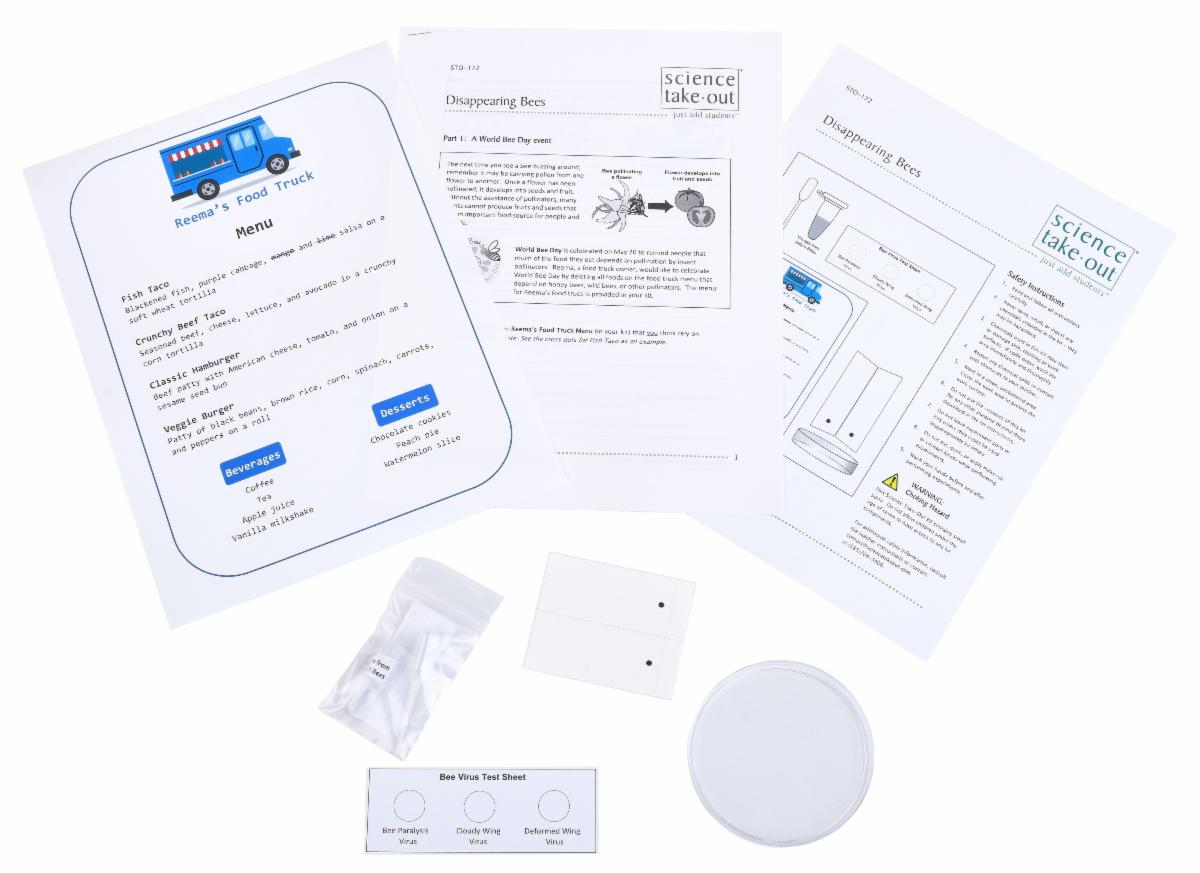
Disappearing Bees


Why are the bees dying?

  • Explore how the loss of bee populations will affect your food supply.
  • Use simulated lab tests and data from scientific research to identify possible reasons for the decline of honey bee populations.
  • Explore actions that could be taken to protect insect pollinators.
 

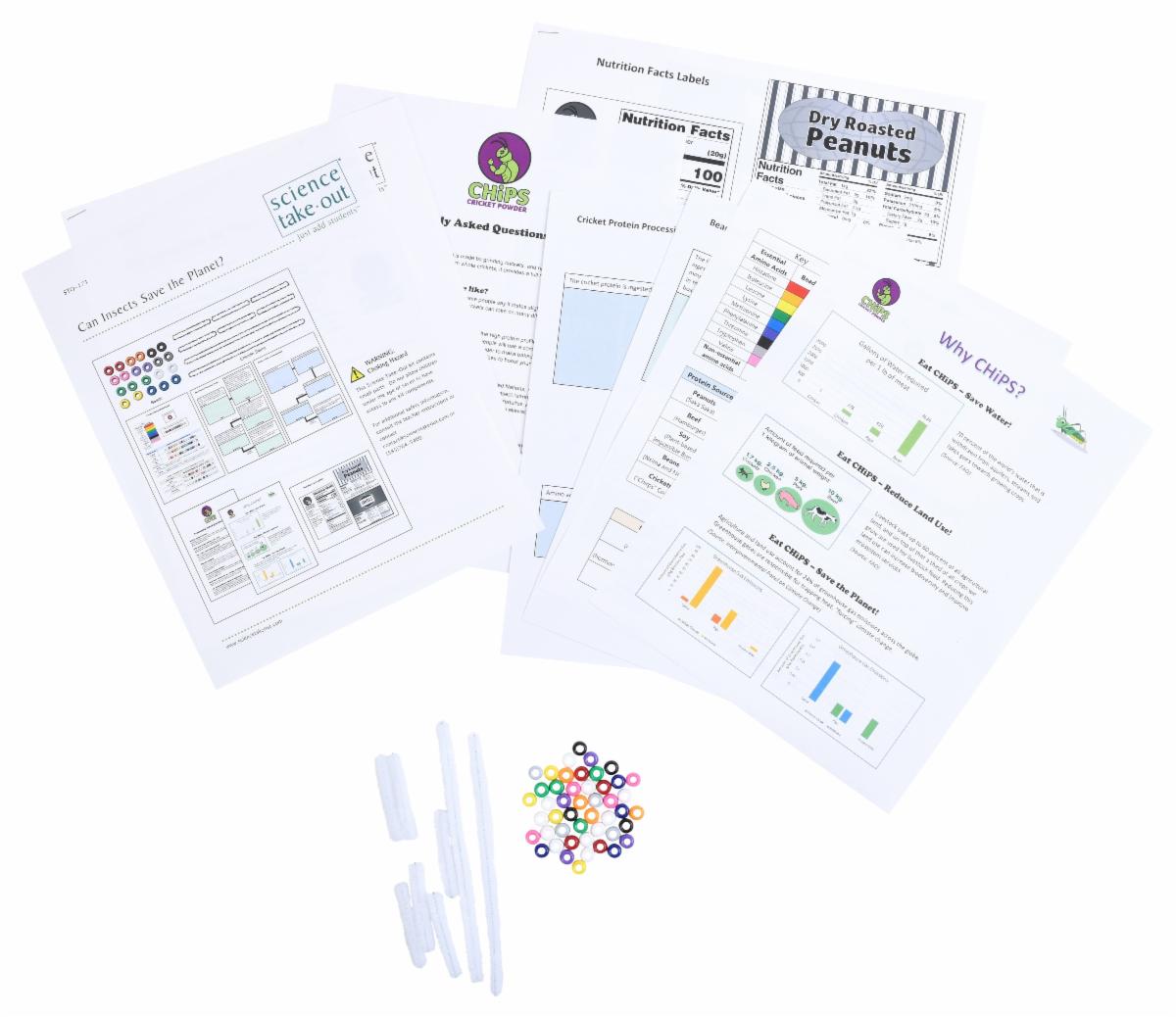
Can Insects Save the Planet?


Follow the story of two college roommates as they explore possible protein sources in their diets.

  • Evaluate different types of food protein sources and learn why protein sources are not all equal in value.
  • Learn why a lack of essential amino acids can lead to malnutrition.
  • Create and use models to simulate how proteins are processed in the body.
  • Explore why cricket protein may be a valuable protein source for human health and for the health of the environment.

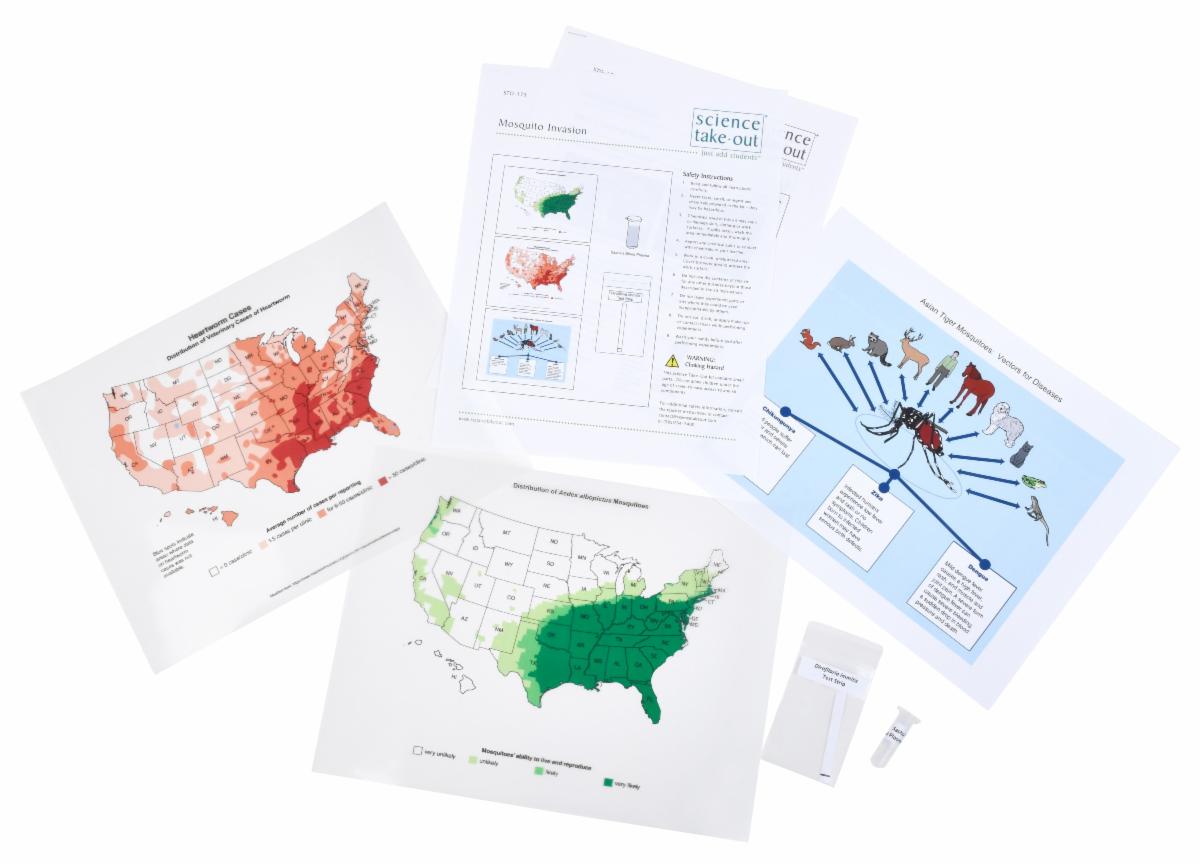
Mosquito Invasion


Why are invasive mosquitoes spreading and causing diseases?

  • Learn about diseases that are transmitted by mosquitoes.
  • Analyze data about an invasive species of mosquito whose range is expanding.
  • Explore how climate change can lead to the increase of mosquito-borne diseases.
  • Investigate what individuals and communities can do to control mosquitoes and prevent outbreaks of diseases that they carry.
 

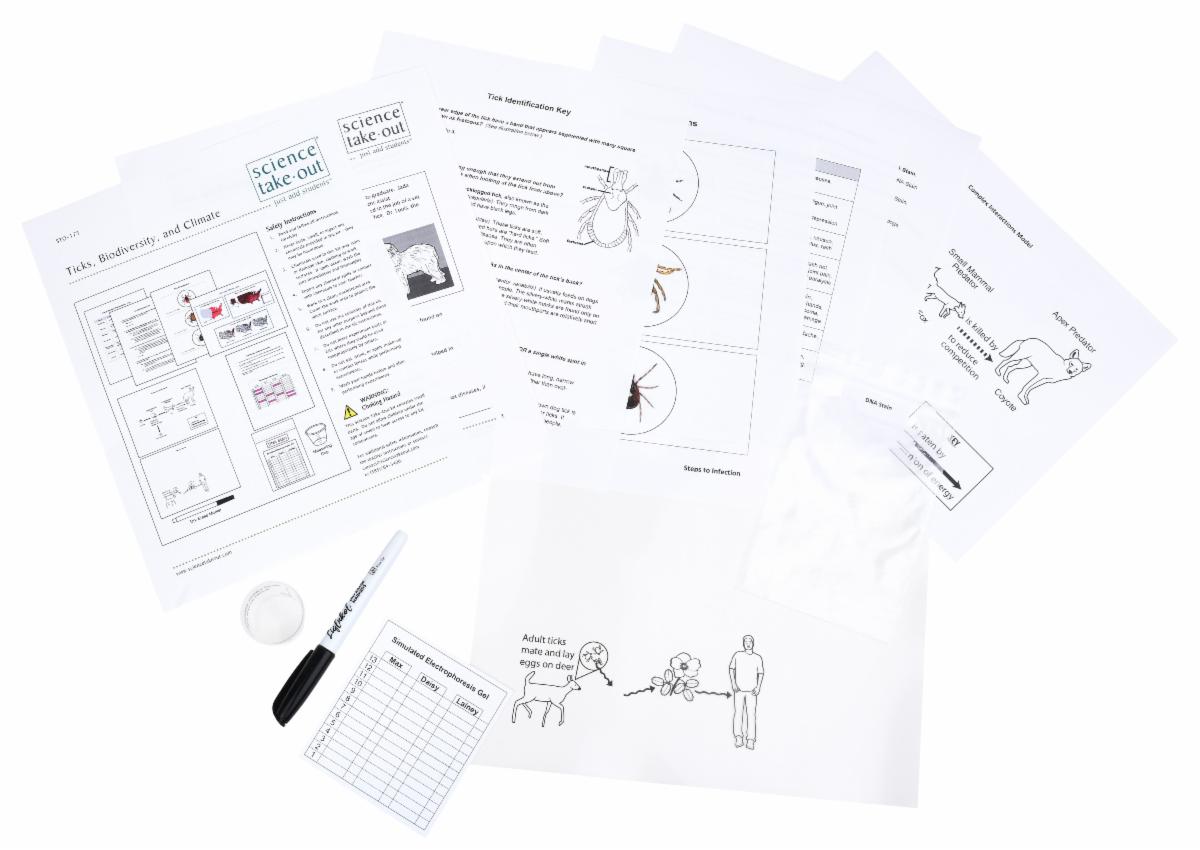
Ticks, Biodiversity, and Climate


Follow a real-life scenario to investigate why tick-borne diseases are on the rise.

  • Identify ticks found on three dogs and determine what diseases these types of ticks can transmit to humans.
  • Perform simulated DNA electrophoresis to investigate tick pathogens.
  • Analyze data on tick-borne diseases, tick distribution, and climate to explain the increase in tick-borne diseases.
  • Use a model to explore how biodiversity and interactions in the ecosystem are involved in the pattern of tick-borne diseases.
 

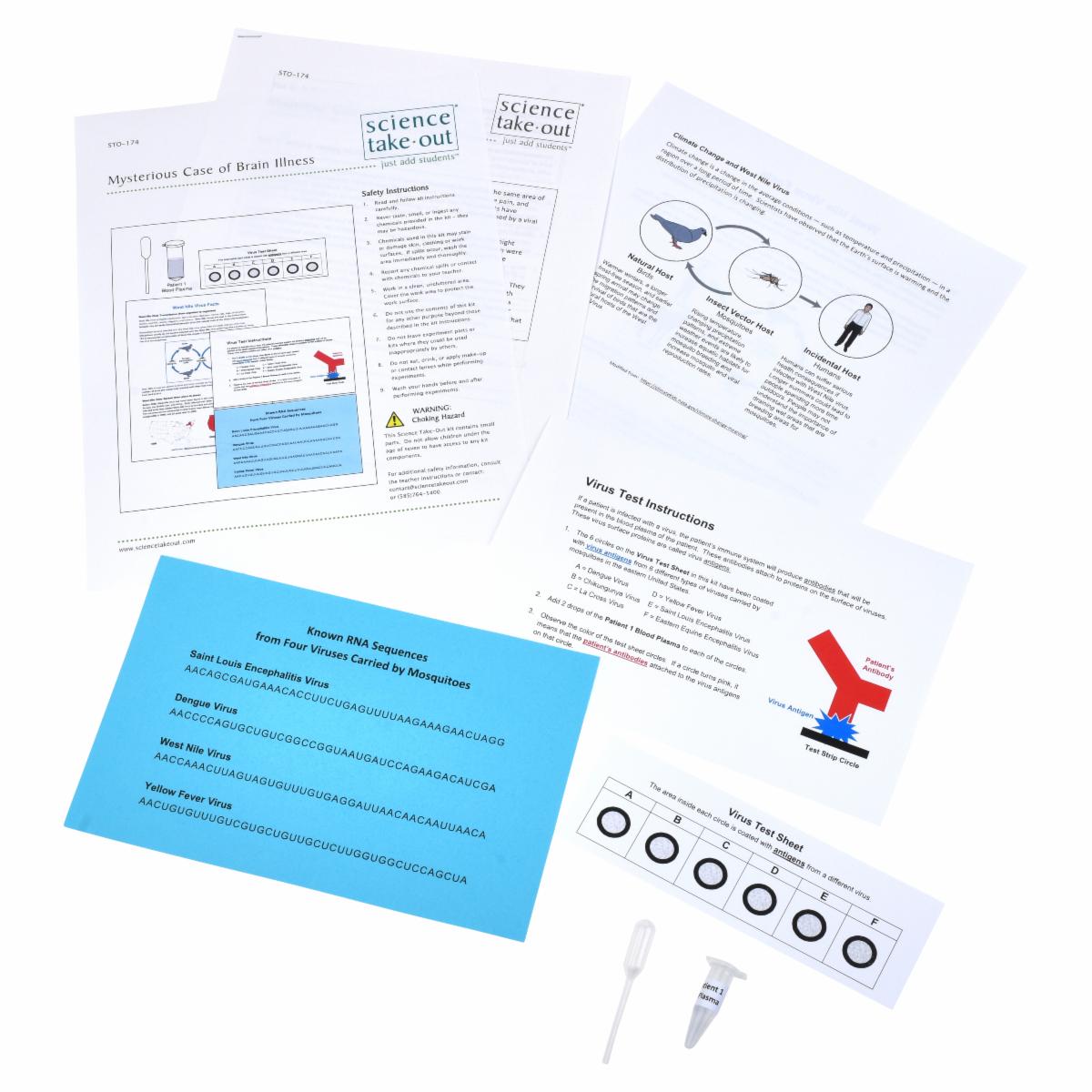
Mysterious Case of Brain Illness


Follow the real-life case of an outbreak of encephalitis (a brain illness) in a New York City neighborhood.

  • Conduct simulated testing of patient antibodies to identify what type of virus is causing the illness.
  • Analyze simulated RNA sequences from viruses to determine if there is a link between bird deaths and the encephalitis outbreak.
  • Learn how West Nile virus is transmitted and spread.
  • Explore how climate change may affect mosquito populations and the health of humans.
 
Facebook  X  Instagram  Bluesky  LinkedIn
Science Take-Out | (800) 943-1962 | www.sciencetakeout.com