|
The new EPA regulations force the Denka (formerly DuPont) neoprene facility in St. John Parish and other petrochemical plants to reduce chloroprene emissions by 80 percent. Overall, the required reductions include 6,200 tons of chloroprene, ethylene oxide and other toxic air emissions each year, which are expected to lower cancer risks in fenceline communities. The significantly lower emission requirements would also apply to Formosa if it pursues renewals of air permits next year. Communities and the public will have access to data from new fenceline air monitoring imposed by the EPA rule which establishes action levels for robust environmental enforcement.
Under the Clean Air Act, EPA established new HON regulations requiring significant reductions of chloroprene, ethylene oxide, and volatile organic compounds. HON stands for Hazardous Organic NESHAP, and NESHAP stands for National Emission Standards for Hazardous Air Pollutants.
Long-term exposure to ethylene oxide and chloroprene can increase the risk of certain types of cancer, such as lymphoma, leukemia, breast cancer, and liver cancer. EPA expects the rule to better protect children, who are more exposed and more susceptible to the effects of these toxic chemicals.
The EPA announcement follows the EPA’s Journey to Justice in Louisiana that brought Administrator Regan to communities in St. John Parish and St. James Parish, where he promised to hold polluting industries accountable for their actions in overburdened communities.
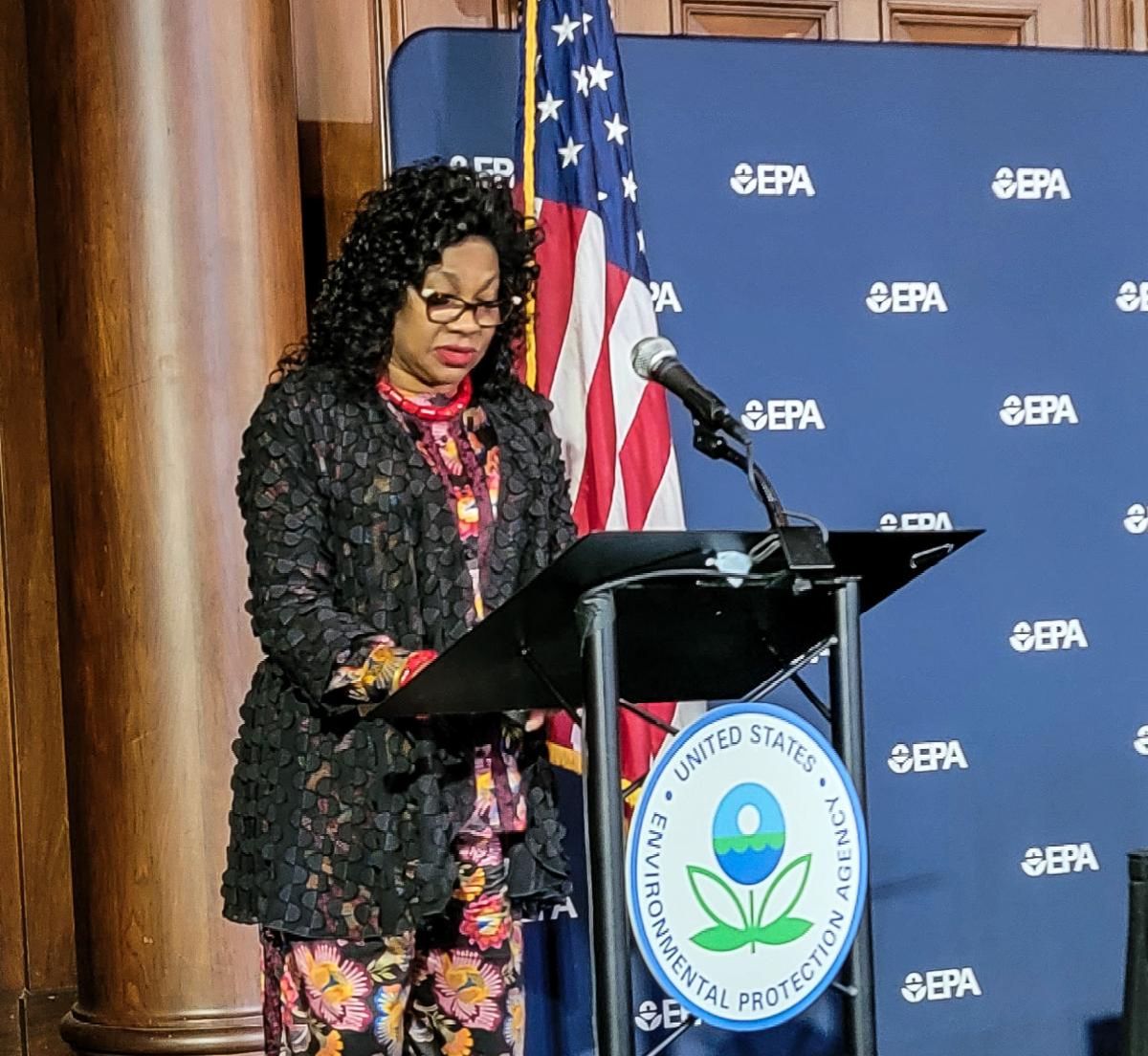
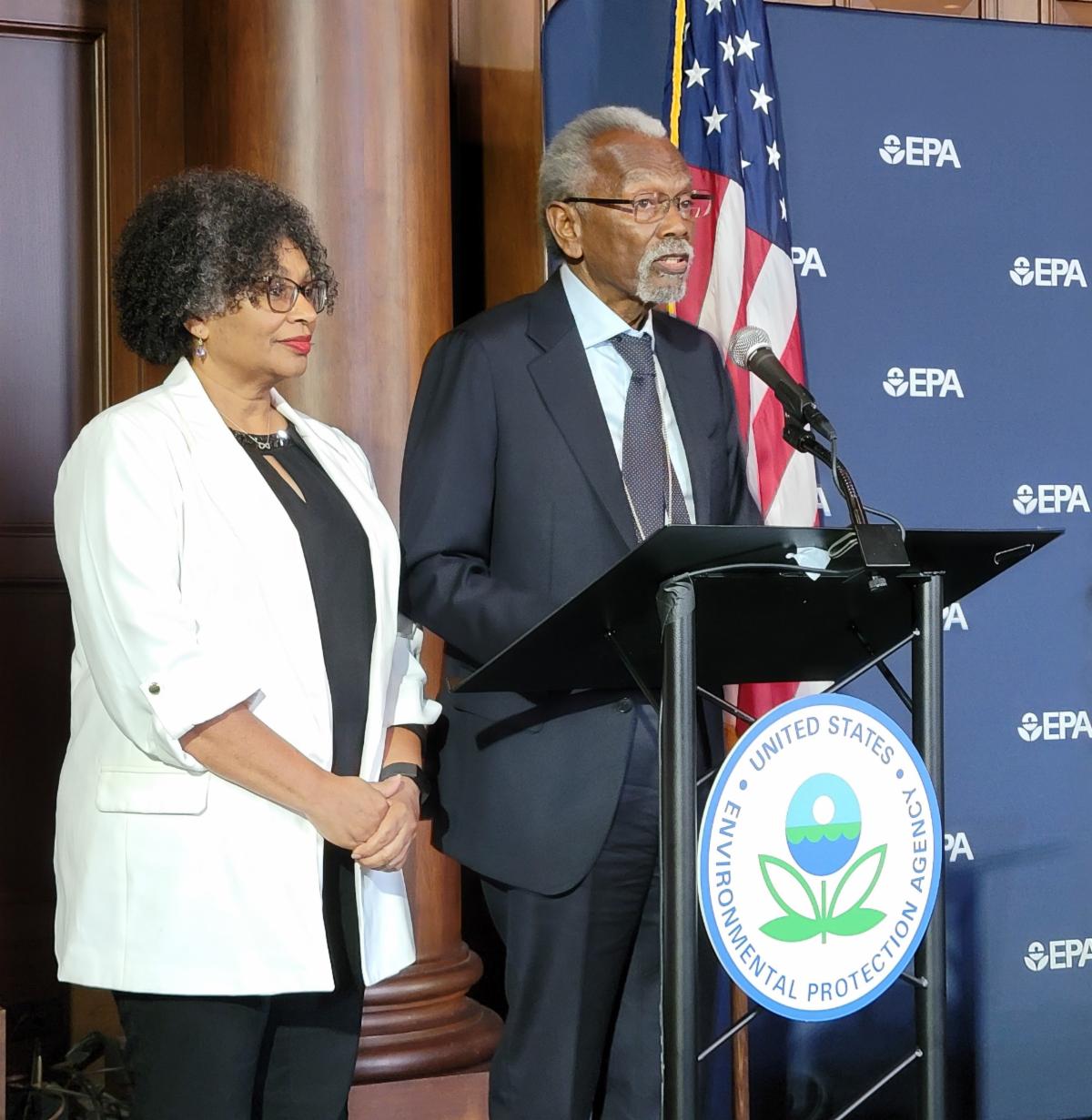
“For decades, regulating agencies have completely abdicated their responsibility to the communities they are supposed to protect,” said Dr. Wright. “Unfortunately, that meant generations of families losing loved ones to cancer. Administrator Regan promised community members that he would take action and today is a major step in fulfilling that promise. There is no doubt that the EPA’s HON rule will save lives.”
Read Dr. Wright’s Official Statement
Read the EPA Press Release
Watch the EPA Press Conference
|