🌞 Sun, Skin, and Scanning: Summer UV Safety & Laser Compliance


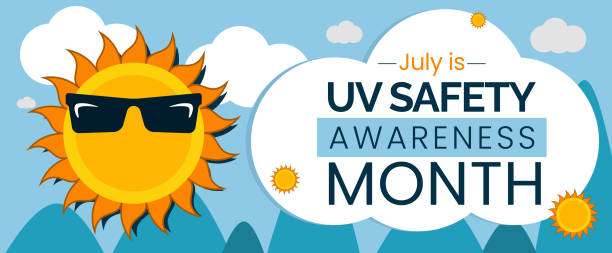
— July is UV Safety Month – Are You Protecting Your Team Year-Round? —

As we embrace longer days and brighter skies, July serves as a timely reminder of the importance of skin and eye protection—especially for those working in environments where UV exposure and laser hazards are present.


From medical aesthetics and surgical suites, to research labs and manufacturing floors, UV and laser safety is more than a seasonal concern—it’s a year-round compliance obligation.

⚠️ Why This Matters:

  • UV exposure in healthcare and lab settings can increase risk for eye and skin injury.
  • Class 3B and Class 4 lasers pose serious hazards if safety protocols aren't followed.
  • Many facilities overlook indirect exposures—especially from poorly labeled or improperly housed equipment.


✅ What You Should Do Now:

To stay compliant with the updated rules:


  • Review your Laser Safety Program (LSP) and ensure it meets ANSI Z136 standards
  • Reevaluate PPE use and signage near Class 3B/4 laser systems
  • Confirm staff training is up-to-date, especially for new or rotating personnel
  • Schedule a mid-year compliance check or gap assessment

👩‍⚕️ How We Can Help:

At Carolina Safety & Health Consultants, we offer:


✔️ Laser Safety Training & Evaluations


✔️ Laser Program Documentation Reviews (ANSI Z136 Compliance)


✔️ Radiation Protection Plan Updates (RPPs)


✔️ RSO Support & Mid-Year Compliance Checkups


☀️ Bonus Tip:

  • Label and store protective eyewear properly. UV and laser damage can build up over time, often with no visible signs. Regularly inspect for cracks, scratches, or warping, as even minor flaws can reduce protection during high-risk procedures.

🔍 Regulatory Reminder:


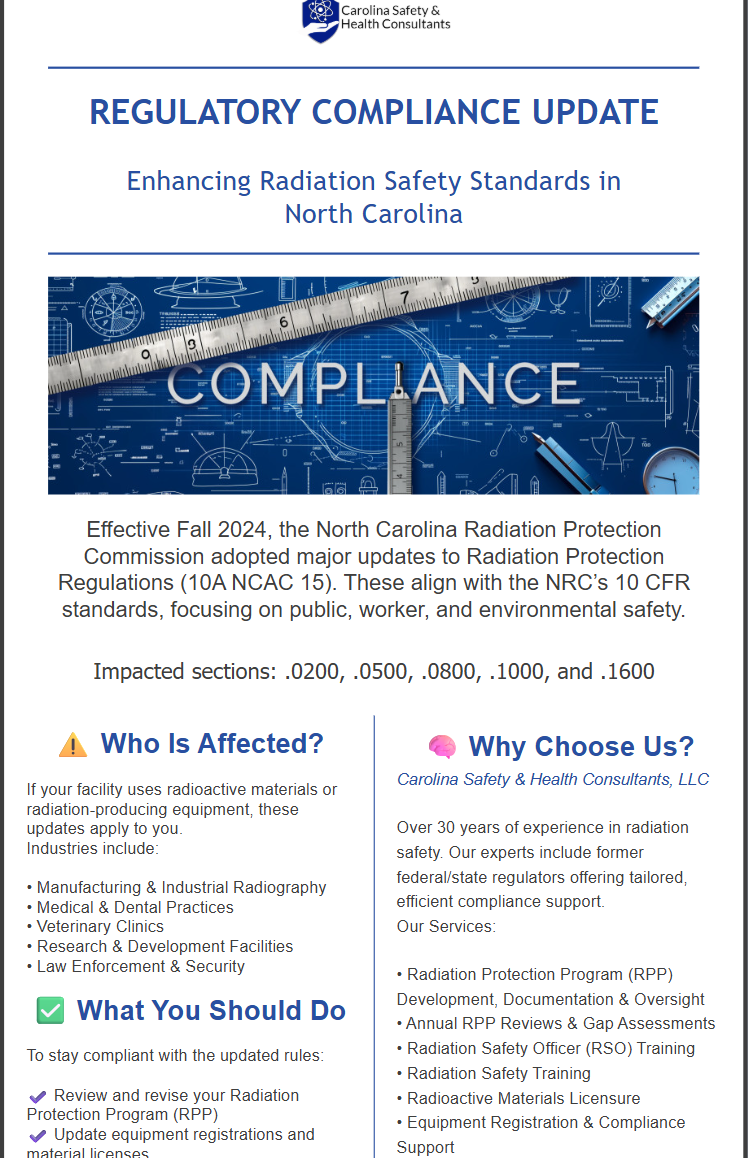
North Carolina’s Radiation Protection Commission adopted major regulatory updates in Fall 2024, including changes that affect non-ionizing radiation devices like lasers.


📌 Don’t Miss This:


Sections .0200, .0500, .0800, .1000, and .1600 of 10A NCAC 15 were updated to align with NRC’s 10 CFR standards—impacting both ionizing and non-ionizing safety expectations.

📞 Questions about how the new regulations impact your lab, clinic, or facility?


Reach out to us at office@carolinasafety.com to schedule a quick consult.


🌐 Visit: www.carolinasafety.com

Let's get in touch! Check us out on social media!

Facebook  Instagram  LinkedIn  YouTube