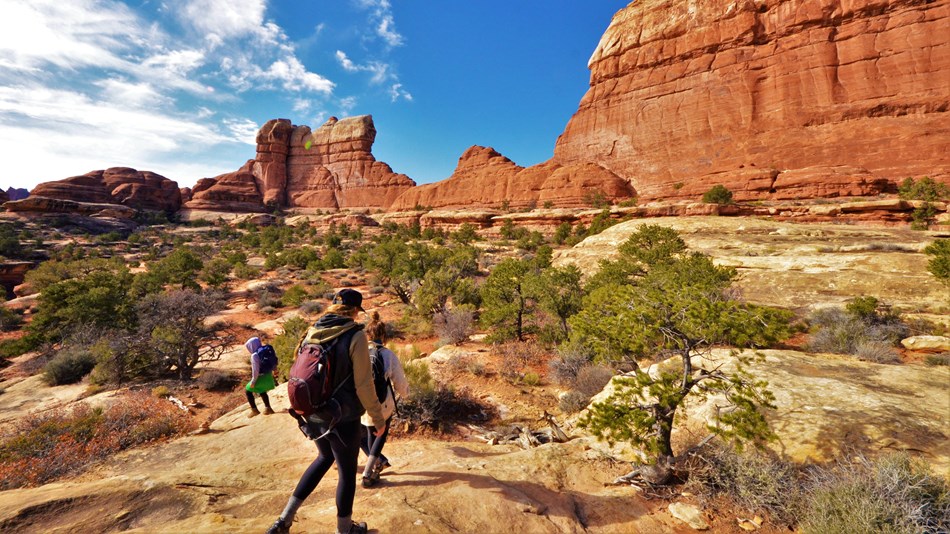
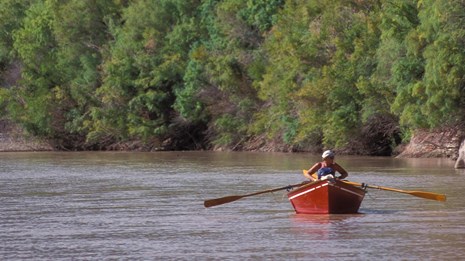
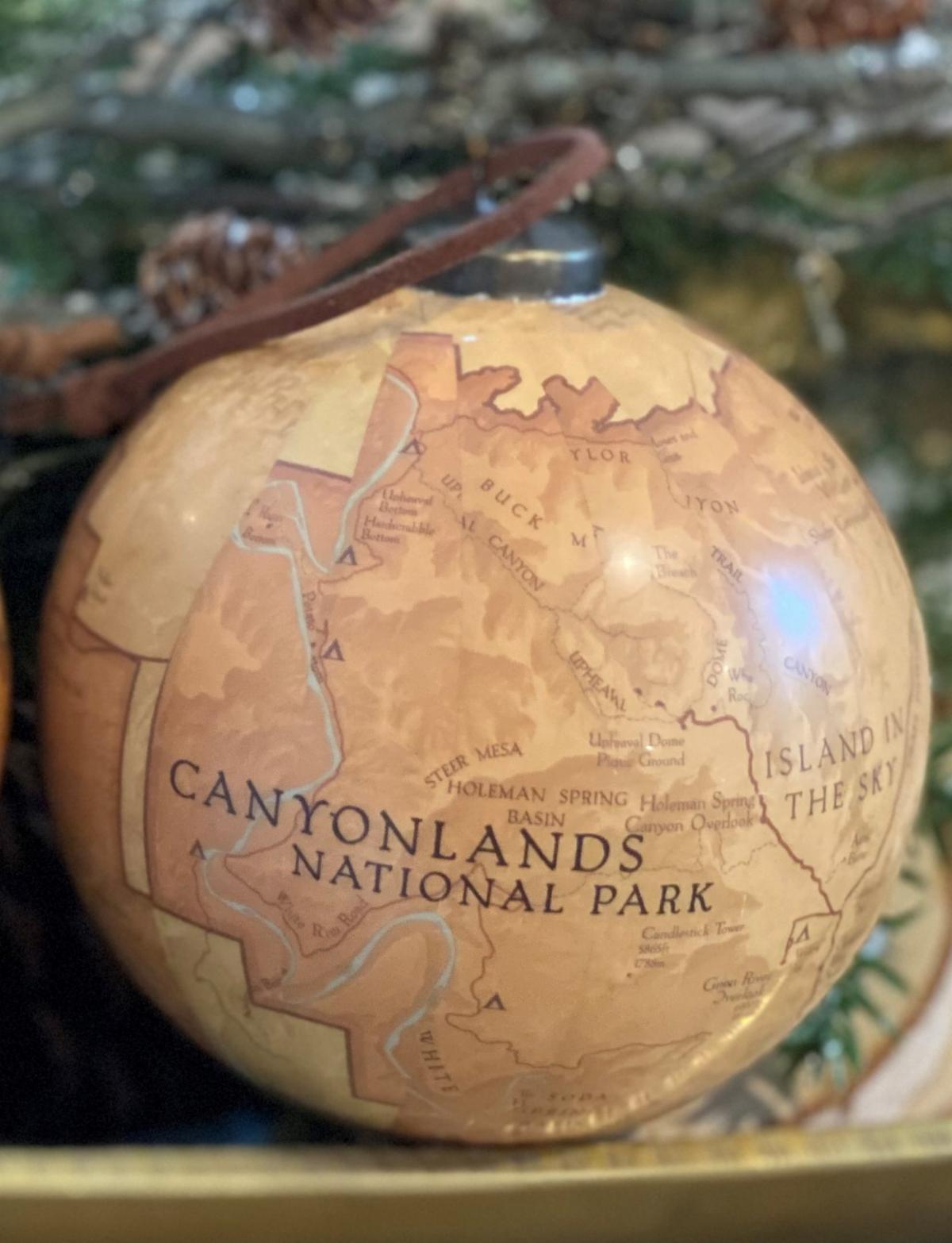
Ticket and permit fees provide critical funding for backcountry programs, facility maintenance and ranger-led tours. In addition, this funding helps maintain over 150 miles of backcountry roads, more than 100 miles of trails, 67 backcountry campsites, and multiple boats used for river patrols and emergency response. Fees also support staff who provide information on the backcountry and rivers in-person, online, by email and telephone; engage in preventative search and rescue; monitor backcountry resource conditions; and manage permit reservations to maximize availability of campsites and permits. Together, these efforts help ensure backcountry resources and visitor experiences are protected.
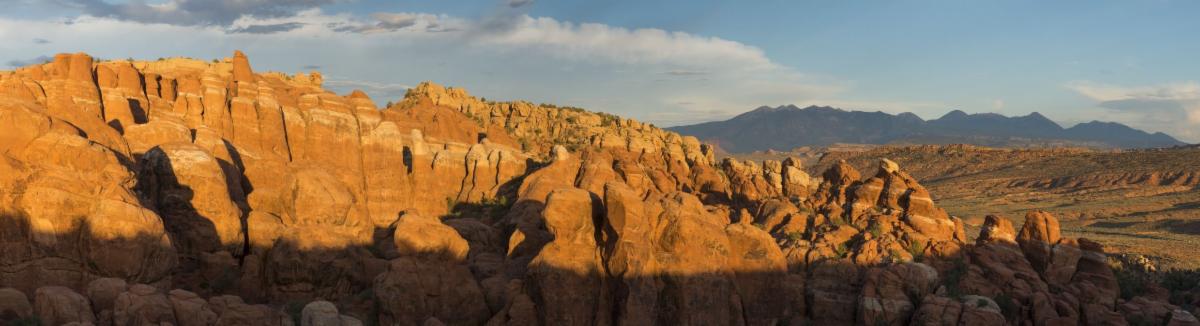
Beginning November 10, 2021, the cost of Fiery Furnace tickets in Arches and backcountry and river permits in Canyonlands will increase to help fund essential maintenance projects and staffing at the parks.
Arches:
Self-guided Fiery Furnace tickets will be $10 per person.
Ranger-led Fiery Furnace tickets prices will be $16 per person.
Canyonlands:
Backcountry permits will now require a $5 per person per night fee in addition to the $36 reservation fee.
River permits will require a $25 per person fee (an increase of $5) in addition to the $36 reservation fee.
Self-guided Fiery Furnace ticket fees have not increased since 1999, and ranger-led ticket fees have not increased since the early 2000s. Ticket fees go directly toward the cost of providing ranger-led and self-guided Fiery Furnace tours at the park. Backcountry fees in Canyonlands have not increased since 2011. Canyonlands has seen a 34% increase in overnight backcountry use and a 60% increase in overall park visitation since 2013, which has created the need for additional maintenance work and staffing. In spring of 2021, the NPS solicited comments on these fee increases during a 30-day public comment period. The comments received demonstrated public support for the change.
Fiery Furnace permits are currently available 7 days in advance on www.recreation.gov. Canyonlands backcountry permits for March 10 – June 9, 2022 will be available 8 a.m. MST November 10 and river permits for April 14 – October 15, 2022 will be available 8 a.m. MST December 14 on www.recreation.gov.
|
|
Holiday Tree Permits Available from the BLM |
|
On Nov. 1, 2021, the Bureau of Land Management (BLM) will begin offering non-commercial holiday tree permits to cut pinyon pine, juniper, and fir trees in Utah. Permits will be available for purchase online anytime and in-person during regular business hours, excluding federal holidays.
The BLM strongly recommends that the public purchase permits online at the forest products permit website https://forestproducts.blm.gov. If individuals need to obtain permits in person, please check office hours in advance which can be found here.
Please keep safety in mind when participating in this exciting holiday tradition! Early season cutting is advised as winter weather conditions in the mountains are unpredictable. Be prepared for slick, snow-packed roads and carry chains. The BLM recommends using a four-wheel drive vehicle or snow machine in many locations. Stay on designated roads and trails, and respect private property boundaries. Let someone know where you are planning to go and the approximate time you will return. Remember to carry a cell phone, bring additional warm clothing, gloves, boots, a container of hot liquid, water, and a lunch or snack. Carry a flashlight, shovel, first-aid kit, matches, axe or handsaw, and a rope to secure your tree. If you are unsure which BLM office to contact, please use BLM Utah’s administrative boundary map: https://go.usa.gov/xeqwc. Additional information about BLM Utah tree permits, and any updates, are available online at: www.blm.gov/utah/tree-permits.
Canyon Country District
Moab Field Office (82 East Dogwood Moab, UT 84532)
Cost: $10 each with a limit of two per household
Type: Pinyon Pine
For more information: Call (435) 259-2100
Monticello Field Office (365 North Main, Monticello, UT 84535)
Cost: $10 each with a limit of two per household
Type: Pinyon Pine and Juniper
For more information: Call (435) 587-1500
Green River District
Price Field Office (125 South 600 West, Price, UT 84501)
Cost: $10 each with a limit of five per household
Type: Pinyon Pine and Juniper
For more information: Call (435) 636-3600
|
|
Public scoping begins on resource management plan amendments for the Moab, Price, and Vernal Field Offices |
The Bureau of Land Management invites the public to begin involvement in amendments to three resource management plans to implement new wilderness, national monument, national conservation area, recreation areas, and Wild and Scenic River designations in accordance with Public Law 116-9, the John D. Dingell, Jr. Conservation, Management, and Recreation Act (Dingell Act).
Each Resource Management Plan amendment and associated environmental assessment will focus on specific issues and include a range of alternatives. Comments provided during scoping help the BLM to identify planning issues that should be considered in the land management plan. The BLM analyzes these issues and uses them to develop a range of alternative management strategies.
The BLM will be hosting public meetings to learn more about the planning process for amending resource management plans to align with the new land designations established in the Dingell Act. Meetings will be held online via Zoom on Wednesday, Nov. 17, 2021, from 3-5 p.m. MST and Nov. 18, 2021, from 5-7 p.m. MST.
Interested parties are encouraged to submit comments via mail, email, or through the BLM’s ePlanning website by Nov. 27, 2021.
Mail: BLM Green River District, 170 South 500 East Vernal, Utah 84078
|
|
|
Manti La Sal National Forest |
|
Ready to get involved with your public lands? The Manti-La Sal National Forest is seeking applicants for its Secure Rural Schools Resource Advisory Committee (RAC). RAC members provide recommendations to the forest supervisor on the development and implementation of special projects on federal lands. Applications are due November 15, 2021.
Currently, the forest is seeking applicants in several specific categories:
Persons that represent organized labor or non-timber forest product harvester groups;
Persons who hold Federal grazing or other land use permits, or represent nonindustrial private forest land owners;
Persons who represent nationally or regionally recognized wild horse and burro interest groups, wildlife or hunting organizations, or watershed associations;
Persons that represent American Indian tribes within or adjacent to the area for which the committee is organized;
Persons that are school officials or teachers.
For additional information on RAC committee requirements and/or to apply, please visit: https://bit.ly/3mx5Sku. |
|
An Ice Age Remnant in Canyon Country |
|
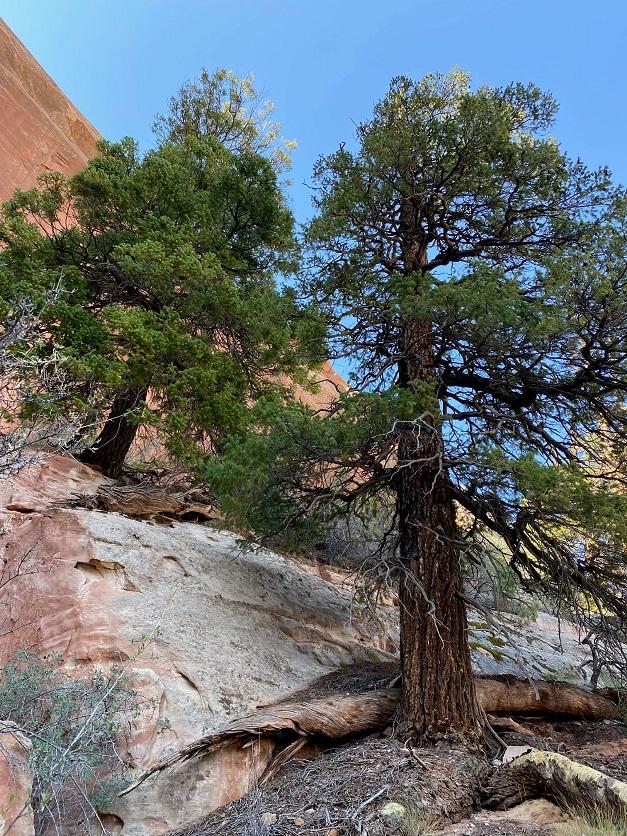
At the Island in the Sky district of Canyonlands National Park, the dominant trees are Pinyon Pine and Utah Juniper. However if you are traveling on the Shafer trail and happen to look up towards the mesa top just south of the road you can catch a glimpse into another era.
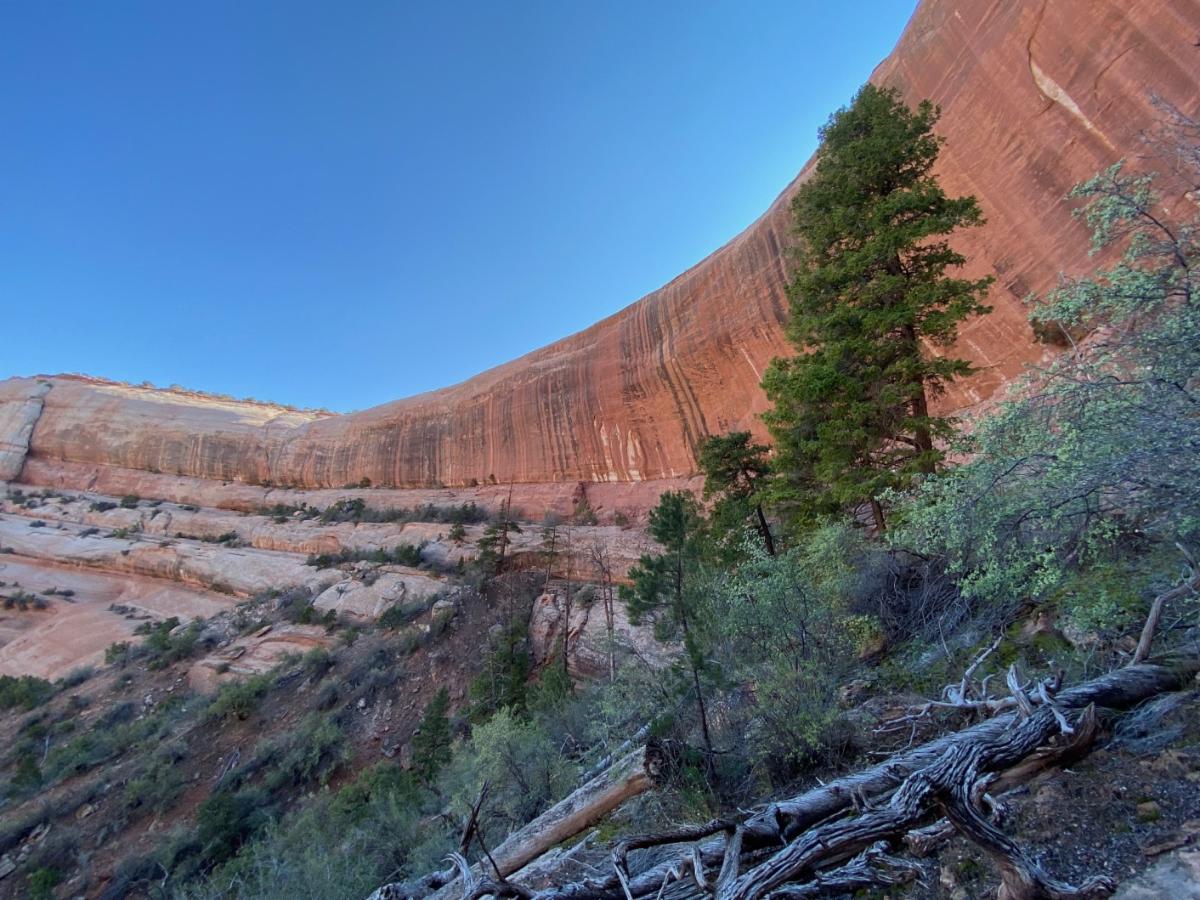
Tucked away under a large alcove on the north face of the mesa is a stand of Douglas fir trees. The Douglas fir, Pseudotsuga menziesii, Pine Family, is a tree not generally associated with the desert. It prefers the mild, humid climate of the pacific northwest, but can be found in small pockets scattered around southeastern Utah.
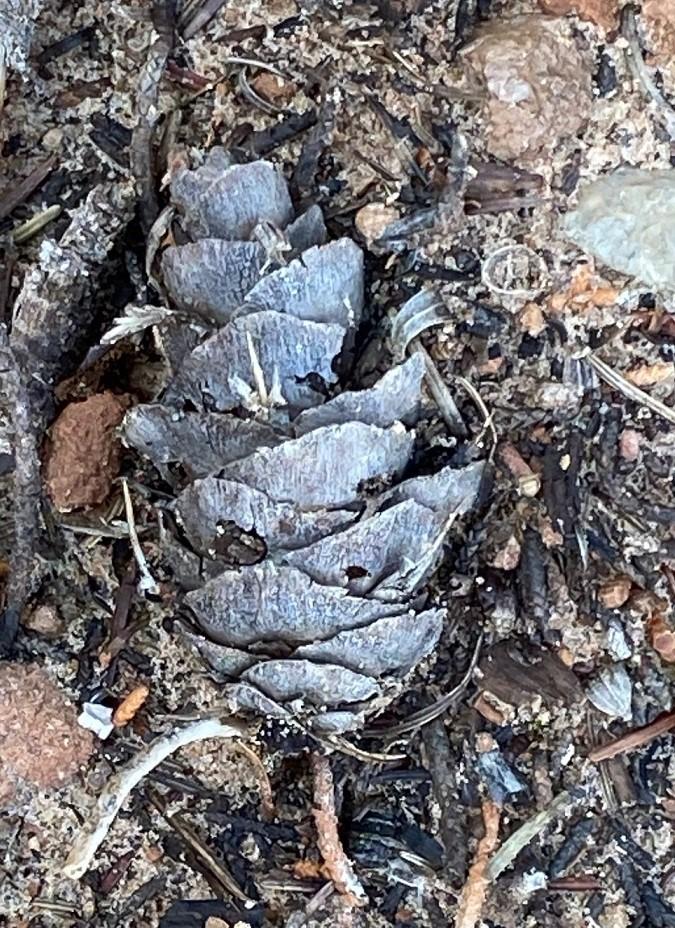
The Douglas fir is neither a true fir nor a hemlock as its name might suggest. Pseudotsuga means false hemlock. It is a separate species unto itself. The tree is most recognizable by its distinctive cone. The cones of a Douglas Fir hang down from the branches and fall to the ground whole. The most distinguishing factor are the three pointed bracts between the scales. The two outer bracts are short, the center one being much longer. This pattern has sometimes been referred to as “mouse tails”.
In Canyon Country, Douglas fir are found on well shaded, north facing sites with an abundant water supply. This type of environment mimics a much cooler period on the Colorado Plateau. These sparse stands are relics from a much different climatic era. Evidence from pack rat middens shows the Douglas fir as one of the dominant trees in canyon country between 20,000 and 12,000 years ago and growing abundantly near present day locations as recently as 6,000 years ago.
|
|
 |
Aside from the Island in the Sky, Douglas
fir can be found in many north facing slopes of the Canyon Rims Recreation Area 30 miles south of Moab which is managed by the BLM.
|
|
|
|
Legend has it that a long time ago Great Grandmother Douglas Fir was growing tired of mice always crawling into her cones to get to the seeds. After numerous warnings went unheeded she closed down her cones trapping the mice inside with only their back feet and tails sticking out from the scales. |
|
|
|
Check out this video on how to canyoneer responsibly on the Colorado Plateau. This message was partially funded by CNHA in partnership with the National Park Service, The BLM and Leave No Trace. |
|
|
|
|
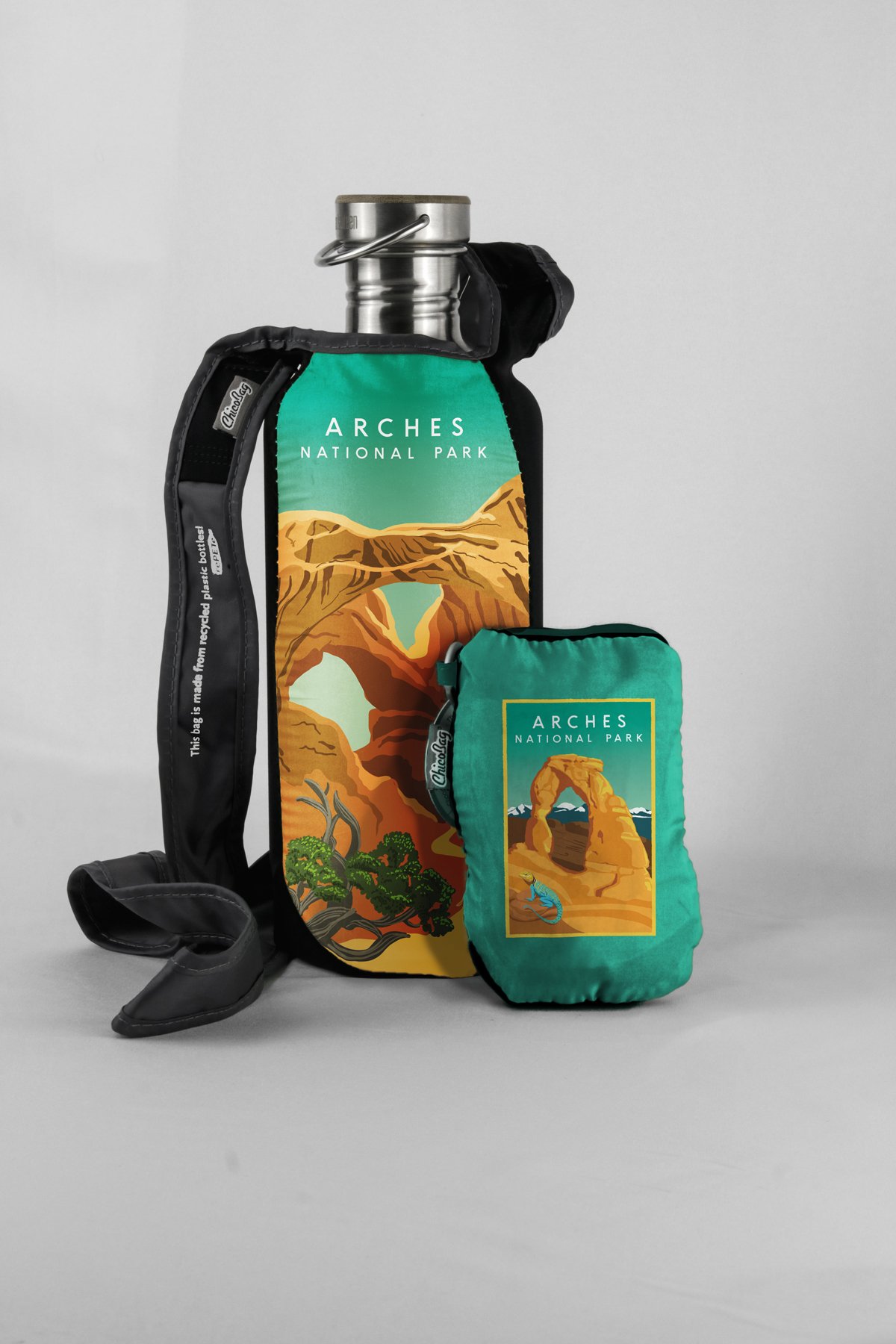
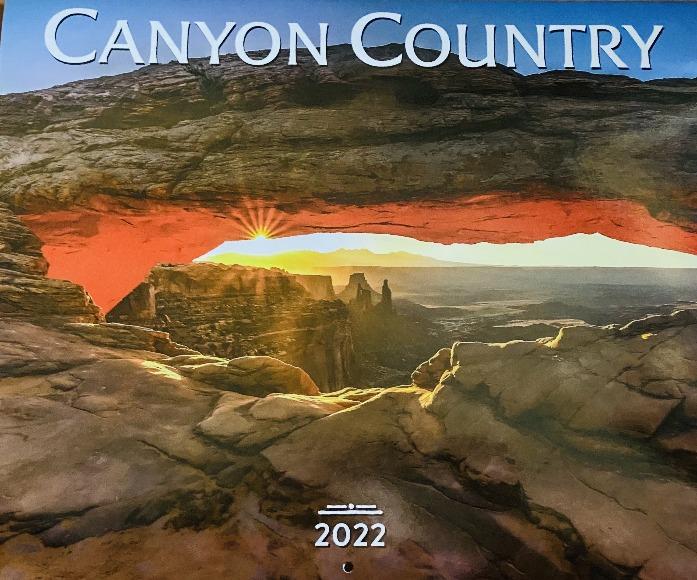
Get it while supplies last.
|
|
|
|
|
|
|
|