|
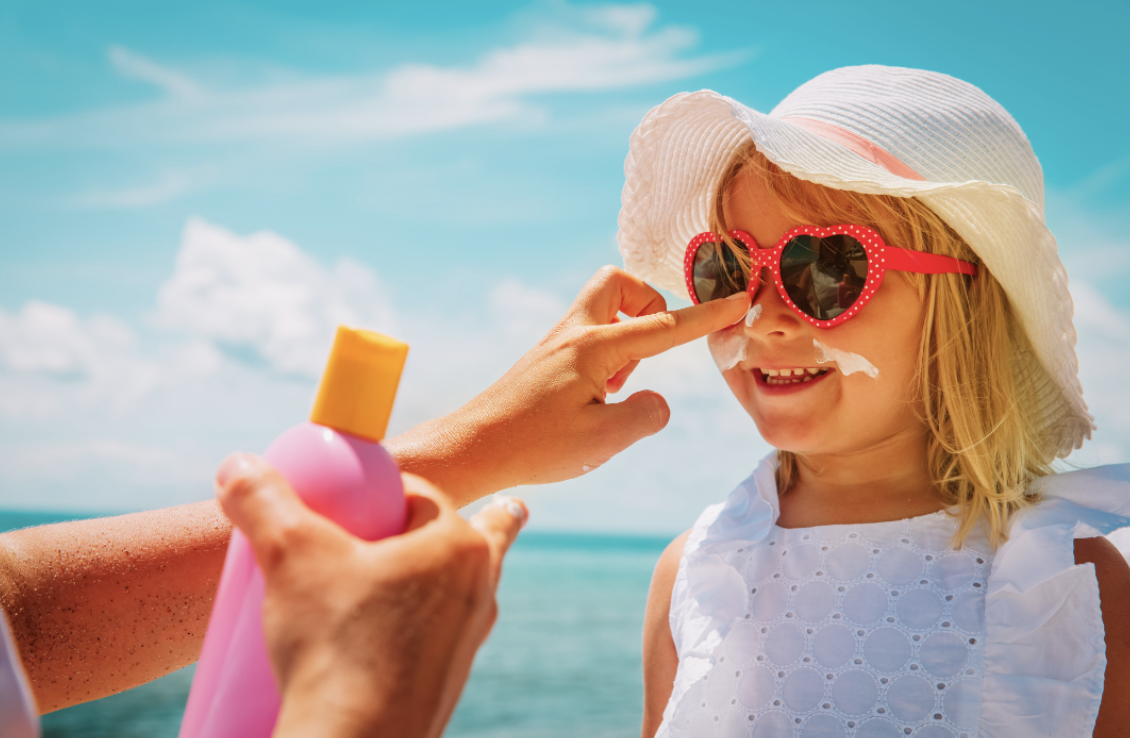
At the risk of sounding like a broken record, let's talk sun protection!
I know at this point you all know SPF is my BEST friend and the No. 1 product I will forever swear by for anti-aging.
But I've realized there's a lot of confusion about what the numbers mean, the protection levels, and the differences between SPFs in general.
A common misconception I hear often is that the higher numbers will provide higher protection and that's not really the case. In fact, the gains in UVB blockage (aka the sunburn rays) level off significantly past SPF 30. That's why you'll hear most dermatologists recommend SPF 30-50 and nothing really any higher.
THE REAL SCOOP:
☀️ SPF 15 blocks roughly 93% of UVB rays
☀️ SPF 30 blocks roughly 97% of UVB rays
☀️ SPF 50-100 block roughly 98-99% of UVB rays
☀️ and very little happens beyond SPF100
WHAT YOU SHOULD FOCUS ON:
🌊 Broad-Spectrum: SPF only measures UVB (sunburn) protection. To shield against UVA rays (which cause premature aging) you want to make sure your sunscreen is labeled Broad-Spectrum.
🌊 2-hour Rule: Higher SPF does not mean it lasts longer on your skin. All sunscreens should be generously applied and reapplied every 2 hours.
🌊 Water Resistance: Sadly, it's not really a thing. Sunscreen just isn't fully waterproof. If sweating/swimming, reapply every 40-80 min or immediately after towel drying.
WHAT THE DIFFERENT TYPES OF SUNSCREEN MEAN:
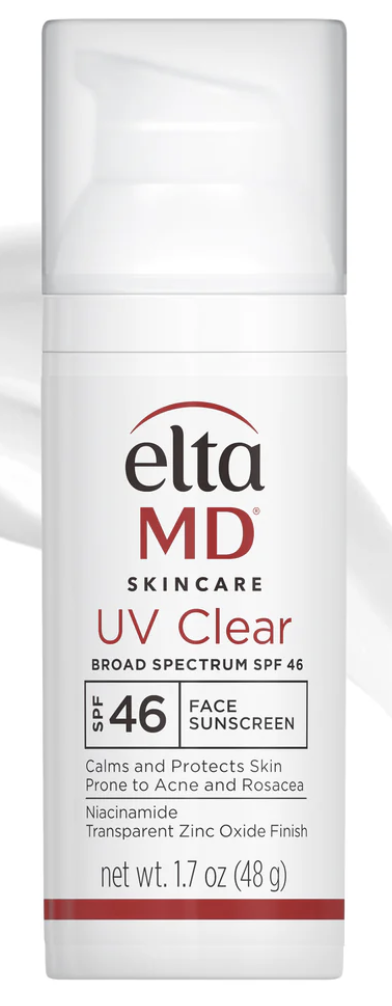
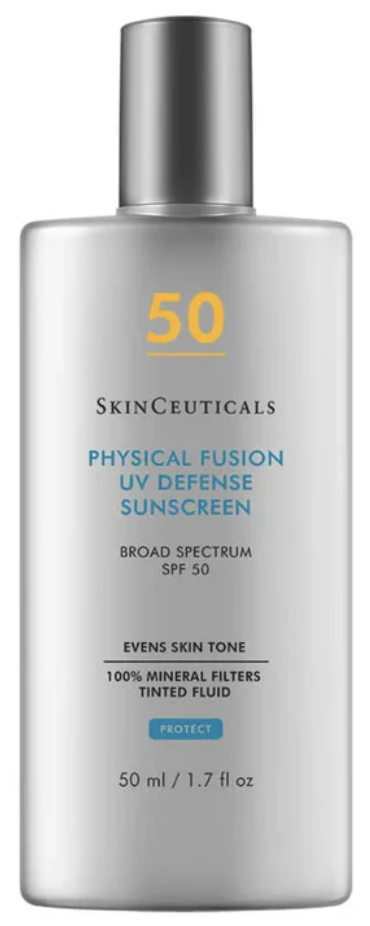
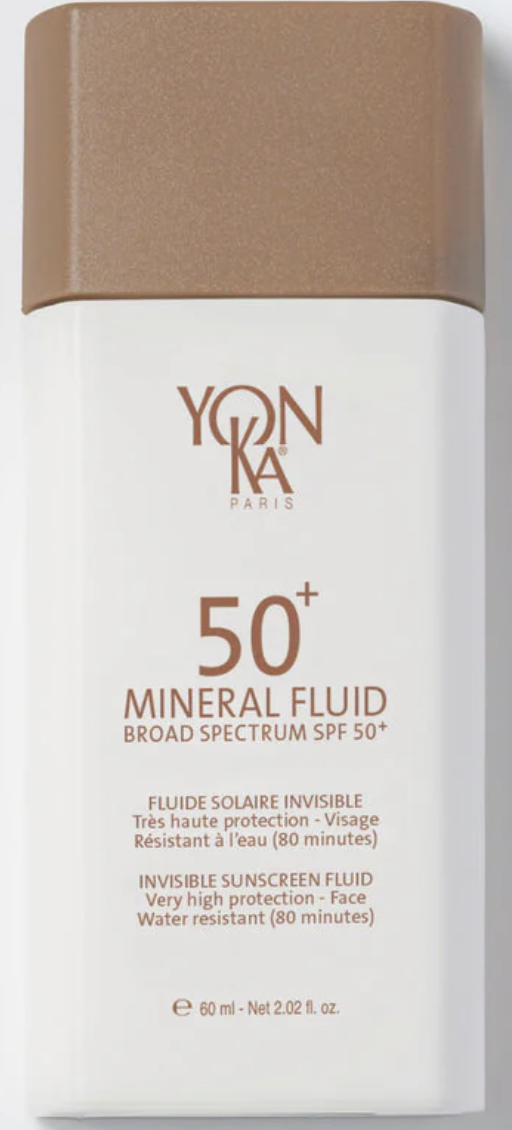
🧴 Mineral or Physical: Uses ingredients like Zinc Oxide and Titanium Dioxide to deflect the UV rays. Great for sensitive skin and immediate protection. This is the heavy duty sunscreen that leaves the white residue.
🧴 Chemical: This type uses ingredients like avobenzone to absorb UV rays and convert them into heat. These rub in more invisibly and offer broader coverage. Generally tend to be more common for high activity or to wear undernearth makeup.
Pro Tip: Keep a small travel-sized sunscreen in your purse, car, or beach bag to avoid over-exposure when you lease expect it.
|