September 2024

“Now more than ever, we must recognize and accept the complexity of real women and celebrate them in their quest for leadership roles. Whole, multi-dimensional women...it only gets better every time one of us tries.”

— Alejandra Campoverdi


Alejandra Campoverdi describes herself as a “first and only,” meaning she is the “first” generation and “only” person in her family to cross a specific threshold. So fundamental to her identity, being a “first and only” is the core of her life experience and theme of her recent best-selling book, FIRST GEN: A MEMOIR. 


“Some of us are first-generation Americans, first-generation college students, or first-generation professionals…we’re the only person of color, woman, or LGBTQ+ person at the table or in the room,” she notes. “The specific borders we breach are different, but what unites us is a shared familiarity with a particular set of experiences, challenges, and expectations that come with the territory.”


Increasingly first-generation students (foreign-born or children of immigrant parents; first to potentially graduate from high school or college) face what Alejandra Campoverdi describes as the Trailblazer Toll – the emotional cost of social and economic mobility. For some, being the family translator, dictionary, or form filler can be exhausting. Simply naming and acknowledging these experiences, she notes, can be both instructive and healing.  


Many of us may know someone who is a “first” or an “only” – those of us who’ve been working for more than a few years recall being the “only” woman attending a professional workshop, on a management team, or representing a certain profession. For us, Campoverdi’s recollection rings true. 


To be a “first” and “only,” she notes, “is a delicate balance of surviving where you come from while acting like you belong where you’re going.” It’s not easy, nor is it simpler the next time you’re faced with this situation. 


Our identity is an essential defining characteristic of a person, affecting how we interact with others and with society. And identity formation typically takes place during adolescence, with ethnic identity developed much earlier. Identity, or sense of self, is a key focus of Chrysalis After-School programs, and one of the driving factors for our original planning to reach adolescent girls. 


Plan to join us on Monday, September 30, for our 2024 INSPIRED Event to experience the wisdom and honesty of Alejandra Campoverdi, whose self-described paradox of life experiences created the strong and insightful woman she is today. You’ll walk away both educated and inspired. 

Here are a few resources we find meaningful this month:

First Gen: A Memoir


"I'm gonna keep it real with you. To be first gen in America, the first generations in your family to cross a threshold is not easy. It's a delicate balancing act of surviving where you come from while acting like you belong where you're going. My life to date has been a study in paradox."


View the trailer: FIRST GEN: A MEMOIR

Rise First


Rise First was founded in 2018 by Cindy Rentala, a first-generation, low-income graduate. It's mission is to empower first-generation and/or low-income (FGLI) students and professionals nationwide to achieve their full potential by providing life and career advice, lists of support resources and mentorship opportunities through a technology platform with online tools. :


Learn more about Rise First: rise first

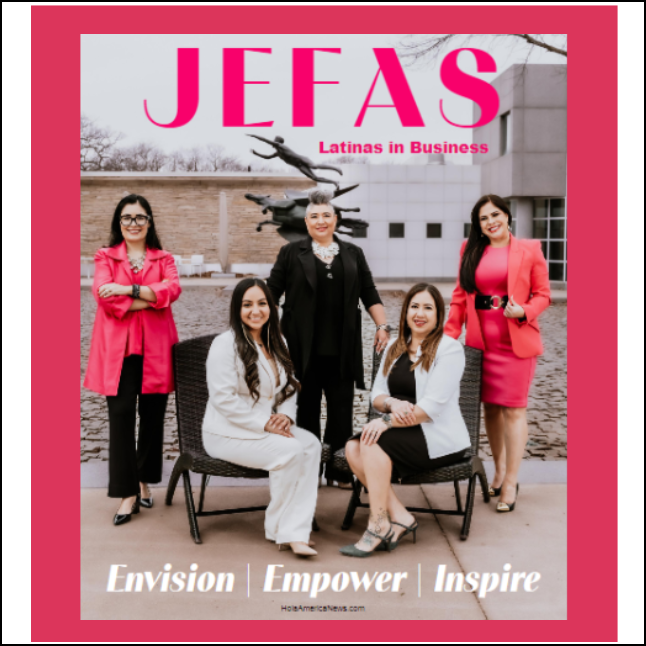
JEFAS Latinas in Business Magazine


Jefas Latinas in Business magazine, launched in May 2024. It showcases Latina trailblazers and changemakers who overcome significant challenges to create thriving Iowa businesses in often unwelcoming environments. Jefas celebrates their extraordinary achievements and inspires the next generation of Latina leaders to realize their full potential.


View the magazine: JEFAS Latinas in Business

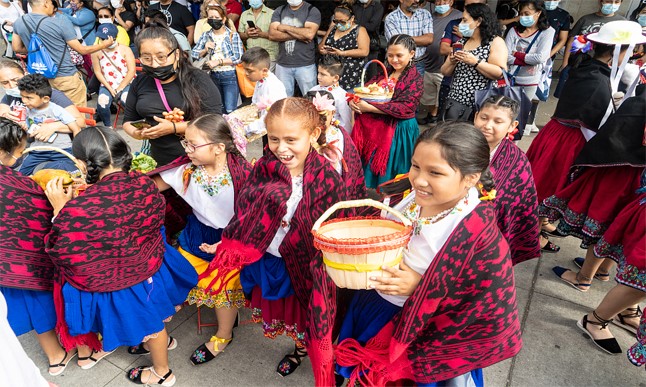
National Hispanic Heritage Month: September 15 - October 15


From September 15 to October 15, we celebrate Hispanic Heritage Month, recognizing the contributions to our history and culture made by Hispanic and Latino communities. Initially a week-long celebration declared in 1968 by President Lyndon Johnson, it was expanded to an entire month by President Ronald Reagan in 1988 to allow time to adequately commemorate our Hispanic/Latino culture. 


We often use the terms “Hispanic” and “Latino” interchangeably, but there are differences in definition. The National Museum of the American Latino employs the term “Latino” as U.S. residents with cultural or ancestral ties to Latin America or the Caribbean, while the term “Hispanic” is used for those with connections to Spain or the Spanish language. The term “Latinx” has been increasingly recognized, but remains less popular than the traditional Latino, Latina, and Hispanic. Plan to attend Iowa's local celebration of the Latin culture: Iowa's Latino Heritage Festival.

Will you click for Chrysalis?

Become a Chrysalis social media ambassador and help spread our message.


With just two clicks, you can share this information on your social media pages.

Copy and paste the text below OR share your own message on the importance of the work of the Chrysalis Foundation. 

Be part of something powerful! Attend the 2024 Chrysalis Inspired Event September 30 with Alejandra Campoverdi and help us continue empowering girls and women in our community. Your presence and support can change lives! https://bit.ly/24ChrysalisInspired #CHRYSALISINSPIREDEVENT #EMPOWERWOMEN #INSPIREHERSUCCESS #FIRSTGEN #TRAILBLAZER #RESILIENCE

Facebook  Instagram  LinkedIn
2024 Inspired Event Tickets
Visit our Website