Visit Wise Pool & Spa at 8341 Old Leonardtown RD in Hughesville today!

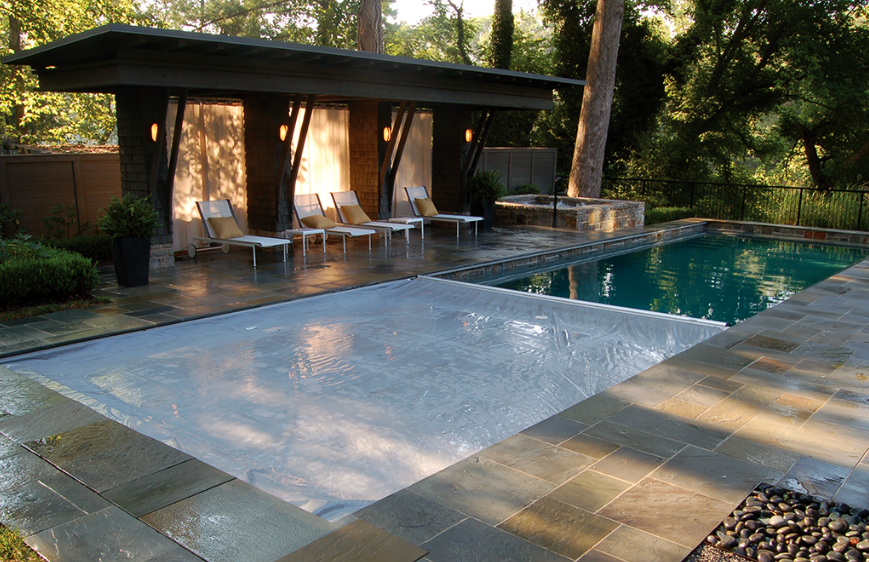
Automatic Safety Pool Cover

Care & Tips

CoverPools Auto Cover Wise Pool and Spa

Operation

 
Learn How to Properly Operate Your Automatic Pool Cover

In this short video, you will learn how to properly operate your automatic safety pool cover, reviewing topics such as:


  • Uncovering Your Pool
  • Covering Your Pool
  • Using Your Cover Pump
  • Maintaining Your Automatic Pool Cover
 

Contact Info, Warranties, Manuals


Care & Tips


Pool Water Level - Maintain the pool water level at the middle of the skimmer in-season and 2" below the skimmer off-season. If the pool water drops below these levels, the pool cover may operate under stress. Never cover the pool without the proper pool water level under the pool cover. The pool water supports the weight of the pool cover. If the pool water level is low and precipitation accumulates on the pool cover, severe damage may occur to the coping and/or automatic safety pool cover system.

Snow Loads, Leaves, Heavy Rain, Storms - Powder snow and leaves can be blown off of the pool cover with a leaf blower. Wet snow can be dragged to the side of the pool cover with a telescopic pole with nylon only bristle pool brush and then removed. If you are aware that we have incoming heavy snow, heavy rain, or storms, you can open the pool cover and let the precipitation or debris fall into the pool. Correcting pool water level and water balance due to changes from precipitation and/or cleaning and removing storm debris from the pool is easier and more cost effective than fixing a broken automatic safety pool cover system (vinyl cover tears, broken ropes, broken tracks, damaged coping, etc.). Use your best judgement on whether to keep the pool cover closed or open during extreme weather events.

Water Balance & Chemical Adjustments - Not maintaining proper water balance will shorten the life of the automatic safety pool cover system (fabric and mechanics). After making a chemical adjustment, allow the pool water to circulate approximately 8 to 24 hours or until water balance returns to acceptable ranges before closing the pool cover (verified by testing the pool water). Do not use floating chlorine feeders, as they vent chlorine gas that can burn the pool cover fabric and they often remain trapped in the same location.

Cleaning - Regularly remove any twigs, leaves, or other large debris from the surface of the pool cover and cover box before uncovering. Failure to remove debris could result in damage to the pool cover and/or mechanism and accumulation of organic residue and/or water. When the pool is uncovered and recovered, pool water is transferred to the top surface of the pool cover and then dries, where chemical residue damage can occur. Keep your pool cover in the best possible condition by cleaning every 3-6 months with the cover pump in place. For stains, clean the pool cover using a soft bristle brush to scrub the soiled area and rinse with fresh water. For oils and stubborn stains, use a small amount of Ivory bar soap on a wet cloth and scrub the soiled area, rinsing well with fresh water afterward. For algae, especially black algae, use one (1) part Clorox to nine (9) parts water. This mixture can be applied directly to algae, the pool cover scrubbed with a soft bristle brush, and rinsed with fresh water. Never use detergents or any other harsh chemicals to clean the pool cover, such as pool chlorine or algaecide (may contain detergent), as these may damage the pool cover. Pool cover tracks should also be rinsed periodically to remove built-up dirt and debris. The pool cover should be fully opened when rinsing.

Periodic Pool Cover Visual Inspections - It is best practice to visually inspect your pool cover 2-3 times a year. Signs of vinyl deterioration include brittleness, cracking, exposure of polyester mesh, holes, and areas of wear. Signs of sewing deterioration, where the vinyl is attached to the webbing along the side of the pool cover by the tracks, include broken threads or torn or frayed webbing. Also check the pool cover tracks to ensure that the fasteners which hold the track to the coping are not loose or missing. Contact your local servicer for assistance if required.

Other - Never leave an opened pool unattended. Always place the pool cover pump on a closed pool cover. The pool cover pump should be placed onto the pool cover at the side of the pool at the deep end, pushed to the center of the deep end using a telescopic pole with nylon only bristle pool brush, with the drain hose oriented away from the pool, and plugged into a GFCI protected outlet.


[Caption]
Facebook  Pinterest  Youtube  
[Caption]