Advancing Policies to Protect Child Health
October 2026
|
| Governor Signs AAP-CA Supported Initiatives | 2025-2026 Legislative Cycle Comes to an End | |
In 2026, the California chapters of the American Academy of Pediatrics, California (AAP-CA) continued their leadership in advancing evidence-based policies that protect the health, safety, and well-being of California's children. Working closely with legislators, coalition partners, state agencies, and the Governor's Office, AAP-CA championed legislation addressing youth mental health, online safety, substance use prevention, nutrition, health care access, injury prevention, and child welfare.
The 2026 legislative year will likely be remembered as a watershed moment for children's digital safety. California enacted a sweeping package of online safety laws that established national leadership in regulating social media and artificial intelligence technologies affecting children. At the same time, significant progress was made on youth vaping prevention, nitrous oxide restrictions, healthy food access, oral health, maternal-child health, and protections for vulnerable youth. According to CalMatters, Governor Gavin Newsom's technology package was specifically designed to address growing concerns about youth mental health, technology addiction, and the rapid emergence of AI-powered products marketed to children.
| | AAP-CA Opposes Proposition 44 | |
As California voters consider Proposition 44, the American Academy of Pediatrics, California (AAP-CA) has joined a broad coalition of physicians, nurses, community health centers, and patient advocates in urging you to Vote NO on Proposition 44.
AAP-CA's opposition is rooted in concerns that, rather than improving patient care, the measure could unintentionally reduce access to healthcare for children, families, and vulnerable populations throughout California.
What Proposition 44 Would Do
Proposition 44 would require nonprofit Federally Qualified Health Centers and community clinics serving medically underserved populations to spend at least 90% of their annual revenue on "program services." Clinics that fail to meet the spending threshold could face significant financial penalties. Opposition argues, the measure would create rigid spending requirements that limit a clinic's ability to invest in essential infrastructure, workforce development, technology, and operational support necessary for quality patient care.
| |
Highlights from 2026 AAP-CA Advocacy Day
in Sacramento
| |
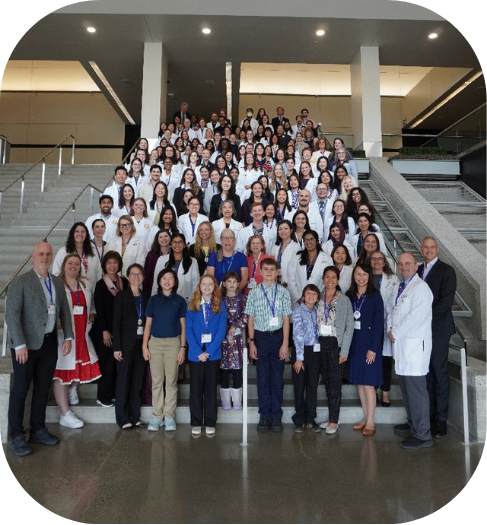
On May 5, nearly 200 California pediatricians gathered at the State Capitol in Sacramento for AAP-CA Advocacy Day, meeting with representatives from 65 legislative offices. Participants included nearly 100 pediatric residents from training programs across the state, along with faculty, AAP CA chapter leaders, State Government Affairs Committee members, and AAP-CA Board members.
AAP-CA focused its advocacy efforts on three priority bills addressing pediatric injury prevention and substance misuse, two of which were signed by Governor Newsom.
Two measures aimed to improve electric bicycle (e-bike) safety and one bill regulating nitrous oxide sales. These proposals respond to growing concerns about preventable injuries among children and adolescents. According to recent reports, California experienced nearly 4,800 e-bike injuries in 2023, with some pediatric trauma centers reporting increases exceeding 300 percent over the last several years.
SB 936 (Blakespear) Chaptered creates new restrictions on the sale and distribution of nitrous oxide containers commonly associated with recreational misuse.
AB 2346 (Wilson) Chaptered assures consumer protections by requiring manufacturer labeling and disclosures, equipping e-bikes with speedometers and lights, and establishing speed restrictions for riders under age 16.
AB 1557 (Papan) would have strengthened restrictions on high-powered e-bikes, particularly for children under 16, and increased accountability for manufacturers and retailers.
AAP-CA efforts will continue to elevate the voice of pediatricians and advance policies that protect the health and safety of children and adolescents.
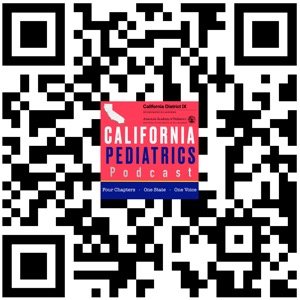
| | California Pediatrics is a podcast by pediatricians from the four California chapters of the American Academy of Pediatrics presenting current affairs, highlights on career paths, and tips for parents. This project is funded by the AAP Healthy People 2030 grant. Produced by Chapter 2 Executive Director Tomás Torices, MD. Search for California Pediatrics on your favorite podcast platform using the QR code below. Episodes available on audio and video. | |
Spotlight on Child Health Advocacy Partners:
March of Dimes
| |
Nowhere to Go: Maternity Care Deserts Across the U.S. 2026
Across the United States, access to maternity care continues to be a significant challenge, leaving millions of moms and babies with fewer opportunities to receive high-quality care.
The ”Nowhere to Go: Maternity Care Deserts Across the U.S. 2026" report examines access to maternity care using county-level analyses of obstetric clinicians, birthing facilities, insurance coverage, and travel burden. The report highlights national trends, identifies populations most affected, and explores how workforce shortages, hospital closures, and policy changes are reshaping the maternity care landscape.
March of Dimes remains committed to advancing data-driven solutions that address maternity care access challenges nationwide. We will continue working with our partners and communities to improve access for moms and babies. Efforts such as March of Dimes Mom & Baby Mobile Health Centers and PeriStats demonstrate how community-based care delivery and publicly accessible data can help expand access and inform decision making.
Continued investment and action will be critical to ensuring all women can access high-quality maternity care.
| |
In the News:
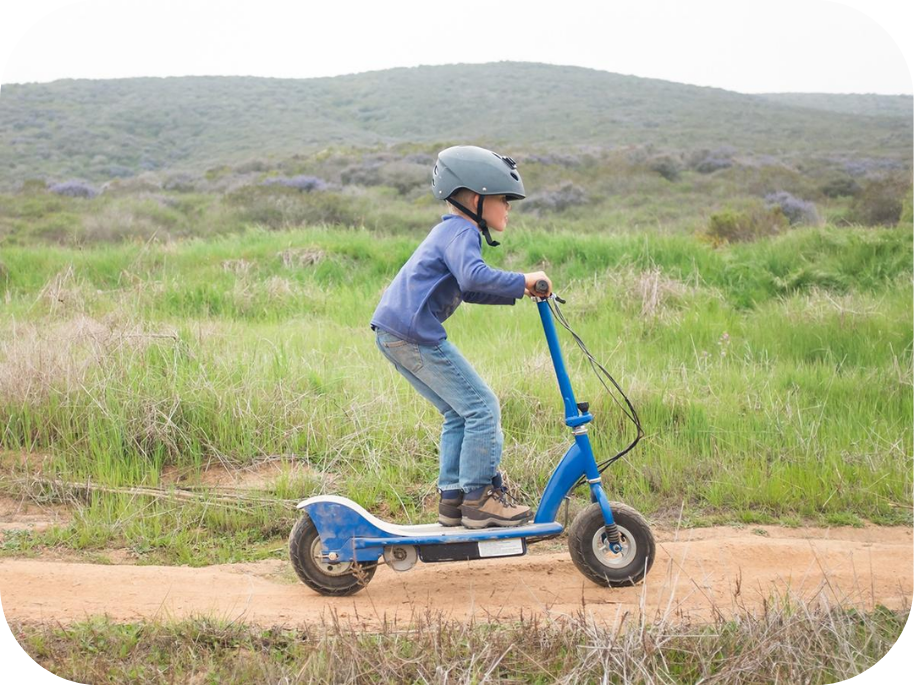
Consumer Reports will no Longer Recommend Any E-Scooters Due to Safety Concerns
| |
At their best, e-scooters are a fun way to get from point A to point B. They’re quick, portable, and relatively cheap, making them an obvious choice for short trips or commutes. But riding one comes with real risks, and years of incremental increases in top speed have made many models more dangerous in key ways.
At the same time, new safety data has shown that injuries on e-scooters are both widespread and, in many cases, very serious. For that reason, Consumer Reports does not currently recommend any electric scooters. We also recognize that they are increasingly popular, and many people ride them. If you choose to ride an e-scooter, it’s important to understand the risks and how to ride as safely as possible.
| | |
The American Academy of Pediatrics, California (AAP-CA) is a statewide advocacy organization
representing AAP California Chapters 1, 2, 3 and 4.
Our mission is to promote the health and well-being of all children and youth in California
and to support the professional needs of our member pediatricians.
AAP-CA is a 501(c)(6) nonprofit public benefit incorporated in California.
American Academy of Pediatrics, California
500 Capitol Mall, Suite 2350 | Sacramento, CA 95814
support@aap-ca.org | www.aap-ca.org | (916) 621-KIDS (5437)
| | | | |