|
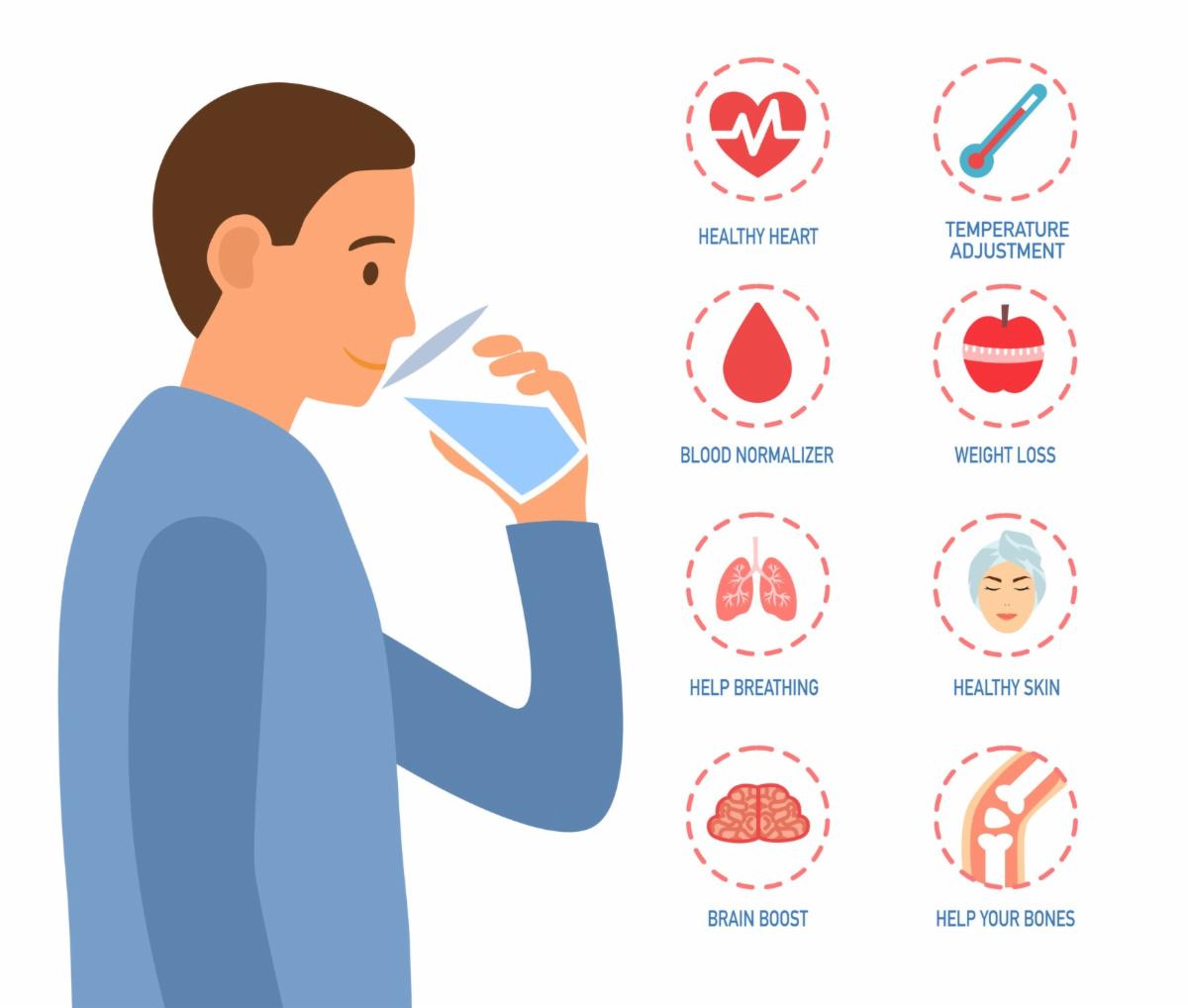
Drinking water and staying hydrated isn’t just about quenching your thirst, it keeps every system in our body’s working smoothly. Water makes up about 60% of our body weight, and all of our major organs and systems depend on it to function and survive. Even mild dehydration can make you feel “off,” leading to things like low energy, bloating, and headaches, so because we lose fluid throughout the day through breathing, sweating, and going to the bathroom, we need to replace what’s lost to stay hydrated. When you stay well hydrated, your body can circulate blood effectively, move nutrients to where they’re needed, clear waste products, and more so you feel and function your best.
How Water Supports Your Body
Water plays many roles that you may not think about until something feels wrong. For example, being well hydrated helps regulate your body temperature by allowing you to sweat and cool yourself. When you’re dehydrated, you’re not able to cool yourself as efficiently and your body stores more heat so you may feel less tolerant of hot weather. Water also helps moisten tissues in your eyes, nose, and mouth, helping to trap germs as a first line of defense, support saliva production to protect against cavities, and keep your eyes and nasal passages comfortable so you can breathe and see clearly. In addition, water keeps your tissues and organs cushioned, acting like a natural shock absorber for joints and internal organs.
Staying hydrated also helps your blood carry oxygen and nutrients to every cell. When you don’t drink enough, your blood can become more concentrated, which may disrupt the balance of important minerals and force your heart to have to work harder by having to pump harder. Water also lubricates your joints; the cartilage in your joints is about 80% water, so adequate hydration helps reduce friction and supports smoother, less painful movement. And by flushing waste products from your body through urination, perspiration, breathing, and bowel movements, staying hydrated lessens the burden on your kidneys and liver. This can also help prevent kidney stones from forming and urinary tract infections from occurring.
Hydration, Digestion, and Weight
Your digestive system relies on water to move food along comfortably. It helps dissolve minerals and nutrients so your body can absorb them and uses moisture to break down soluble fiber, keeping things moving to reduce gas, bloating, heartburn, and other discomforts. Regular, well-hydrated bowel movements can make a noticeable difference in how you feel day to day, from your stomach to your energy levels.
Hydration also supports weight loss and weight management in simple but powerful ways. Drinking enough water helps you feel satisfied between meals, which can cut down on mindless snacking. Having a glass of water before or with your meal can also help you feel full sooner so you don’t overeat. This helps to support a healthy metabolism, helping your body process energy more efficiently throughout the day.
Hydration and Brain Function
Your brain is especially sensitive to fluid balance. Even slight dehydration can contribute to headaches or migraines, which can disrupt your work, sleep, and daily activities. Research also shows that when you’re dehydrated, your memory, mood, concentration, and reaction time can all be affected, making you feel foggy, irritable, or less focused than usual. Keeping up with water intake is a simple step that can help keep you think clearly and keep your mood more stable.
How Much Water Do You Need?
There is no single “right” amount of water that fits everyone, every day. Your needs change based on your activity level, the temperature outside, your altitude, and your overall health. You generally need more water when you’re exercising, in hot weather, at higher altitudes, on a high-fiber diet, or when you are sick, pregnant, or breastfeeding. Some people, such as older adults who take diuretic medications, are more susceptible to dehydration and may need to pay closer attention to their intake.
A practical way to check your hydration is to look at the color of your urine. If it’s clear or light yellow, you’re likely staying well hydrated; darker urine can be a sign to drink more fluids. Most healthy people rarely run into problems from drinking too much water, but there are exceptions. Individuals with certain medical conditions, such as renal failure or congestive heart failure, may need to be more cautious with their fluid intake amount, and their healthcare team will give specific guidance about safe intake. If you’re unsure about how much is right for you, talking with your doctor or Curally nurse is a good next step.
|