Pollinator Pathway Cape Cod


Summer Newsletter 2025


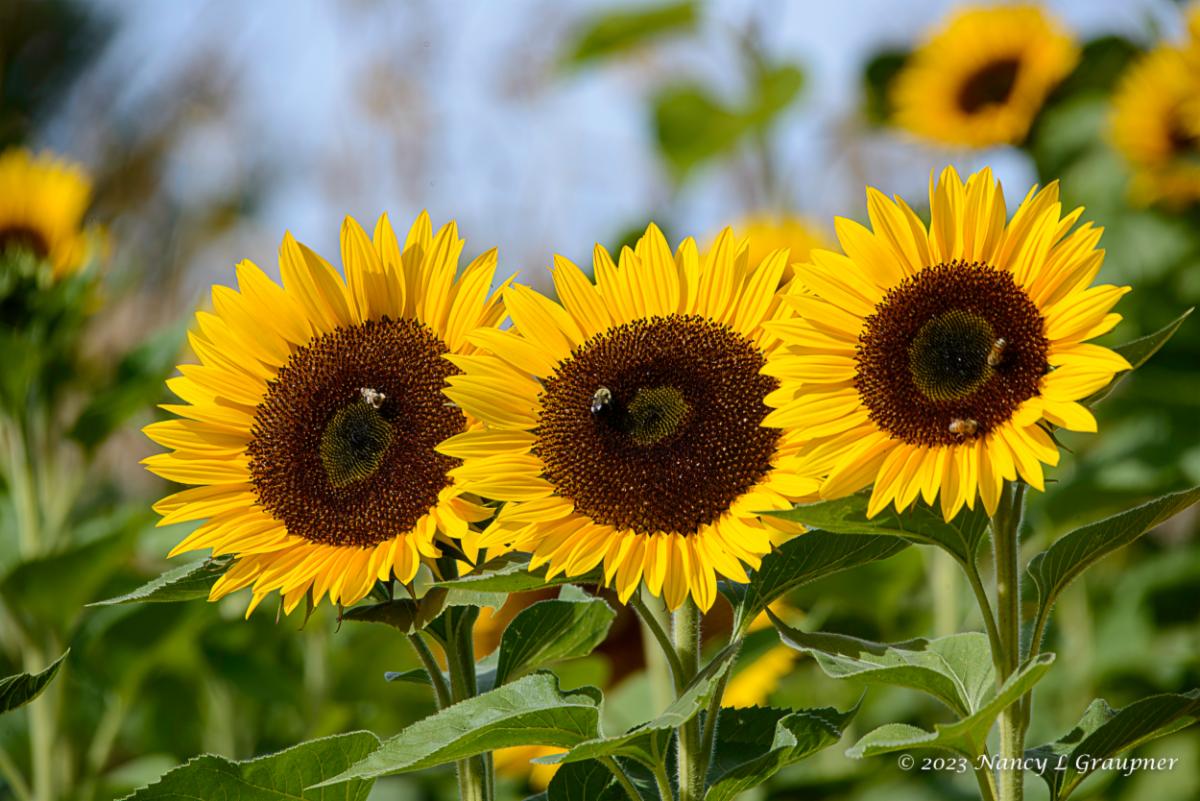
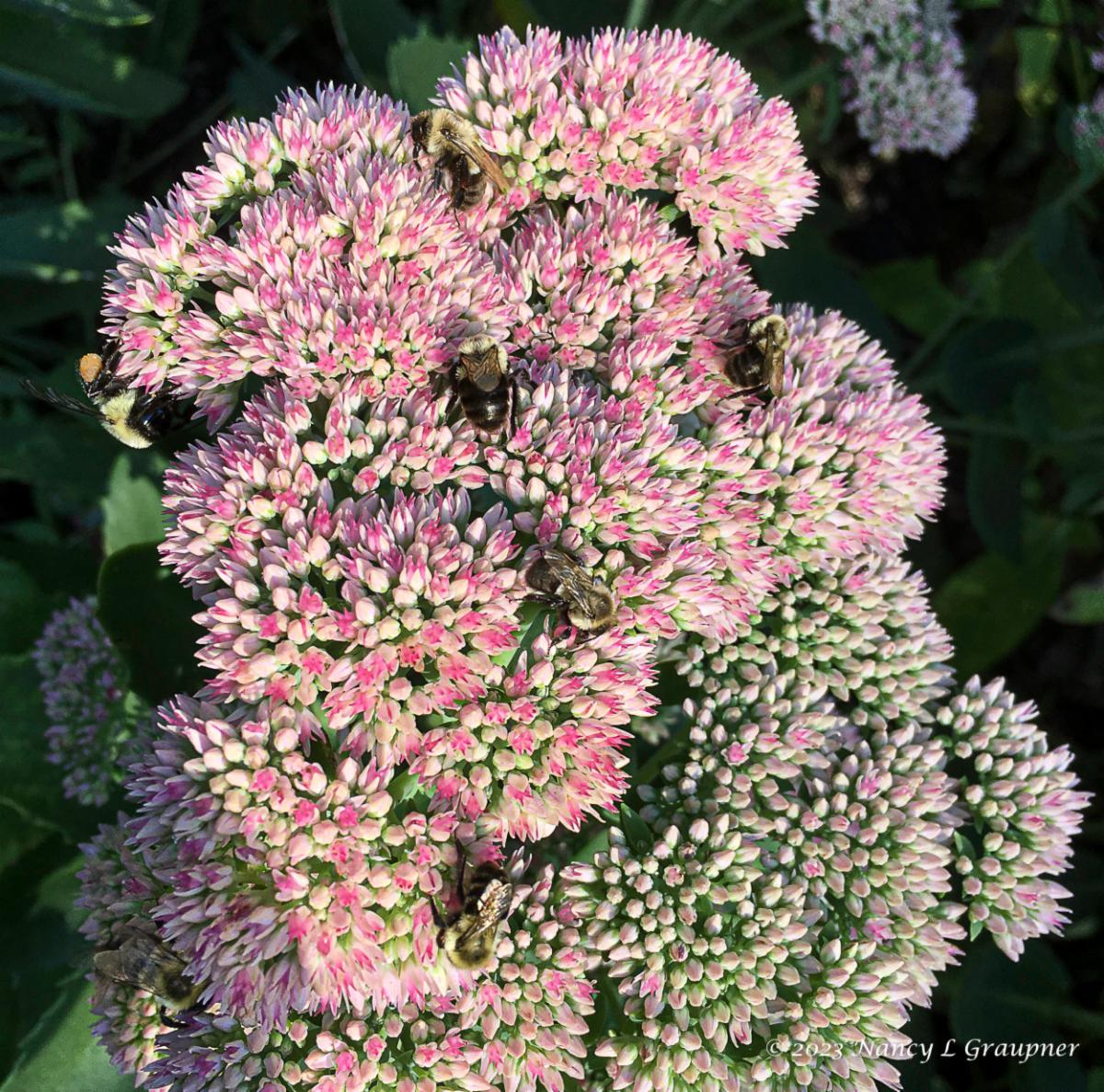
Photo Credit Nancy Graupner


PPCC Promotions at Hydrangea Festival


Thanks to our participating partner organizations, particularly the Cape Cod Master Gardeners and the Chatham Garden Club. Both organizations promoted the Pollinator Pathway Cape Cod during the 2025 Hydrangea Festival. The gardens of their members featured native plants along with many beautiful hydrangeas–native and non-native. It was a great opportunity to connect with residents of the Cape and visitors from afar and to share the vision of the PPCC.  We gave away hundreds of brochures, signed up new gardens on the Pathway, and answered lots of questions.  


This newsletter lists a few upcoming events. Hope you all are enjoying the monarchs and other butterflies and pollinators in your gardens this summer.


 The Map


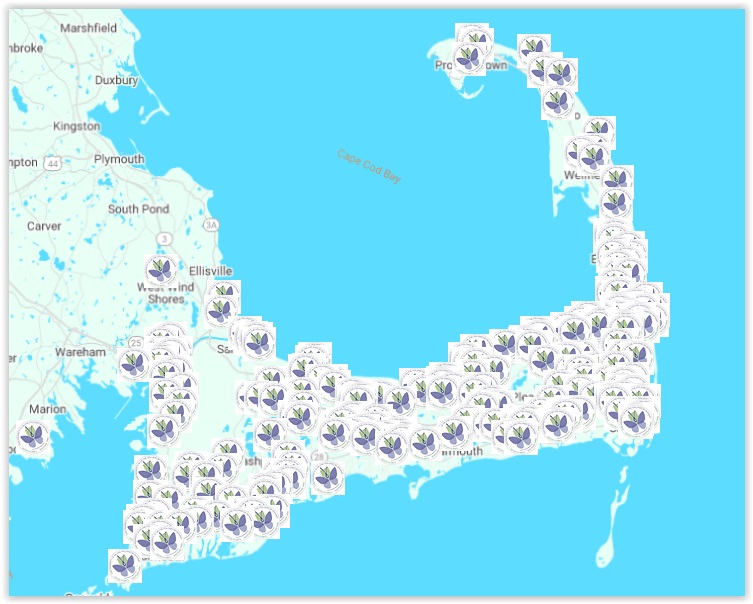
Registering on the Map shows the world that we are serious about rebuilding the habitat of our pollinators, one house at a time. Our goal is to cover the map in butterflies on Cape Cod. Please encourage your friends and neighbors to register their gardens on the map.


These two links should help.


Haven't put yourself on the map yet? You can do so HERE.

If you have already registered your property but don't see it on the map or would like to add more information, please fill out a form again HERE.


You can register on the map without adding a long list of native plants. The important thing is to get started.

Upcoming Events:


Activity is picking up. These are some of the events we will be participating in this year:


Autumn Joy, the Fall Symposium organized by the Master Gardener Association of Cape Cod will be held October 4. The Secret Lives of Native Bees will be the Keynote Address presented by Dr. Nick Dorain, Ecologist. Nick trained at Tufts University and now works at Northwestern University. He urges everyone to “Save The Bees!” but will explain that it is native bees, not honeybees, that desperately need our attention. Drawing from a decade of his own research on native bees, Nick will reveal the secrets of their lives, including habitat needs and the intricate relationships they have with flowering plants and other insects. He will provide clear and simple action items that you can employ in your garden to help these important pollinators. A Pollinator Pathway representative will be present to help you register your garden on the Pollinator Pathway Cape Cod. The symposium will take place at the 204 Cultural Municipal Building at 204 Sisson Ave in Harwich from 9 am to 1 pm. Participants can additionally choose to attend two of the four offered breakout sessions after the keynote address. This will sell out – get your tickets soon. Further information is available at the Master Gardener website: http://mastergardenerscc.org


Eastham Climate Week Program: Climate change is impacting the Cape in many ways. One thing we all can control is what we are planting in our gardens. The Eastham Library is hosting a Climate Week in September, and one event will feature a public talk offered by Gary Bowden, PPCC Co-founder and Master Gardener.  

Gardening in our Changing Climate: What Can You Do?  Eastham Public Library on September 30 at 6:00 p.m.


If your organization is planning something to promote our pollinators, please send us a note and we will put it in the newsletter.  


Designing Pollinator Gardens

Our Pollinator Pathway has four Principles:

ADD native trees, shrubs, and Plants

SUBTRACT a little Lawn

AVOID chemical fertilizers and pesticides – they are not healthy for pollinators

or anyone else

LEAVE the leaves on your garden bed in the fall


Each Month we will take one of these themes and expand upon it.


Later Summer Plants for Pollinators: As the summer heat and drier weather increases, some of our early season natives fade to the background, but it is now time for a few stars of the late season garden to appear. Be sure your garden has late season flowering plants to support our bees and insects. We are now seeing the many species of our Cape Cod and New England native Solidago (commonly known as goldenrod) start to bloom. This genus has many species that can work in your gardens as well as meadows and natural areas in your yards. Most are easily available at our local garden centers. The bright yellow flowers are long-lasting and can spread easily to fill in an open space and do so at a time your other garden plants are no longer supporting the pollinators. Two great partner plants that coexist natively and aesthetically with Solidago are the native Lobelia siphilitica (blue lobelia) and our New England and New York purple asters (Symphyotrichum patens).


Here is a wonderful article explaining more about the benefits of using asters in your gardens. Forget the non-native fall mums–plant some asters! https://theplantnative.com/plant/aster/


In the News:


Learn More: Grow Native Massachusetts

Ani Sarkisian, program manager with Grow Native Massachusetts was visiting the Cape and met with staff at the Association to Preserve Cape Cod to learn more about their evolving Native Plant Growers Cooperative program and visited the garden of a founder of the Pollinator Pathway Cape Cod. Ani is interested in expanding awareness of the programs, activities, events, and educational resources offered by Grow Native Mass. We are so fortunate to have this non-profit in Massachusetts. Their video archive of educational programs features excellent national speakers, including Doug Tallamy, Rebecca McMackin, and Nick Dorian. This October, Grow Native Mass will be visible on Cape Cod when they partner with the Chatham Conservation Foundation on a Native Plant “Pop Up” Sale. Watch for details in our next PPCC Newsletter.  


Grow Native Mass is also the sponsoring organization for the Massachusetts Pollinator Network (MAPN). This grass roots group is a networking group with a mission of linking like-minded individuals and organizations like PPCC with each other to share native plant/pollinator protection ideas and educational programming. MAPN also offers monthly zoom seminars with great speakers.  


Learn more about Grow Native Mass and their education offerings through their website. https://grownativemass.org/


Learn more about Massachusetts Pollinator Network and its programs here: https://masspollinatornetwork.org/


Snow Library and Orleans Conservation Trust Partner for Pre-School Program

For six weeks this summer, Snow Library in Orleans, with support from the Orleans Conservation Trust (OCT), is hosting a pre-school age environmental reading and craft hour at the library. Each week several dozen youngsters are read a story book about flowers, pollinators, bugs, or gardens, and then create a special garden-friendly craft. Members of OCT are helping the kids pot a native plant plug that they can take home and plant. OCT has worked with the town and created a native plant garden and self-watering planters outside the Children’s Room of the library. A great partnership that is educating our newest generation of gardeners! 


Orleans Commits to 100% Native Plantings- Here is the policy!

Last month we shared that Orleans passed a new native plant regulation. The purpose of the policy is to continue evolving the town's dedication to the environment and to increase the predominance of native plant species on town-owned properties for the purpose of building resilient landscapes and increasing biodiversity. Perhaps your town will consider such a regulation in the future. "Bee" an advocate for our native pollinators! Here is a link to the new policy: https://www.town.orleans.ma.us/DocumentCenter/View/9242/H-9-Native-Plantings-052125


In the News:


Orleans Commits to 100% Native Plantings

Recently, the Orleans Select Board passed a new native plant regulation. The purpose of the policy is to continue evolving the town's dedication to the environment and to increase the predominance of native plant species on town-owned properties for the purpose of building resilient landscapes and increasing biodiversity. It is intended to support pollinator species and other wildlife and help maintain and enhance the town's living green infrastructure. Only native plants as defined by "regional and state guidelines" shall be used in all plantings. Previously, the town had passed a non-binding resolution that identified Orleans as a “Pollinator-Friendly Community." This new policy is a town regulation that requires our department of public works to only plant native species. A few exemptions allow for non-native plants and annuals to be used in planters and hanging baskets on town properties, non-native plants grown for agricultural purposes, and for non-native turf lawn where appropriate and necessary for public use. Perhaps your town will consider such a regulation in the future. "Bee" an advocate for our native pollinators! 


Pollinator Support by the Commonwealth

The Massachusetts Department of Conservation and Recreation (DCR), Massachusetts Department of Agricultural Resources (MDAR), and the Massachusetts Nursery and Landscape Association (MNLA) announced the launch of the fifth year of the Growing Wild program, encouraging the public to preserve and protect pollinator habitats by inspiring residents to plant native species and pledge their gardens in support of pollinators. To commemorate this initiative, Governor Maura Healey proclaimed May 30th as “Growing Wild Day” in Massachusetts, marking a major milestone in the state’s expanding effort to protect native species and restore pollinator habitats.


"Growing native plants and attracting pollinators in our gardens is a great way to show our commitment to protecting nature and wildlife,” said Energy and Environmental Affairs Secretary Rebecca Tepper. “The Growing Wild program helps us to transform lawns into safe havens for pollinators like bees and butterflies. I am proud to be a part of the Growing Wild community and to use native plants in my own backyard.”   


Learn more about this initiative here: https://www.mass.gov/guides/growing-wild-massachusetts


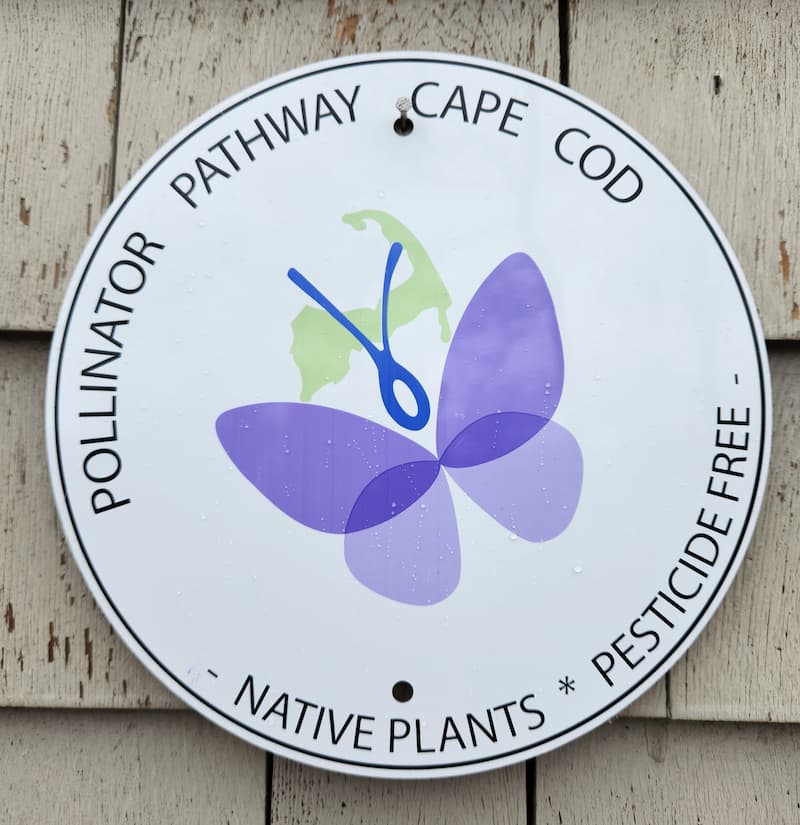
We have Pollinator Pathway Cape Cod signs available for purchase.

Where to buy our new sign: At this time, PPCC yard signs (with the Cape Cod image) can be purchased at Hyannis Country Garden, Brewster Book Store, Orleans Conservation Trust, Crocker Nurseries and Cape Abilities Farm. Signs are $15 plus tax. We hope to add more retail locations in the near future. If your organization has a tax-exempt certificate, you may purchase them wholesale from the Association to Preserve Cape Cod (APCC). https://apcc.org/shop Minimum order is 10 signs, $10.50 each.


It is wonderful to see all they ways our organizations are promoting the Pathway!

I will publish any additional events that you send me. Please share this newsletter with your membership.


Carol Alper, PPCC Steering Committee Chair

carolzalper@gmail.com                

pollinatorpathwaycapecod@gmail.com

Photo Credit: Nancy Graupner


Pollinator Pathway Cape Cod

website: www.pollinator-pathway.org/towns/cape-cod

email: pollinatorpathwaycapecod@gmail.com