A regional resource for Cape & Islands climate activists
August 19, 2021
|
|
Living Shorelines & Climate Change |
|
Living Shorelines
Source: Global Warming Solutions
Let's talk about living shorelines.
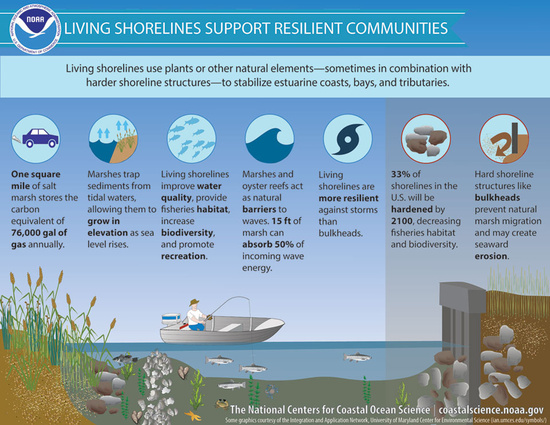
Living Shorelines use natural elements like plants and marshes to provide stabilization to coastlines. They improve water quality, increase biodiversity, and are much more resilient to storms than bulkheads. Above all, living shorelines combat the negative effects of climate change and provide resilience to our coastlines and ecosystems.
According to the National Oceanic and Atmospheric Administration (NOAA), planting just one square mile of salt marsh on a coastline can store the carbon pollution equivalent of 76,000 gallons of gas. That's a heck of a lot of gas pollution.
There are TWO bills making their way through Congress that could do a lot of good to help bolster living shorelines: the Ocean-Based Climate Solutions Act...and the Shovel-Ready Restoration Grants for Coastlines and Fisheries Act. Both of these bills make critical investments in coastline resiliency and restoration, and help strengthen our shores to be better equipped to handle our rapidly changing climate.
Our alternative? "Hardened shorelines." (That sounds terrible, I know. The reality is even worse.)
A hardened shoreline uses artificial structures such as steel walls to protect from rising sea levels. But hardened shorelines often harm the natural environment and prevent local habitat from thriving as they would with living shorelines. NOAA estimates that if we don't fight for living shorelines, 33% of our shorelines will be hardened by 2100. Investing in living shorelines should be a no-brainer for Congress... We can protect our coastlines, increase biodiversity and fight climate change all at once!
|
|
Understanding Living Shorelines
Living shorelines connect the land and water to stabilize shorelines, reduce erosion, and provide valuable habitat that enhances coastal resilience.
A living shoreline is a protected, stabilized coastal edge made of natural materials such as plants, sand, or rock. Unlike a concrete seawall or other hard structure, which impede the growth of plants and animals, living shorelines grow over time.
Natural infrastructure solutions like living shorelines provide wildlife habitat, as well as natural resilience to communities near the waterfront. Living shorelines are sometimes referred to as nature-based, green, or soft shorelines. They are an innovative and cost-effective technique for coastal management. Read more.
|
|
5 Takeaways from the 2021 IPCC Report on Climate Change
By Charles Noyes, One Tree Planted, August 12, 2021 (5 min read)
In a few short decades, climate change has gone from an inconvenient truth to an undeniable reality — but what does it really mean for the planet if we don’t address climate change quickly?
On August 9th, the Intergovernmental Panel on Climate Change (IPCC) delivered its latest report on the status of global climate change to answer this very question. Already, newspapers and analysts have declared it the clearest assessment yet of the dire status of our planet’s rapidly changing climate — and how this will impact the future of all life, including humanity.
The IPCC is a United Nations body established in 1988 by the World Meteorological Organization (WMO) and the United Nations Environment Programme (UNEP) to assess the science related to climate change. Essentially, it's a coalition of volunteer scientists from around the globe charged with compiling existing data about climate change. Utilizing more than 14,000 peer-reviewed studies, this report predicts the possible futures of climate change in order to inform and educate global policymakers.
We know most of you probably don't have time to dive into the full 3,949 page report, so we've summarized the 5 key takeaways. Read more.
|
|
JBCC Gun Range Project- Related
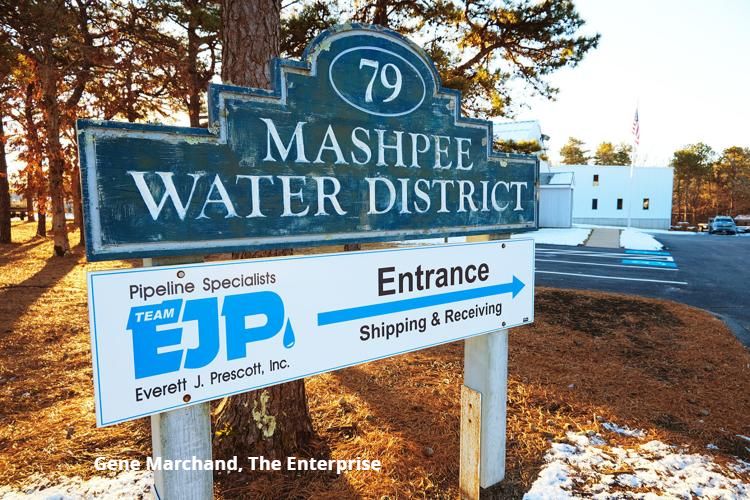
Air Force Refusing To Pay For PFAS Contamination Of Mashpee Wells
By Ryan Spencer, Mashpee Enterprise, August 11, 2021
The US Air Force is refusing to reimburse Mashpee Water District taxpayers for treatment of two wells with levels of contamination from Joint Base Cape Cod that exceed Massachusetts drinking water standards.
The water district sent a demand letter to the Air Force in May after voters approved an estimated $8.5 million filtration system to remove PFAS contaminants from drinking water supplies on Turner Road.
PFAS, also known as “forever chemicals” because they never fully degrade, are a class of manmade chemicals that have been linked to low infant birth weights, suppression of the immune system and cancer.
The use of firefighting foams at Joint Base Cape Cod more than two decades ago is the known source of several plumes of PFAS contamination that have infiltrated numerous wells on the Upper Cape, including the two Turner Road wells.
“There is no dispute that the PFAS contamination at issue stems from the use of firefighter foam at JBCC,” the demand letter from the water district said. “As such, the United States of America is solely responsible for the cleanup.” Read more.
|
|
Martha’s Vineyard and Nantucket face dire climate change impacts, new report says
“To put this into perspective: Today’s storm is tomorrow’s high tide.”
By Philip Marcelo, Associated Press, August 4, 2021
BOSTON (AP) — The famous islands of Martha’s Vineyard and Nantucket in Massachusetts are facing serious impacts from rising sea levels and more powerful coastal storms driven by climate change, a new environmental report released Wednesday warns.
The “State of the Coast” report by the Trustees, a prominent Massachusetts conservation group, says the popular tourist destinations off Cape Cod risk losing hundreds of acres of marshlands to flooding and billions of dollars in coastal homes, buildings and infrastructure to erosion. What’s more, roughly 900 structures on the two islands may experience daily tidal flooding by 2050 as sea levels are predicted to rise more than 2.5 feet (0.76 meters), the organization said.
“The impacts of flooding and erosion on these beloved islands will affect thousands who live and work there, and the thousands more who visit each summer,” said Tom O’Shea, a managing director at the Trustees. “To put this into perspective: Today’s storm is tomorrow’s high tide.” Download the report. Read more.
|
|
Partner Spotlight - Cape Cod National Seashore
|
|
Climate Friendly Parks Program at Cape Cod National Seashore
The Climate Friendly Parks Program (CFP) is a collaboration of the National Park Service and the U.S. Environmental Protection Agency that helps parks with comprehensive support and with tools and resources to address climate change both within park boundaries and in surrounding communities.
Cape Cod National Seashore has taken the steps to becoming a Climate Friendly Park, including developing a Greenhouse Gas (GHG) emissions inventory, completing and committing to implement a Climate Action Plan, and committing to ongoing monitoring of GHG reduction progress and reporting the results. See some of their completed and projected climate-friendly actions and get ideas of your own:
|
|
Energy & Built Environment |
|
By Joe Emerson and Bruce Sullivan, Zero Energy Project, August 5, 2021
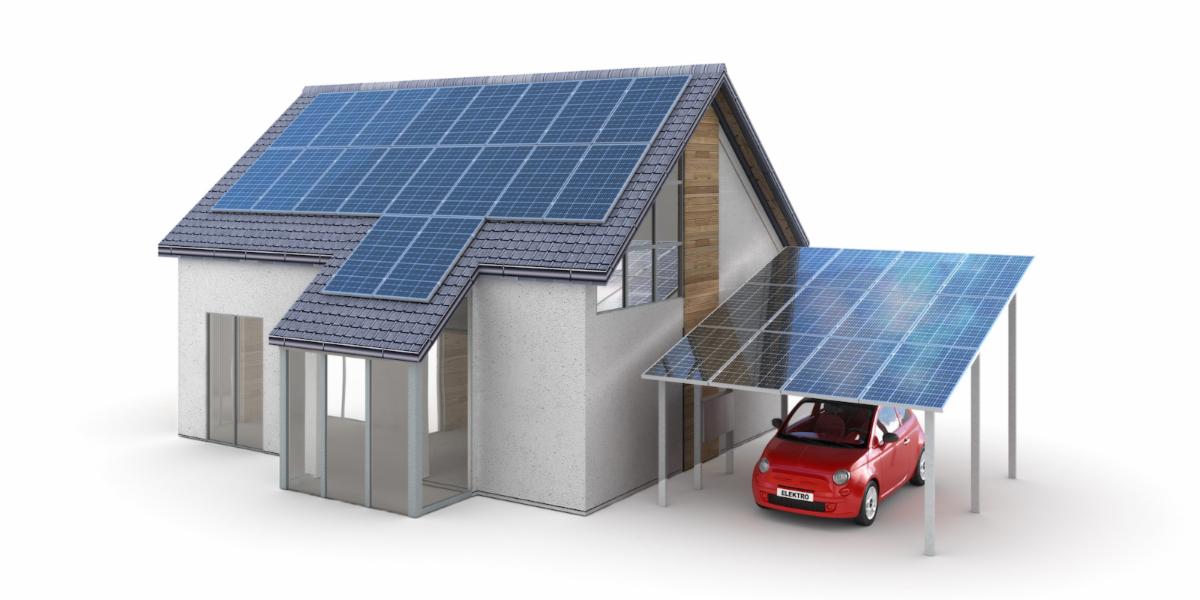
The Zero Energy Project is a strong advocate for and supporter of net zero homes (and buildings) and has been for more than a decade. These super green homes are a huge step on the path to zero carbon and healthy living. The most powerful attribute of net zero homes, unlike many green home concepts, is that zero is quantifiable through energy modeling and/or tracking energy bills. As the concept of zero evolves, moving to the next iteration of these homes — Zero 2.0 — will be central to ensuring that we meet the world’s climate goals and positively address the climate disruption, pollution, and financial challenges of the 21st century. Zero 2.0 must reduce the overall carbon impact of homes and buildings to zero while enhancing occupants’ health, security, resilience, and financial stability. Zero 2.0 is both a vision for the future of buildings and a roadmap that we must start implementing immediately. Read more.
|
|
Climate Equity & Environmental Justice |
|
Tackling Renters' Energy Costs: How Local Governments Can Equitably Improve Efficiency
The American Council for an Energy-Efficient Economy (ACEEE) recently sponsored the webinar Tackling Renters’ Energy Costs: How Local Governments Can Equitably Improve Efficiency, broadcast on Wednesday, August 4, 2021. You can watch a recording of this webinar, see the PowerPoint slides shown, or download the report.
ACEEE is a nonprofit research organization which develops policies to reduce energy waste and combat climate change. Its independent analysis advances investments, programs, and behaviors that use energy more effectively and help build an equitable clean energy future.
|
|
Podcast
Windfall, Part 5:
The Just Transition
The world is in a race against climate change, and offshore wind is a potential game changer. But every solution has its costs, financial, and human. So, how much? And who will pay the price?
To be profitable, the offshore wind industry requires vast sums of money only accessible to some of the world’s biggest companies. But is the environmental movement ready to welcome oil majors and devoted capitalists into their ranks? Ready or not, here they come.
Windfall is the story of a promising renewable technology and the potential of wind power in a changing climate. It’s a story about who has the power to reshape our energy future. Listen to the podcast here.
|
|
By Bruce Sullivan and Joe Emerson, Zero Energy Project, August 5, 2021
It’s no secret that the vast majority of U.S. housing stock is in need of improvements — for reasons of comfort, safety, and health, but especially to address sub-par energy performance. To adequately tackle our climate imperatives, those home energy improvements must happen quickly and at scale. And yet, the upfront cost of meaningful home energy improvements is challenging, both for a family’s household budget and when aggregated for the entire nation. Utility incentives and government subsidies are helpful, but will never be enough to create a deep impact. Home energy improvements at the necessary volume and pace are not likely to happen without scalable, low-cost, energy-efficient mortgages to fund the purchase of new homes and to improve the efficiency of existing homes that Americans of all income levels can easily access.
Mortgages that Promote Energy Efficiency Energy efficient mortgages (EEMs) can be obtained by borrowers to purchase or refinance an energy-efficient home or to pay for energy-efficient improvements in an existing home. They have been available for decades but their use has been distressingly low. Read more.
|
|
What You Need to Know About Zero Waste
It’s practical, it’s achievable, it’s necessary – and it doesn’t have to involve fitting all your trash into a mason jar
By Kirstie Pecci, Conservation Law Foundation, March 5, 2021
Zero Waste.
It’s another one of those environmental buzzwords that has emerged over the past few years. Many people associate the term “Zero Waste” with a lifestyle – usually, someone who can fit a whole year’s worth of trash into a single mason jar. Now don’t get me wrong, it’s amazing that some people are able to do that, but it feels more-or-less unattainable for the rest of us.
The biggest problem with that mason jar image, though, is its focus on individuals making drastic lifestyle changes. It doesn’t get to the core of our country’s waste issues – the systems we use to manage our trash.
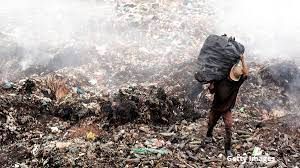
So, is that larger, systemic idea of Zero Waste – generating little to no trash as a society – actually possible? Yes! Zero Waste programs will save us money, create green jobs, and protect the environment! But to achieve Zero Waste, we need to stop looking at it as just a lifestyle and start looking at it as a strategic concept for managing our waste – and tackling the trash crisis.
The Key Ingredients to Achieving Zero Waste - Zero Waste has an official definition, courtesy of the International Zero Waste Alliance, but here’s what’s important for you to remember: Zero Waste is about phasing out polluting trash systems, like landfills and incinerators, that poison our environment and our communities. And it’s about replacing them with non-toxic, sustainable alternatives that don’t harm people, the planet, or the economy.
|
|
It’s time to freak out about methane emissions
This lesser-known greenhouse gas will make or break a “decisive decade” for climate change.
By Rebecca Leber, vox.com August 12, 2021
From his home office in Arizona, Riley Duren was multitasking, telling me about frighteningly powerful greenhouse gases even as he monitored his team’s aircraft. The plane was flying at 20,000 feet to measure methane spewing from wells in the Permian Basin of Texas. An aerial map on his computer screen brought the measurements to life: Dozens of red zones represented otherwise invisible plumes of methane above oil and gas fields.
“It’s just like watching a firework show. They’re just popping up all over the place,” said Duren, a University of Arizona scientist who leads the nonprofit Carbon Mapper, which has public and private partners including NASA, the state of California, and the company Planet.
In the public conversation about climate change, methane has gotten too little attention for too long. Many people may be unaware that humans have been spewing a greenhouse gas that’s even more potent than carbon dioxide into the atmosphere at a rate not seen in at least 800,000 years. It harms air quality and comes from sources as varied as oil and gas pipelines to landfills and cows. But methane and other greenhouse gases, including hydroflurocarbons, ozone, nitrogen dioxides, and sulfur oxides, are finally getting the attention they deserve — thanks largely to advances in the science. Read more.
|
|
Video
Why We Need Healthy Electric Homes
PSR Colorado
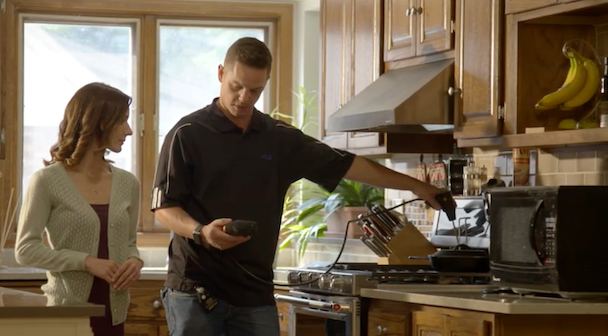
The short video, “Why We Need Healthy Electric Homes”, is designed for advocates to share with decision-makers, utility providers, agencies, and contractors to promote better access to, and use of, clean electric heating and cooking technologies as healthier, less-polluting alternatives to gas. To learn more go to https://www.psrcolorado.org/ or write to them at info@psrcolorado.org. Watch the video.
|
|
By Bruce Sullivan, Zero Energy Project, July 19, 2021
Zero energy homes have many advanced features and systems. After you have your very own zero energy home, you’ll want to keep it operating at peak efficiency. Fortunately, home maintenance for these homes is not more difficult or time consuming than for conventional homes. Read more.
|
Cold Climate Heat Pumps
Cape Light Compact offers Electric Heating & Cooling Rebate Program
Cold Climate Heat Pumps are one of the most efficient ways to cool and heat your home. Cape Light Compact offers a number of options and rebates to help you upgrade or switch to Heat Pump Technology. Looking for heat pump rebates for your business? Check out CLC offers here.
|
|
Exclusive: Strange bedfellows come together on EV charging
By Andrew Freedman, Axios, August 11, 2021
A new initiative from a diverse array of groups from the Natural Resources Defense Council (NRDC) to the Edison Electric Institute and major automaker trade organizations is launching Wednesday. What to watch: Its goal is to mobilize private capital and forge public-private partnerships to rapidly accelerate the deployment of electric vehicle charging stations and related infrastructure nationwide.
Why it matters: The group, known as the National EV Charging Initiative, counts among its members electrical workers who will help supply and install the infrastructure to power EVs as well as advocates who are focused on addressing racial, economic and environmental inequities.Between the lines: The 24 signatories of the MOU include some strange bedfellows, including unions, electrical utilities and environmental groups that have sparred in the past over other issues.
- They include the Alliance for Transportation Electrification, which counts GM, Ford and Honda among its members.
- Also part of the new push is the Alliance for Automotive Innovation, which has on its membership roster BMW, Ford, Mazda, Nissan and Toyota, and the nonprofit group Veloz, which brings in PG&E, Uber and Lyft.
-
There's also The Coalition for Green Capital, Ceres, CALSTART, the California Electric Transportation Coalition, Environmental Defense Fund, Sierra Club, International Brotherhood of Electrical Workers, and Green Latinos, among other signatories. Read more.
|
|
Agriculture/Aquaculture/Food |
|
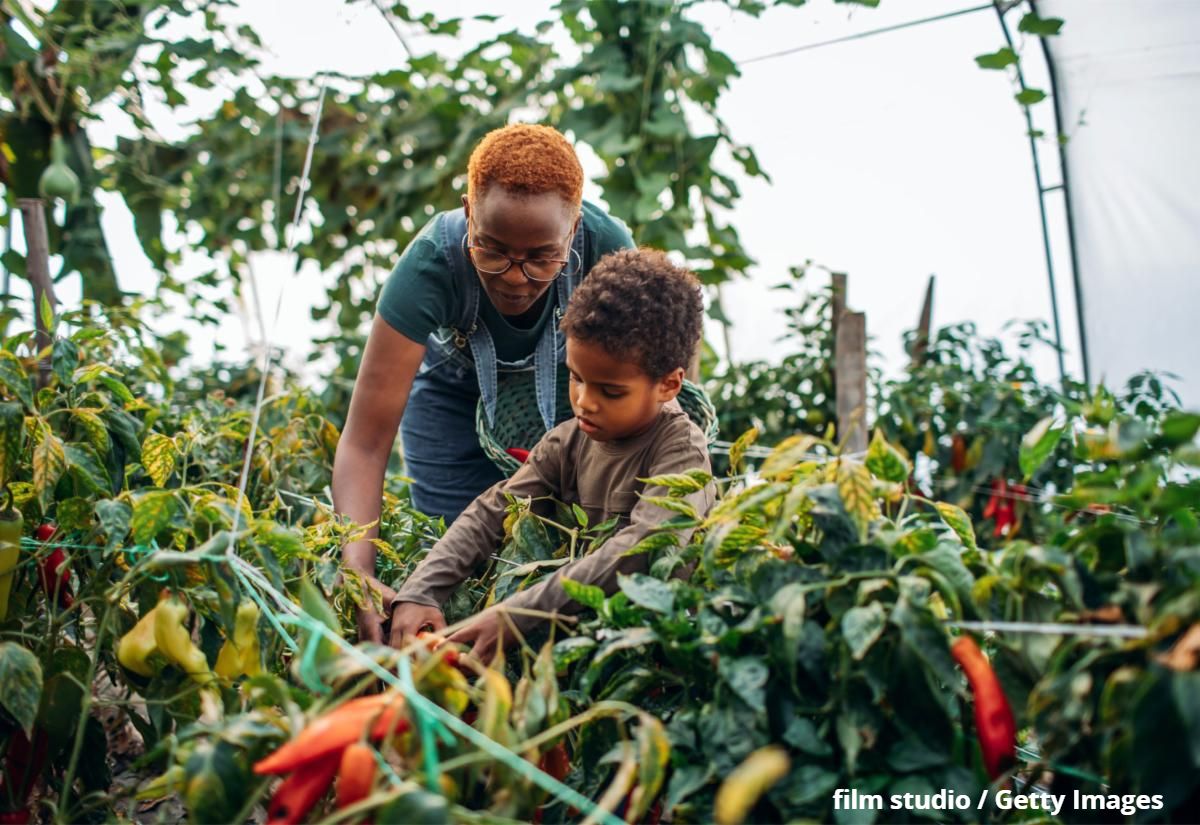
Sustainable agriculture is the future of farming – here’s why
When it comes to competing against forces of gentrification and big agribusiness in the name of food equity, small farmers and urban farms have a lot in common.
It's time to burst the bubble of the rural-urban divide: When it comes to competing against forces of gentrification and big agribusiness in the name of food equity, small farmers and urban farms have a lot in common. Here’s how two agricultural entrepreneurs are working toward common ground in the name of a healthier food supply.
In the working-class neighborhood of Pinehurst in Columbia, South Carolina, small-town attractions like parks, baseball fields, HBCU colleges, and parades are plentiful. So were grocery stores: Pinehurst was once home to a Piggly Wiggly, and a Sav-A-Lot, among others. Then in 2019, they suddenly all closed without warning.
April Jones, a Pinehurst resident originally from Akron, Ohio, was immediately inspired to take action. Jones credits her Ohio childhood — playing outside and harvesting the corn, tomatoes, and cherries from her grandparents’ farm — with giving her a holistic way of looking at and connecting with the Earth. Having read the 2017 book Fast Food Genocide by Joel Fuhrman, M.D., she was primed to think about how the ills in society are related to food: “If you have high rates of ADHD, check your food supply; if you have high crime, look at your [food] access points and how they correlate to food outcome[s],” Jones recalls.“If my community doesn’t have access,” she says, “I wanted to create it.” Read more.
|
|
Trainings, Conferences & Webinars |
|
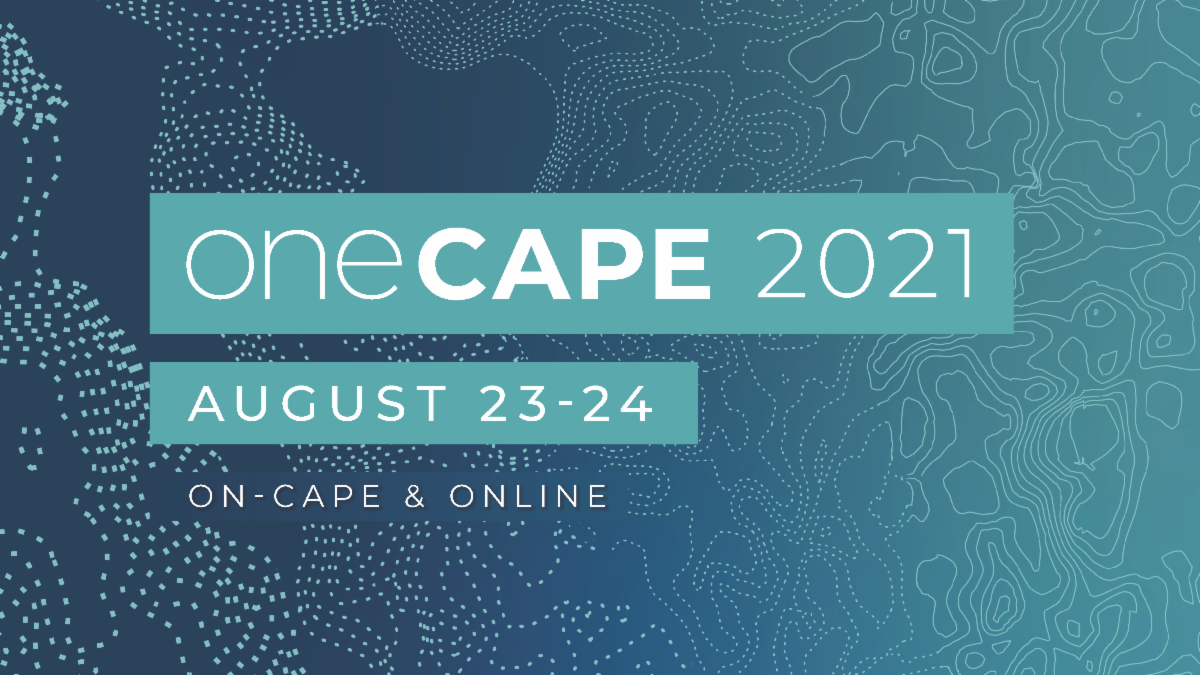
OneCape 2021
August 23-24, 2021
Virtual conference
The Cape Cod Commission is excited to welcome you virtually for OneCape 2021, on August 23 and 24, 2021.
The OneCape Summit is a regional forum for collaboration, innovation, and excellence across major policy issues and areas. Over the course of two days, sessions will cover strategies to address marine and freshwater quality, work to mitigate and adapt to climate-related impacts in the region, local and regional strategies to support housing needs, and building resilience within our natural, built, and community systems in a post-COVID economy.
|
|
OneCape breakout sessions announced, Climate Collaborative leaders to participate
Join the breakout sessions on climate action, climate equity, economic recovery, housing strategies, water quality, ponds and lakes, and more. The two sessions below feature Climate Collaborative board members Janet Williams, Mon Cochran and Susan Starkey:
August 23 | 12:45 PM RESILIENCY ROLE MODELS: BYLAWS FOR CLIMATE ACTION
This session will provide an overview of three model bylaws – two address development along the coast and in floodplains, and the third addresses siting and project review of large-scale solar installations. Adoption and implementation of these bylaws by local municipalities will help communities regulate development in the region’s most vulnerable areas and direct solar projects to appropriate sites.
August 24 | 1:00 PM ACTION FOR ALL: EXPLORING CLIMATE EQUITY ON CAPE COD
Successfully addressing climate change requires equitable planning and implementation strategies. This involves strengthening community resilience while ensuring that equity is integrated into policies and practices. Learn about why and how communities and organizations can incorporate equity into climate mitigation and adaptation and join a facilitated discussion to share ideas about how to foster equitable implementation of the Climate Action Plan.
|
|
|
|
We are an all-volunteer 501(c)(3) organization whose mission is to reach carbon neutrality — or net zero — on Cape Cod and the Islands of Massachusetts by enhancing communication, collaboration, and activism among organizations, programs, and individuals committed to mitigating the climate crisis. We depend upon the generosity of our stakeholders to conduct our work. All donations are tax deductible as allowed by law.
|
|
The Climate Action Alerts newsletter is compiled and crafted by Fran Schofield. If you've got a climate story from your home, school, workplace, town or organization, please be in touch! And don't forget to share this action alert with your friends and suggest they subscribe here.
|
|
|
|
|
|
|