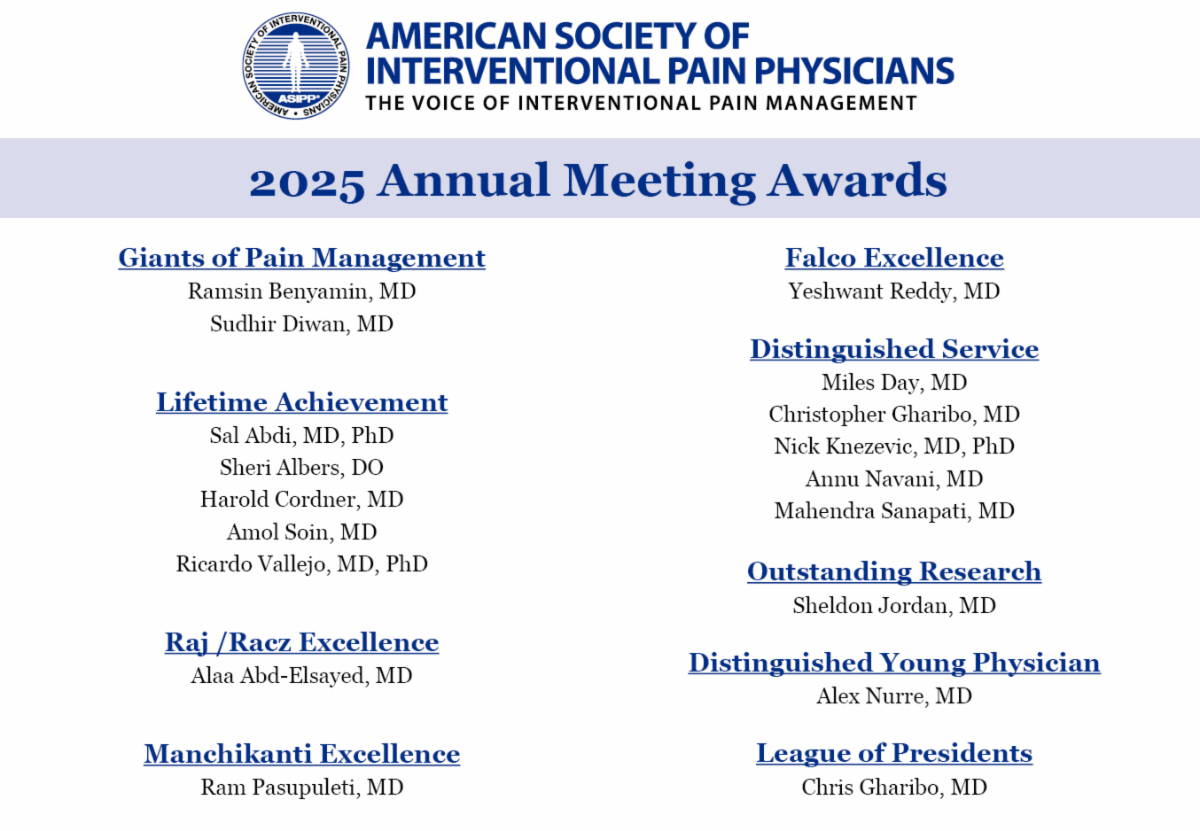
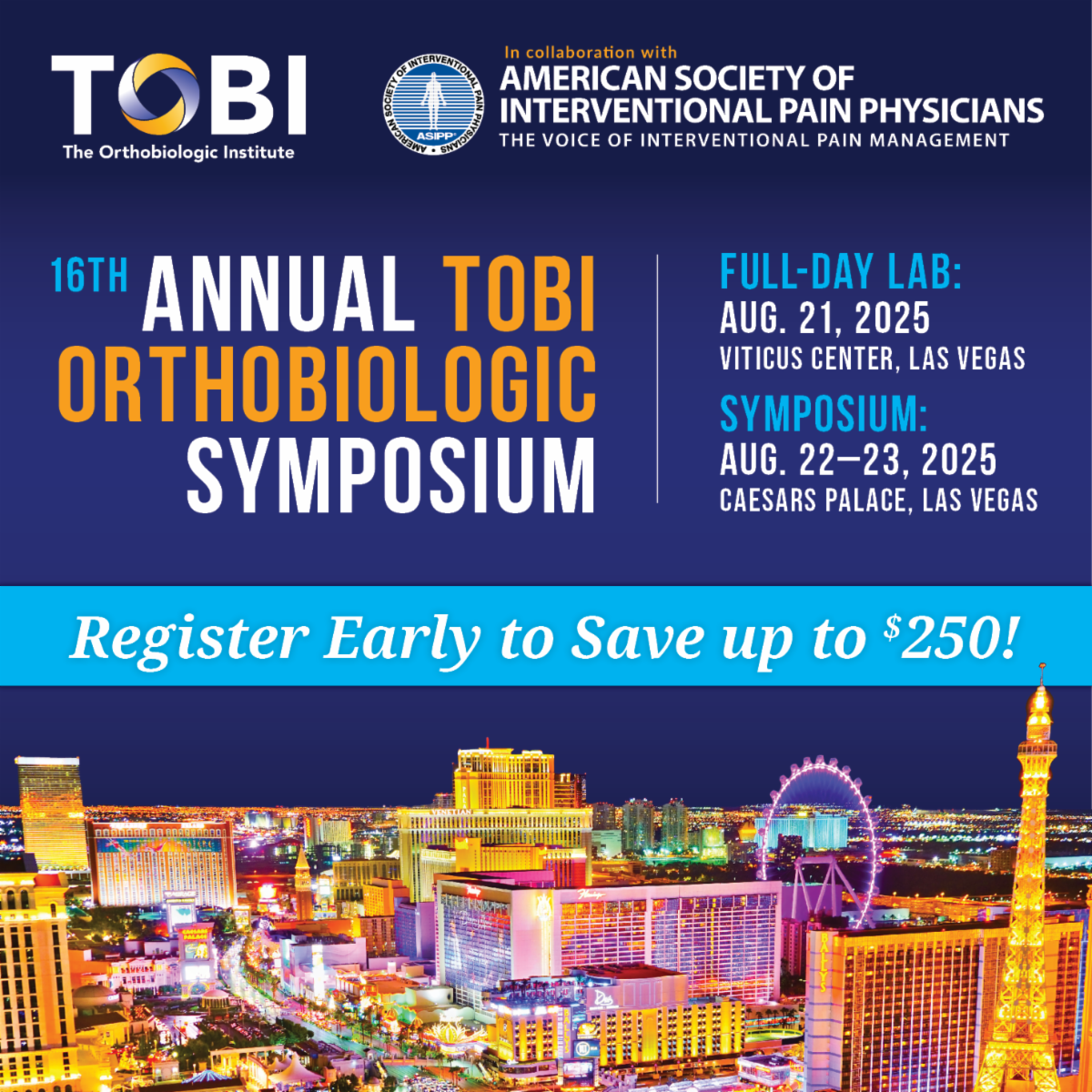
We would love it if you would
register and join us in Orlando!
| |
Discover the Future of IPM with AI
Please join us on April 19th for ASIPP’s exclusive webinar, Automation Through Artificial Intelligence in IPM.
Learn how AI-powered tools are transforming documentation, communication, patient engagement, revenue cycle management, procedure training, and more.
Agenda coming soon!
| |
Cuts to FDA staff may hurt federal cybersecurity efforts, experts suggest
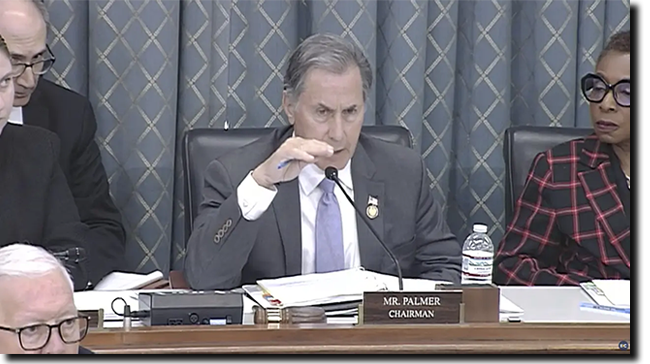
Tuesday's house hearing on medical device cybersecurity included discussions on how hospitals and other providers can keep up with cyber threats as well as what the effect of Tuesday's massive layoffs at FDA and other HHS divisions will mean for cybersecurity safeguards.
There are a broad range of medical devices that may be vulnerable to cybersecurity breaches, said Rep. Gary Palmer (R-Ala.), chairman of the House Energy & Commerce Oversight and Investigations Subcommittee, at a subcommittee hearing on "Aging Technology, Emerging Threats: Examining Cybersecurity Vulnerabilities in Legacy Medical Devices."
"In some instances, these are older devices that were made before existing cybersecurity requirements were established. But they can also be newer devices that have outdated software and lack the necessary cybersecurity protections required to defend against current threats," he explained.
Read More
| | |
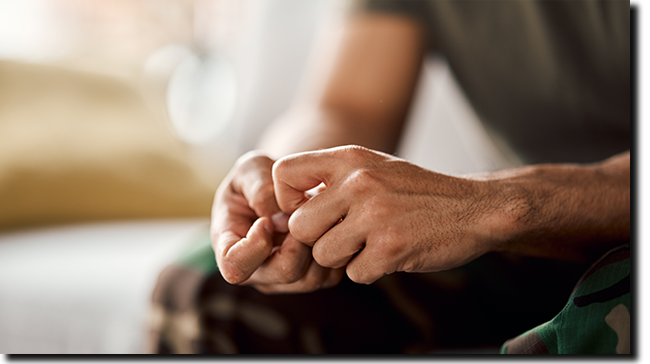
Rates of depression and anxiety were significantly higher in people with chronic pain than in those without pain, results of a new meta-analysis and systematic review showed.
Prevalence was also higher based on pain type, with higher rates of depression and anxiety among those with fibromyalgia than those with osteoarthritis, investigators found.
“The surprising finding is the significant distribution of prevalence in different pain conditions — people with certain types of pain are more vulnerable to depression and anxiety, which is important from a clinical perspective,” lead investigator Rachel Aaron, PhD, assistant professor at Johns Hopkins Medicine, Department of Physical Medicine and Rehabilitation, Baltimore, told Medscape Medical News.
Read More
| |
|
Rapid spread of the H5N1 avian influenza virus has reached an “unprecedented” scale this season, wiping out hundreds of millions of birds worldwide and increasingly infecting mammals, the Food and Agriculture Organization (FAO) of the United Nations warned on March 16. The spread of the virus poses significant risks from food and public health perspectives.
Food Security
In a statement, FAO deputy director general Godfrey Magwenzi stressed that the crisis threatens to have “serious impacts on food security and food supply in countries.”
In the United States, for instance, egg prices hit record highs in February as workers were forced to cull more than 166 million birds, primarily laying hens, according to the FAO. The organization also reported that “at least 300 new species of wild birds have been affected since 2021, posing a serious threat to biodiversity.”
Read More
| | |
New 2025 Dates
Mark your calendars!
April 26, May 31, & June 28
Four (4) hour virtual exam
- ABIPP Path – Combined CCPM/ CSM Exam
For those with subspecialty in Pain Medicine
Two (2) hour virtual exam
- ABIPP Competency Exam in IPM
For those without primary board certification
Two (2) hour virtual exam
- ABIPP Competency Exam in Regenerative Medicine
Two (2) hour virtual exam
- Controlled Substance Management Competency Exam
Two (2) hour virtual exam
- Documentation, Coding, Compliance, Practice Management Competency Exam
Two (2) hour virtual exam
| | |
It's time to build back trust in healthcare
Have you ever marveled that a new patient will share with you their most intimate secrets, just minutes after you initiate their medical history in the exam room? Patients will discuss what they might not share with friends, spouses, significant others, and even their clergy-person. This privilege should not be taken for granted.
It is time to pause and think about patients' trust in physicians. This article will describe the current situation of declining trust in doctors and what we can do to regain the positive reputation we once held.
After the COVID pandemic, respect for the healthcare profession took a hit. Politics often overshadowed medical expertise. Patients arrived in our offices armed with a briefcase of downloaded material that was chock full of misinformation or content from unreliable sources. For many physicians, this became a source of frustration and disillusionment, because correcting misinformation was time-consuming.
Read More
| | - ASIPP Members Only Site Information - | |
-
To log in for the first time you will need to click “forgot password” at the bottom of the login window.
- Check your email and then log in as directed.
-
If you have problems logging into your account, click here.
| | |
When doctors fall ill, how do they handle their own care? Do they trust their peers, or do they rely on self-diagnosis? A recent survey by MediQuality, a Medscape Network platform, delved into how illness affects doctors’ practices, their trust in the medical profession, and their empathy towards patients, revealing some surprising insights.
The survey included 892 doctors, half of whom were French-speaking. Its results revealed that 7 out of 10 doctors treated themselves while also consulting a colleague. However, 1 in 10 admitted to exclusively self-treating. Why? Some respondents pointed to feeling overlooked or disrespected by their peers as the key reason.
Seeking care can be particularly challenging for healthcare professionals. The French National Council of the Order of Physicians strongly discourages self-diagnosis, warning of its risks. These include a lack of objectivity, diagnostic errors, and the underestimation of certain symptoms, all of which can endanger both the doctor’s health and the safety of their patients.
Read More
| |
|
Is It Time to Overhaul Medical Malpractice Law?
About a quarter century ago, Virginia resident physician Daniel Merenstein, MD, spoke with a 53-year-old patient about prostate cancer screening. The man didn’t receive a prostate-specific antigen (PSA) test and was later diagnosed with an advanced form of the disease. He then filed a medical malpractice claim against the physician’s residency program.
In court, the patient’s lawyer argued that the physician should have simply ordered a PSA test without discussion, as was common practice. The physician’s legal team countered that he followed evidence and guidelines, not tradition, and gave his patient a say in the decision. As Merenstein later wrote in JAMA, jurors didn’t buy it.
“The jury sent a message to the residency that they didn’t believe in evidence-based medicine. They also sent a message that they didn’t believe in the national guidelines, and they didn’t trust the shared decision-making model,” Merenstein wrote. He added: “In our legal system, the physicians who are slow to change are the winners.”
Read More
| | |
Pain Medicine Case Reports (PMCR) and Editor-in-Chief Alaa Abd-Elsayed, MD, PhD would like to invite you to submit case reports and case series to the PMCR journal. Your article will be published free of charge.
Open access journals are freely available online for immediate worldwide open access to the full text of published articles. There is no subscription fee for open access journals. Open access journals are no different from traditional subscription-based journals: they undergo the same peer review and quality control as any other scholarly journal.
Interested in becoming a member of the PMCR Editorial Board?
Editorial board members are asked to review 2-6 manuscripts per year. Please submit your most up-to-date CV to sgold@asipp.org for consideration.
For more information or to submit your articles, click here.
| | |
We are excited to announce that Pain Medicine Case Reports (PMCR) journal (eISSN 2768-5152) has been accepted for inclusion in MEDLINE and PubMed, the prestigious bibliographic database of the U.S. National Library of Medicine. PMCR, a companion publication to the prestigious Pain Physician journal by ASIPP, joins its counterpart in achieving indexing in both MEDLINE and PubMed, marking ASIPP’s dual presence in these renowned databases.
The inclusion of PMCR journal in MEDLINE signifies a higher level of selectivity, as MEDLINE consists of the top 5,200 biomedical journals. This indexing also means that articles from PMCR will be searchable using NLM Medical Subject Headings (MeSH terms) and other metadata.
The selection for MEDLINE follows a rigorous evaluation process by reviewers from the Literature Selection Technical Review Committee (LSTRC). According to their criteria, the scientific quality of a journal’s content is the primary factor considered for indexing.
We extend our congratulations to the Pain Medicine Case Reports Editor-in-Chief, Deputy Editor-in-Chief, Journal Team, and Editorial Board for this achievement, which underscores the significance and excellence of this esteemed journal.
| | |
Newshaw Arvin, BS, Andrew Barker, MD, Blake Fechtel, MD, Matthew Cutrer, MD, and Yashar Eshraghi, MD
Abstract
BACKGROUND: Complex regional pain syndrome (CRPS) presents a significant treatment challenge, characterized by severe pain following trauma or surgery. This study examines CRPS management, emphasizing the role of temporary peripheral nerve stimulation (PNS) in alleviating subacute postoperative symptoms.
CASE REPORT: Focusing on a case study of a 65-year-old woman with CRPS Type I, we explore the use of a temporary PNS system, highlighting its effectiveness in reducing pain by 80% and facilitating rehabilitation. The procedure involved ultrasound-guided percutaneous lead placement, showcasing a minimally invasive approach with substantial functional improvements for the patient.
CONCLUSIONS: This case underscores the potential of temporary PNS in CRPS treatment in the subacute setting, advocating for further research to validate its efficacy and expand its application in clinical practice. The manuscript calls for additional studies to explore the benefits of temporary PNS, aiming to enhance pain management strategies and improve quality of life for CRPS patients.
KEY WORDS: Peripheral nerve stimulation, complex regional pain syndrome, upper extremity pain, chronic pain, case report
Read More
| | |
Rashid M. Rashid , Kenneth D. Candido , Shariq Ibrahim , Bangda Chai, MD, PhD, Ling Gao, PhD, Yanling Song, MD, Yue Wang, MD, Xiaowen Pan, BN, Wenjun Le, PhD, Weiting Liu, MD, and Zhongmin Liu, MD, PhD
Abstract
BACKGROUND: Scalp platelet-rich plasma (PRP) mesotherapy is commonly used to increase hair density and improve scalp health in patients with androgenetic alopecia. While PRP therapy is favored for its lower risk of adverse effects and reduced treatment frequency compared to other methods, the potential for injection site pain remains a significant challenge, potentially reducing patient compliance and treatment continuation.
OBJECTIVE: To evaluate the effectiveness of local skin precooling in reducing injection site pain during scalp PRP mesotherapy in patients with androgenetic alopecia.
STUDY DESIGN: A single-center retrospective study.
SETTING: This study was conducted at the Precision Health Management Center of the Shanghai East Hospital, Tongji University School of Medicine, People’s Republic of China.
METHODS: Data were collected from 100 patients (82 men, 18 women) aged 18-50 years who underwent scalp PRP mesotherapy from August 2020 through July 2024. Patients were divided into 2 groups: Group A (n = 50) received local skin precooling administered using sterile gloves by way of soft ice packs for 2 minutes pre scalp nerve block; Group B (n = 50) did not receive local skin precooling pre scalp nerve block. All patients received scalp PRP mesotherapy. Pain perception was measured using a 100-mm Visual Analog Scale (VAS) at multiple time points: 30 seconds post scalp nerve block at 2 nerve points, at immediate posttreatment, and at one- and 24-hours posttreatment. Demographic data and Positive and Negative Affect Schedule scores were also collected. Safety outcomes included the incidence of adverse events.
RESULTS: VAS scores were significantly lower in Group A compared to Group B at all measured time points. At 30 seconds post scalp nerve block, Group A showed a 34.08% pain reduction at the supraorbital nerve and the supratrochlear nerve and an 18.86% pain reduction at the greater occipital nerve compared to Group B. VAS scores for Group A at immediate posttreatment, and one and 24 hours posttreatment were significantly lower than those for Group B (P < 0.05). The primary adverse reactions reported were mild. They included headache, injection site pain, and scalp sensitivity, all of which resolved quickly.
LIMITATIONS: The retrospective nature of the study, limited data collection, small sample size, and short follow-up period are notable limitations. Larger-scale prospective studies with extended follow-up periods are recommended for future research.
CONCLUSION: local skin precooling is a simple and effective technique for reducing injection site pain during a scalp nerve block. PRP mesotherapy, thereby enhancing patient comfort and compliance. Our study is the first to analyze the analgesic effects of local skin precooling on scalp nerve block injection site pain in patients undergoing scalp mesotherapy.
KEY WORDS: Mesotherapy, androgenetic alopecia, local skin precooling, injection site pain, scalp nerve block, visual analog scale, pain management
Read More
| | |
Xin-yu Zhang, MD, Jian-li Zhao, MD, PhD, Ya-jing Wang, MD, PhD, Jie Luan, MD, Hong-qi Lin, MD, PhD, and Dajie Wang, MD
Abstract
BACKGROUND: Lumbar spinal stenosis is the most common cause for spinal surgery of older adults. It is associated with pain in the legs and back as well as impaired ambulation. Minimally Invasive Lumbar Decompression (MILD®, Vertos Medical) is a percutaneous, image-guided lumbar decompression technique for central canal stenosis secondary to a hypertrophied ligamentum flavum. However, whether MILD can achieve adequate beneficial results in patients with lumbar spinal stenosis remains undetermined.
OBJECTIVE: To assess the efficacy and complications of MILD for lumbar spinal stenosis.
STUDY DESIGN: A systematic review and meta-analysis.
METHODS: Electronic databases were searched to identify all clinical trials of patients undergoing MILD surgery. Primary outcomes included Visual Analog Scale scores (VAS) or Oswestry Disability Index scores (ODI) at baseline, < 6 months posttreatment, <= 6 months posttreatment, < one year, and >= one year posttreatment. Secondary outcomes included postoperative complications. For continuous variables, the treatment effects were calculated by weighted mean difference and 95% CI. The statistical significance was defined as P < 0.05.
RESULTS: There were 334 trials identified; 12 of them, with data from 500 patients, were included in our analysis. MILD treatment resulted in a significant decrease in the mean pain score compared to the baseline (P < 0.01). There is a consistent pattern of decreased mean ODI scores following MILD compared to the baseline (P < 0.01).
LIMITATIONS: The included MILD clinical trials did not have the same exclusion and inclusion criteria. While all clinical trials in this study adopted conservative treatments prior to MILD, there were no standardized treatment modalities and length of time. All of the studies employed subjective outcome tools including VAS and ODI. However, these self-reported outcome tools are subject to bias.
CONCLUSIONS: Our study suggests MILD is an effective and safe surgical technique for patients with stenosis from ligamentum flavum hypertrophy. This technique resulted in significant clinical improvement, as indicated by changes in pain scores and ODI scores. In addition, adverse events were low compared to other surgical decompression techniques. To further confirm this, more well designed and powered randomized trials are needed.
KEY WORDS: Spinal stenosis, lumbar spine, decompression, stenosis, minimally invasive decompression, Visual Analog Scale score, Oswestry Disability Index, side effects
Read More
| | |
ASIPP is now in collaboration with Curi Medical Liability Program
Since this malpractice insurance program officially launched in November 2018, ASIPP has signed up hundreds of providers with an average savings of 30%. This is professional liability insurance tailored to our specialty and will stand up for us and defend our practices.
Curi is a full-service advisory firm that serves physicians and their practices. Their valued advice is grounded in your priorities and elevated in your outcomes. They are driven by a deep understanding of your specific circumstances in medicine, business, and life. To read a few important points to keep in mind about the program, including discounts, administrative defense, cyber coverage, aggressive claims handling, and complimentary risk management CME activities, visit our website.
| | |
|
Group Purchasing Organization Offer Better Pricing and Creates Added Value
ASIPP has formed a partnership with Henry Schein and PedsPal, a national GPO that has a successful history of negotiating better prices on medical supplies and creating value-added services for independent physicians. Working with MedAssets, PedsPal provides excellent pricing on products like contrast media that alleviate some of the financial pressures you experience today.
Learn More
| |  |
|
ASIPP, Fedora Healthcare Solutions Partnership
ASIPP offers our members the benefit of a unique revenue cycle management/ billing service.
We have received a tremendous amount of interest in the ASIPP billing and coding program.
Click here to learn more about the negotiated rate for practices and more!
| | Like and follow ASIPP® on Facebook, X, LinkedIn, and YouTube for the most up-to-date news related to you, your practice, and your patients! | | | | |