2026 Legislative Update: Week 6

Feb. 20, 2026


SCCF in Tallahassee

Budget Process Moves Forward

The House and Senate approved their respective budget proposals this week and will move to the budget conference process next. To set the budgets in proper posture for the budget conference process, the Senate adopted the House budget but added 182 amendments to better align some of the projects and address conflicting priorities.


Although both chambers seem far apart on some elements of the budget, Senate President Ben Albritton pointed out, while discussing the budget with the press yesterday, that “When you look at the budget as whole, we’re much closer than we were at this point than we were last year.” Albritton went on to say he was encouraged to see the side-by-side comparisons of the House’s budget and the Senate budget, implying that they are closer in alignment than some perceive.


The $113.6 billion House spending plan is close to $1 billion below last year’s final state budget of $114.8 billion. The Senate's budget proposal is $115 billion, while Gov. Ron DeSantis’ current proposed budget is $117.4 billion.


Fiscal Year 2026-27 House Budget Proposal

  • $350M for Everglades Restoration (multi-partner land acquisition, invasive species control)
  • $155M for Comprehensive Everglades Restoration (CERP) reservoir, water treatment infrastructure projects
  • $0 for Florida Forever Land Acquisition
  • $200M or Rural and Family Lands (conservation easements on privately owned farmland)
  • $250M for Captiva Invasive Plant Replacement and Dune Biodiversification


Fiscal Year 2026-27 Senate Budget Proposal

  • $738.6M for Everglades Restoration
  •  $450.4M for CERP
  • $35M (+$15M for specific land projects) for Florida Forever
  • $300M for Rural and Family Lands
  • $650K for Sanibel Tradewinds Drainage Project (hurricane recovery)

SCCF Travels to Tallahassee


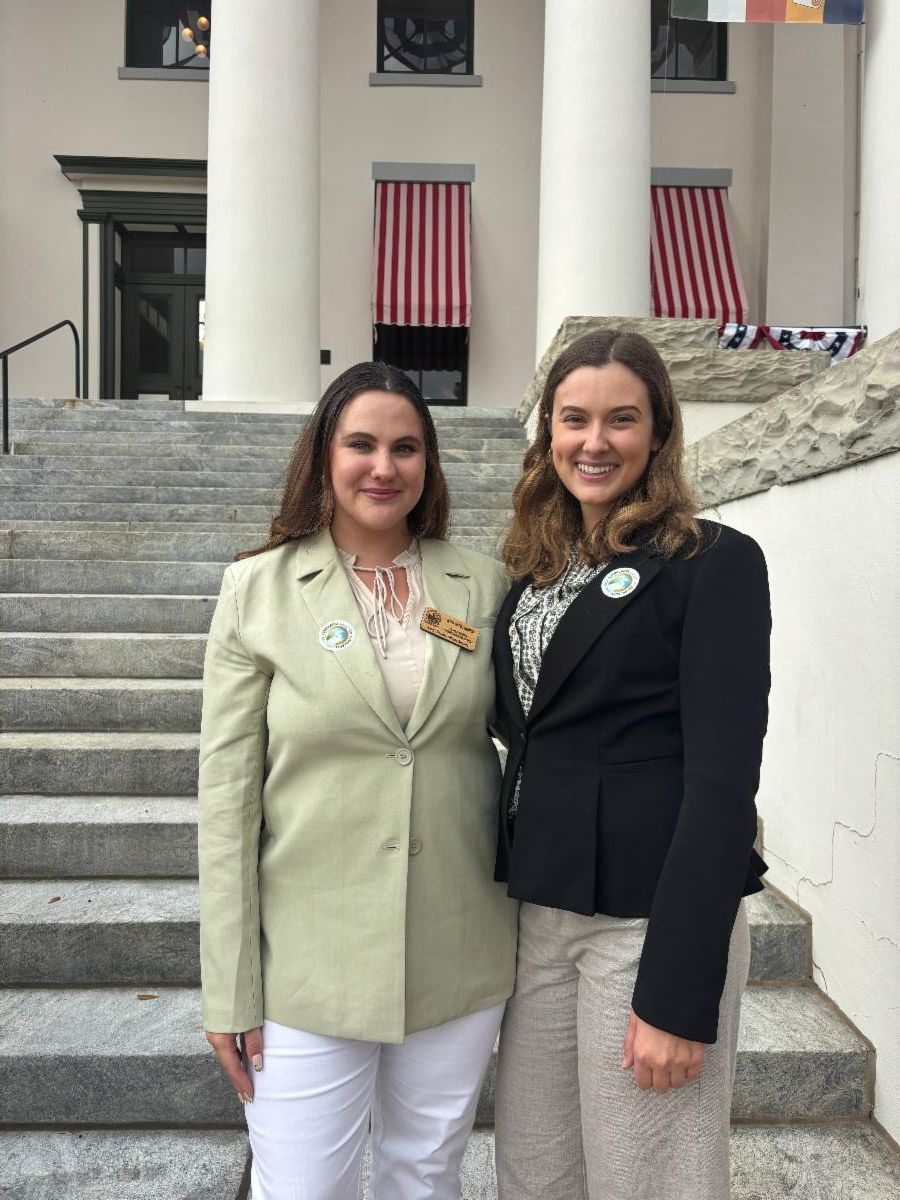
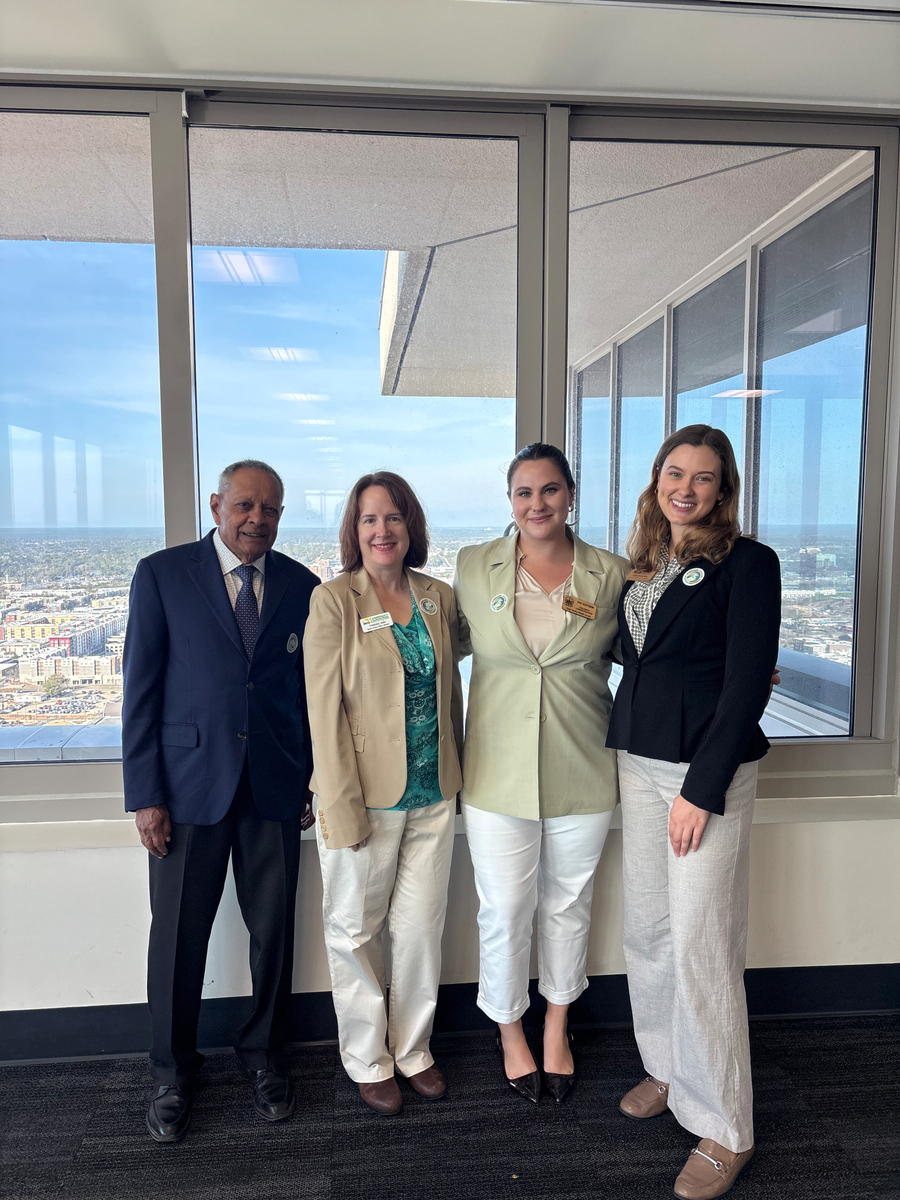
SCCF hit the road to Tallahassee this week to meet with elected officials on Everglades-related priorities in the height of legislative session. Joining SCCF Policy Associate Allie Pecenka on the trip were Kyra Sadat-Ruben with The Ding Darling Wildlife Society, Sanibel resident Vijay Sarthy, and Tammy Ash with the Conservancy of Southwest Florida. 


The group attended as part of Everglades Action Day, the Everglades Coalition’s annual advocacy trip where nonprofit staff, scientists, students and passionate citizens present the Coalition's legislative priorities to elected officials from their district. Legislative priorities included fully funding Everglades restoration, further protecting Florida waters, building resilience into restoration infrastructure, and advocating for smart growth while protecting ecosystems from harmful development.


Together, the group formed the Lee and Collier County team and met with Senators, Representatives, and staff from those districts. The team held meetings with the office of Sen. Jonathan Martin, Rep. Lauren Melo, and Rep. Yvette Bennaroch. For offices busy with committee hearings, occurring daily in the midst of session, the Everglades Coalition’s legislative priorities were dropped off with staff for later review. 


Given the connection of the Caloosahatchee to the Everglades system, advocating for these priorities with local officials is critical for protecting water quality and ecosystems in Southwest Florida. 


“We had a great team and couldn’t be more proud to represent Sanibel and Captiva at the Florida Capitol, advocating for protection of our ecosystems and what makes our barrier islands magical. When you have Sanibel residents willing to travel all the way to Tallahassee to help toward this effort, I think that shows what a special community we have here," said SCCF Policy Associate Allie Pecenka. "We are grateful to all who aided in making this trip possible and look forward to further advocacy at the local and state levels.” 

SCCF led the Lee and Collier County team for Everglades Action Day 2026. Attending on the team (pictured from left to right) were Vijay Sarthy, Tammy Ash, Kyra Sadat-Ruben and Allie Pecenka.

BILL UPDATES

SB 354/HB 299: Blue Ribbon Projects – Allows administrative approval of developments on 10,000 or more acres as long as it meets certain parameters. Both bills have one committee to go. Please see the in-depth analysis of the bill below in SCCF’s featured Bill of the Week.


SB 686/HB 691: Agricultural Enclaves – Local government preemption bill that encourages sprawl in rural areas. SB 686 is on the agenda for its final committee hearing next week. HB 691 passed its final committee this week with an amendment that made the bill worse by allowing maximum density (industrial/commercial) if land is adjacent to an interstate highway. The premise of this bill will allow lands adjacent to those newly zoned commercial lands to also be considered for increased density, a domino effect, hastening sprawl.


SB 840/HB 1465: Land Use Regulations for Local Governments Affected by Natural Disasters – The Senate version of this bill was filed to “fix” the harmful preemptions of last year’s SB 180. The full Senate has passed this bill and the hope is that the House will take up this version since the House companion bill was never heard in committee.


SB 302/HB1035: Nature-based Coastal Resiliency – Develops guidelines and promotes nature-based solutions for coastal resiliency. This passed the full Senate, while the House bill is scheduled for a vote of the full House next week.


SB 290/HB 433: FL Department of Agriculture and Consumer Services (Florida Farm bill). The worst element of the Senate version, the disparagement (AKA "muzzle") clause, has been stripped from the bill, passed by the full Senate and sent to the House for their consideration. HB 433 still contains the damaging section and still must be heard in one more committee. Another bad element of both bills, the language to surplus “suitable” state conservation lands for agricultural uses, was amended on the Senate floor to exempt state parks/forests, wildlife management areas and lands approved for Everglades restoration. There is a strong effort to encourage the House to take up the Senate version or risk getting stalled with only three weeks left in the 2026 legislative session.


SB 546/HB 441: Conservation Lands – Adds transparency to any proposed sale of conservation lands – HB 441 passed unanimously in the House and was sent to the Senate this Wednesday. The Senate is scheduled to take up SB 546 but may adopt the identical House bill.

BILL OF THE WEEK: Blue Ribbon Projects

SB 354/HB 299


Our Bill of the Week this week focuses on ‘Blue Ribbon Projects’ SB 354/HB 299. The bill seeks to establish a mechanism to build massive planned developments over any potential complaints from the local community. The bill as written would compel local governments to implement large development projects that are presented to them, provided they meet certain criteria: minimum of 10,000 contiguous acres, 60% of the land set aside as reserve, must include dense mixed-use design, must have a ‘blue ribbon plan’. 


These projects are required to have long planning horizons and are designed to promote growth, even over the desires of local communities. At first glance, 60% of a large property being set aside in reserve sounds like it could be a boon to Florida’s environment. However, it is not clear that the reserve lands would provide the desired conservation benefits, as they can include agriculture, silviculture, recreational activities, utility sites, and ‘other uses that support such “activities”. Golf courses and data centers are explicitly prevented from being built in the reserve areas, but that leaves a lot of uses that would be a detriment to resource protection. 


While recent amendments were introduced to the house bill to prevent the reserve areas from being used as solar fields, there remain many opportunities for developers to utilize the set-aside lands in ways that are not synonymous with conservation, and will not serve to strengthen Florida’s environmental resources.


While the conservation benefits of the bill are dubious, the support for sprawling development is clear. The remaining land on the project parcels would be maximally developed, regardless of any potential restrictions on such development by local government. The bill states that these projects “must be approved” by local governments without any ability to review for compliance of local comprehensive land use plans. Local governments would only be able to review whether or not a plan is in compliance with the requirements of a “Blue-Ribbon Project” and if it meets the criteria then local governments would have no other option than to approve. 


This bill serves to further erode home rule and remove the ability of local leaders to make growth decisions that are reflective of the needs of their communities. At a time when conversations are taking place across the state about preserving community character, slowing down sprawl, and protecting our wild spaces, this bill accelerates the rampant destruction currently underway. By continuing to remove the ability of local governments to make planning decisions responsive to the needs of their communities, we are paving the way for unchecked development and all Floridians will be left to share in the burden of polluted water, fractured wildlife habitats, and a weakened environment.  

Check out our Legislative Tracker to see a table of the bills SCCF is following, updated daily during session.


Thank you for your involvement, and we welcome your input and feedback to make these updates more helpful to you as we work together to protect our natural environment.

SCCF is a nonprofit 501(c)(3) founded

in 1967 on Sanibel Island, Florida

EIN 59-1205087


Click here to subscribe to Connecting You to SCCF and other updates.

Facebook  Instagram  Youtube