|
We depend heavily on technology, but let's not forget about the humanity in healthcare
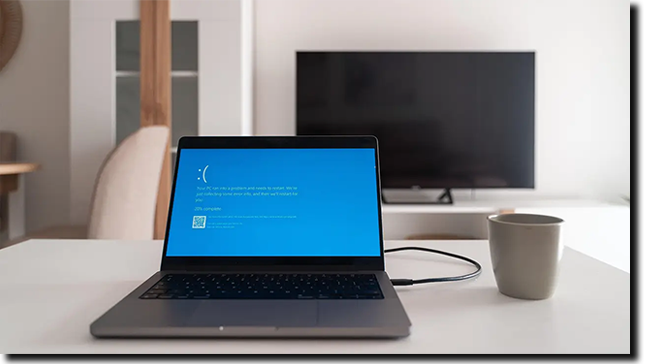
As we all woke up early Friday morning, news feeds and social media were ablaze with the news about a software update glitch that was starting to wreak havoc on computer systems around the world. The first e-mails from our institution came in, and there was that line that we all hate to see: "Prepare for downtime procedures."
This is when we revert to non-technology-based modalities of taking care of patients as best we can: Handwritten notes, copying down insurance information manually, verbally relaying communication around the practice about what is needed, handwritten orders on NCR [no carbon required] forms for nurses to pick up, and paper prescriptions for patients to -- gasp! -- take to their pharmacies. I'm breaking into a cold sweat just thinking about it.
As we headed into work on buses and subways, that thankfully seemed to be working just fine, the ramifications of this one tiny part that apparently underpins so much of what we depend on started to come to light, and our thoughts turned to what the day held for us.
Read More
| |
ASIPP State Society Meeting | |
Earn up to 15 CMEs while learning from experts and exchanging ideas with colleagues in beautiful downtown Cincinnati this August 9–11. | |
|
Residents, program faculty, and staff discussed benefits and unintended consequences
Though resident unionization provided some benefits, it may have also yielded unintentional consequences, a qualitative study showed.
Interviews with general surgery residents, as well as program faculty and staff, at two unionized programs suggested that a lack of voice and agency drove unionization. Increased salary stipends and/or housing stipends were the most concretely identified benefits of unionization, reported Julie Johnson, PhD, MSPH, of the University of North Carolina at Chapel Hill, and colleagues.
However, unintended consequences of unionization were the irrelevance of certain negotiated benefits, paradoxical losses of surgery department-provided benefits, and framing of resident-faculty relationships as adversarial, they noted in JAMA Network Open.
Read More
| |
|
The options are as staggering as the promise.
Nearly 900 AI health tools have US Food and Drug Administration (FDA) approval, and experts encourage their use to support patient care amid physician shortages and hospital closures.
But just because a tool is FDA-approved does not mean it provides value, said Nigam Shah, PhD, chief data scientist for Stanford Health Care.
You want AI that improves care while lowering costs. "Are we going to make things better or worse?" said Shah, whose team has created AI assessment processes for healthcare systems. "No one's regulating that."
Read More
| |
|
Smaller, cause-specific opioid prescriptions after emergency department visits for acute pain could provide adequate pain management and reduce the risk of misuse of unused opioid pills, according to new research.
In a prospective study in Canada, about two-thirds of opioid tablets remained unused at 2 weeks post-discharge, and this amount varied according to the cause of acute pain.
"As higher quantities of prescribed opioids are associated with higher quantities of consumed opioids, it is important to adapt opioid prescription practices to patients' analgesic needs for specific acute pain conditions while minimizing the number of unused opioid tablets that can be diverted or misused," lead author Raoul Daoust, MD, a clinical professor of family medicine and emergency medicine at the University of Montreal and a staff emergency physician at Sacré-Cœur de Montréal Hospital in Montreal, Quebec, Canada, told Medscape Medical News.
Read More
| |
|
Virtual
August 31 & September 28
Click here for the complete list of upcoming exams.
ABIPP Part I; ABIPP Path - Combined DCCPM/CSM virtual exam;
ABIPP Competency Exam in IPM; ABIPP Competency Exam in Regenerative Medicine;
CSM Competency Exam; DCCPM Competency Exam
In Person
October 18, 2024
ABIPP Part II - Practical Examination
Lab Venue: MERI, 44 S. Cleveland Street, Memphis, TN 38104
| |
|
One key responsibility for leaders across industries is connecting their teams to the big "why" of their roles. Why is the organization essential to its customers? Why is the employee's role important? Why do we do what we do?
The big "why" in healthcare seems self-evident. Health systems can connect their purpose to serving patients and making their communities healthier. But especially during transformative times, it bears repeating. That's why Peggy Duggan, MD, executive vice president, chief physician executive and chief medical officer of Tampa (Fla.) General Hospital will lean into her big "why" and guide the rest of her team to do the same over the next six months.
"Healthcare has been through incredible changes over the past five years and our systems continue to evolve," she told Becker's. "The pressure to produce and remain economically viable has become a major focus and sometimes supplants the real purpose of our work. This purpose includes helping our newer staff, who trained at a time when connection to patients was limited due to pandemic restrictions, as well as supporting our senior staff, who have traversed a changing climate of care."
Read More
| |
Registration is open for
ASIPP's 2025 Annual Meeting
We would love it if you would register and join us in Orlando!
| |
|
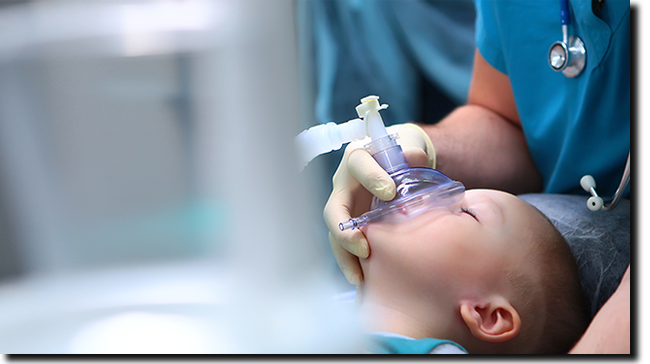
Exposure to anesthesia during an appendectomy in children does not uniquely increase the risk for subsequent neurobehavioral diagnoses compared with medical admissions without anesthesia.
- Researchers assessed 134,388 children who underwent an appendectomy and 671,940 matched healthy children from the Medicaid database between 2001 and 2018.
- They also compared 154,887 children who were admitted to the hospital for pneumonia, cellulitis, and gastroenteritis and did not receive anesthesia with 774,435 matched healthy children.
- The primary outcome was diagnosis of neurobehavioral disorders (behavioral and mood or anxiety disorders) over a median follow-up duration of 4.7 years.
Read More
| |
ASIPP State Society Meeting: | |
- ASIPP Members Only Site Information - | |
-
To log in for the first time you will need to click “forgot password” at the bottom of the login window.
- Check your email and then log in as directed.
-
If you have problems logging into your account, click here.
| |
|
Pain Medicine Case Reports (PMCR) and Editor-in-Chief Alaa Abd-Elsayed, MD, PhD would like to invite you to submit case reports and case series to the PMCR journal. Your article will be published free of charge.
Open access journals are freely available online for immediate worldwide open access to the full text of published articles. There is no subscription fee for open access journals. Open access journals are no different from traditional subscription-based journals: they undergo the same peer review and quality control as any other scholarly journal.
Interested in becoming a member of the PMCR Editorial Board?
Editorial board members are asked to review 2-6 manuscripts per year. Please submit your most up-to-date CV to sgold@asipp.org for consideration.
For more information or to submit your articles, click here.
| |
|
Esther Benedetti de Marrero, MD, Tho Chi Le, MD, Bradley Jones, MD, Andres Missair, MD, Edmond Benedetti, MD, and Alejandra Mayorga, MD
Abstract
BACKGROUND: The vacuum phenomenon is a radiologic finding that results from gas accumulation within degenerated discs, joints, or vertebrae. This gas can herniate, causing back pain and/or radiculopathy. Asymptomatic imaging abnormalities can be coincidental and/or non-concordant with clinical presentation therefore warranting close evaluation.
CASE REPORT: This 45-year-old man, previously diagnosed with lumbar facet arthropathy, returned to the clinic for left-sided axial low back pain. Imaging revealed that a gas filled mass in the right lateral recess was affecting the traversing right L5 and S1 nerve roots. Given the exclusive axial symptoms consistent with lumbar zygapophyseal joint arthropathy, the patient was treated with a repeat L3-4 medial branch and L5 dorsal ramus radiofrequency ablation and experienced subsequent near-complete pain resolution.
CONCLUSIONS: Careful consideration must be taken when conducting clinical evaluation, imaging, diagnosis, and treatment of patients with low back pain given the significant frequency of abnormal, often nonconcordant, radiological findings.
KEY WORDS: Pneumorrhachis, vacuum disc phenomenon, low back pain, case report
Read More
| |
|
Davin C. Gong, MD, Aditya Muralidharan, MD, Bilal B. Butt, MD, Ronald Wasserman, MD, Joshua D. Piche, MD, Rakesh D. Patel, MD, and Ilyas Aleem, MD
Abstract
BACKGROUND: Sacroiliac joint (SIJ) injections are crucial in the diagnostic toolkit for evaluating SIJ pathology. Recall bias is an important component in patient-reported outcomes that has not been well studied in SIJ injection.
OBJECTIVE: The purpose of this study was to characterize the accuracy, direction, and magnitude of pain level recall bias following SIJ steroid injection and study the factors that affect patient recollection.
STUDY DESIGN: Prospective cohort study.
SETTING: Level 1 academic medical center.
METHODS: Using standardized questionnaires, baseline Numeric Rating Scale (NRS-11) scores were recorded for patients undergoing SIJ steroid injections at preinjection, at 4 hours postinjection, and at 24 hours postinjection. At a minimum of 2 weeks postinjection, patients were asked to recall their preinjection, 4-hour, and 24-hour postinjection NRS-11 scores. Actual and recalled NRS-11 scores were compared using paired t tests for each time interval. Multivariable linear regression was used to identify factors that correlated with consistent recall.
RESULTS: Sixty patients with a mean age of 66 years (65% women) were included. Compared to their preinjection pain score, patients showed considerable improvement at both 4 hours (mean difference [MD] = 3.28; 95% CI, 2.68 – 3.89), and 24 hours (MD = 3.23; 95% CI, 2.44 – 4.03) postinjection. Patient recollection of preinjection symptoms was more severe than actual (MD = 0.65; 95% CI, 0.31 – 0.99). Patient recollection of symptoms was also more severe than actual at 4 hours (MD = 0.50; 95% CI .04 – 1.04) as well as at 24 hours postinjection (MD = 0.80; 95% CI, 0.16 – 1.44). The magnitude of recall bias was mild and did not exceed the minimal clinically important difference. There was a moderate correlation between actual and recalled pain levels when comparing preinjection with the 4-hour postinjection NRS-11 score (correlation coefficient [r] =0.64; P < 0.001) and moderate correlation when comparing preinjection with the 24-hour postinjection NRS-11 score (r = 0.62; P < 0.001). Linear regression models showed that at preinjection, patients with a lower body mass index and the presence of coexisting psychiatric diagnoses were better at recalling their pain (P < 0.05). Patients with a higher body mass index also experienced less pain relief when comparing preinjection with the 4-hour postinjection NRS-11 score (P < 0.05).
LIMITATIONS: Recall pain scores were obtained via telephone surveys, which can lead to interview bias. One patient died, and 3 were lost to follow-up. We did not control for patient use of adjunctive pain relief modalities, which may modulate the overall response to injection. SIJ injections can also be diagnostic, so some patients may not have shared the same indication for injection or pain-generating diagnosis.
CONCLUSIONS: Patients had favorable pain level responses to their SIJ steroid injection for both actual and recall surveys. Although patients demonstrated poor recall of absolute pain scores at preinjection, 4-hour postinjection, and 24-hour postinjection, they demonstrated robust recall of their net pain score improvement at both 4- and 24-hours postinjection. These findings suggest that there is utility in using patient recollection to describe the magnitude of pain relief following treatment for sacroiliac joint dysfunction.
KEY WORDS: Recall bias, injection, patient-reported outcomes, sacroiliac joint, nonoperative
Read More
| |
|
Yuzhi Ning, Ziyu Li, Jiahu Huang, MD, Shuang Xu, PhD, Qing Wang, MD, Jiyuan Yan, MD, and Song Wang, PhD
Abstract
BACKGROUND: Kummell’s disease (KD) and osteoporotic vertebral compression fracture (OVCF) are commonly found in patients with osteoporosis. Several studies have been conducted on bone cement distribution in OVCF or KD; a comparison between the 2 diseases is rarely reported.
OBJECTIVES: To compare the clinical efficacy and bone cement distribution difference between KD and OVCFs after percutaneous kyphoplasty (PKP).
STUDY DESIGN: This was a retrospective, nonrandomized controlled study.
SETTING: Department of Orthopedics from an affiliated hospital.
METHODS: From January 2018 to December 2020, 61 patients who underwent PKP surgery for single KD or OVCF and met the inclusion criteria were retrospectively reviewed. All patients were assigned to 2 groups: the KD group and the OVCF group. Clinical and radiologic characteristics, including the bone cement volume, leakage, bone cement dispersion scale, anterior vertebral height (AVH), median vertebral height (MVH), posterior vertebral height (PVH), Cobb angle and Visual Analog Scale (VAS) were analyzed and compared using Mimics three-dimensional (3D) reconstruction images and 3D reconstruction computed tomography, preoperatively, postoperatively, and 2 years after the operation, respectively. The correlations between the bone cement dispersion scale and the VH improvement rate (VHIR), VH change rate (VHCR), VAS improvement rate (VASIR), and follow-up VAS improvement rate (f-VASIR) were also evaluated.
RESULTS: The mean follow-up time was 24.0 months. Postoperative VH, Cobb angle, vertebra volume, and VAS score were significantly improved in the 2 groups (P < 0.05). There was no statistical difference in postoperative parameters between the 2 groups. While a strong positive correlation between VHIR and bone cement dispersion scale was observed in the OVCF group (P < 0.01), no significant correlation between VHIR and bone cement dispersion scale was found in the KD group. There was no correlation between VASIR and bone cement dispersion scale in both groups. Compared with postoperation, VH was lower in both groups in later follow-up, and the difference between the 2 groups was statistically significant (P < 0.05). VH, VAS, f-VASIR, and VHCR had a worse manifestation in the KD group than in the OVCF group. However, no significant correlation was found between VHCR, f-VASIR, and bone cement dispersion scale in the 2 groups.
LIMITATIONS: This study was limited by the non-randomized design, small sample size, and lack of a comprehensive follow-up period.
CONCLUSIONS: Although there was no significant difference in the bone cement distribution and early clinical efficacy between KD and OVCF patients under the same surgical plan and surgeon, OVCF patients exhibited better long-term radiologic and clinical outcomes.
KEY WORDS: Kummell’s disease, osteoporotic vertebral compression fractures, percutaneous kyphoplasty, bone cement distribution
Read More
| |
|
ASIPP is now in collaboration with Curi Medical Liability Program
| |
|
Since this malpractice insurance program officially launched in November 2018, ASIPP has signed up hundreds of providers with an average savings of 30%. This is professional liability insurance tailored to our specialty and will stand up for us and defend our practices.
Curi is a full-service advisory firm that serves physicians and their practices. Their valued advice is grounded in your priorities and elevated in your outcomes. They are driven by a deep understanding of your specific circumstances in medicine, business, and life. To read a few important points to keep in mind about the program, including discounts, administrative defense, cyber coverage, aggressive claims handling, and complimentary risk management CME activities, visit our website.
| | |
|
Group Purchasing Organization Offer Better Pricing and Creates Added Value
ASIPP has formed a partnership with Henry Schein and PedsPal, a national GPO that has a successful history of negotiating better prices on medical supplies and creating value-added services for independent physicians. Working with MedAssets, PedsPal provides excellent pricing on products like contrast media that alleviate some of the financial pressures you experience today.
Learn More
| |  |
|
ASIPP, Fedora Billing,
and Revenue Cycle Management Partnership
ASIPP is now offering our members the benefit of a unique revenue cycle management/ billing service.
We have received a tremendous amount of interest in the ASIPP® billing and coding program.
Click here to learn more about the negotiated rate for practices and more!
| |
|
Like and follow ASIPP® on Facebook, X, and LinkedIn for the most
up-to-date news related to you, your practice, and your patients!
| | | | |