2nd Annual Cannabis Science Advancement & Networking Gala | 2026 Student Research Award Recipients | National Cannabis Research Conference 2026 | The Institute of Cannabis Research's New Research Fellows | Upcoming Webinars for May/June | Cannabis & Health Research Initiative | Journal of Cannabis Research | | | | | |
|
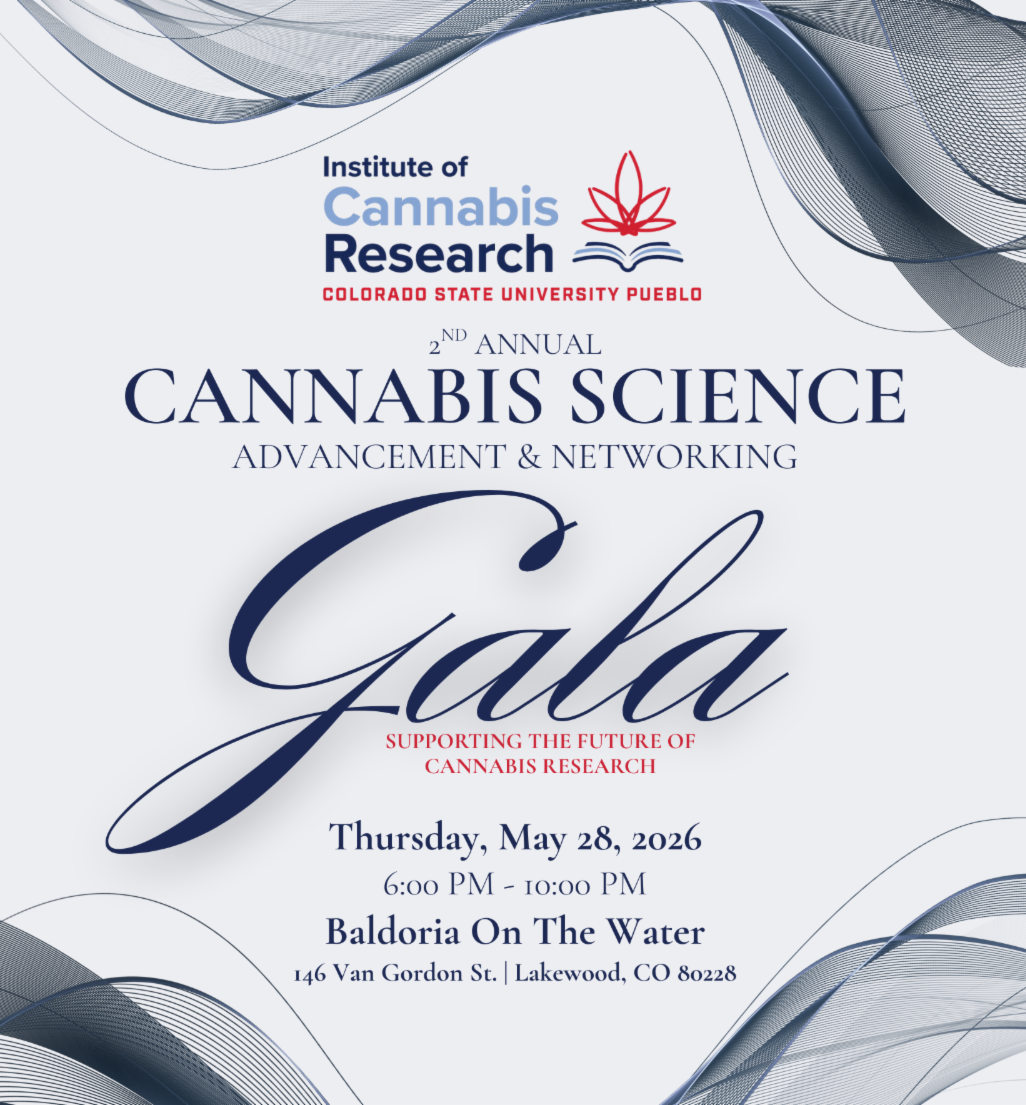
2nd Annual Cannabis Science Advancement & Networking Gala | | | |
|
Our 2nd Annual Cannabis Science Advancement & Networking Gala will be held on Thursday, May 28, 2026, at Baldoria on the Water in Lakewood, Colorado, from 6 to 10 p.m.
Your presence signals a commitment to elevating evidence-based science at a moment when clarity, credibility, and leadership matter most.
| |
The event marks a major milestone as the ICR commemorates 10 years of advancing evidence‑based cannabis research. Policymakers, researchers, and industry leaders will gather to spotlight the ICR’s scientific breakthroughs, accelerate its impact, and help shape the next decade of research.
The Cannabis Science Advancement & Networking Gala supports the ICR’s expanding research portfolio and its commitment to producing high‑quality, objective cannabis knowledge. Funds raised will directly support:
- Competitive research grants
- Student and faculty research opportunities
- Community education and outreach
- Scientific publications and conferences
- Emerging research initiatives aligned with state and national priorities
The evening will include a cocktail reception, live entertainment, a silent auction, and a seated dinner program featuring a special tribute to the 2026 ICR Award of Excellence honoree.
| | | | | |
|
2026 Student Research Award Recipients | | | |
|
Institute of Cannabis Research Announces
2026 Student Research Award Recipients
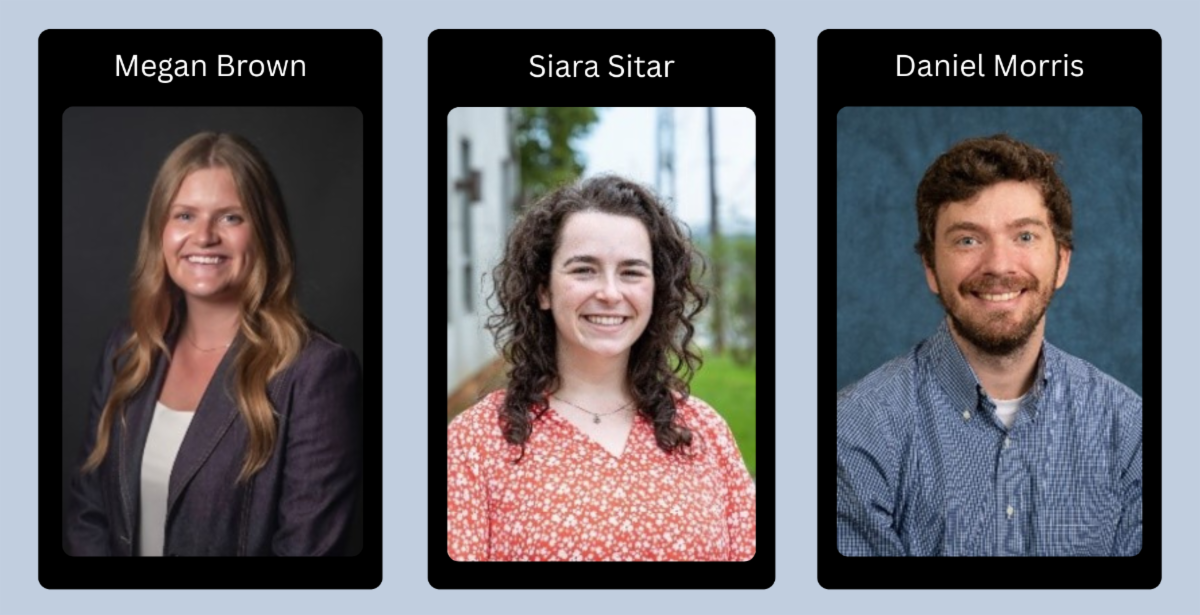
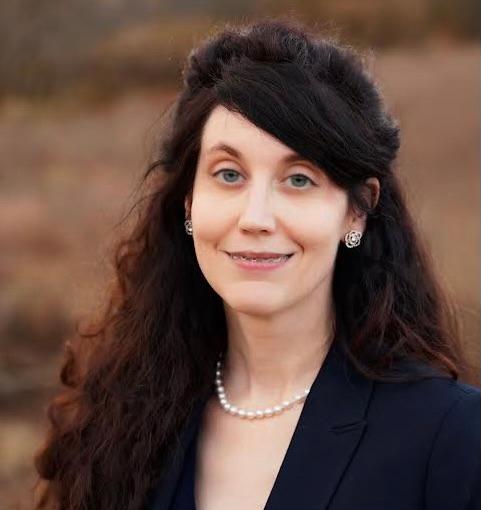
The Institute of Cannabis Research (ICR) is pleased to announce the recipients of the 2026 Student Research Awards, made possible through generous donor support. This year’s awardees, Megan Brown of the University of Colorado Boulder, Siara Sitar of the University of Colorado Denver, and Daniel Morris of the Colorado State University were selected through a competitive review process recognizing academic excellence, strong mentorship, and innovative cannabis research proposals aligned with ICR priorities.
The Student Research Award Program supports undergraduate and graduate students conducting original cannabis research in areas such as medical and clinical research, public health and safety, pharmacology and dosing, societal impacts of cannabis legislation, and agricultural and biological sciences. Award funding provides direct student support during the Summer 2026 research period, helping ensure that promising student researchers have the resources needed to advance their work.
ICR congratulates Megan Brown, Siara Sitar and Daniel Morris on this achievement and looks forward to the contributions their projects will make to cannabis research in Colorado and beyond.
| | | | | |
|
|
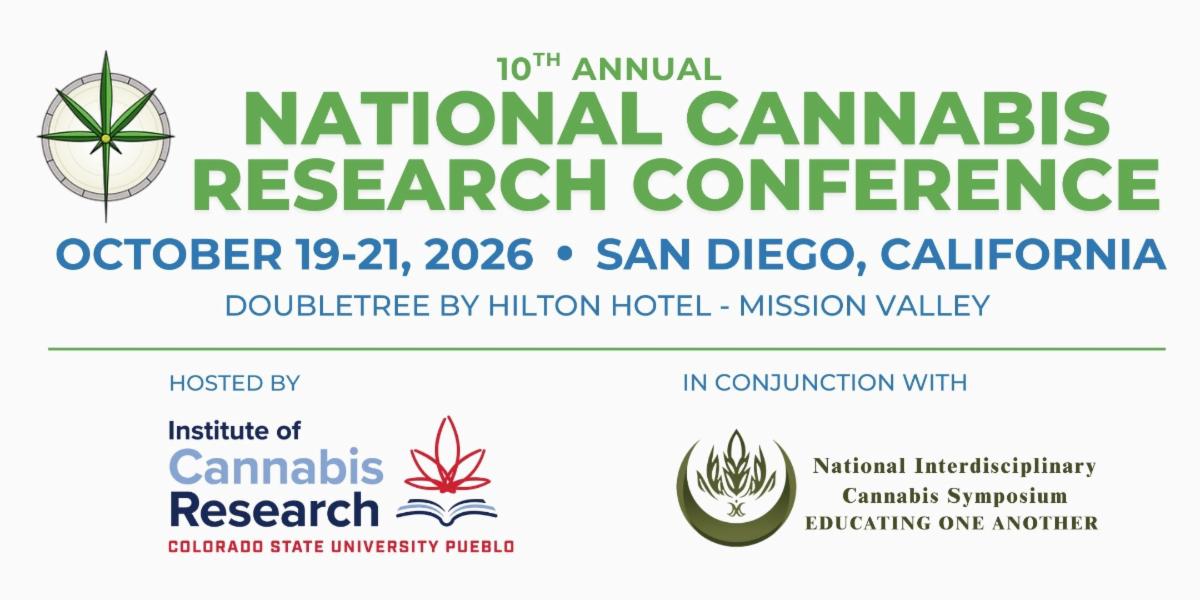
10th Annual
National Cannabis Research Conference
| | | |
|
Join us in 2026 for our National Cannabis Research Conference (October 19-21) hosted by the Institute of Cannabis Research- in conjunction with the National Interdisciplinary Cannabis Symposium, at the DoubleTree By Hilton Hotel San Diego - Mission Valley, in San Diego, California.
Don’t miss this dynamic and impactful event shaping the future of cannabis research — register today!
| |
ABSTRACT DEADLINE EXTENDED:
MAY 11, 2026 - 11:59 PM MT
The National Cannabis Research Conference (NCRC), held in conjunction with the National Interdisciplinary Cannabis Symposium (NICS), invites researchers, scientists, clinicians, policymakers, legal experts, educators, and industry innovators to submit abstracts for presentation at the most comprehensive interdisciplinary cannabis research event in the United States.
| | | | | |
|
|
Institute of Cannabis Research's
New Research Fellows
| | | |
Announcing the Institute of Cannabis Research's
New Research Fellows
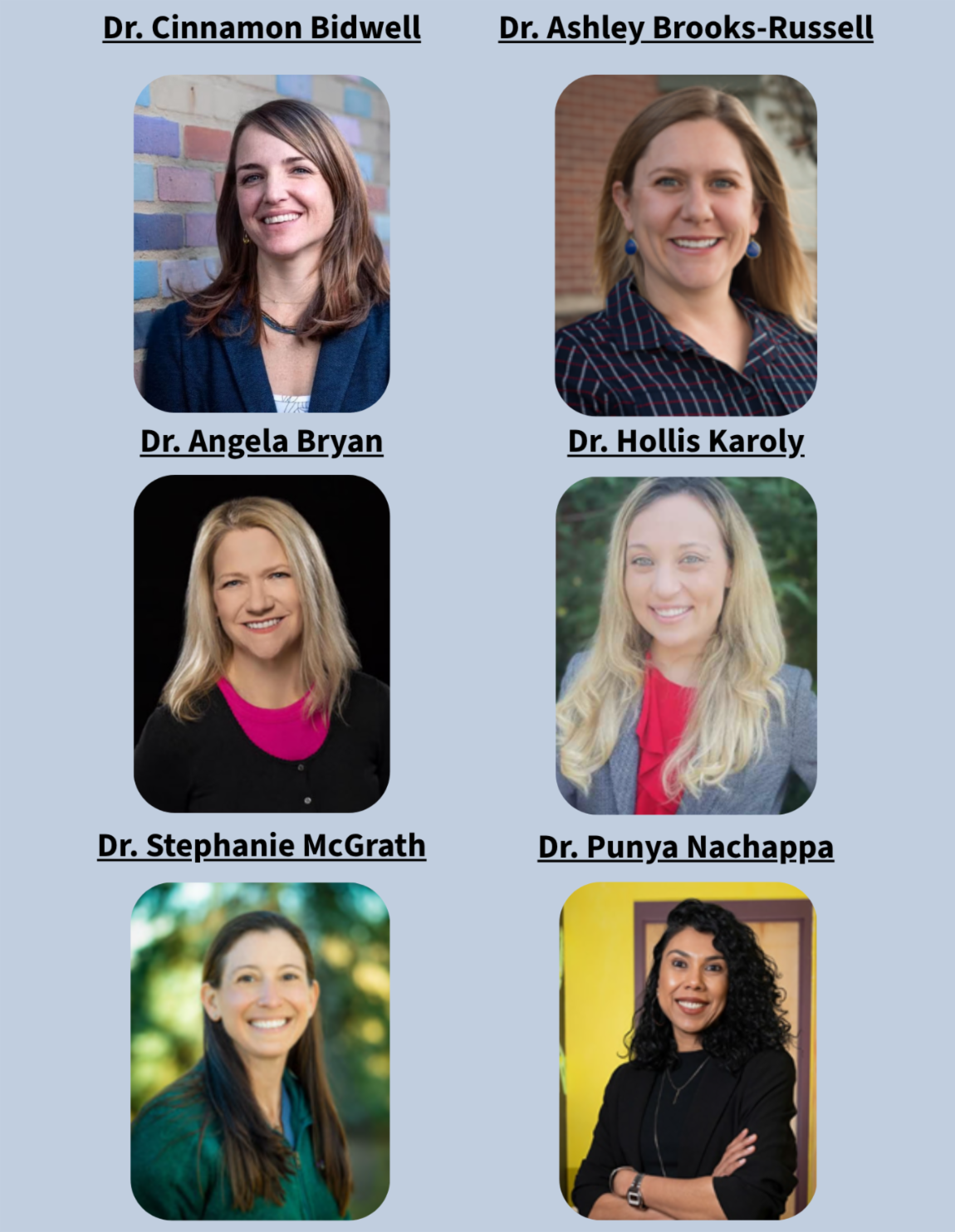
The Institute of Cannabis Research (ICR) is pleased to announce and warmly welcome our inaugural cohort of Research Fellows.
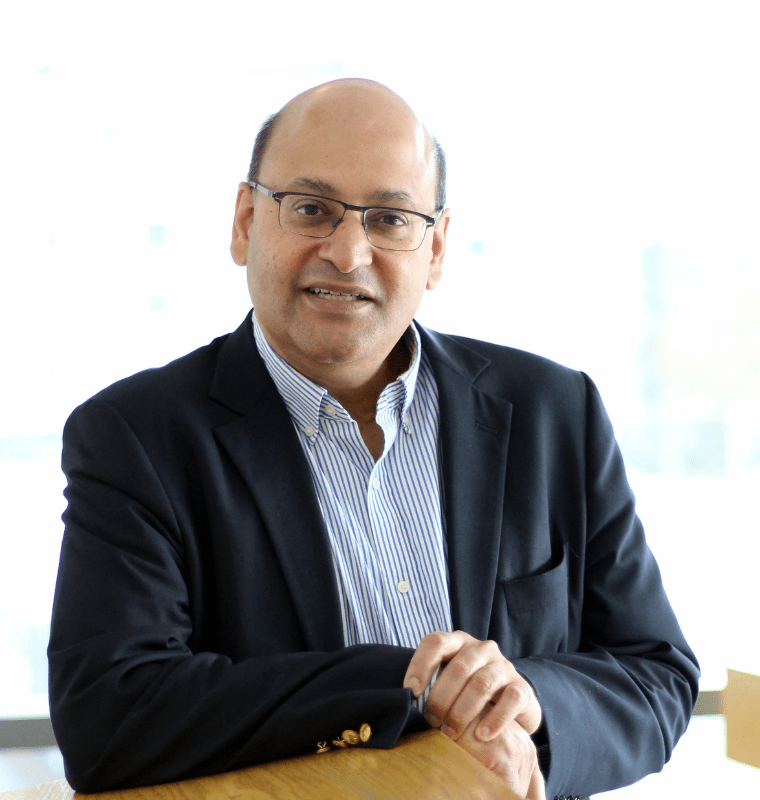
These distinguished researchers bring deep expertise across public health, psychology, veterinary medicine, and behavioral science. Their work spans critical areas of cannabis research, including health outcomes, impaired driving, therapeutic applications, and human and animal health.
As ICR Research Fellows, they will contribute to interdisciplinary collaboration, advance high-impact research initiatives, and help inform evidence-based policy and practice in a rapidly evolving field.
We are excited to welcome these outstanding scholars to the ICR community and look forward to the important contributions they will make.
| | | | | |
|
Upcoming May/June Webinars | | | |
Shanna Babalonis, Ph.D.
Cannabis and Opioid Interactions: Human Laboratory Studies and Clinical Implications
Thursday, May 14th at 1:00 PM MDT
Dr. Shanna Babalonis is an associate professor in the University of Kentucky (UK) College of Medicine Department of Behavioral Science and Center on Drug and Alcohol Research. Her NIH-funded research focuses on clinical trials and human laboratory assessments of the abuse potential, risks, and therapeutic effects of cannabis and opioids to determine how cannabis impacts individuals with opioid use disorder. She serves as the Director of the UK Cannabis Center and is leading a clinical trial to determine the impact of daily oral cannabis doses in patients with cancer. Dr. Babalonis has co-authored a report on cannabidiol for the World Health Organization, serves as the scientist representative on the Council for Governmental Relations Hemp and Cannabis Group and serves on the program and membership committees for the International Cannabinoid Research Society. She is also a consulting editor for two scientific journals: Cannabis and Medical Cannabis and Cannabinoids.
| | | |
Tony P. George, M.D., FRCPC
Understanding the links between cannabis use and mental illness: Implications for treatment
Thursday, June 11th at 1:00 PM MDT
Dr. George is Professor of Psychiatry in the Temerty Faculty of Medicine at the University of Toronto (UofT), and Senior Scientist at the Centre for Addiction and Mental Health (CAMH). He received his B.Sc. (1988) and M.D. (1992) degrees from Dalhousie University in Halifax, Nova Scotia and then did his psychiatry residency (1992-96) and a fellowship in translational neuroscience (1996-98) at Yale University School of Medicine, New Haven, Connecticut. He joined the Yale Psychiatry faculty in 1998, and was promoted to Associate Professor in 2004. In 2006, he moved to UofT and CAMH as the inaugural Chair in Addiction Psychiatry, which he held until 2012. He has held several leadership positions, including as Chief of Schizophrenia (2008-16) and Addictions (2016-19) Divisions and Medical Director of the Complex Mental Illness Program (2012-16) at CAMH, and Co-Director of the Brain and Therapeutics Division in the UofT Department of Psychiatry (2006-2018).
Dr. George’s research focuses on understanding and treating substance use disorders in people with serious mental illness. He has published over 375 peer-reviewed articles, reviews and other reports. His work has been funded by NIDA and CIHR since 1999. From 2021-2023, he served as Chair of the Scientific Advisory Committee at the Canadian Centre for Substance Use and Addiction (CCSA). He wrote the chapter on Nicotine and Tobacco in Cecil Textbook of Medicine in the last five editions (2011, 2015, 2019, 2023 and 2027). He is Co-Principal Editor for the psychiatric neuroscience journal, Neuropsychopharmacology (NPP).
| | | |
Jacob MacWilliams, Ph.D.
Unlocking the mystery of a key hemp pest, cannabis asphid
Wednesday, May 20th at 11:00 AM MDT
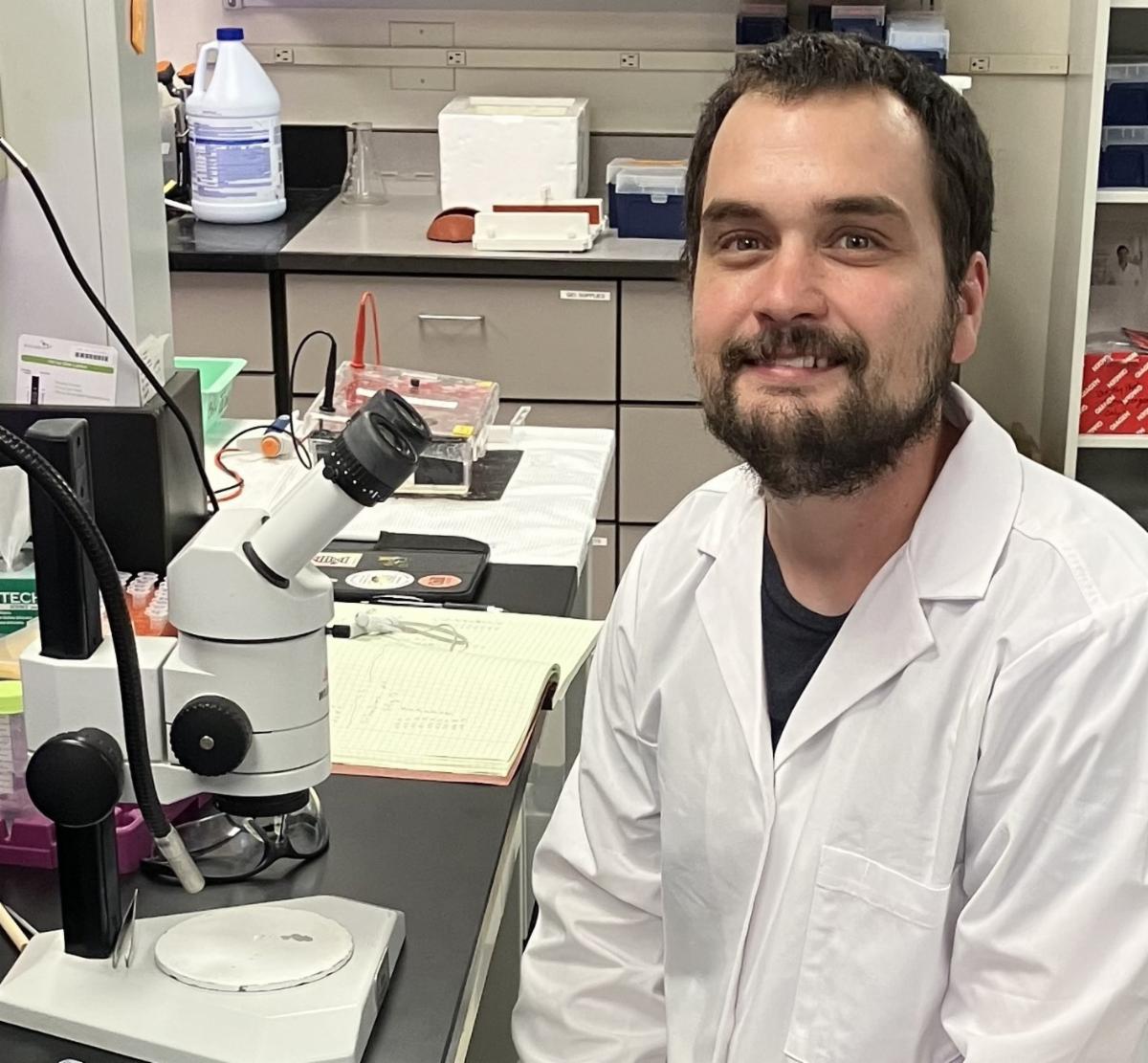
Dr. Jacob MacWilliams is a research scientist in Dr. Punya Nachappa's lab in the Agricultural Biology Department at Colorado State University. Jacob received his Ph.D. in Biochemistry and Molecular Biology at the University of California, Riverside focusing on cowpea aphid resistance in cowpea. In Dr. Nachappa's lab, his focus is investigating the adaptive role of cannabinoids and other secondary metabolites in hemp–insect interactions, specifically with cannabis aphids.
| | | | | |
|
Cannabis & Health Research Initiative (CHRI) | | | |
|
Help Advance Cannabis Research – Support the National Cannabis Study, a Johns Hopkins–led, year-long investigation into how cannabis impacts sleep, pain, mood, medication use, and healthcare utilization. By sharing this study with potential participants, you’ll help build the evidence base needed to inform clinical care and public health policy around therapeutic cannabis use. | | | |
What is CHRI?-CHRI is a collaboration between two organizations with years of experience in medicinal cannabis research: Johns Hopkins University and Realm of Caring. The individuals behind these organizations offer decades of combined experience in relevant fields for a comprehensive approach to data collection and management. | | |
Who is Realm of Caring?-Realm of Caring is a nonprofit built by and for the cannabis community, supporting over 75,000 people worldwide with free education, research-backed guidance, and bold advocacy. Whether you're new to the plant or navigating serious health decisions, we're here to help you use cannabis with confidence. We've published peer-reviewed science, pushed for policy change, and always put people first. No brand agenda. Just real support, rooted in evidence and empathy.
| | | | | |
|
The Journal of Cannabis Research (JCR) is the official publication of the Institute of Cannabis Research. It is the only broadly multidisciplinary journal of research into social, business, economic, legal, environmental, and ethical impacts of cannabis use and the changing legal status of cannabis. To learn more about the aims and scope of the journal as well as submission guidelines, please visit: Journal of Cannabis Research | | |
|
Recent Publication
Trends in cannabis urine drug screen testing in Colorado's largest health system: a retrospective cohort study
Brock J. Gilsdorf, Laura J. Helmkamp, Robert L. Page II, Larry A. Allen, Colleen K. MclIvenman
This study looked at how often doctors ordered urine drug tests for cannabis (marijuana) and how often those tests came back positive within Colorado’s largest health care system between 2008 and 2022. Even though recreational cannabis became legal in Colorado in 2012, the researchers found that cannabis testing actually became much less common over time. However, when tests were done, they were more likely to be positive, rising from about 14% in 2008 to around 30% by 2015 and then leveling off. This suggests that while fewer tests were ordered, cannabis use among those tested increased or became more detectable after legalization.
The study also found clear differences in who was tested. Younger people, men, and patients identified as Black, Hispanic, or American Indian were more likely to receive cannabis urine tests than older patients, women, or White patients, even though research shows cannabis use rates are similar across racial and ethnic groups. These differences stayed consistent over time, raising concerns about possible bias or unequal practices in medical testing. The authors note that more research is needed to understand why these testing patterns exist and how test results actually affect patient care decisions.
| | | | | |