narrow header w white type

Close to the people

Greetings!


Greetings from Tanzania!


Working here and staying close to the people connects us to many challenges. 


Water for households is a very serious example of the hardships of rural life. 


Sometimes the people approach us to see if we can help with issues that are new to us. They may be related to our central activities, but have something new about them, as there are so many needs in rural environments where incomes are low. Daily life requires very hard work, especially for women.  


Read below about our efforts to bring water closer to the people. 


Warmest wishes,

Twende!


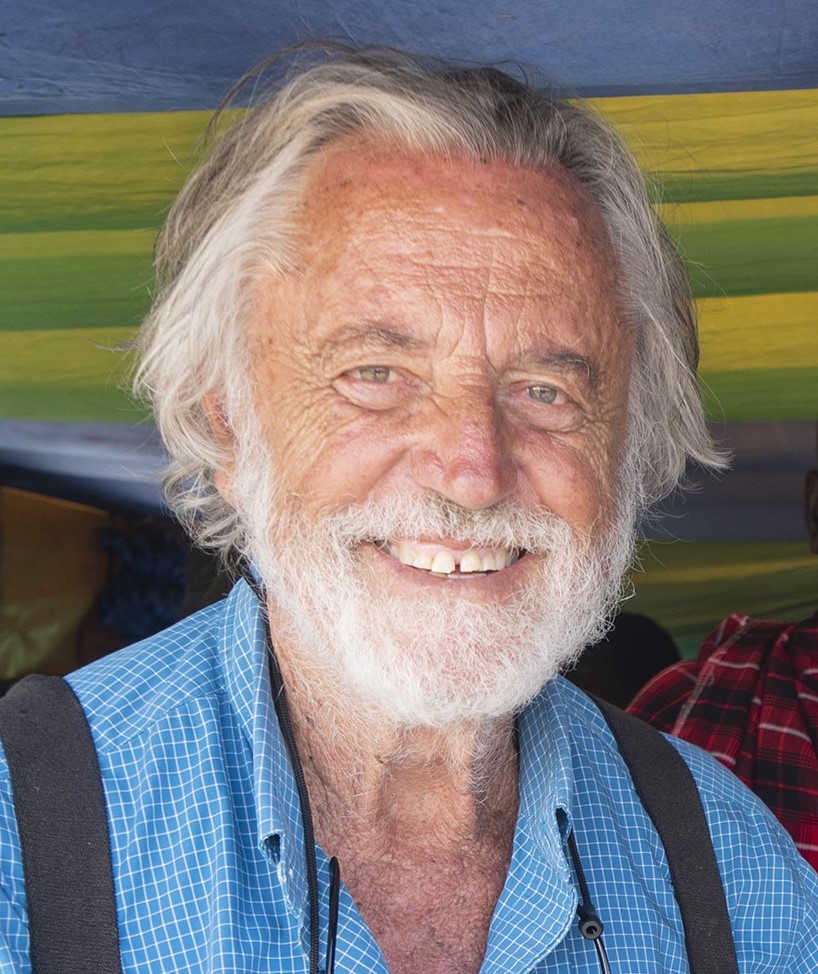
Robert Lange

September 2025


Water from a distance

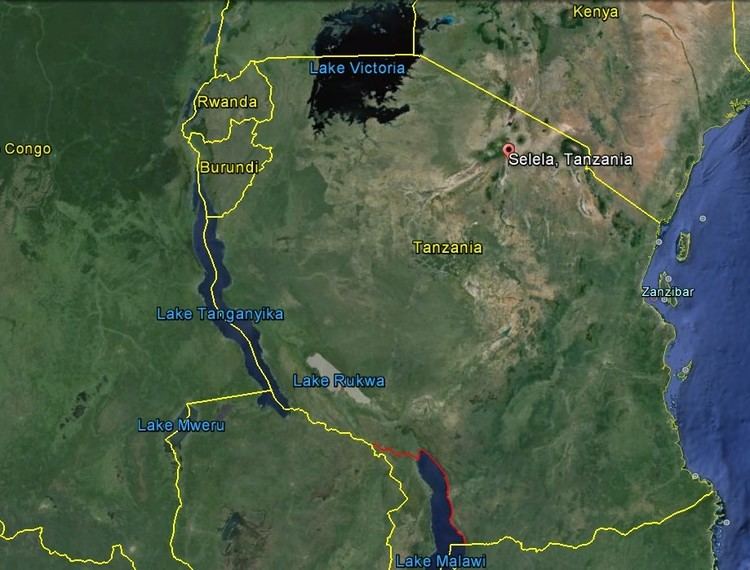
Access to clean water is a big issue for people in rural areas. Here is the story of our recent work in three areas near the village of Selela


Selela village is up against the escarpment, the cliff on the eastern edge of the Ngorongoro Highlands. There is water that flows out of the escarpment, with the government piping some into the Rift Valley. 


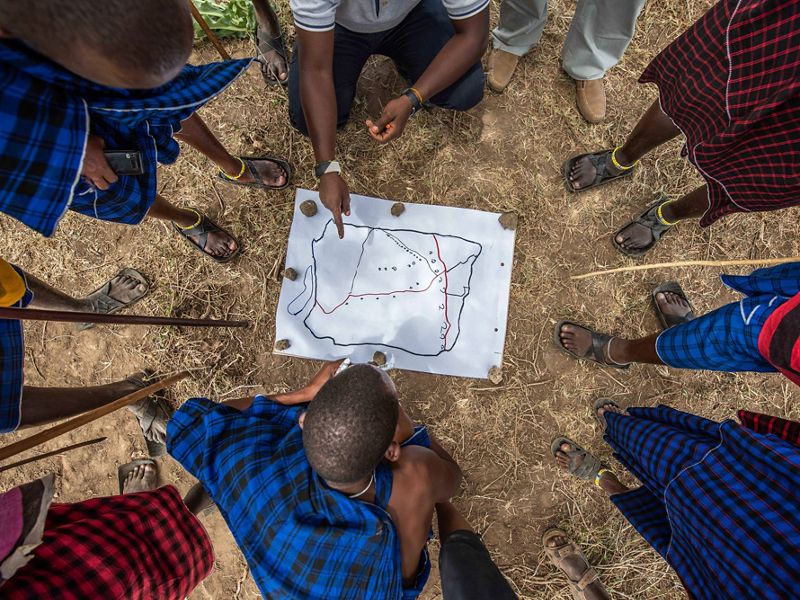
The Maasai settlements to the east need that water, but it is piped to just a few places. In the three or four kilometers north and slightly east of Selela, there are three groups of settlement areas with many homes and lots of people that are far from this access. 


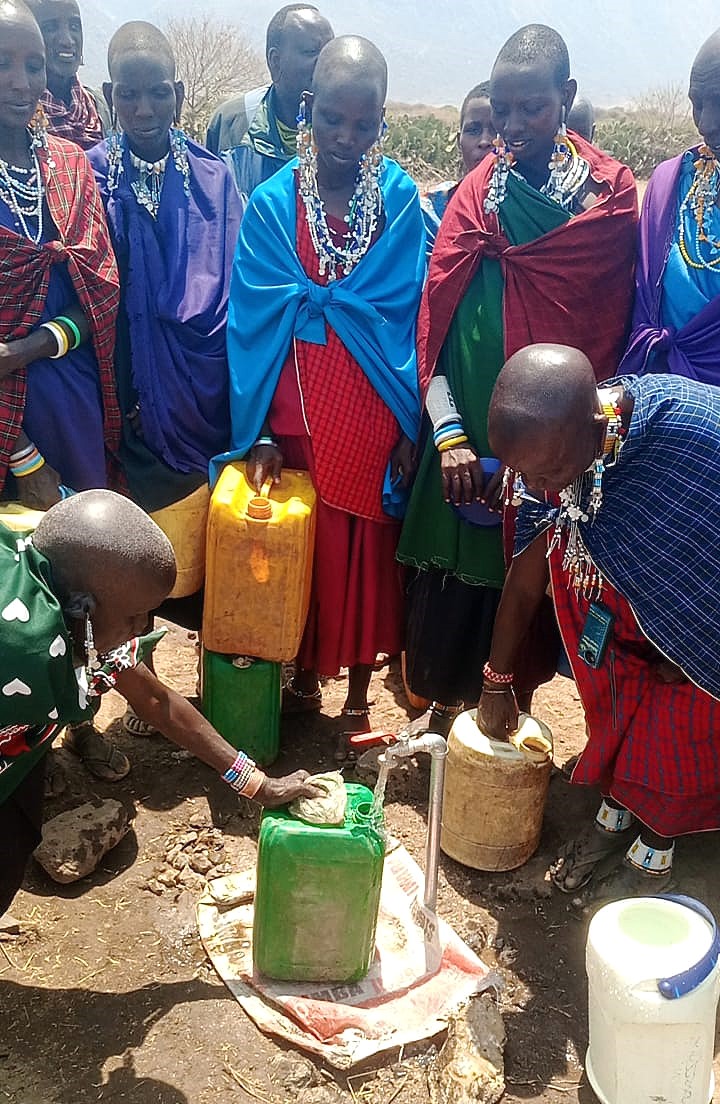
To get water, the women have to walk to Selela or other distant places near the escarpment. This means that getting water takes each woman hours each day. How can we help?

The people asked

We are well known to the people of Selela for several reasons. The International Collaborative Hay Ranch is located near Selela—a little to the northeast. In the settlement furthest north, the women are organized into one of our flourishing women’s groups. And some of the people have friends in the village of Mbuyuni who have told them about the water sanitation systems we installed there.


The people came to us and asked if we could get them better access to the water. There is a large tank of clean water in Selela, installed and managed by the government and filled by gravity from the escarpment. 

Finding a solution

We said "YES" to the people.


 We discovered that we could access water in Selela and take advantage of the fact that water can flow by gravity from this tank down into the valley near the three settlement areas.  


The water is clean. Rather than presenting a sanitation challenge, this project is about the access issue. Delivery over a long distance would be needed, but the general slight downward elevation along the path to the settlements would provide us with a way to do it without needing additional energy.

Success


We are happy to tell you that together, we have done it!


We’ve installed a pipe running northeast from the Selela tank.


The total delivery distance is three kilometers. The system has three delivery stations, near three settlement areas.


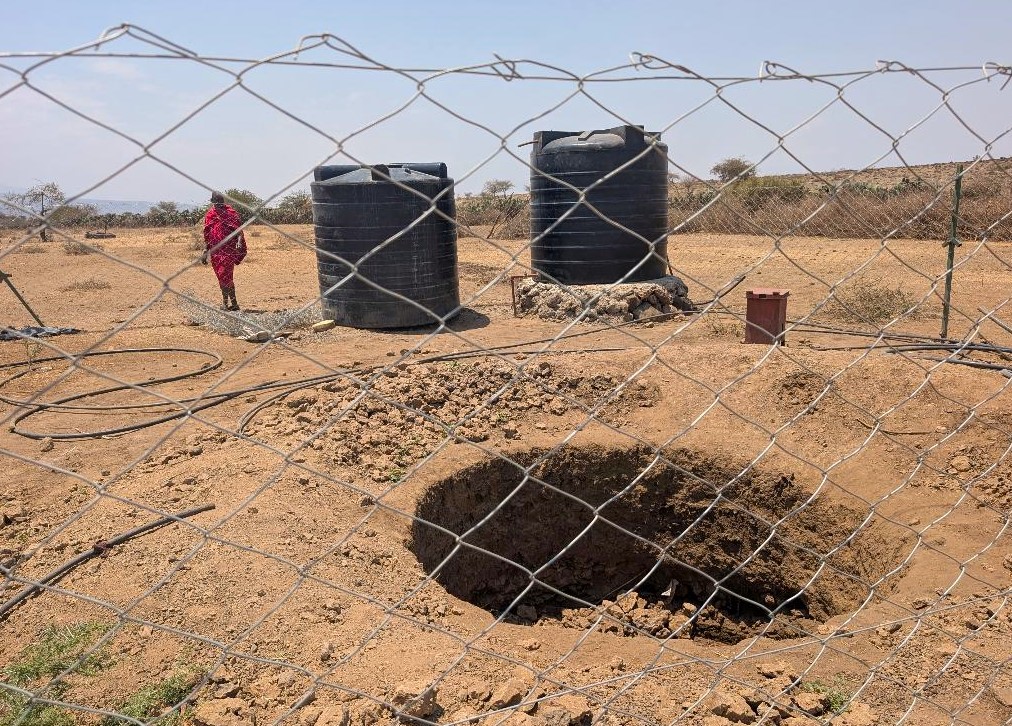
A 5000-liter tank receives the water at each station. In addition, we dug a space at the second station to install a 20,000-liter underground tank with a simple solar pumping setup. 


 We will keep this tank full and pump the water up into the distribution for the second and third stages to maintain water distribution during any water shortage at the Selela tank. 


Lots of hard work

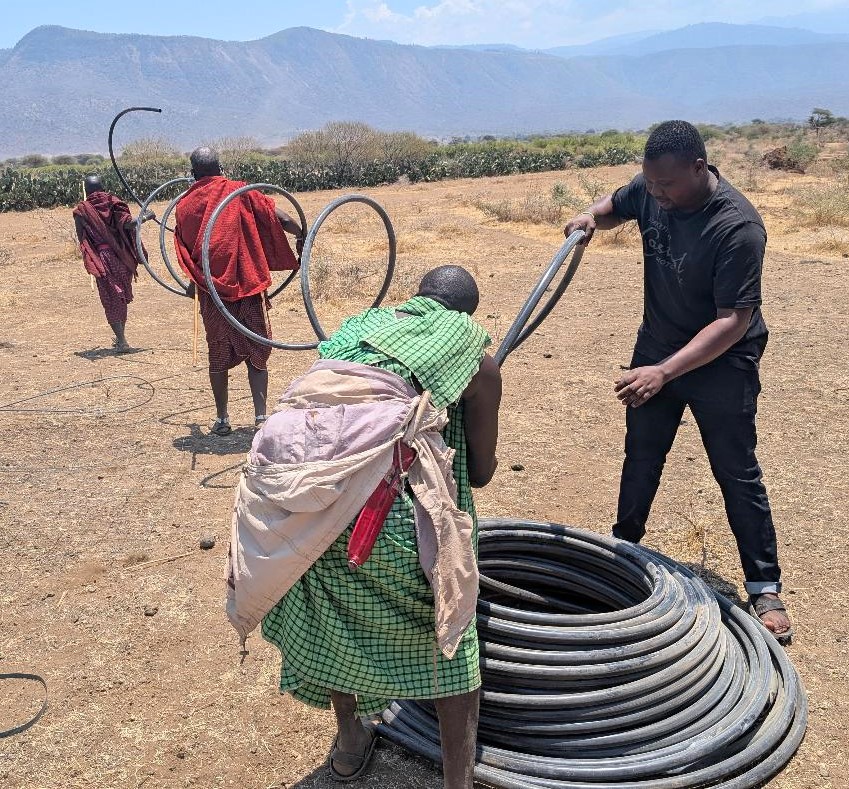
One of the significant things that we see everywhere, and especially here in a strong form, is the eager, voluntary participation of the men in all the hard work


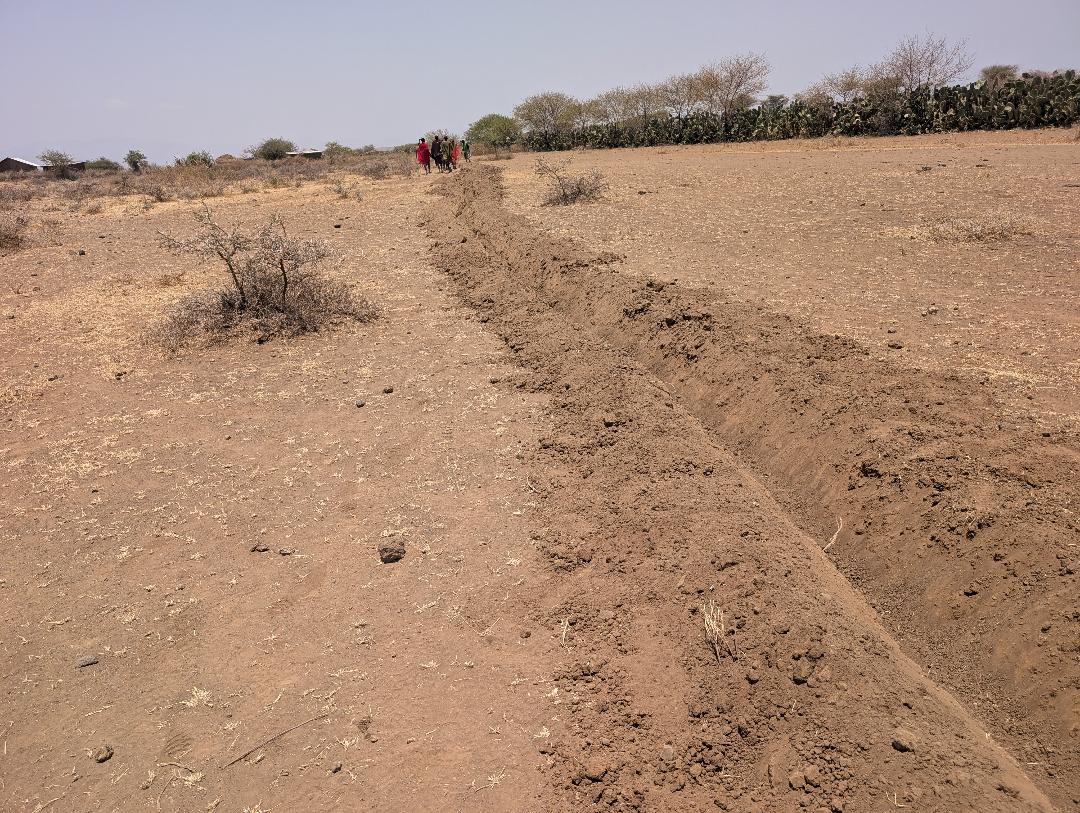
The trenches for the pipe were long and the ground hard. The stone and cement foundations for the tanks and digging for the large storage tank were hard work  The men donated their labor, greatly valuing the life improvement that it would mean for the women of their community.


With appreciation


The collaborative efforts on this project are very special to us. In addition to the volunteer efforts, is the generosity of Mr. Ali Horriyat, the founder of Compassiviste, dedicated to the environment, who was the primary donor for this project.


Ali told us that he is inspired by his young daughter, Olivia, who exemplifies commitment to the environment and the future that we find in today’s youth. 


 The Maasai love to know there are people in the world that are their allies. We are naming the pipeline and water delivery system the Olivia Service.


Thanks to Ali, Olivia, and to all of you. Without waste or bureaucracy, we continue to make life better.


  Let’s keep going—together.


Access to safe water


For a better life for rural Africans, and a cleaner environment for all


International Collaborative for Science, Education, and the Environment

Office of Programs and Development

30531 Abington Court

Laguna Niguel, CA  92677  USA


1-508-735-9176


www.internationalcollaborative.org


LinkedIn Share This Email