March 2026

In the News
Man typing on computer

Can we use AI for academic writing? It depends

How researchers can use AI responsibly, without compromising scholarly rigour or integrity


Times Higher Education

February 17, 2026

Marios Kremantzis & Eleonora Pantano


"The temptation to use GenAI for academic writing is strong, especially for academics with heavy workloads under pressure to publish. These tools can help scholars publish more papers that receive, on average, more citations than those produced without AI, research suggests.


In light of increased AI use in research, many publishers have introduced policies requiring researchers to declare use. However, those declarations do not always accurately reflect the nature of the AI use. And AI use doesn’t always lead to high-quality outcomes. In this resource, we offer guidance about when and how to use it ethically and responsibly for academic writing."


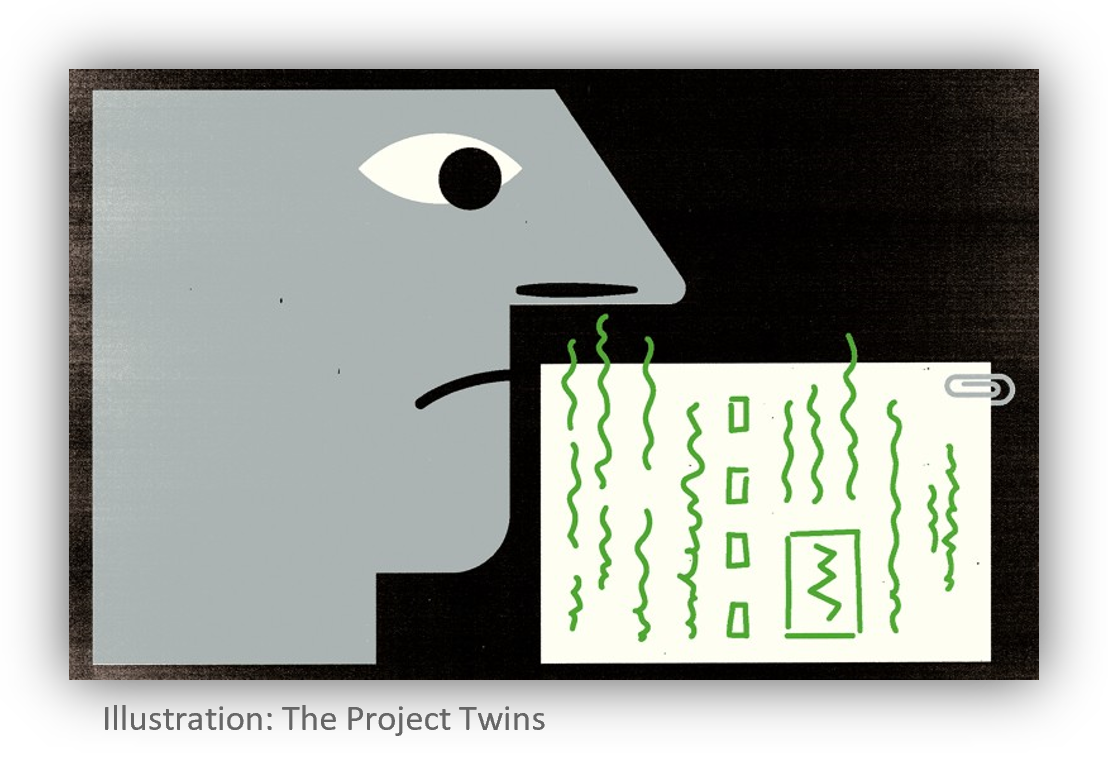
Illustration of nose sniffing words off a page

Five ways to spot when a paper is a fraud

Science sleuths share their common-sense tips for sniffing out fishy articles.


Nature

February 25, 2026

Stephanie Melchor


"From the low-quality output of paper mills to increasingly convincing content generated by artificial intelligence, peer reviewers are being inundated with questionable research manuscripts. A growing number of AI tools can detect fraudulent elements in papers, but they can be expensive to use. Such tools are probably better deployed by journal publishers rather than individual reviewers, says Elisabeth Bik, a science-integrity consultant in San Francisco, California, especially because feeding unpublished content into AI tools can compromise confidentiality and is generally frowned on during peer review.


The good news is that recognizing a problematic manuscript is “way easier than you would believe”, says Reese Richardson, a metascientist at Northwestern University in Evanston, Illinois. But the work is time-consuming, especially for beginners, he says."

 
U.S. Department Health and Human Services (HHS)
The Office of Research Integrity (ORI)
Research Misconduct Case Summaries
 

UK Electronic Research Notebook

(LabArchives) Webinar

ERN for UK Graduate Students and Postdocs: A Guide to Organization and Collaboration


This Zoom session will focus on using an ERN to manage projects, sharing data with a PI, and preparing a thesis, publication, or dissertation.


March 26, 2026

11 am - 12 pm

iThenticate Upgrade 2.0 scheduled for 
April 24, 2026

On April 24, 2026, access to our current version of iThenticate will end. Please plan for 24 hours of downtime while our institution’s accounts, users and user groups, submissions, similarity reports, and folders are being transferred to the new version.


After April 24, 2026, our current version of iThenticate will be disabled, and all users will access past similarity reports and make future submissions via iThenticate 2.0.


Additional details will be provided in April.

Compliance for the Online RCR Course through CITI by College

As of March 16, 2026, we have 92% compliance with the Online RCR Course through CITI across all colleges.


We greatly appreciate your willingness to perform the vast array of outstanding research and scholarly activity taking place at the University in an ethical and responsible manner.

College

% Compliance

Total Required

Agriculture, Food, and Environment

91%

1,376

Arts and Sciences

90%

1,462

Business and Economics

89%

166

Communication and Information

93%

191

Dentistry

99%

120

Design

70%

122

Education

88%

923

Engineering

91%

789

Fine Arts

93%

307

Health Sciences

94%

620

Law

90%

42

Medicine

94%

2,942

Nursing

93%

352

Pharmacy

93%

162

Public Health

96%

307

Social Work

93%

876

Graduate School

77%

165

Lewis Honors College

93%

15

Libraries

98%

53

Other Units

93%

1,911

OTHER RESEARCH RESOURCES

iThenticate (plagiarism-checking software)

iThenticate (plagiarism-checking software) is now available for RCR-compliant researchers and graduate students.


Click the button below to request your account today!

Electronic Research Notebook

Need a safe and secure place to store your research data? Need to collaborate with your colleagues easily and efficiently?


LabArchives isn't just for labs, and it's free to all UK researchers!   


Click the button below to learn more about Electronic Research Notebooks

 
RCR Team
Watch this short video to learn more about RCR and why it is important!
 
RCR Contacts:
Jen Hill
(859) 257-2978

Jenny Smith
(859) 257-7903

Emily Matuszak
(859) 562-3562