-
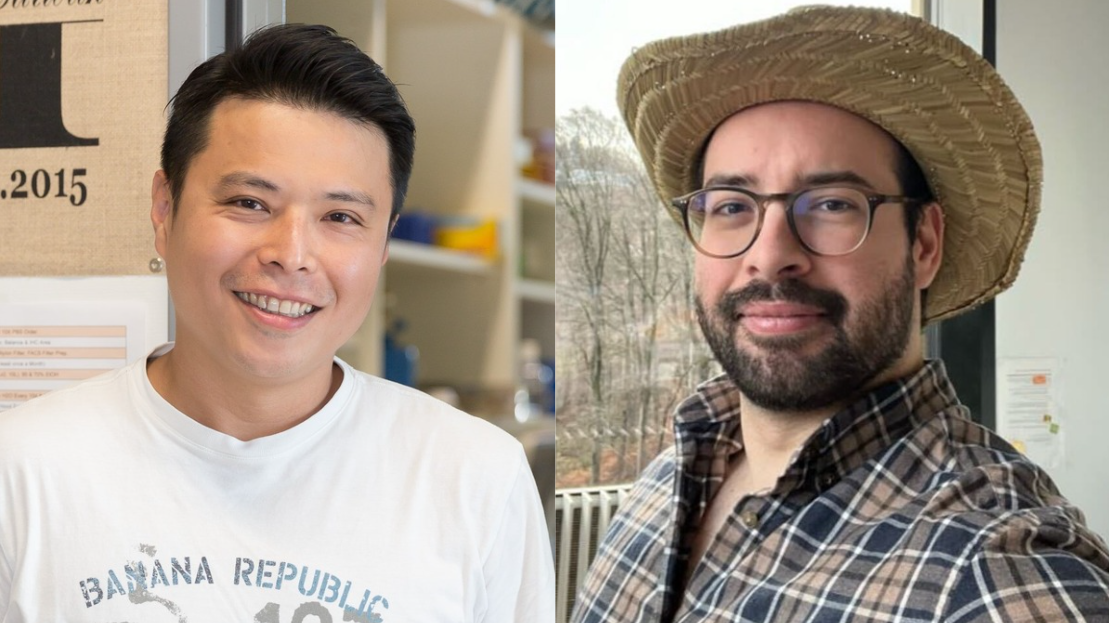
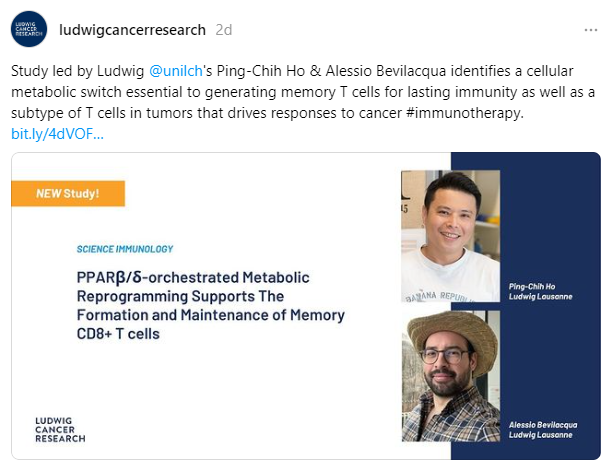
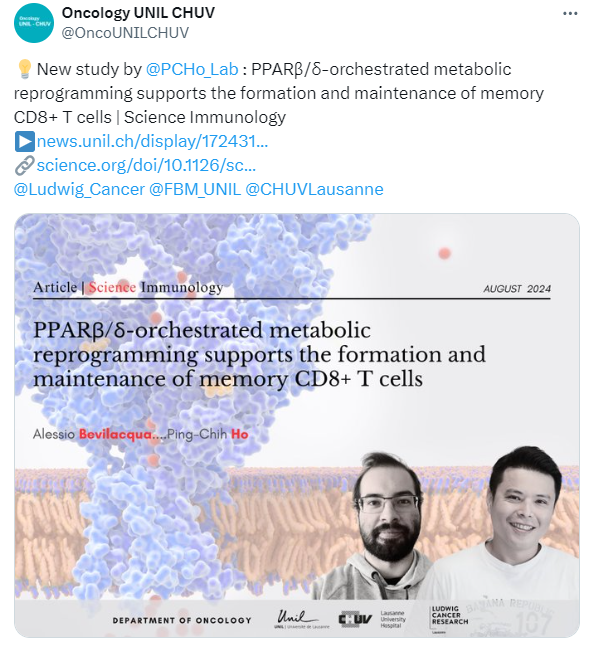
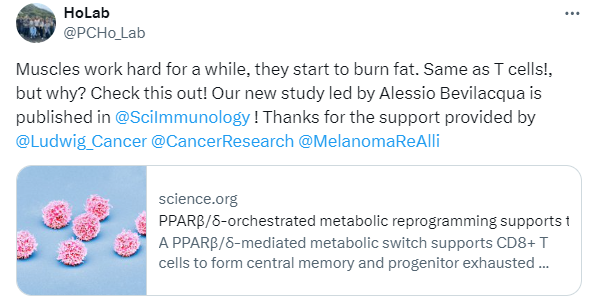
Researchers led by Ludwig Lausanne’s Ping-Chih Ho and Alessio Bevilacqua report in Science Immunology their identification of PPARβ/δ as a metabolic switch in killer T cells that is essential to the generation of memory T cells as well as progenitor exhausted T cells, which drive ant-tumor immune responses.
-
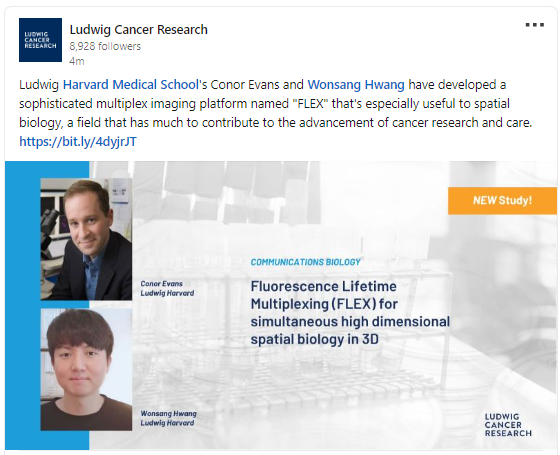
Researchers co-led by Ludwig Harvard's Conor Evans and Wonsang Hwang report in Communications Biology a rapid and sensitive multiplex immunofluorescence biomarker imaging platform called FLEX that improves imaging for spatial analysis of tissues.
-
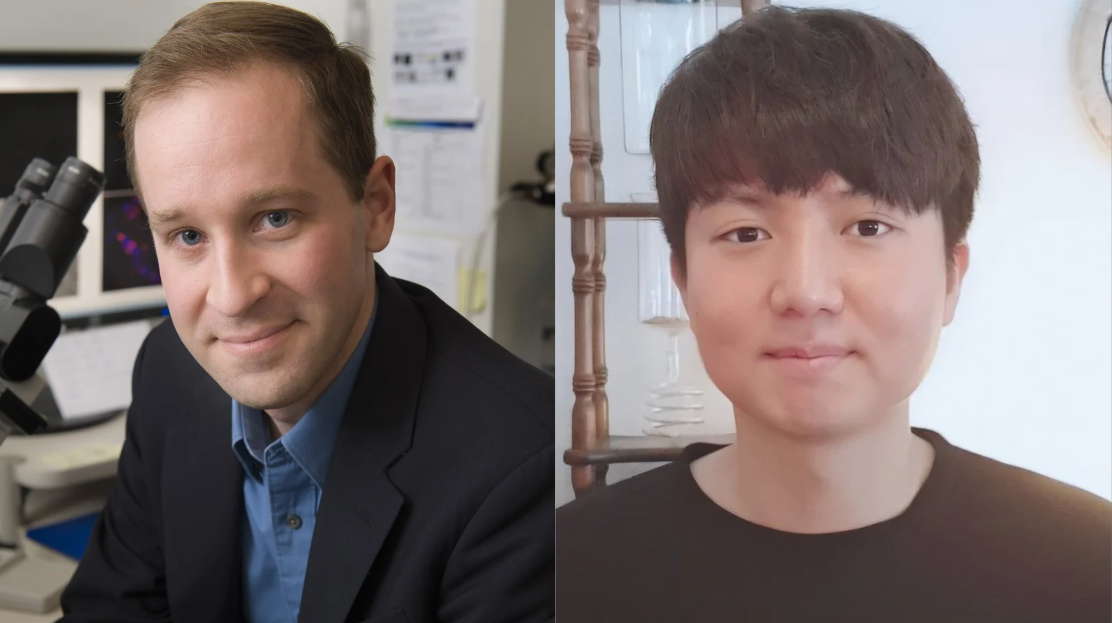
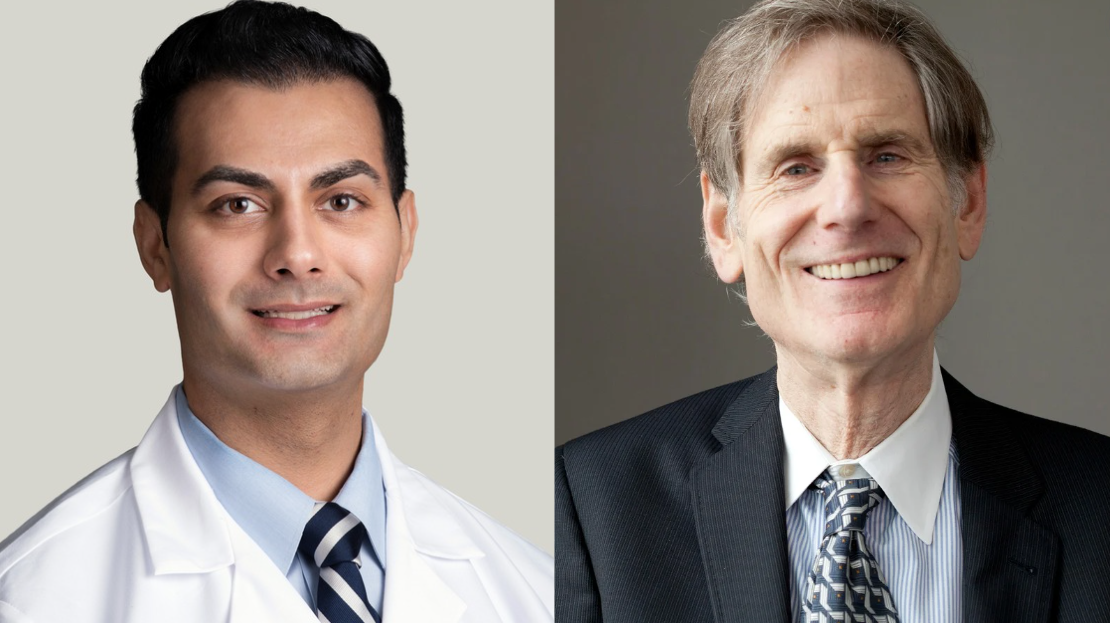
Ludwig Chicago's Sean Pitroda furnishes evidence in Scientific Reports for tumor aneuploidy as an independent prognostic biomarker of response to immunotherapy in patients with non-small cell lung cancer.
| |
|
Researchers led by Ludwig Lausanne’s Ping-Chih Ho and Alessio Bevilacqua report here their identification of the transcription factor PPARβ/δ as a metabolic switch in killer T cells that is essential to the generation of memory T cells—which establish immunity to previously encountered pathogens—and progenitor exhausted T cells, which are found in tumors and drive anti-tumor responses during immunotherapy. They show that disrupting PPARβ/δ expression compromises the formation of both memory T cells and progenitor exhausted T cells. Exposure of T cells to interleukin-15 and their expression of a transcription factor named TCF1 engages the PPARβ/δ pathway, which the researchers show prevents their decline into terminal exhaustion. Treating T cells with an agonist of PPARβ/δ activity prior to their adoptive transfer into a mouse model of melanoma delayed the growth of tumors compared to controls.
Additional coverage: Ludwig Cancer Research | Inside Precision Medicine
| |
|
The ability to image multiple molecular markers in large tissue sections is key to spatial biology. While recently developed cyclic immunofluorescence techniques enable the simultaneous imaging of multiple immunohistochemistry markers, the approach is often troubled by technical difficulties that can degrade samples and limit its application, especially in thick tissue sections useful for comprehensive spatial analysis. Researchers co-led by Ludwig Harvard's Conor Evans and Wonsang Hwang report here a rapid and sensitive multiplex immunofluorescence biomarker imaging platform called fluorescence lifetime imaging microscopy multiplexing (FLEX) that permits rapid, non-destructive and simultaneous imaging of multiple biotargets using off-the-shelf fluorophores. FLEX can differentiate 11 or more biomarkers in 3D tissue volumes, improving imaging for spatial analysis of thicker tissues.
| |
|
Recent studies have linked elevated tumor aneuploidy, or abnormal numbers of chromosomes within cancer cells—a common feature across many types of cancer—to the suppression of anti-tumor immune responses and poorer prognosis following immunotherapy. This study, led by Ludwig Chicago's Sean Pitroda, furnishes evidence for tumor aneuploidy as an independent prognostic biomarker of response to immunotherapy in patients with non-small cell lung cancer (NSCLC). He and his colleague demonstrate a novel association between elevated aneuploidy and non-smoking-associated oncogenic driver mutations. They also report an association between aneuploidy score and focal amplifications of the TERT gene. Their findings underscore a potentially critical role for tumor aneuploidy in guiding immunotherapy treatment strategies.
| |
|
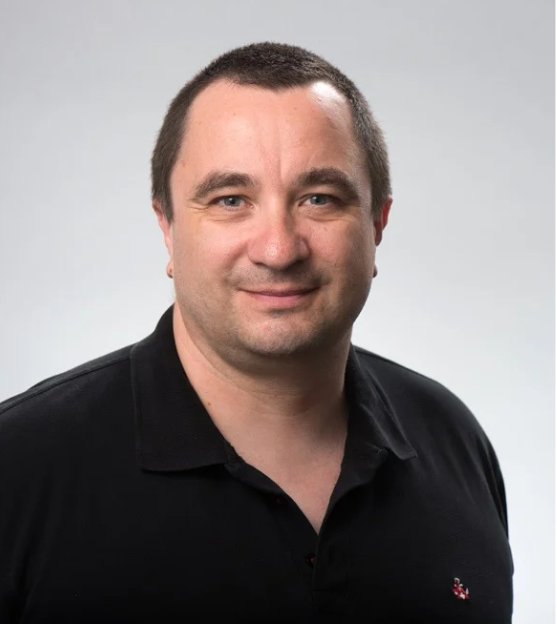
The analysis of T cell receptor (TCR) repertoires to reflect antigen specificity can contribute significantly to diagnosis and prognosis of immune-related diseases and the development of personalized therapies. Researchers led by Ludwig Lausanne's Vincent Zoete present here TCRpcDist, a 3D-based approach that calculates similarities between TCRs using a metric related to the physico-chemical properties of a structural element of the TCR predicted to interact with its epitope (the bit of an antigen specifically recognized and bound by a TCR). The researchers demonstrate that TCRpcDist can accurately identify groups of TCRs that are likely to bind the same epitopes and experimentally validate TCRpcDist's ability to predict specificities for neoantigens and tumor-associated antigens of tumor-infiltrating T cells. TCRpcDist is thus a promising approach to TCR repertoire analysis for individualized treatments, including cancer immunotherapies.
| |
|
Springer Nature — August 18, 2024
| |
|
This blog co-authored partly by Ludwig Harvard's Conor Evans and Wonsang Hwang discusses, FLEX, their new platform for multiplex imaging (see paper and summary above). FLEX is a highly multiplexed imaging approach that leverages the spectrum of fluorophores as well as their unique fluorescence lifetimes, which are determined by their chemical structures. "FLEX is a highly multiplexed imaging approach allowing up to 11-plexed biomarker imaging within a single tissue sample in 3D," they write. "Unlike conventional immunofluorescence, FLEX leverages not only the fluorescence spectrum of fluorophores but also their unique fluorescence lifetimes, which are determined by their chemical structures."
| |
|
The Lancet Oncology — August 2024
| |
|
This review co-authored by Ludwig Chicago’s Sean Pitroda, Ralph Weichselbaum and a University of Chicago colleague summarizes the immunostimulatory effects of radiotherapy that provided the theoretical basis for trials that combined it with immune checkpoint inhibitors. They also discuss findings from those clinical trials and examine the success of the strategy in the context of the immunosuppressive effects of radiotherapy. They conclude by highlighting targets for relieving radiotherapy-induced immunosuppression to improve the efficacy of the combination therapy.
| |
|
Current Opinion in Immunology — August 21, 2024
| |
|
This review, coauthored by Ludwig MSK's Xiao Huang and Director Alexander Rudensky, discusses recent progress in the understanding of a complex set of cues that converge on Treg cells in lymphoid and nonlymphoid organs and in tumors, and how those cues modulate Treg functions. They highlight the versatility of Treg cells, which underlies their ability to dynamically adapt to local microenvironments and perform a wide range of functions beyond their archetypal role in moderating immune response-associated inflammation and suppressing autoimmunity.
| |
ICYMI: In case you missed it... | |
|
Get involved
Events, careers and collaboration opportunities
| |
Do you know of any news, studies or events that would be relevant to the Ludwig community? Please contact us! | |
Ludwig Cancer Research | www.ludwigcancerresearch.org | |
Please note these clips are not intended to be a comprehensive overview of the news, but a compilation of Ludwig coverage, as well as topics and issues considered to be most relevant to our scientific community. Any views or opinions presented in the news clips are solely those of the cited news sources. When available, a link to the original study is provided. *Asterisk indicates a subscription or login may be required.
| | | | |