|
Adolescent Literacy Success: | | |
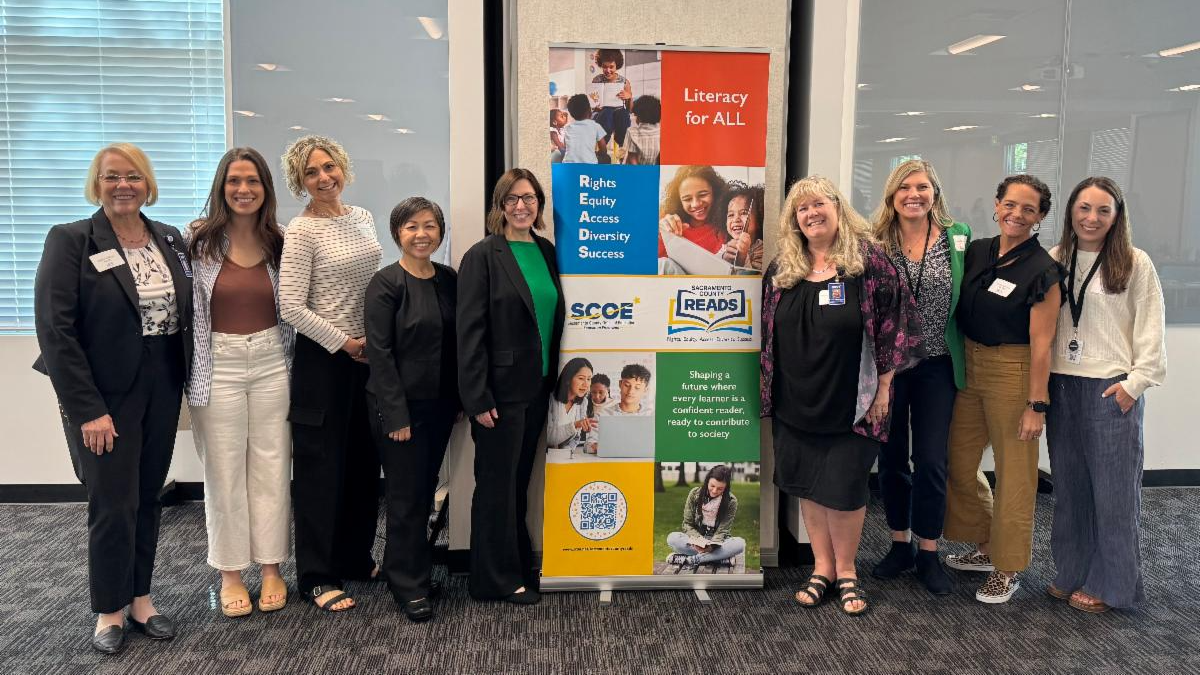
The Sacramento County READS initiative is a transformative approach to literacy and reading success. The mission is to foster a collaborative environment of teaching and learning, underpinned by the science of reading, to ensure every learner in our community thrives. Through partnerships, innovative programs, and supportive services, Sacramento County READS is dedicated to making literacy accessible and achievable for all.
Explore our website at
scoe.net/SacramentoCountyReads
and a collection of videos on our YouTube Channel at Sacramento County READS - YouTube
| |
|
A Note From . . .
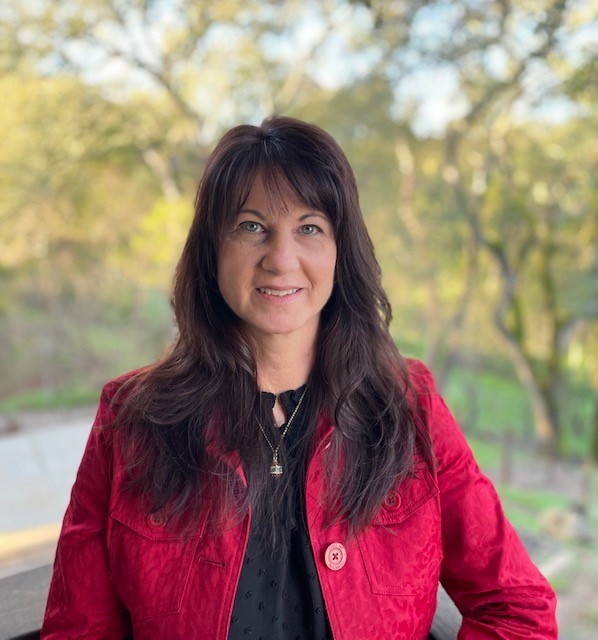
Julie Montali
Early Learning Director
| | |
Welcome to Spring!
Spring always brings a sense of renewal, growth, and fresh energy, and this year I find myself especially encouraged by the momentum building around early literacy in Sacramento County and beyond. Across our region and increasingly across the state, Joyful Literacy is gaining traction as a Preschool through 2nd grade project that is helping educators reimagine literacy as meaningful, engaging, and deeply connected to children’s lives.
At its core, Joyful Literacy is about creating rich language and literacy experiences through read-alouds, conversation, vocabulary, writing, and play-based learning, grounded in the science of reading. Just as importantly, it invites us to center culturally affirming and linguistically responsive children’s literature so that all young learners can see themselves, their languages, and their communities reflected in rich stories. That matters—not only for literacy development, but for belonging, identity, and joy.
This spring, I am especially proud of our second Joyful Literacy Saturday Academy cohort of the year, with 60 participants representing a variety of early learning settings. Seeing educators come together in this way—eager to learn, reflect, and strengthen their practice—reminds me how much is possible when we invest in literacy from the earliest years.
I hope this newsletter offers ideas and resources to support your work and that you continue growing literacy in ways that are joyful, inclusive, evidenced-based (of course!) and full of possibility.
Website: https://sacearlylearning.org/
SCOE Page: https://www.scoe.net/programs/Academic-Instructional-Support/Early-Learning/index.html
| |
Teaching & Learning
Educator Resources
| |
Community of Practice Request for Input
The Sacramento County READS team is requesting your input for our 2026-2027 Community of Practice.
Please take a few minutes to complete the input survey to inform the design, topics, and presenters for our 2026-2027 Community of Practice.
Sacramento County READS CoP Input Survey
|
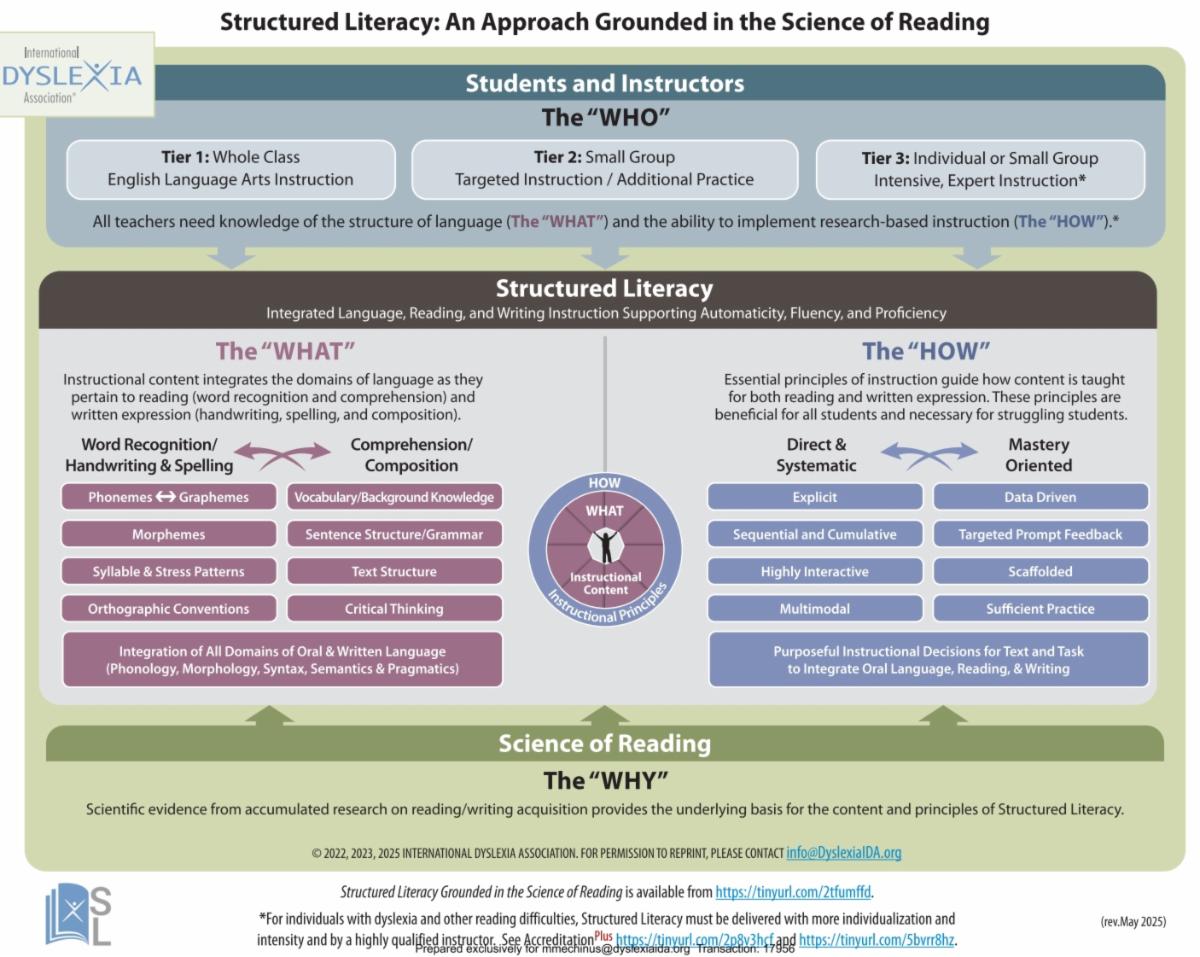
IDA’s New Infomap Connects the Who, What, and How of Structured Literacy as Grounded in the Science of Reading
The term Structured Literacy (SL) is new to many, but the practices it references are not. SL is both WHAT to teach (the content) and HOW to teach it (the methods or principles of instruction). IDA coined the term in the 1990s to provide a brief, descriptive, name for approaches rooted in Orton-Gillingham-based programs and Multi-Sensory Structured Language Education (MSLE).
Science of Reading (SOR) is another relatively new term, but it describes work that IDA and others have championed for a long time—research on reading (both the WHAT and the HOW). Sometimes SL and SOR are used interchangeably, but they are not the same. SL is informed by the SOR, which is all the research on reading to date. That’s why IDA’s new infomap is called “Structured Literacy: Grounded in the Science of Reading.”
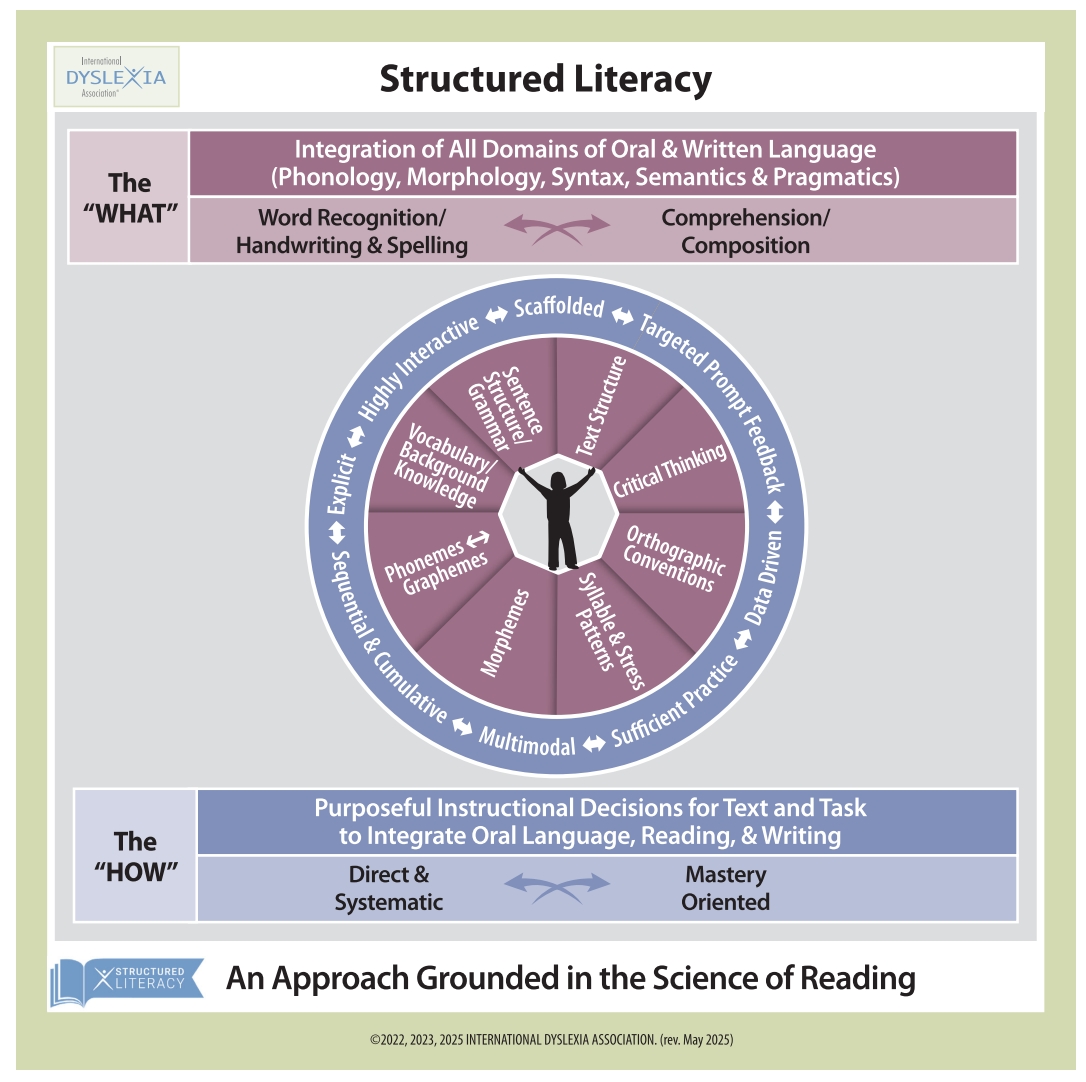
IDA developed the Structured Literacy infomap and its accompanying infographic to clarify the distinction between SL and SOR, add more layers (for example, writing) to earlier IDA infographics, and emphasize the importance of integrating all these elements during instruction, as illustrated by the wheel. They’re calling this new, detailed version an infomap because it will link to other resources to more fully support new and experienced educators in delivering instruction to struggling readers, including those with dyslexia.
Download the infomap and infographic and share them with your colleagues:
https://dyslexiaida.org/wp-content/uploads/2025/10/Structured-Literacy-Grounded-in-the-Science-of-Reading-SOR.pdf
| | |
Literacy Content Blocks
California’s approach to literacy and biliteracy emphasizes evidence-based instruction that develops foundational literacy skills—including print concepts, phonological and phonemic awareness, phonics and word recognition, and fluency—alongside oral language development, vocabulary, comprehension, writing, speaking, and listening. Identified English learner students receive both integrated and designated ELD instruction, and all students are provided opportunities to develop biliteracy. The Literacy Content Blocks, a central component of the California Literacy Roadmap, provide research-based guidance to support educators in delivering effective literacy instruction. Designed to complement the California ELA/ELD Framework, the Literacy Content Blocks help translate state standards and frameworks into meaningful classroom practice.
Currently available for transitional kindergarten through grade five (TK–5), with the grades 6–12 forthcoming, the Literacy Content Blocks are organized around four key areas: Language, Foundational Literacy Skills, Integrated Reading and Writing, and Comprehensive ELD. In addition, Multilingual Literacy Guidance for Grades TK–12 will be available later in the spring, further supporting educators working in multilingual and dual-language settings.
These areas provide practical guidance that supports carefully sequenced instruction, opportunities for practice and application, and targeted intervention when needed. Grounded in principles of equity and responsive teaching, the framework encourages educators to recognize and build on students’ strengths while addressing their individual learning needs.
By aligning with California’s literacy standards, professional learning resources, and systemwide initiatives, the Literacy Content Blocks serve as a valuable tool for educators, teams, and schools working to strengthen literacy instruction and improve outcomes for every learner.
Learn more: https://www.cde.ca.gov/ci/cl/index.asp?tabsection=2
| | |
Reading Difficulties Risk Screener
Support and Resources for Universal Screening Implementation
| | |
RDRS Office Hours
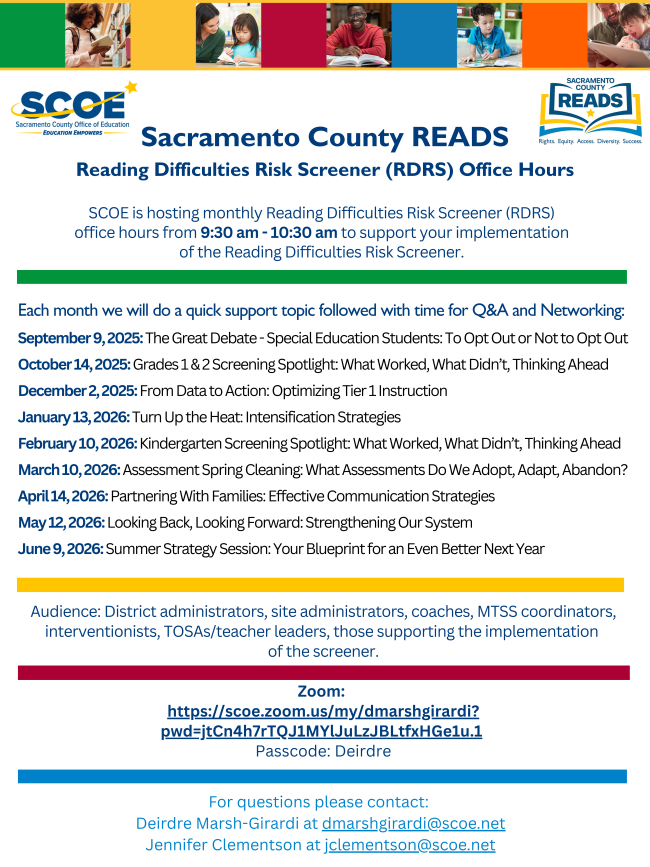
Join SCOE for monthly Reading Difficulties Risk Screener (RDRS) office hours from 9:30 a.m. to 10:30 a.m. These sessions are designed to provide ongoing support for your RDRS implementation. Bring your questions and insights to network with colleagues. Our next office hour is on May 12th, 2026. Click on the flyer for more details and zoom link.
|
RDRS Adoption Toolkit Addendum
We are excited to share the Reading Difficulties Risk Screener (RDRS) Adoption Toolkit Addendum, a comprehensive resource designed to support Local Educational Agencies (LEAs) through every stage of the screening process.
The addendum is organized into two primary sections—Preparing and Responding—to provide clear guidance both before and after the screener is administered. It features tailored "One-Pagers" for administrators, coaches, teachers, and support staff, offering easy access to Edcode requirements, administrative tools, and practical examples for effective use in the field.
Many have asked us about next steps after administering the screener. We suggest you start with the Using the Screener to Inform Instruction page. In addition to general information, it has links to one page for each grade level (K, 1, 2), that address each subtest. These have general information as well as Evidence-Based Practices from CDE Content Blocks for English Medium Classrooms.
| | |
AB 121 Literacy Professional Development: An Opportunity for LEA Leadership
The California Assembly Bill 121 Literacy Professional Development Programs create a valuable opportunity for local educational agencies (LEAs) to strengthen literacy instruction and build leadership capacity across districts and schools.
Through this initiative, LEAs will receive funding to provide professional development for certificated and classified staff who teach literacy—or who support teachers providing literacy instruction—to students in grades TK–5. The goal is to ensure that educators receive high-quality training aligned with the professional learning criteria approved under Education Code Section 33319.6.
Funding will be apportioned to LEAs based on the number of full-time equivalent certificated staff teaching students in grades TK–5. LEAs may use these funds to provide professional development through programs selected from the state-approved list developed by the California State Board of Education, programs not on the list, or programs developed locally, as long as they align with the approved criteria.
How LEAs Can Prepare
District and site leaders can begin planning now by:
- Reviewing the criteria and guidance for selecting literacy professional development programs
- Determining which staff members will participate in the in-service literacy training
- Establishing a process for selecting and/or developing literacy professional development programs
- Planning how and when teachers and other educators will access the professional learning
- Reviewing the reporting requirements established by the California Department of Education
By taking these early steps, LEAs can ensure they are ready to leverage this funding to strengthen literacy instruction and support improved outcomes for students.
Learn more: https://www.cde.ca.gov/ci/pl/literacypd.asp
| | |
Literacy at Home
Activities & Resources
| | |
Teaching Books for Schools
Bringing the magic of books into your home just got easier! TeachingBooks.net is a comprehensive digital database designed to enrich the reading experience for the entire community—especially for families looking to spark a love of reading at home. By providing instant access to over 380,000 resources, the platform brings favorite titles to life through short movies of authors in their studios, audiobook performances, and even a unique "Author Name Pronunciation" guide where creators share the personal stories behind their names. The site offers parents and caregivers a way to dive deeper into a story and connect personally with the creators behind the printed page.
TeachingBooks.net serves as a hands-on support for your student’s literacy journey outside of school hours. Families can enjoy "Video Book Trailers" for a cinematic sneak peek into new titles, engage in interactive "Reading Activities," or use the "Complete Book Readings" to turn any space into an engaging literacy area.The platform is also built with accessibility in mind, offering Spanish-language introductions and tools that support screen readers, ensuring every family can participate. Explore these diverse resources; it’s a wonderful way to cultivate a lifelong love of reading together at home.
https://school.teachingbooks.net
| | |
FREE E-Book Sites for Students of All Ages
Did you know that Project Gutenberg has a library of over 75,000 completely free e-books? No app is required and students can access the books from anywhere! Selections are geared towards high school students and offer many core novels, poems, and plays.
| |
Another robust site is OpenLibrary.org. This site features an entire K-12 section organized by grade level, reading level, and topic. Students do need to sign up for a digital library card, but there is no cost to enroll and students have access to thousands of texts!
| |
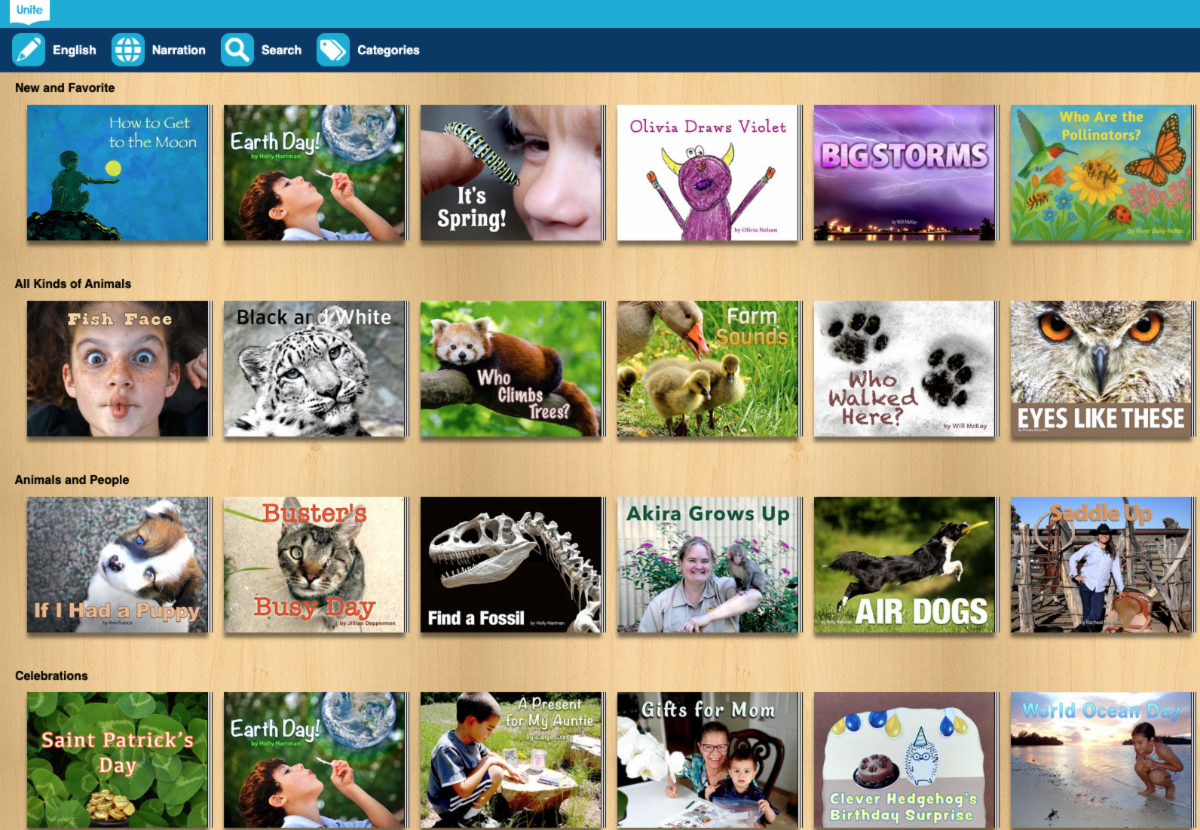
UniteforLiteracy.com is another site that offers the option to read and listen to hundreds of books at varying age levels and topics. The site is easy to navigate and does not require log in information to use the features and read or listen to any book.
| | |
Community Partners
Connecting & Engaging
| | |
The Sacramento Literacy Foundation has been a strong partner in advancing early literacy across the region. This year, their generous sponsorship has made it possible for 40 TK–5 teachers to participate in the summer bootcamp Getting Reading Right professional learning series, expanding access to high-quality, evidence-based literacy training.
Their continued support helps ensure that more educators have the knowledge and tools needed to help every student achieve grade level reading proficiency. This collaboration reflects a shared commitment to strengthening literacy outcomes throughout Sacramento County.
Discover more of their efforts at: https://www.sacramentoliteracy.org/
| | |
916 Ink & Read On!
Receives prestigious NSSA Tutoring Program Design Badge
"916 Ink is proud to announce that Read On! has received the prestigious Tutoring Program Design Badge from Stanford University's National Student Support Accelerator (NSSA). To receive a Badge, our program was evaluated by a third-party team of education leaders to assess its alignment to rigorous Tutoring Quality Stands. The design of our tutoring program was shown to excel in Tutors, Data Use, Instruction, Learning Integration, and Cohesion."
https://www.916ink.org/read-on-tutoring-program-old
|
| |
PTA Family and Community Impact Summit
On Sat., March 7th, Third District PTA hosted the Family & Community Impact Summit, which is an inaugural event that brought together community partners, PTA leaders, parents families and advocates all who hold a shared commitment that aligns with the CA State PTA mission: to positively impact the lives of all children and families.
The event included a presentation about PTA's School Smarts Academy, a powerful family and community engagement program, as well as Education Justice Academy, which helps educate and inform regarding the power of school boards. The event highlighted how parents and families can engage in their student's education at the level.
To connect with Third District PTA and learn more, please visit: https://www.3rdpta.org/
| | |
Coffee and Community
This year, the Sacramento County READS team hosted three virtual Coffee and Community sessions, bringing together community partners for meaningful conversations around literacy and how we can work collaboratively to improve outcomes across Sacramento County.
As we look ahead, we are exploring ways to enhance the format and impact of these sessions. Please feel free to share any feedback or ideas on how we can continue to strengthen connection and collaboration within our community.
For comments or suggestions, reach out to Stephanie Dobkin at sdobkin@scoe.net
| | Professional Learning Opportunities | | |
Sacramento County READS
Community of Practice
Time: 9:00AM - 3:00PM
Location: SCOE Conference Center at
3661 Whitehead Street, Suite 100
Mather, Ca 95655
| | |
2025-2026 Community of Practice Sessions
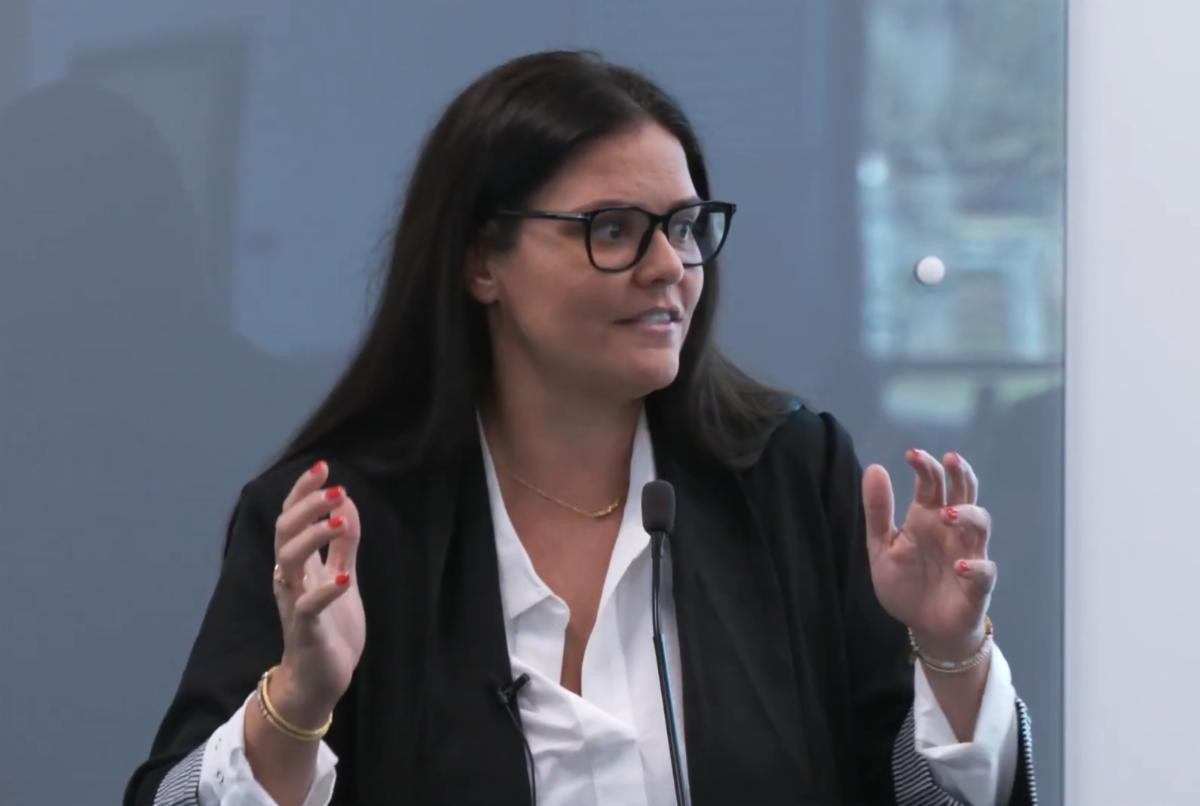
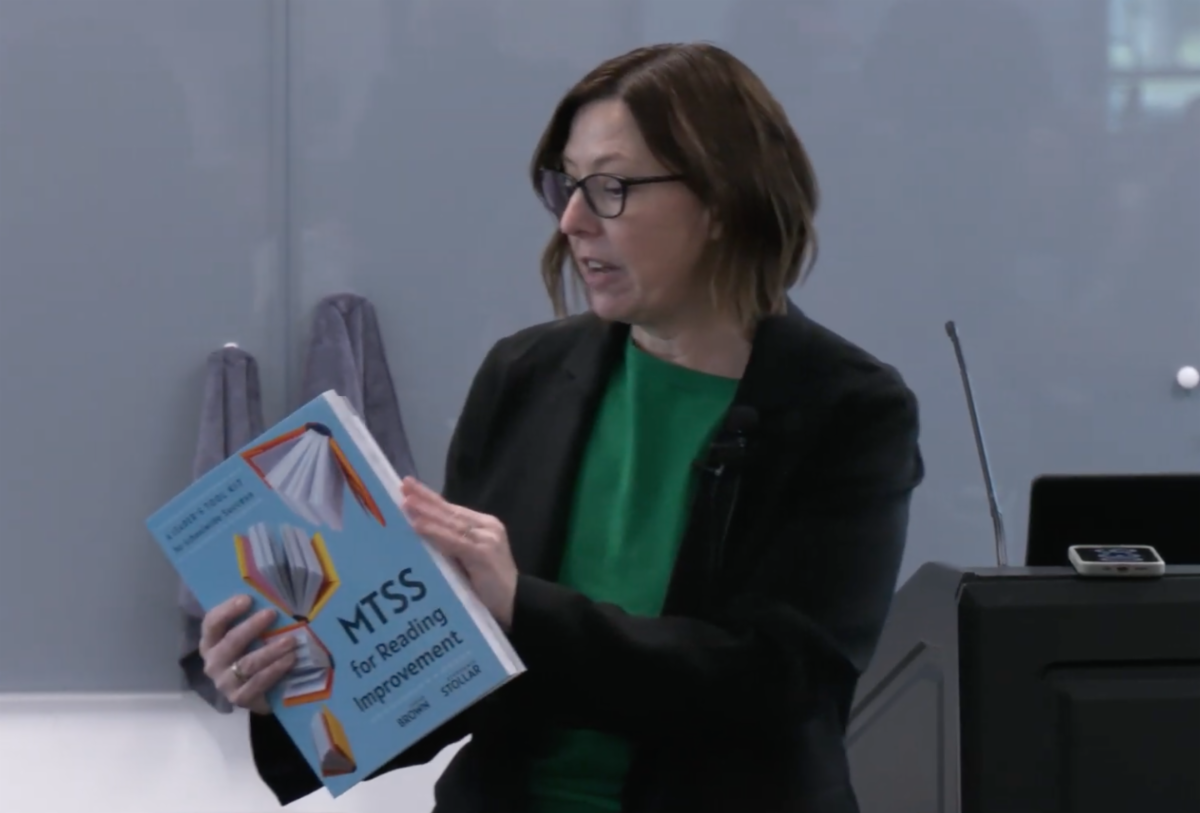
Dr. Sarah Brown's Spring Session Recording:
| | Christy Austin's Winter Session Recording: | | |
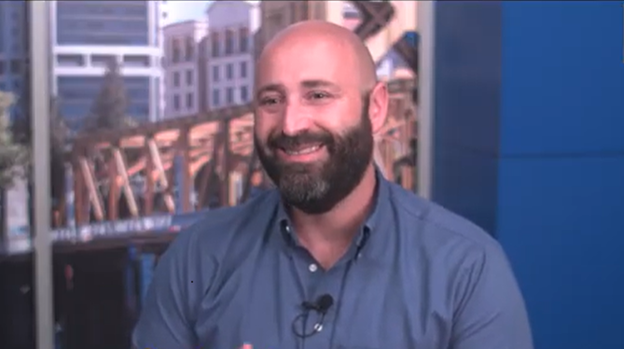
Daniel Silberstein's Fall Session Recording:
| | |
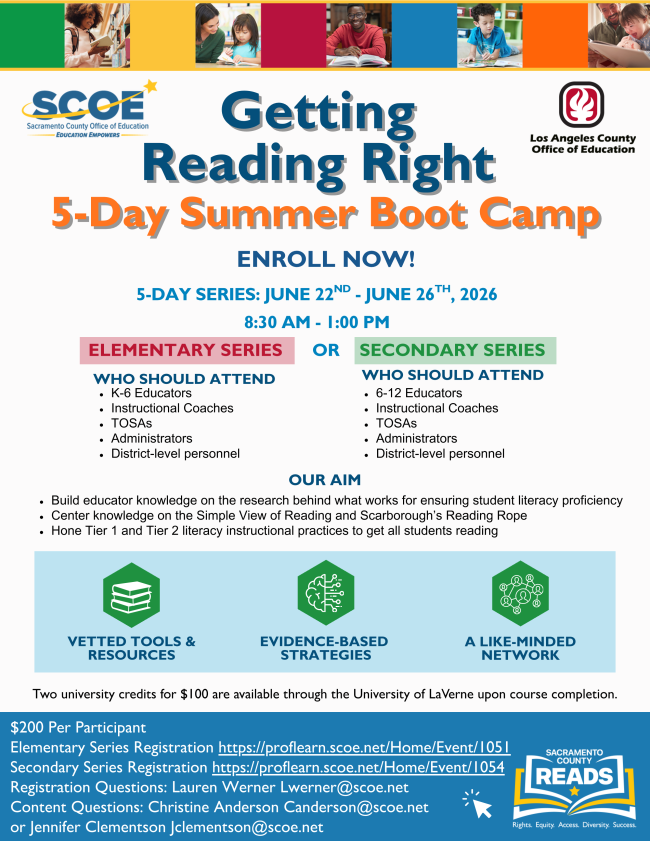
Getting Reading Right Summer Bootcamp
Calling All Literacy Teachers!
Looking to strengthen your literacy knowledge and instructional expertise?
Literacy leaders at SCOE are excited to offer the popular Getting Reading Right (GRR) professional learning series in a Bootcamp format during Summer 2026! GRR builds educator knowledge of the science of reading and supports the implementation of research-based literacy practices.
Instead of 10 sessions spread throughout the school year, participants can complete the full GRR series in one intensive week.
Getting Reading Right 5-Day Summer Bootcamp
📅 June 22–26, 2026
🕣 8:30 a.m.–1:00 p.m. daily
💻 Via Zoom
Important Registration Information:
- All payment information must be included at the time of registration.
- Payment is due by May 22, 2026.
- This is the final opportunity to earn GRR certification at the $200 rate before the 2026-27 school year price increase.
University Credit Option:
Participants may earn two university credits for an additional $100 fee through the University of La Verne upon completion.
For registration questions, please contact Lauren Werner at lwerner@scoe.net.
With sincere excitement and enthusiasm,
Jennifer Clementon & Christine Anderson
Getting Reading Right Instructors
Registration Links:
Elementary Series https://proflearn.scoe.net/Home/Event/1051
Secondary Series https://proflearn.scoe.net/Home/Event/1054
| | |
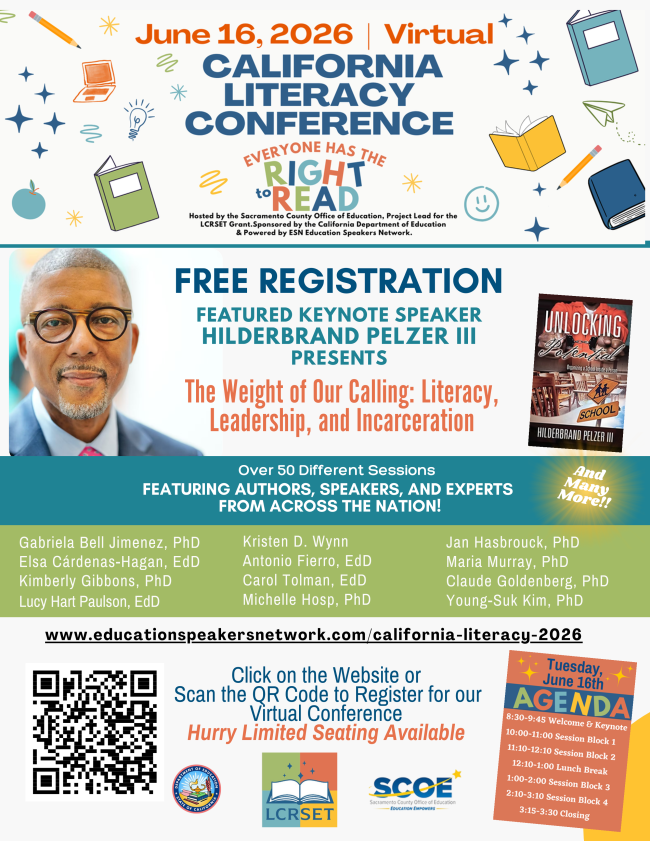
CA Literacy Conference: Everyone Has the Right to Read!
(June 16, 2026, 8:30 a.m.)
The Sacramento County Office of Education and Napa County Offices of Education are pleased to announce the virtual California Literacy Conference: Everyone Has the Right to Read! This free conference is sponsored by the California Department of Education through the Literacy Coaches and Reading Specialists Educator Training (LCRSET) grant program.
Join teachers, administrators, LEA and site colleagues, as well as other partners interested in literacy, on June 16, 2026, from 8:30 am - 3:30 pm as we learn about evidence-based practices in literacy.
The California Literacy Conference will kick off with Hilderbrand Pelzer III, our keynote speaker, and offer over 50 sessions on literacy, with topics on multilingual learners, MTSS, special education, adolescent literacy, assessment, inclusive practices, literacy leadership, and literacy coaching. All this and more! We hope to see you there!
This event is free of charge and registration is required. Register now, space is limited: https://educationspeakersnetwork.com/california-literacy-2026/
| | |
In Community,
The Sacramento County READS Team
|
| | | |