|
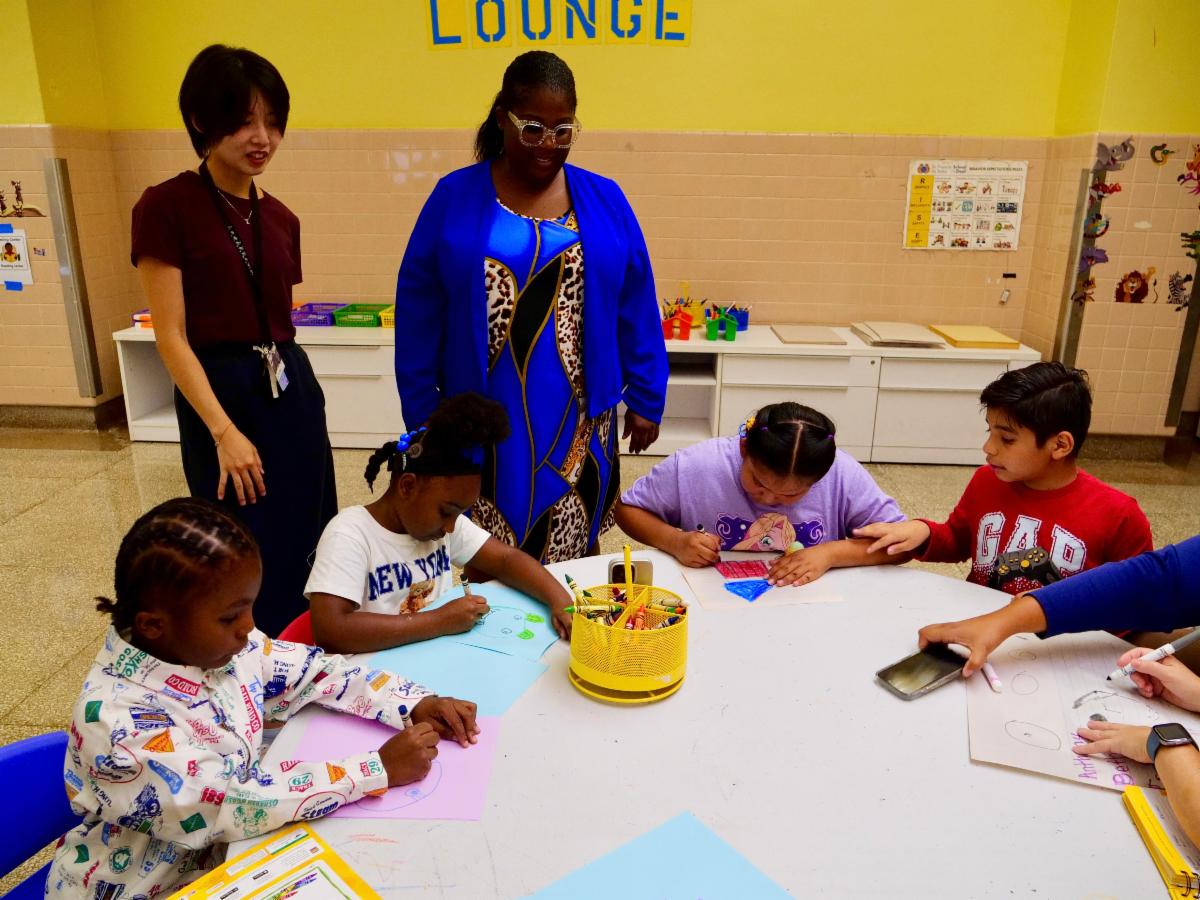
At St. Francis de Sales School for the Deaf, this is not an abstract conversation.
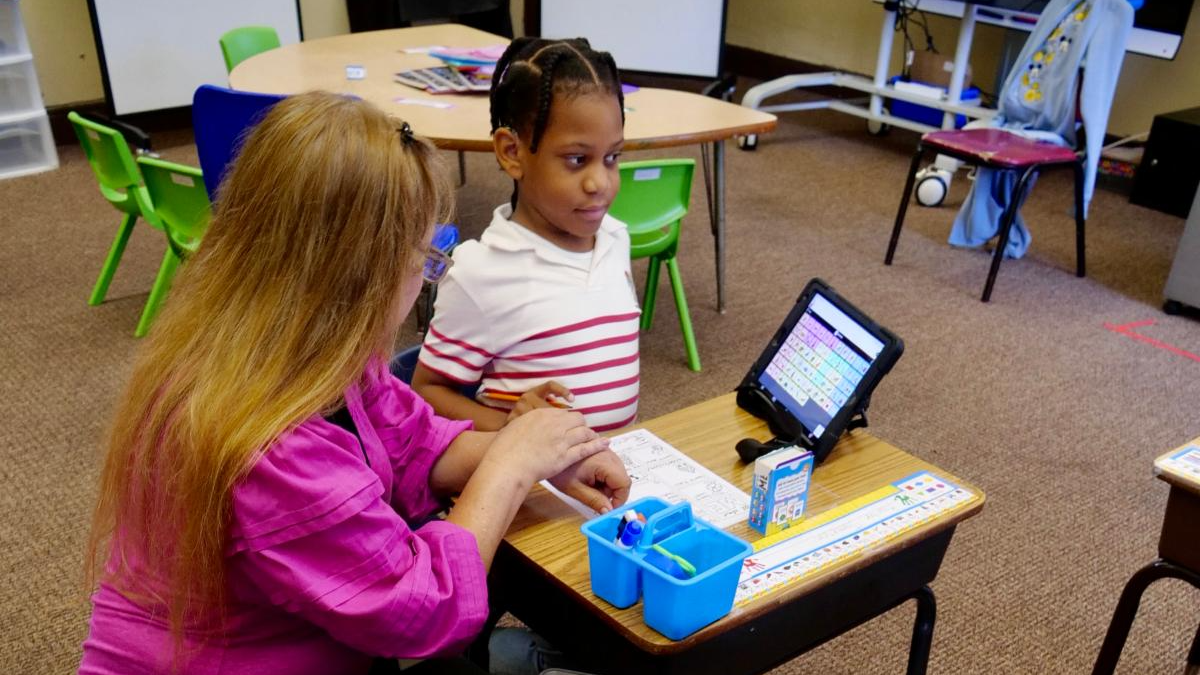
Our students are Deaf, DeafBlind, and Deaf Disabled, and they are not a monolith. They bring different languages, communication preferences, cultures, abilities, experiences, and learning needs into our classrooms. A practice that creates access for one student may need to be adapted significantly for another.
That reality requires us to resist the comfort of a single answer.
Being a model school does not mean believing we have discovered the perfect method. I would argue that it means the opposite. It means creating a culture in which educators are expected to know their students deeply, understand the tools available to them, examine evidence critically, and remain willing to adjust.
At SFDS, we ask not only whether something is considered a best practice, but whether it is the best practice for the student in front of us.
This kind of culture cannot depend on one exceptional teacher working around a system. Leadership has to design for it.
At SFDS, we embrace a “Yes, And” approach that recognizes there is rarely one method that meets the needs of every learner. Our practices may include positive behavioral supports AND neurodevelopmental and trauma-informed approaches; Science of Reading AND balanced literacy practices; ASL AND spoken English; traditional seating AND flexible learning environments; and structured lessons AND project-based learning.
The goal is not to choose one approach over another simply because it belongs to a particular school of thought. The goal is to develop educators with a broad enough toolbox to thoughtfully select, combine, and adapt evidence-based practices based on the needs of individual students.
For school leaders, that means investing in professional learning, encouraging collaboration, creating room for thoughtful experimentation, and trusting educators to share what they are observing. It also means being willing to question our own assumptions.
|