BEDS Plus Care Newsletter: Sept. 22, 2021 |
|
BEDS Special Bulletin: Inflation Threatens Those at Imminent Risk of Homelessness
|
|
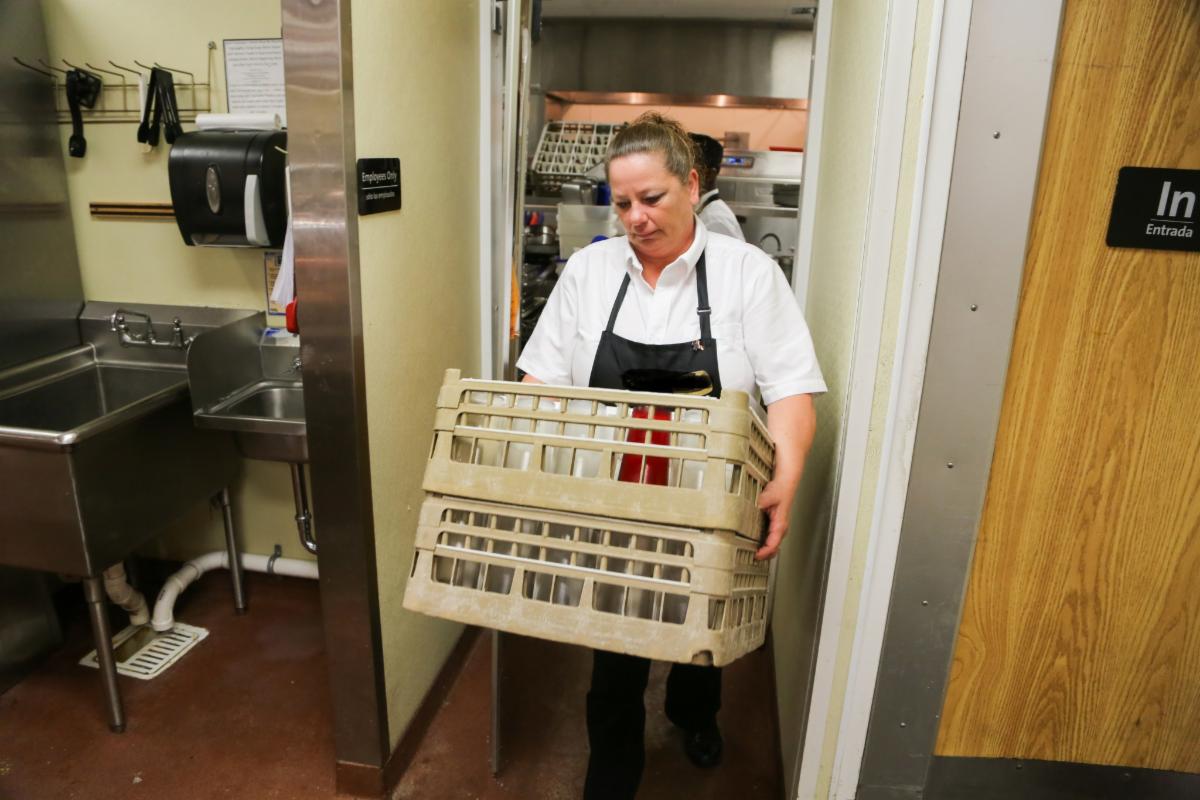
Photo credit: The New York Times |
|
This month, we want to look at how recent inflation threatens people at imminent risk of homelessness nationally and in our communities. To begin, we need to acknowledge some of the larger housing market factors surrounding homelessness.
Lower-earning workers cannot afford housing. We often cite the National Low Income Housing Coalition’s Out of Reach reports, which consistently find that a low-income worker cannot afford a two-bedroom apartment anywhere in the United States. In Illinois, a worker would need to work 80 hours a week at the minimum wage of $11 an hour to afford housing. Residents need to make slightly more than double the minimum wage to afford housing, and BEDS communities have an even higher “housing wage” of $24.67 an hour.
These workers still have to live somewhere. They devote larger portions of their income to rent, which quickly becomes risky. The Department of Housing and Urban Development (HUD) characterizes households “pay[ing] more than 30 percent of...income for housing” as cost burdened and those devoting more than 50 percent of income for housing as severely cost burdened. These households have little to no savings, access to credit, and/or family and social support networks. They face “difficulty affording necessities such as food, clothing, transportation, and medical care.” An accident, illness, job loss, change in family makeup, or other crisis can send them spiraling into homelessness.
BEDS helps keep people at imminent risk of homelessness in housing. Last year, we provided $650,000 in direct financial assistance to individuals and families who were about to lose their homes. Our expanded employment program connected qualified clients with better paying jobs.
[1] The linked article recognizes the impact of inflation on lower-income households; however, it could have gone further to encompass the lowest-earning households. Extremely low income and severely cost burdened individuals and families may not be able to reduce spending without neglecting their basic needs and/or losing housing. But “homelessness” does not appear once among the article’s 2,178 words. Its featured households remained employed, adapted to inflation, and did not lose housing. Rehired University of Pennsylvania custodian Troy Sutton saw his water, electricity, food, and cable bills rise over the past year but seems to break even: “I’m making more money. I should be able to see it.” Han Park, a Jimmy John’s assistant manager whose rent has jumped 6.5 percent, is still “’scratching by.’” And airport Starbucks barista Rebecca Reitnauer and her partner, who’ve paid twice as much for electricity and nearly twice as much for gas, are moving in with Rebecca’s mother to reduce costs. Households making less money with less flexibility are at the most risk from inflation and other socioeconomic effects of COVID-19; researchers , with the largest losses among households working part-time and making less than the federal poverty threshold, project homelessness to more than double by 2023.
|
|
|
|
|
|
|